

NOBAHAR GARDEN II
Location: Iran | Kermanshah | Bahar St.
Function: Residential | Wellness
Type: Garden Extension
Area: 288 m2
Year: 2024-2025
Status: Designed
Architect: PRAGMATICA ARCHITECTURAL DESIGN STUDIO | Mohammadreza Mohebali
Design Team: Siavash Dastgerdi, Ahmadreza Rahimov
Presentation: Parsa Batebi, Kiana Kasaie, Yazdan Tavakoli, Parisa Rasaie
NOBAHAR GARDEN II

Location: Iran | Kermanshah | Bahar St.
Function: Residential | Wellness
Type: Garden Extension
Area: 288 m2
Year: 2024-2025
Status: Designed
Architect: PRAGMATICA ARCHITECTURAL DESIGN STUDIO | Mohammadreza Mohebali
Design Team: Siavash Dastgerdi, Ahmadreza Rahimov
Presentation: Parsa Batebi, Kiana Kasaie, Yazdan Tavakoli, Parisa Rasaie
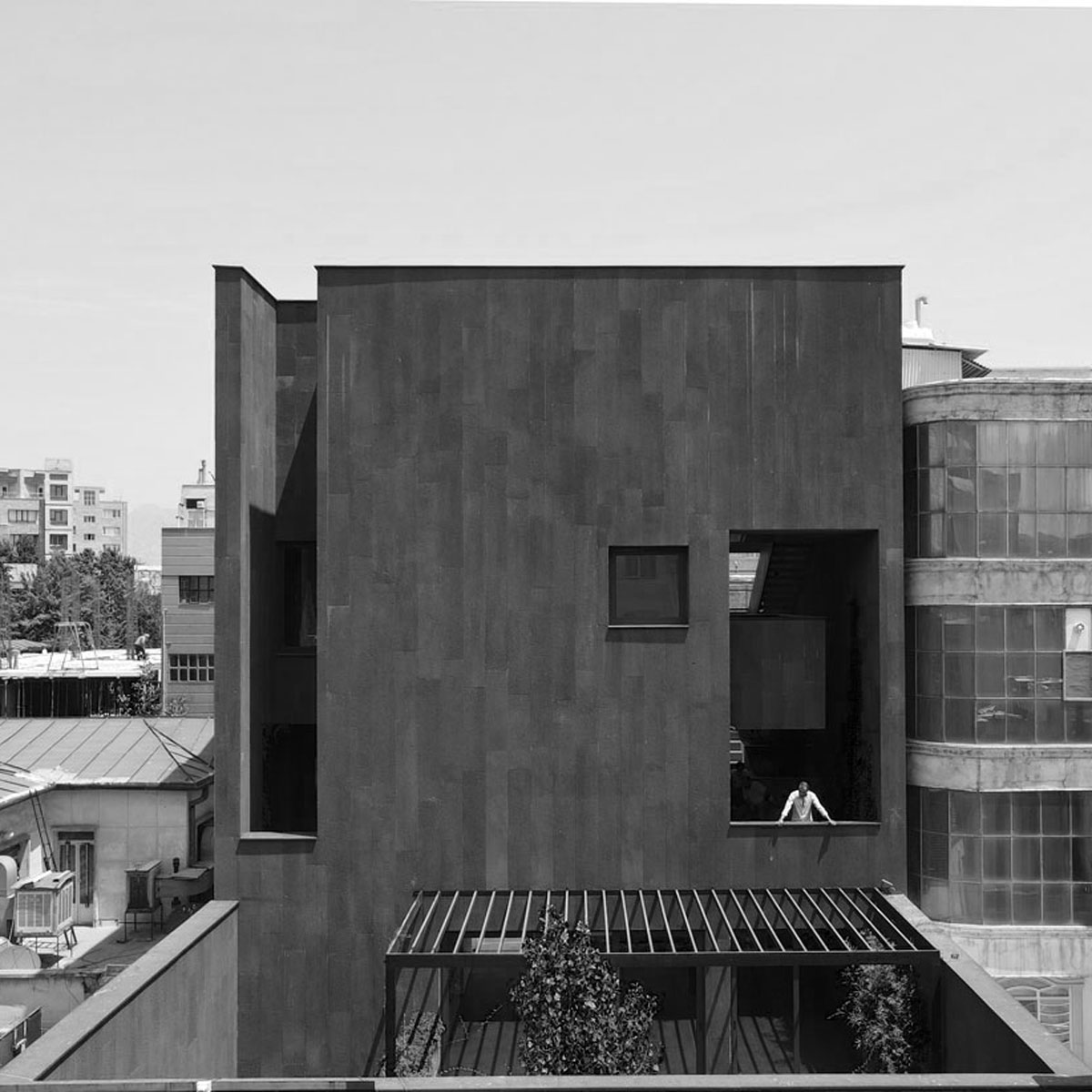
Nobahar Garden II proposes a reconsideration of the relationship between house, garden, and ground. By preserving the continuity of the landscape while integrating a diverse program within a compact architectural system, the project generates multiple layers of inhabitation.
Nobahar Garden II was conceived as an extension of Nobahar House and as an integral component of its domestic experience. Initiated while the house was approaching completion, the adjacent southern plot presented an opportunity to expand the spatial qualities of the residence into a green landscape. From the outset, the project was understood not merely as the design of an outdoor space, but as the creation of an additional layer of inhabitation embedded within everyday life.
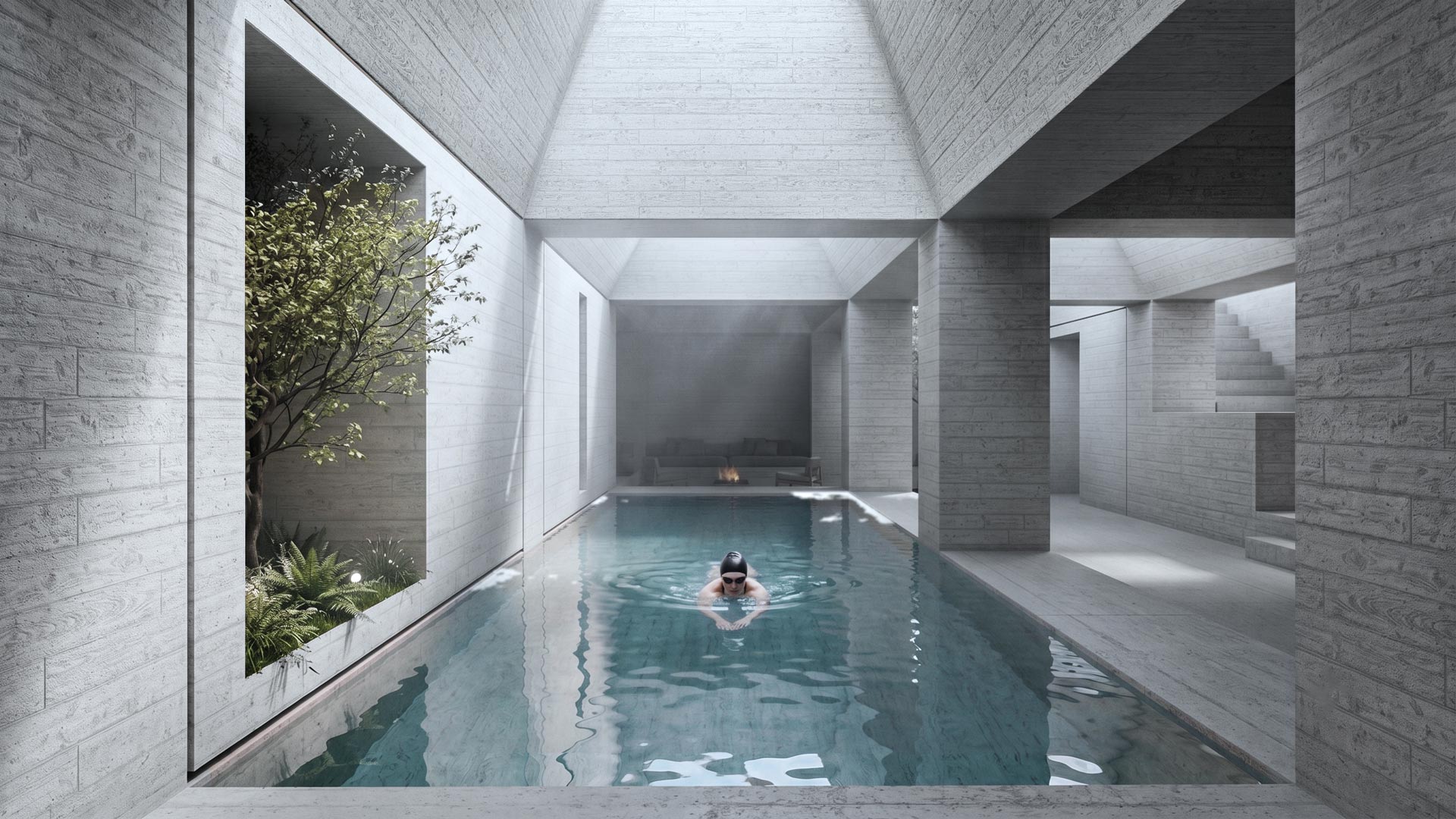
Discussions with the client revealed that the notion of a garden extended beyond functional expectations. Qualities such as greenery, shade, proximity to nature, and framed views emerged as fundamental aspirations rooted in personal memories and lived experiences. At the same time, the project was required to accommodate a diverse program, including spaces for gathering and retreat, a swimming pool and its associated amenities, and the enhancement of the visual and spatial quality of the house’s basement gym connected to an existing sunken courtyard.
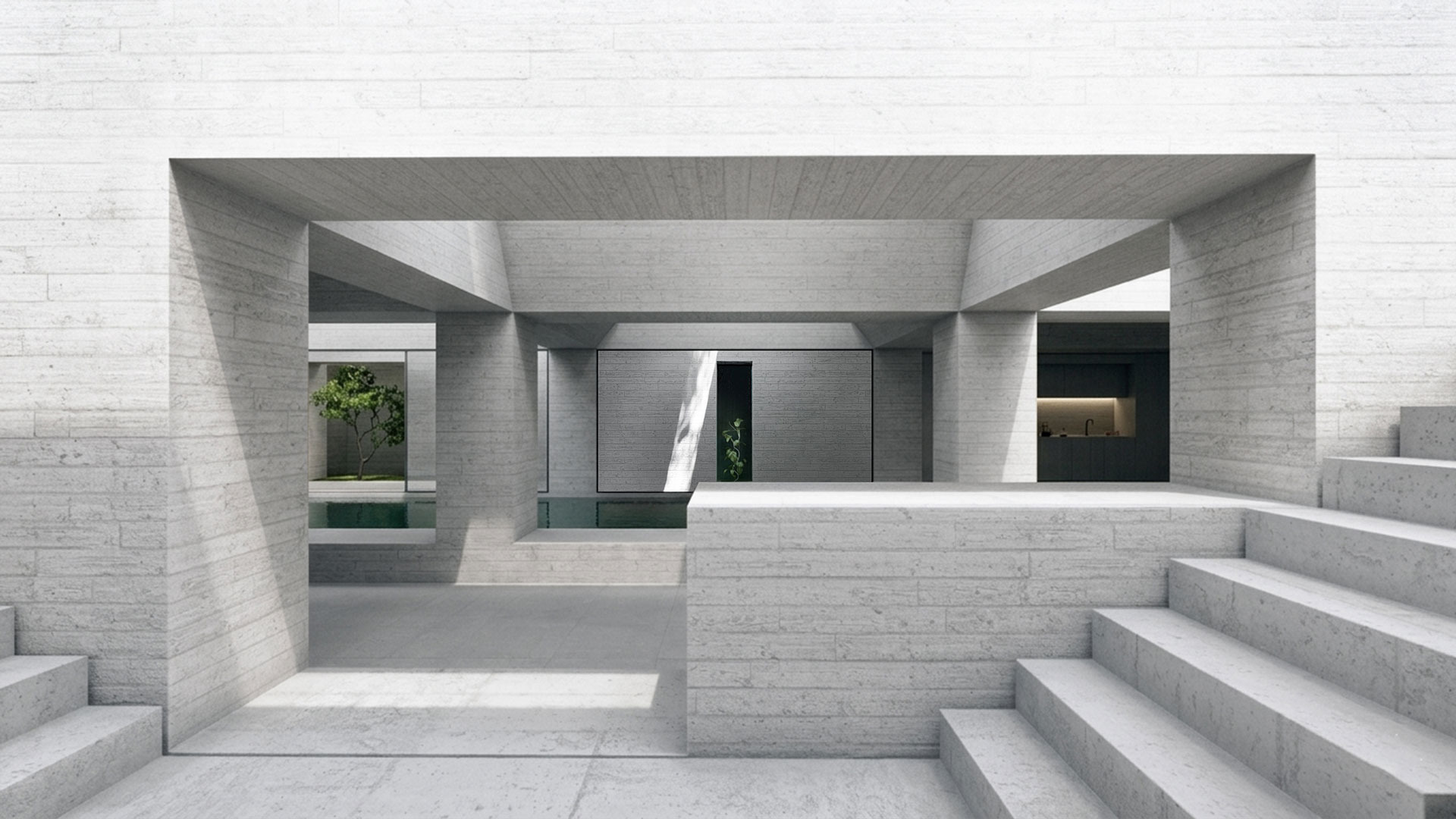
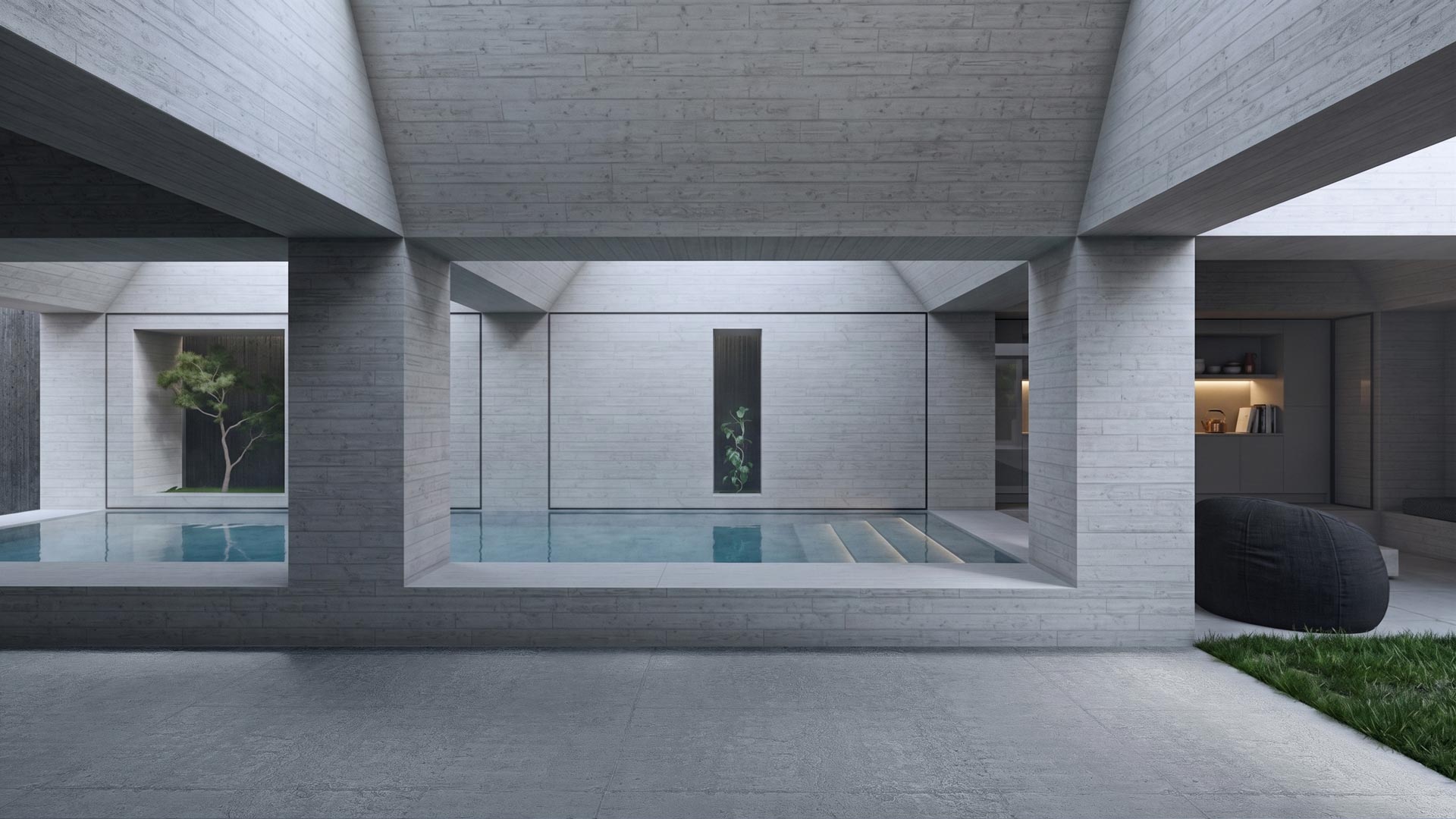
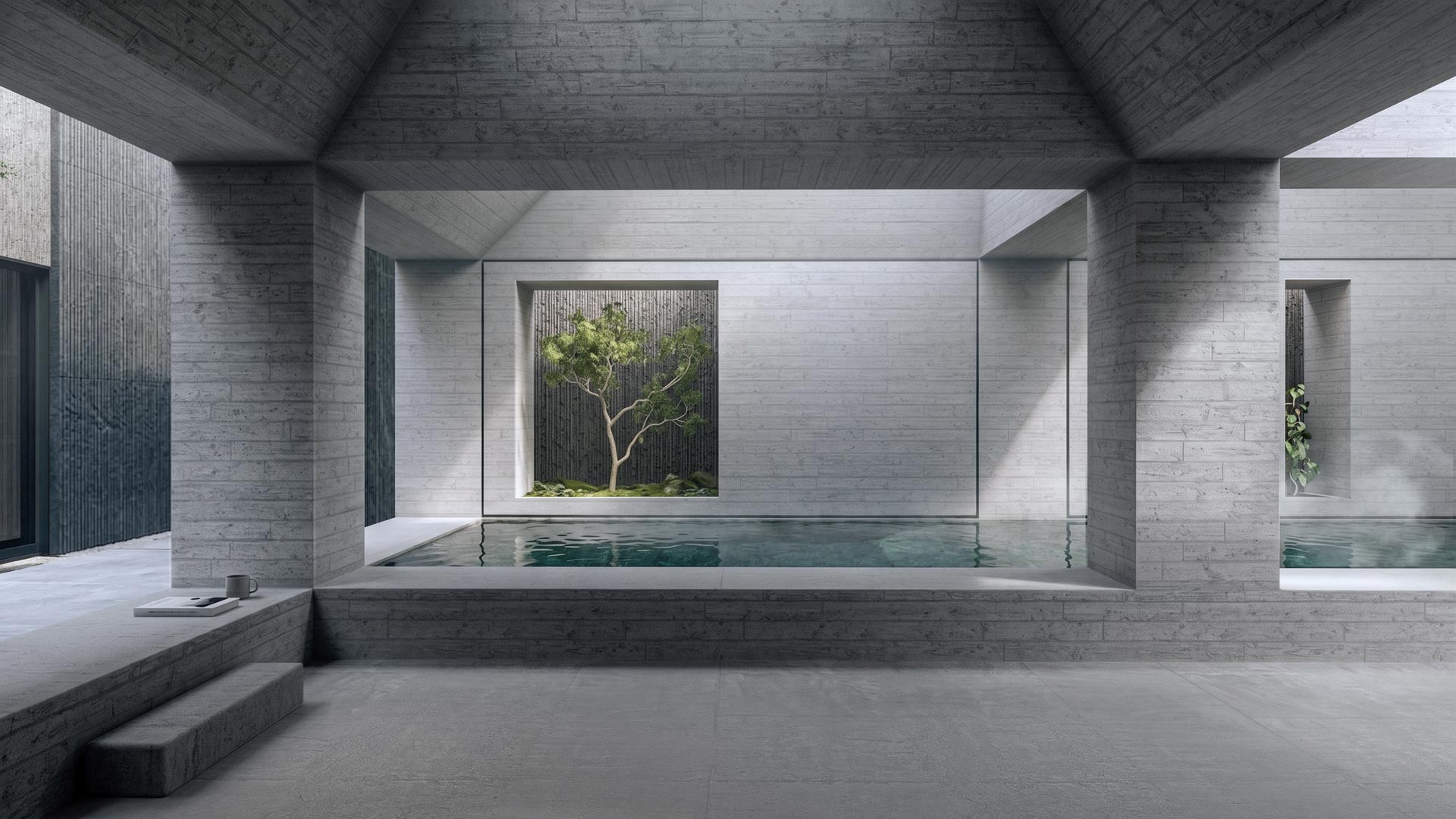
The principal challenge lay in integrating these requirements while preserving the continuity of the garden as a unified green surface. The site’s level difference between the southern street and the basement further suggested the possibility of redefining the relationship between landscape, architecture, and ground.
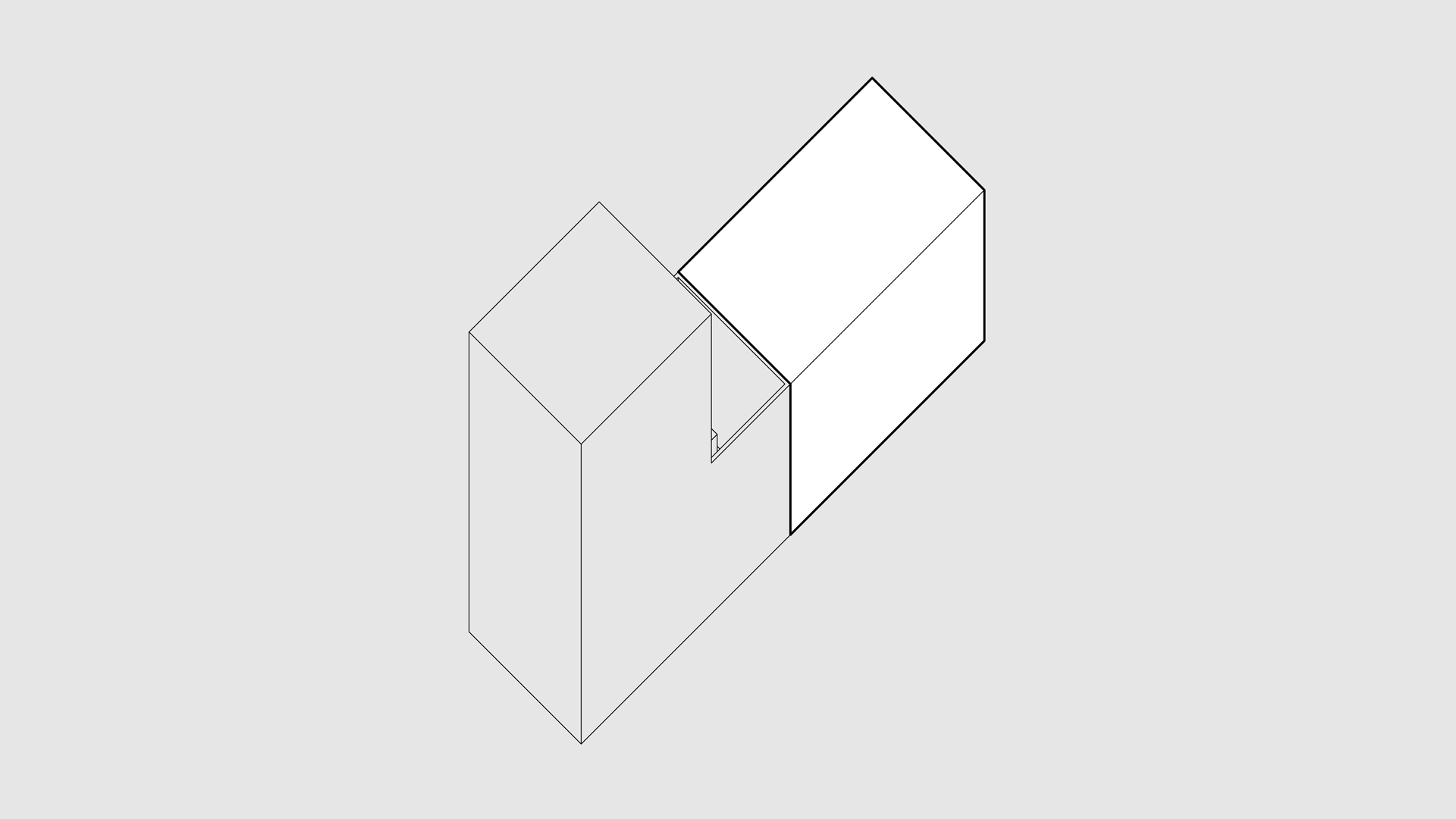
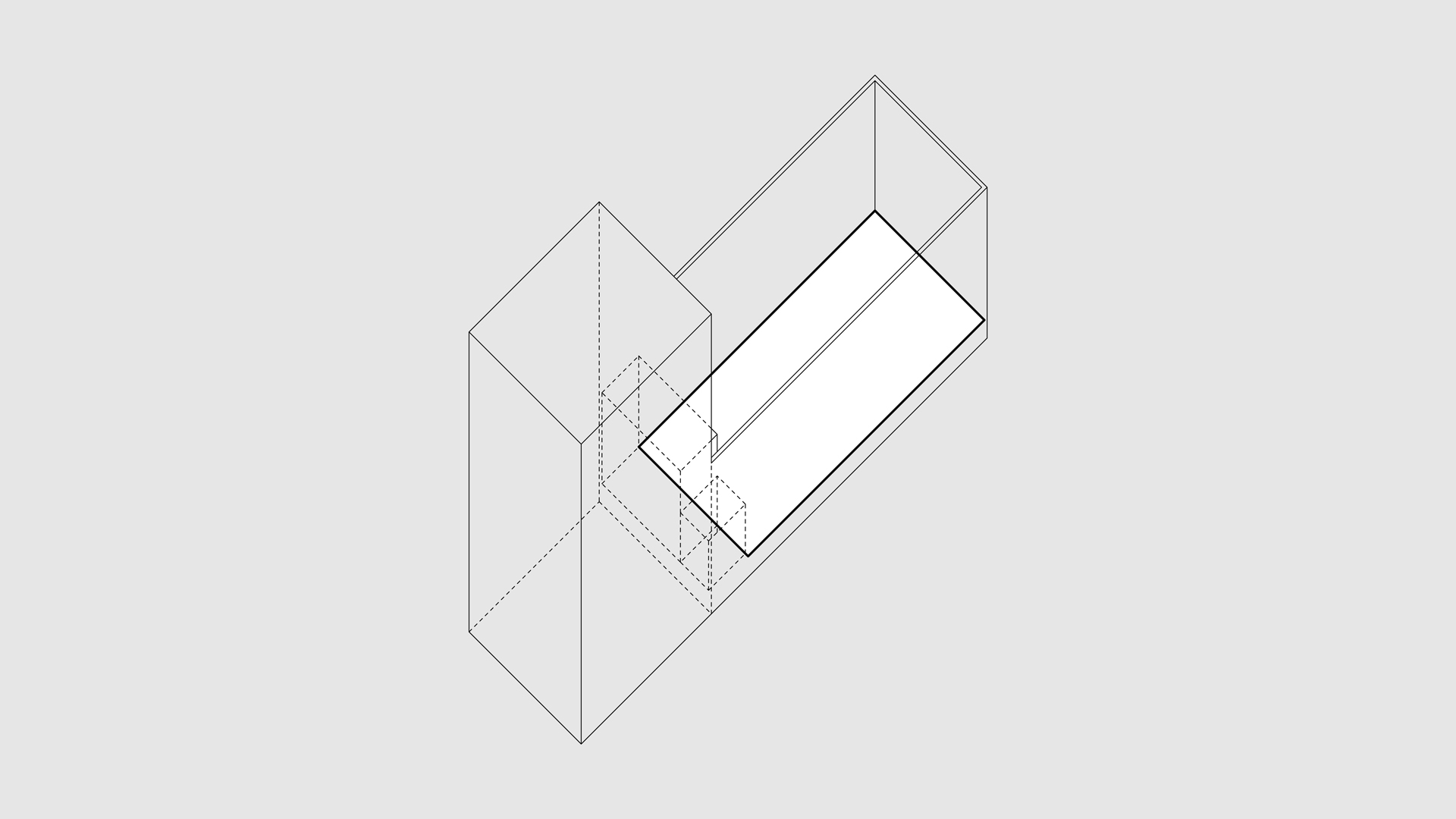
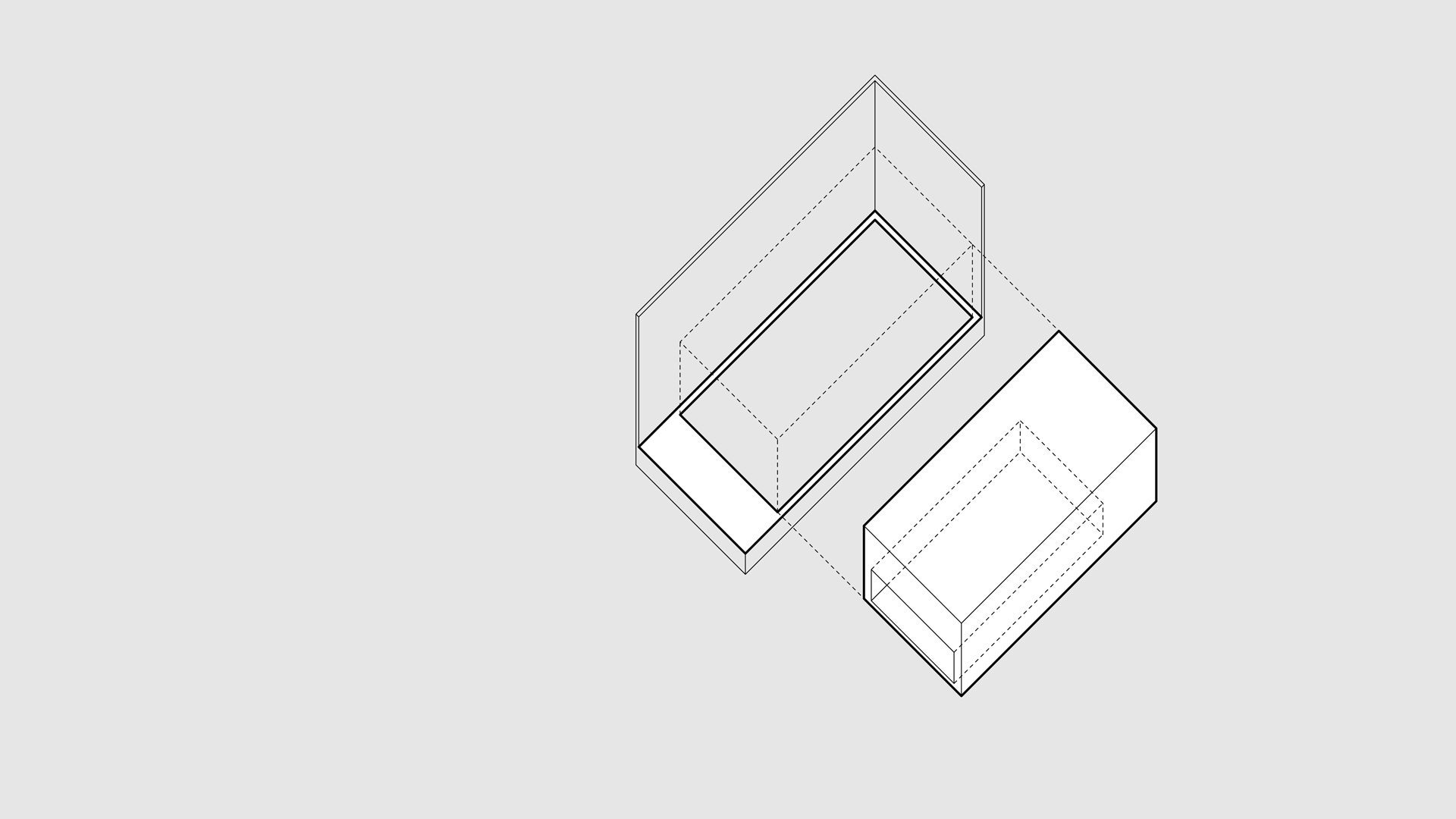
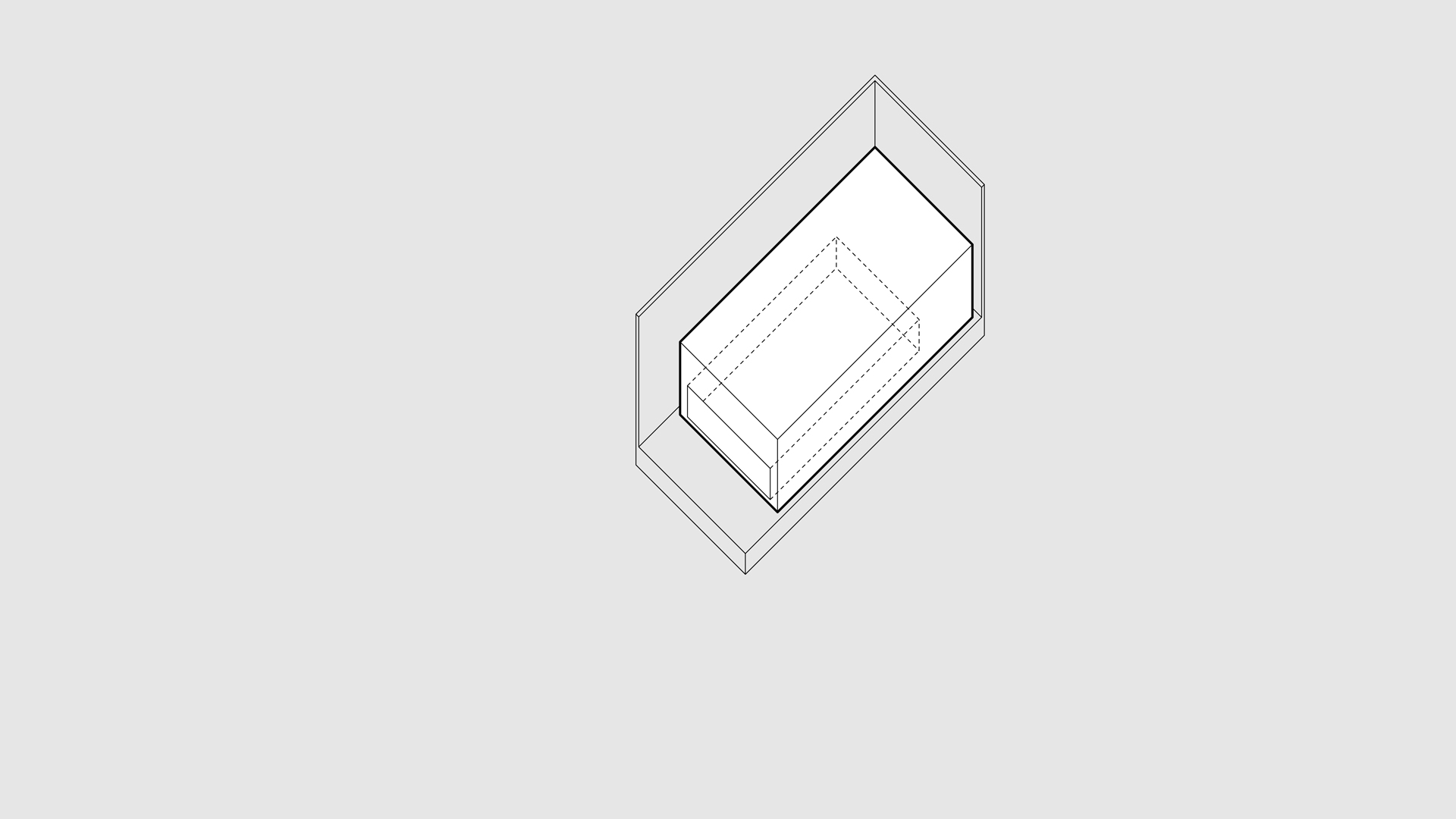
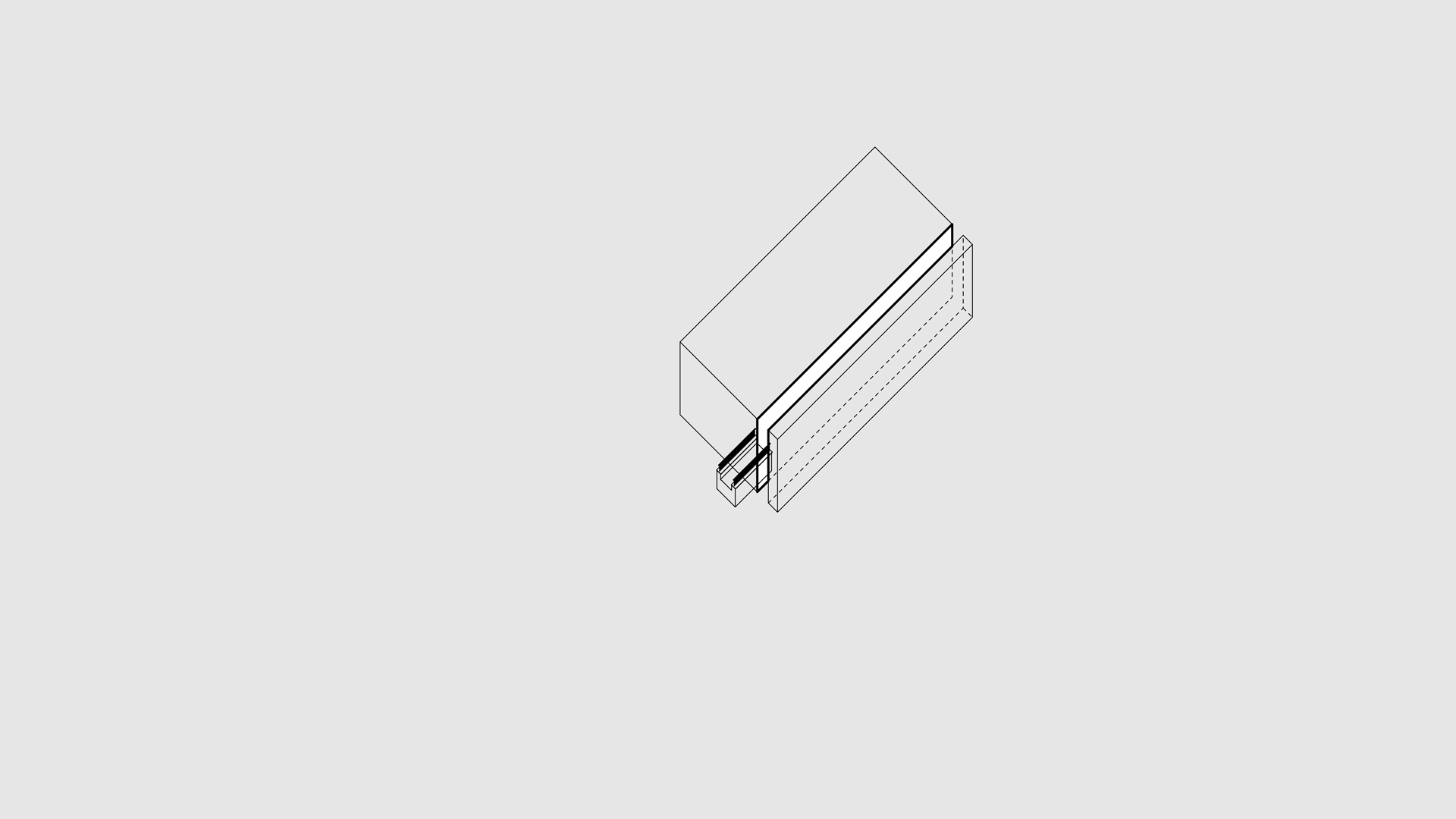
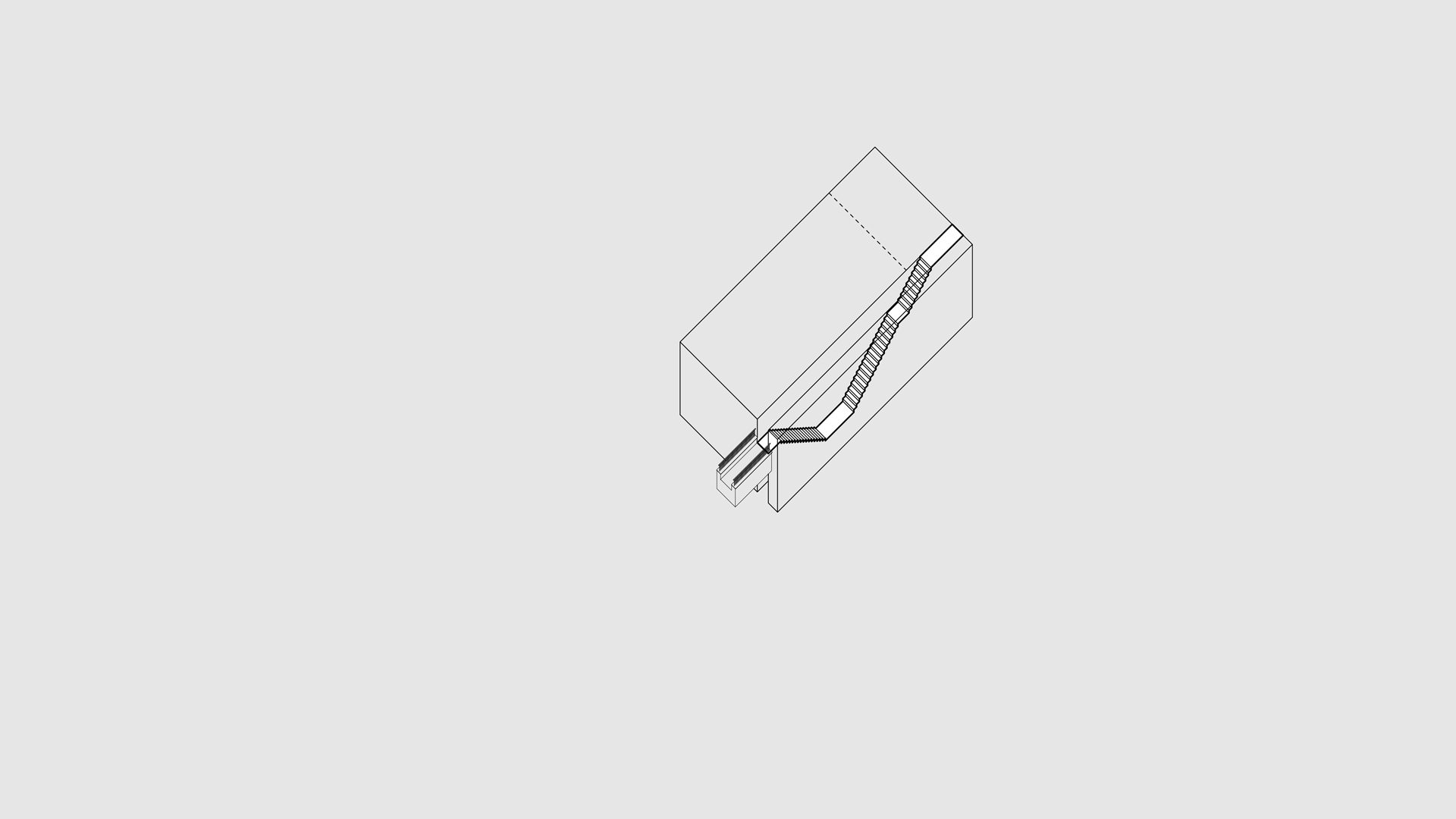
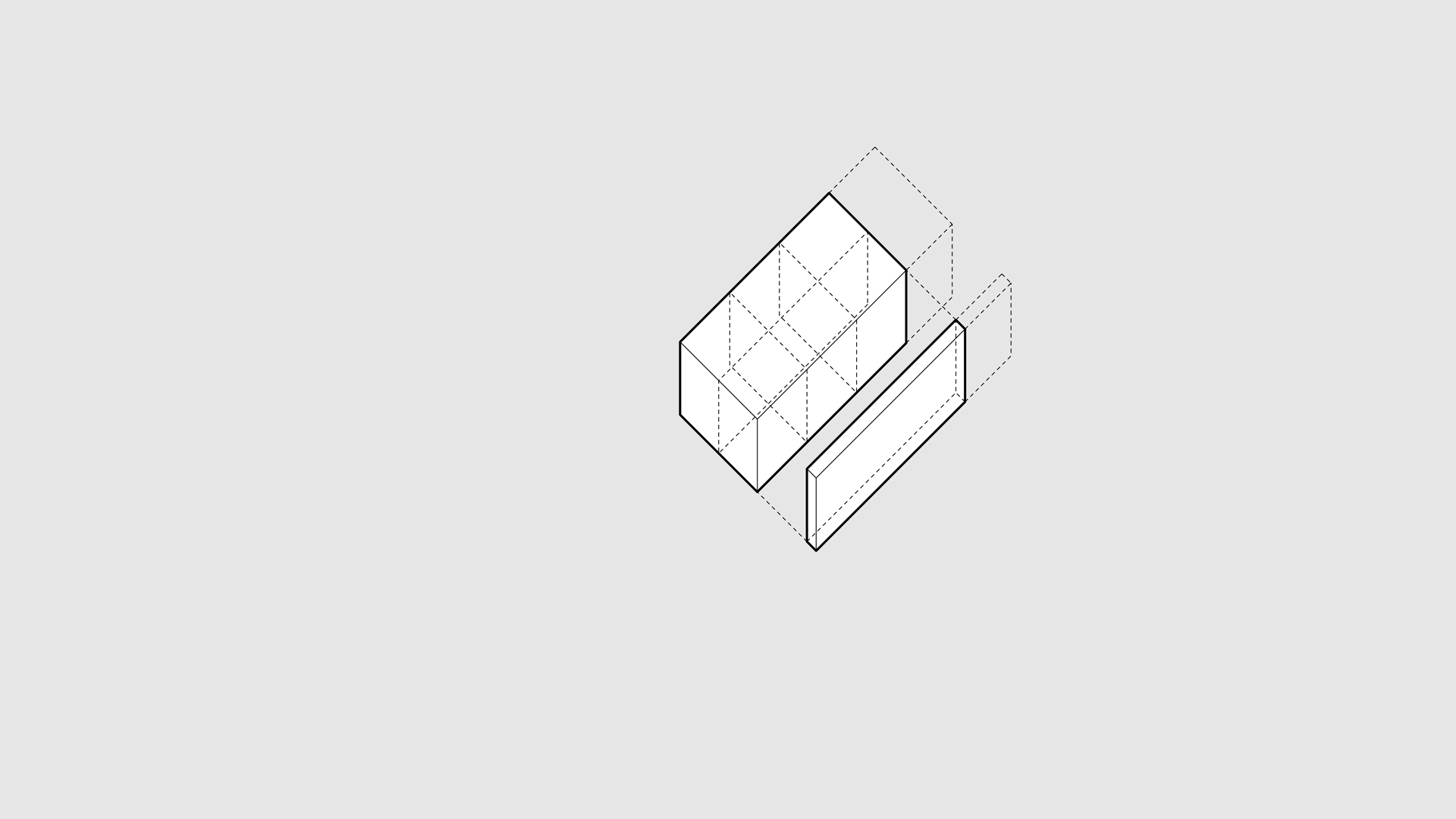
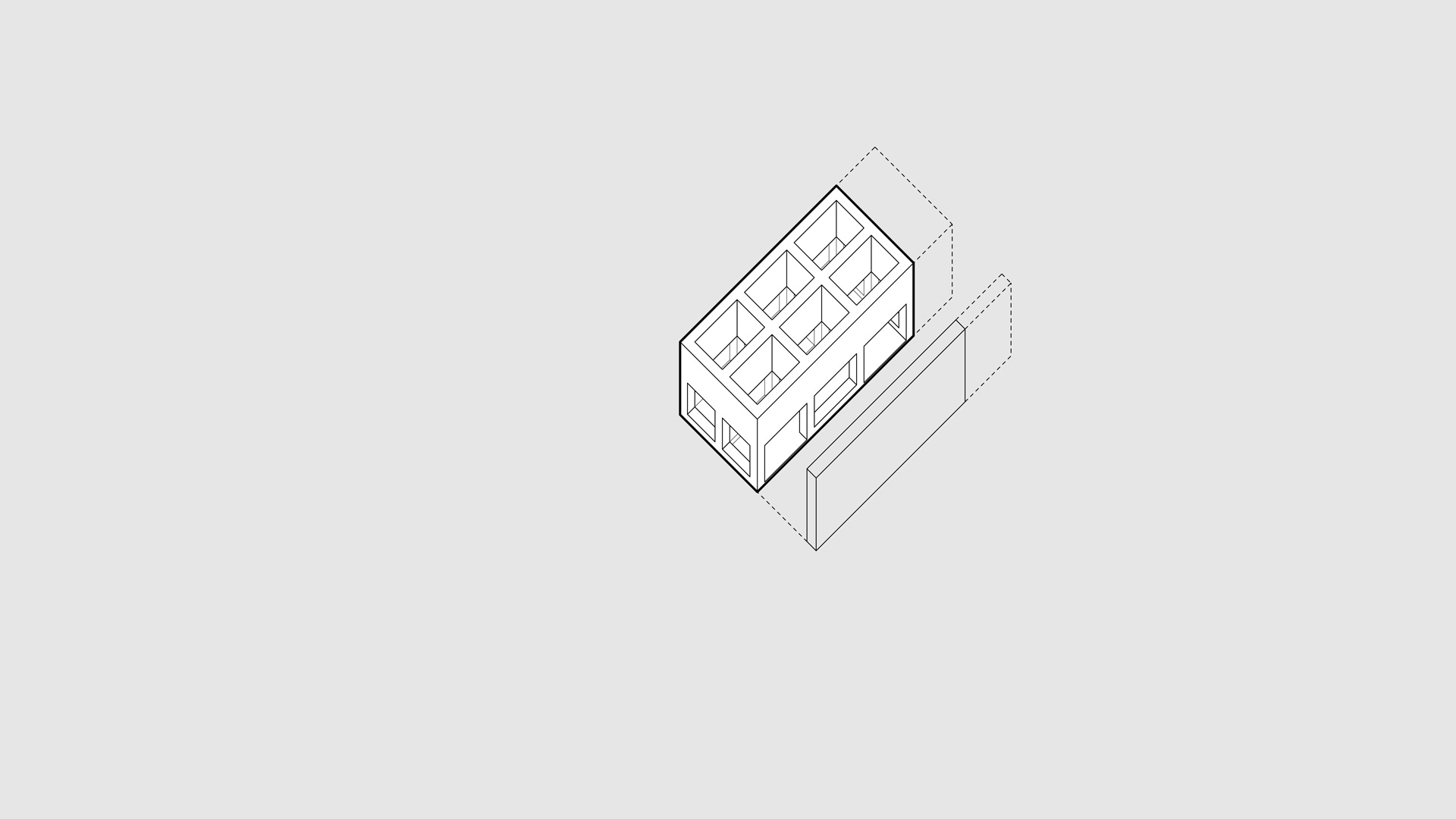
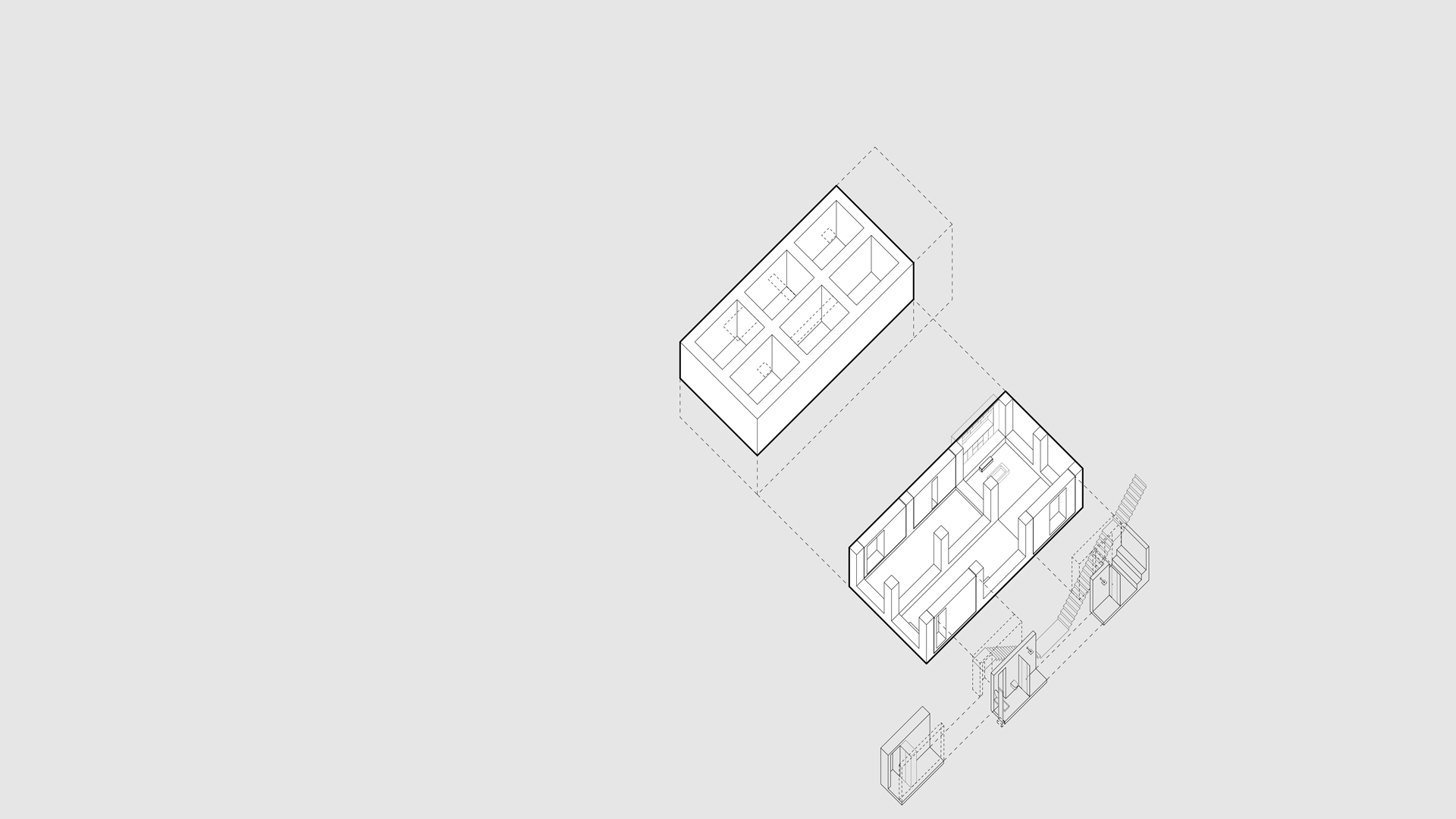
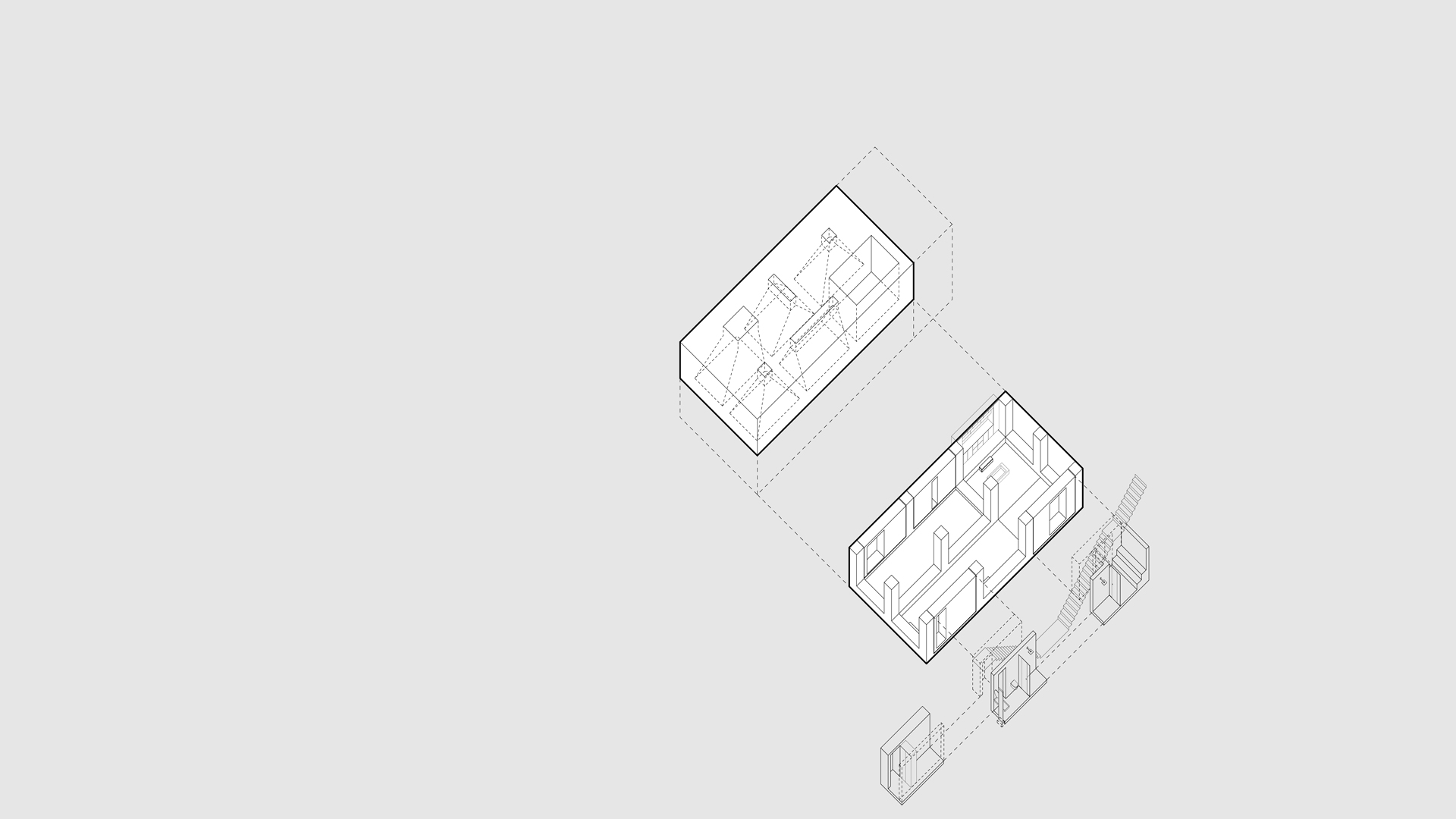
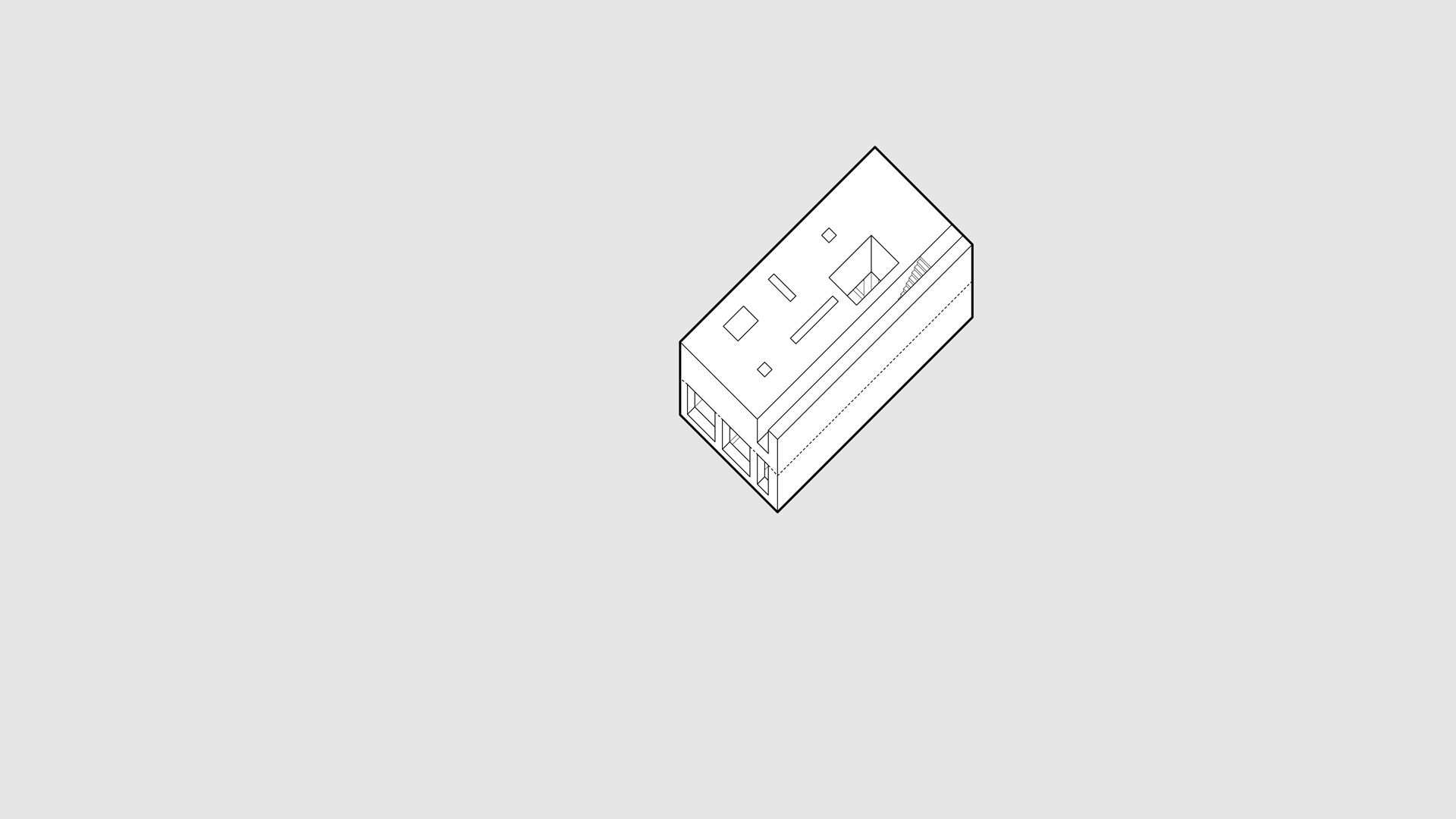
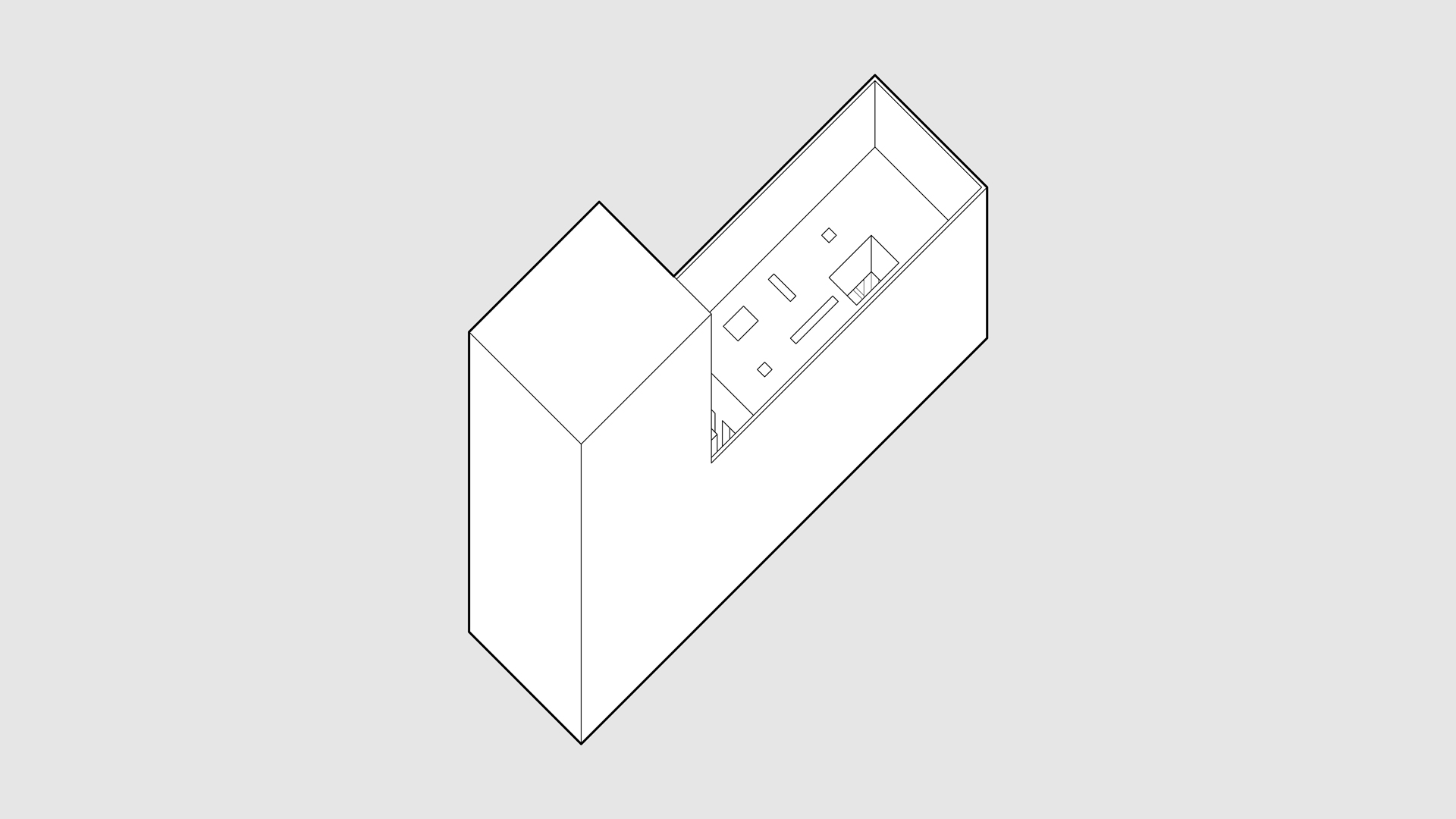
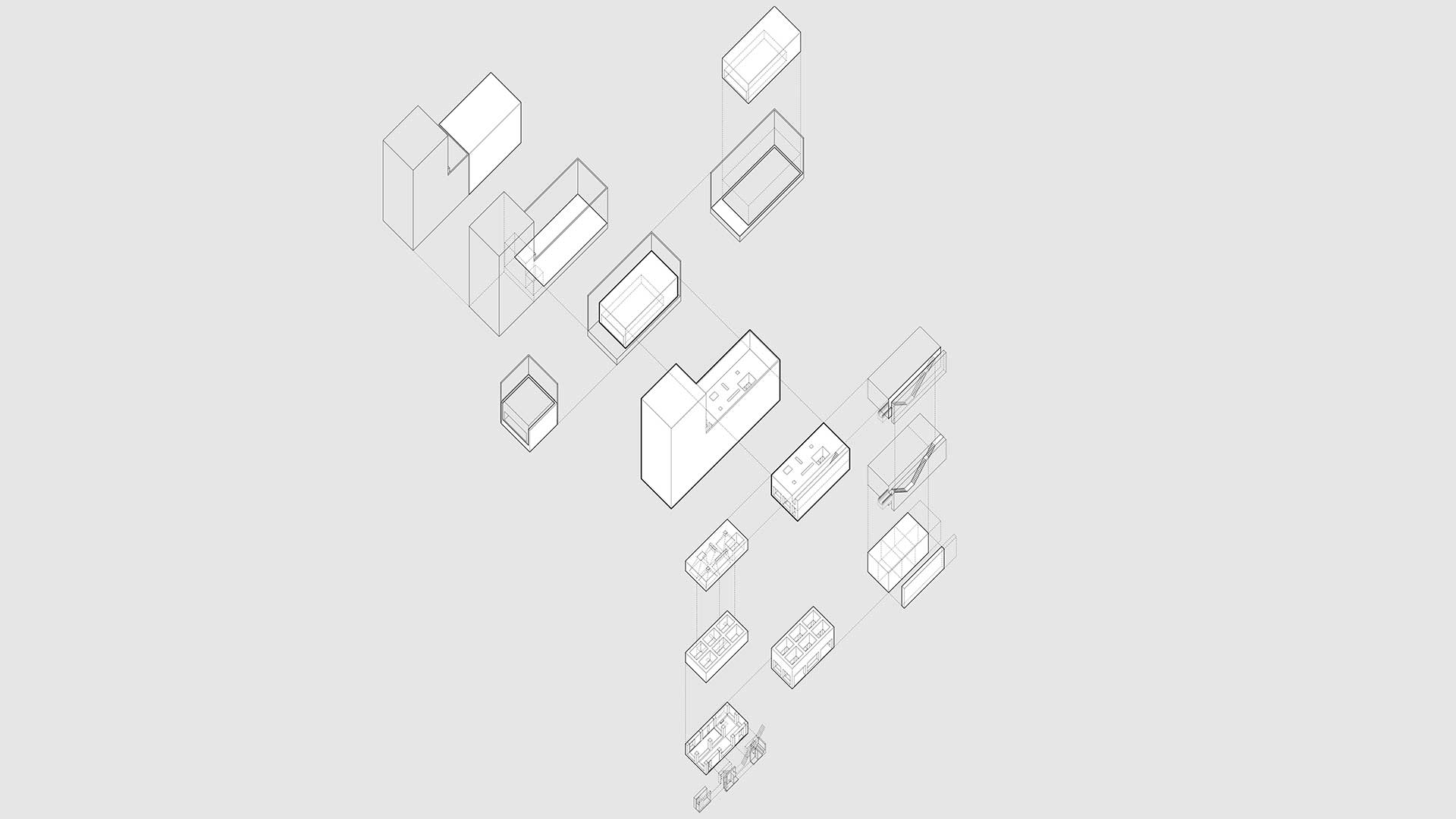
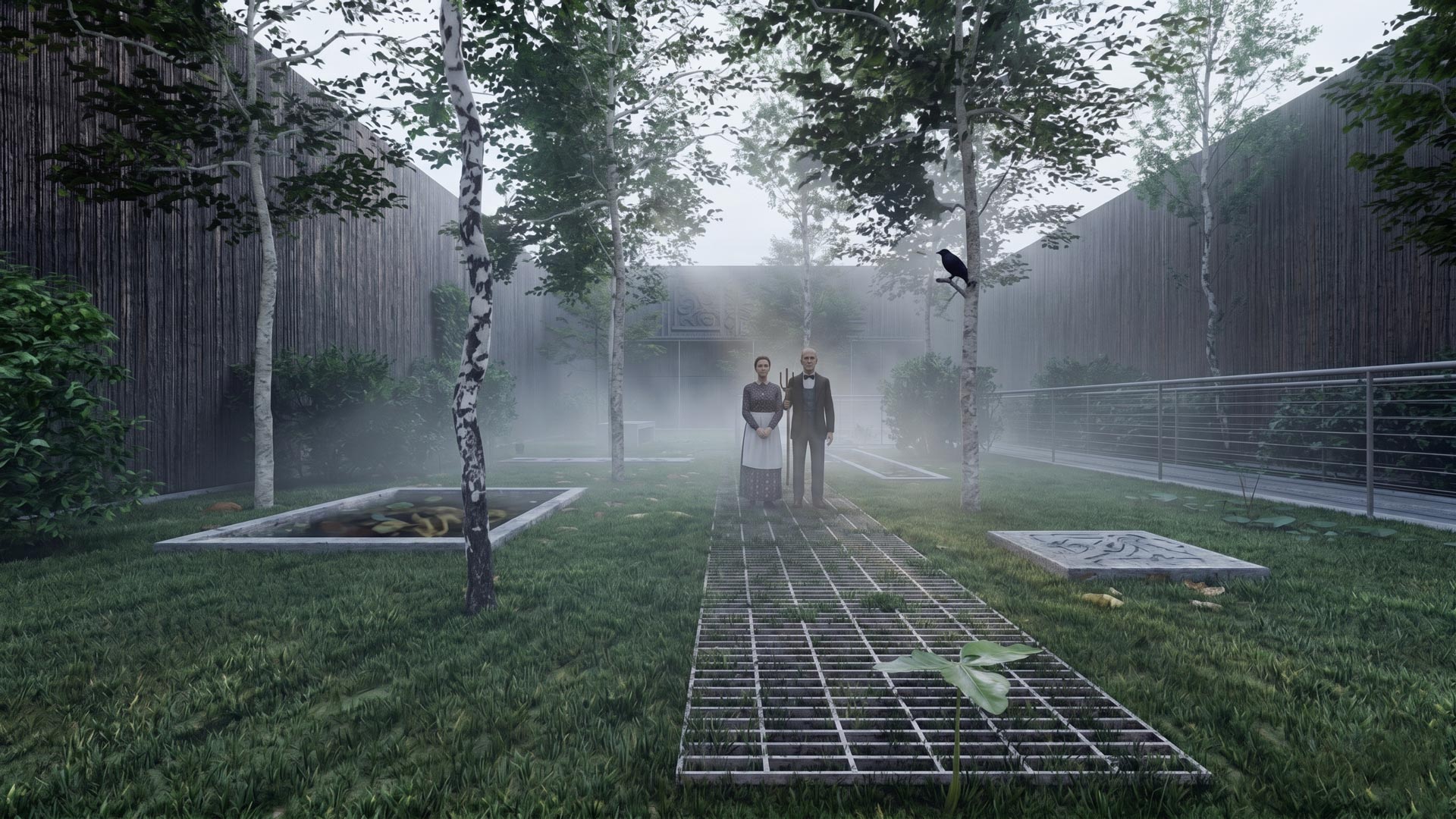
The design strategy responded through the formation of two complementary realms: a continuous garden landscape at ground level and an embedded architectural layer beneath it. The upper plane was conceived as a calm and predominantly green environment connected to the domestic spaces of the house, while the lower level accommodated the more intensive functions as a distinct spatial condition with its own atmospheric qualities.
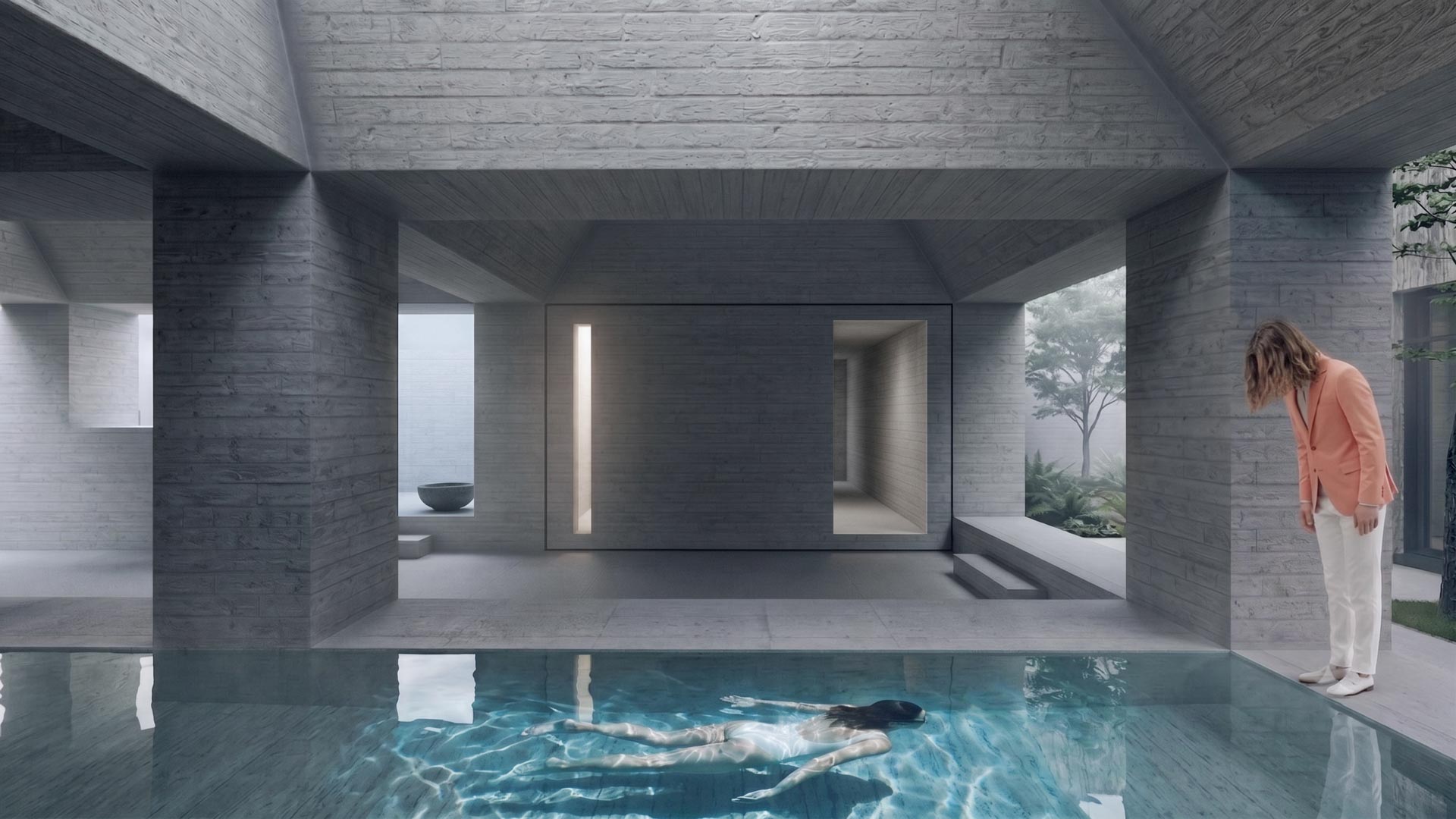
The design strategy responded through the formation of two complementary realms: a continuous garden landscape at ground level and an embedded architectural layer beneath it. The upper plane was conceived as a calm and predominantly green environment connected to the domestic spaces of the house, while the lower level accommodated the more intensive functions as a distinct spatial condition with its own atmospheric qualities.
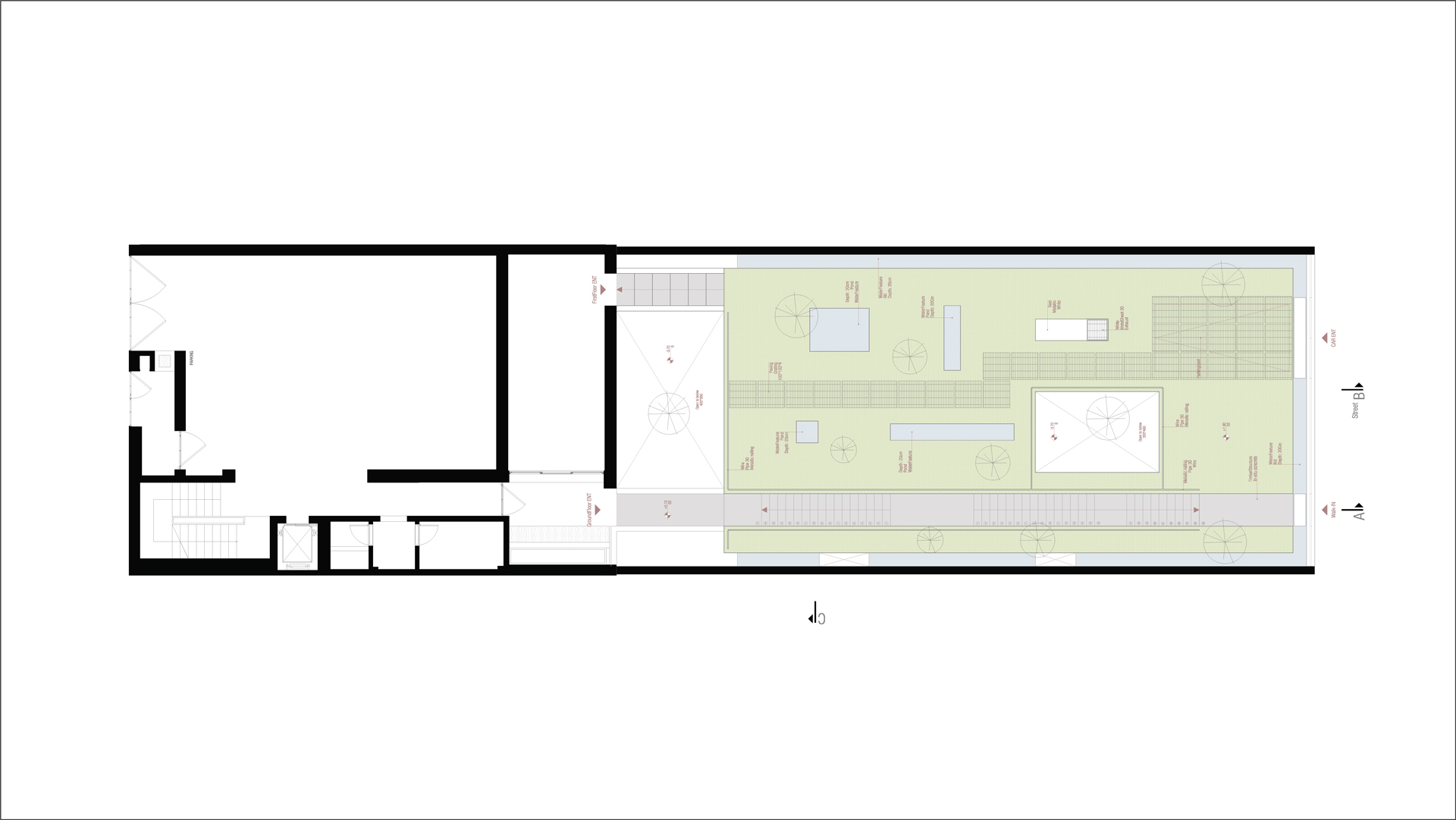

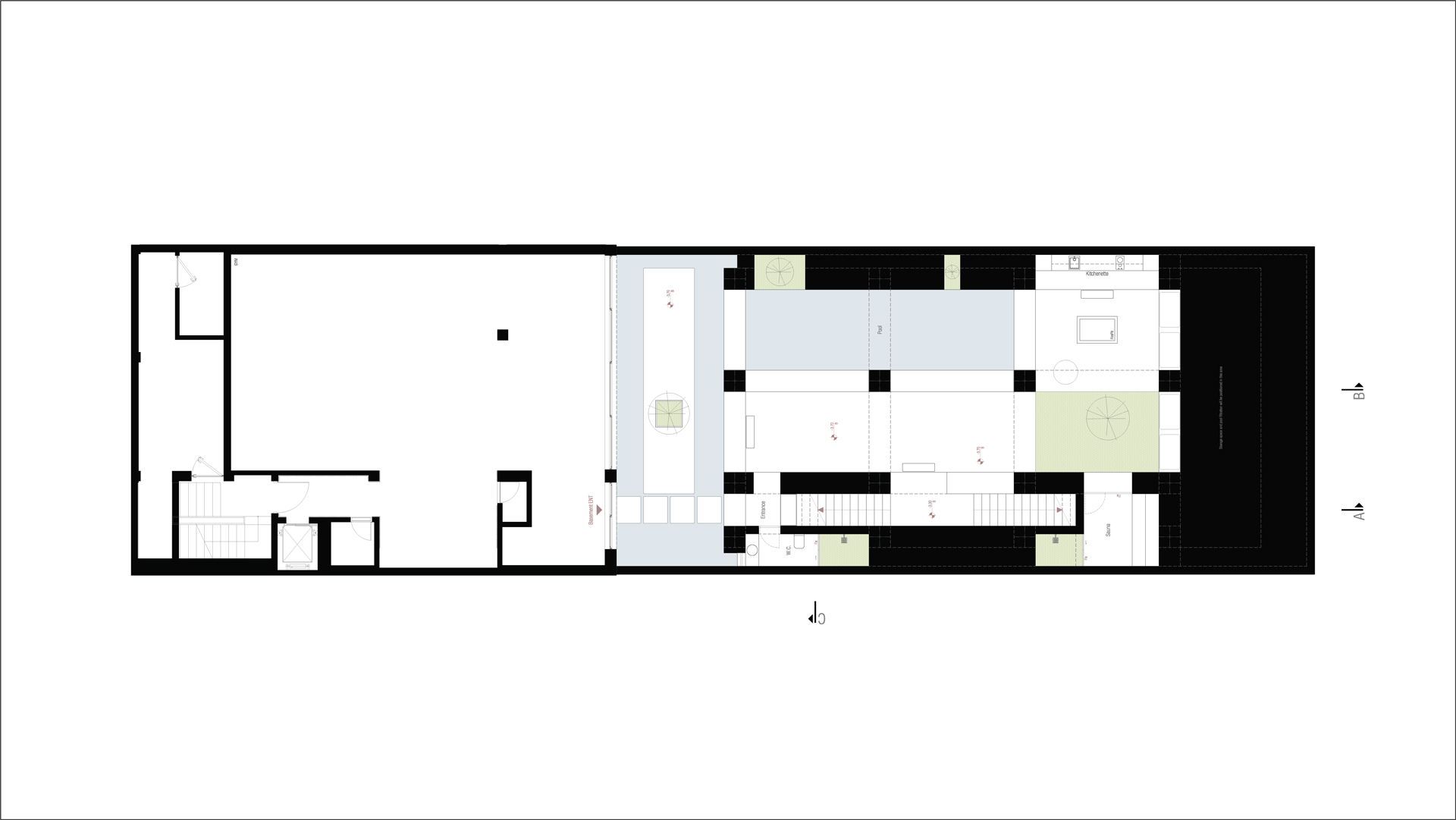
This approach allowed the garden to remain uninterrupted, avoiding the fragmentation typically caused by distributing functions across the site. Access to the subterranean level was provided through a staircase positioned along the eastern edge of the garden, establishing a gradual transition from the open and luminous landscape to a more introspective interior environment.
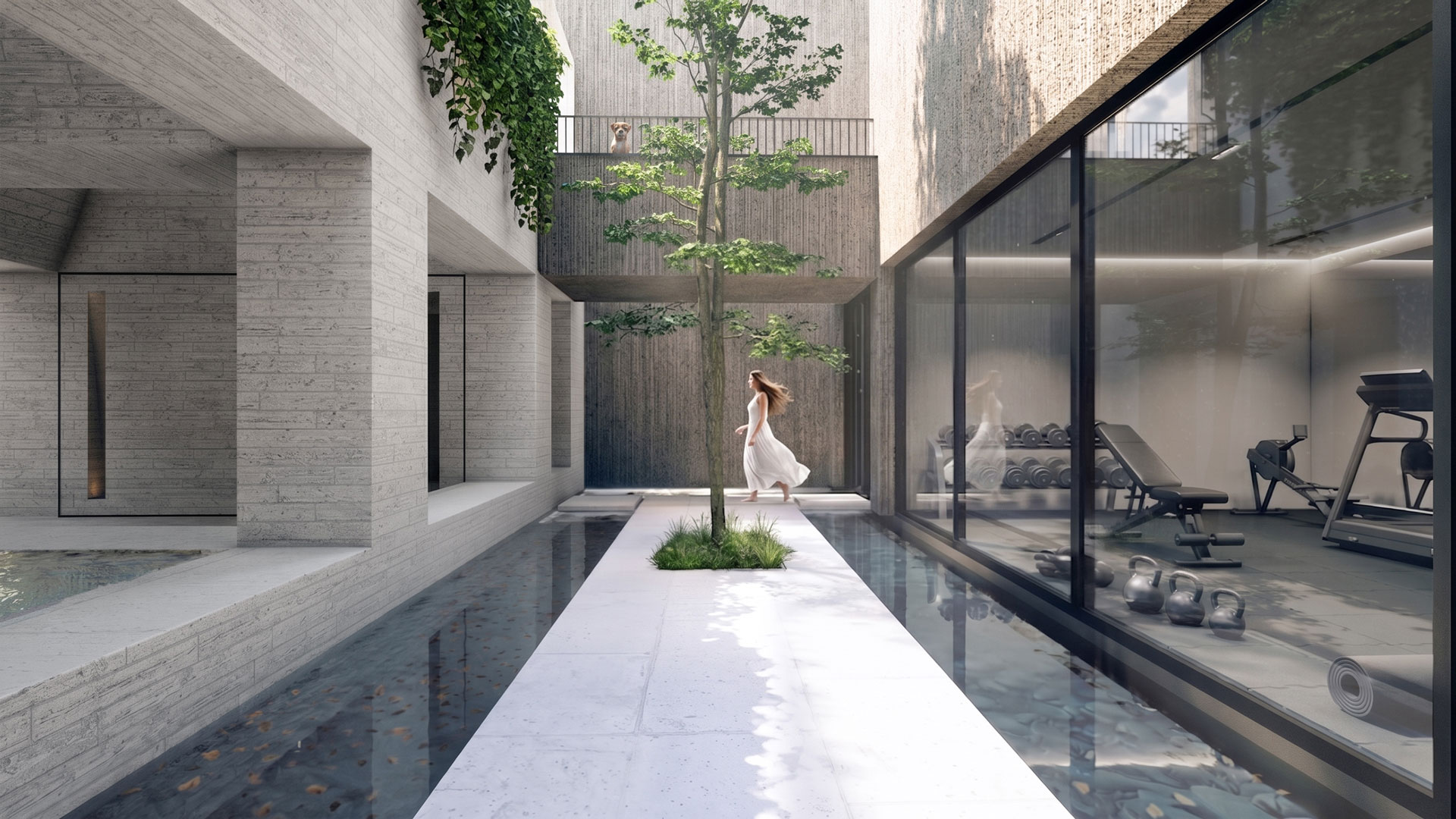
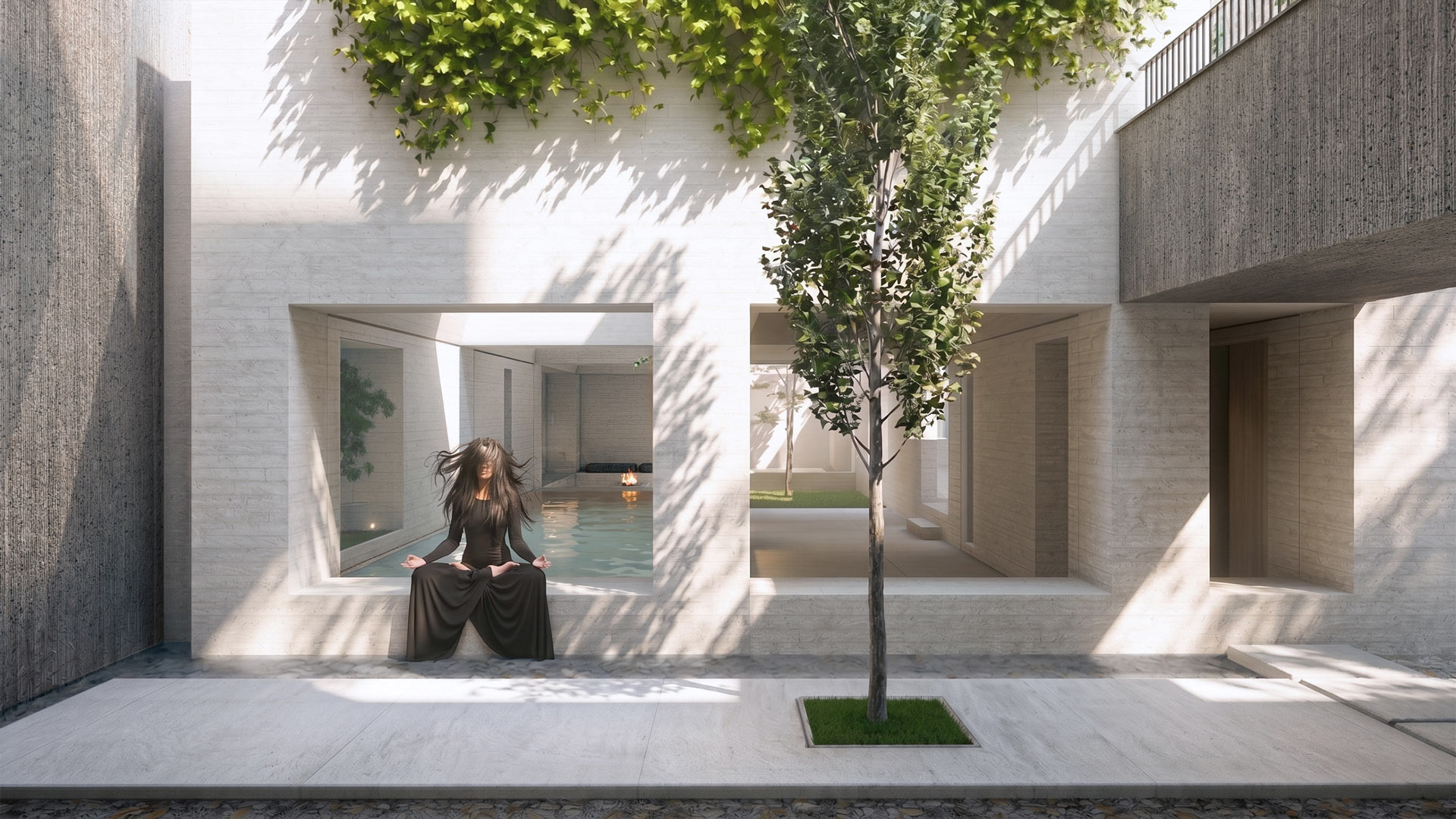
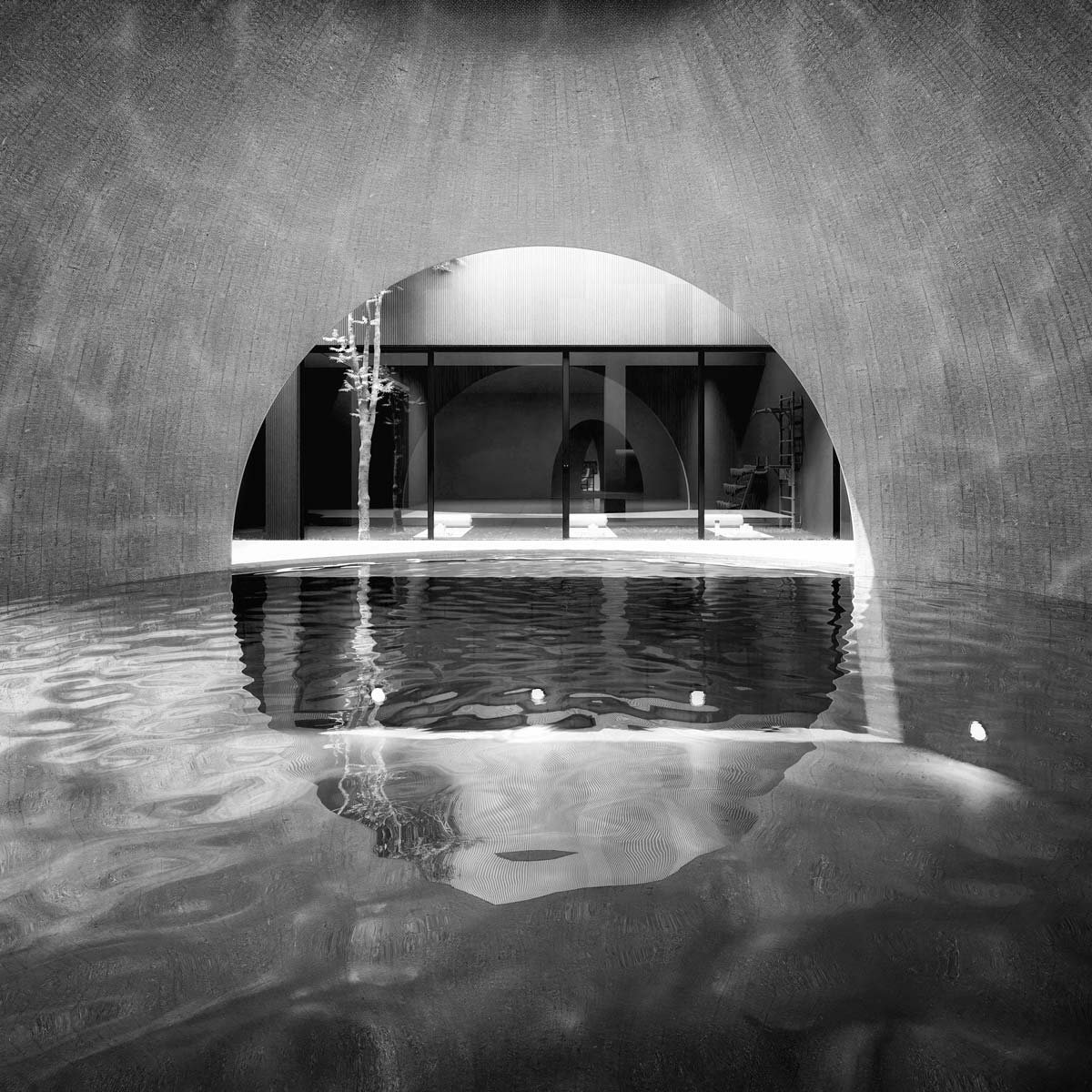
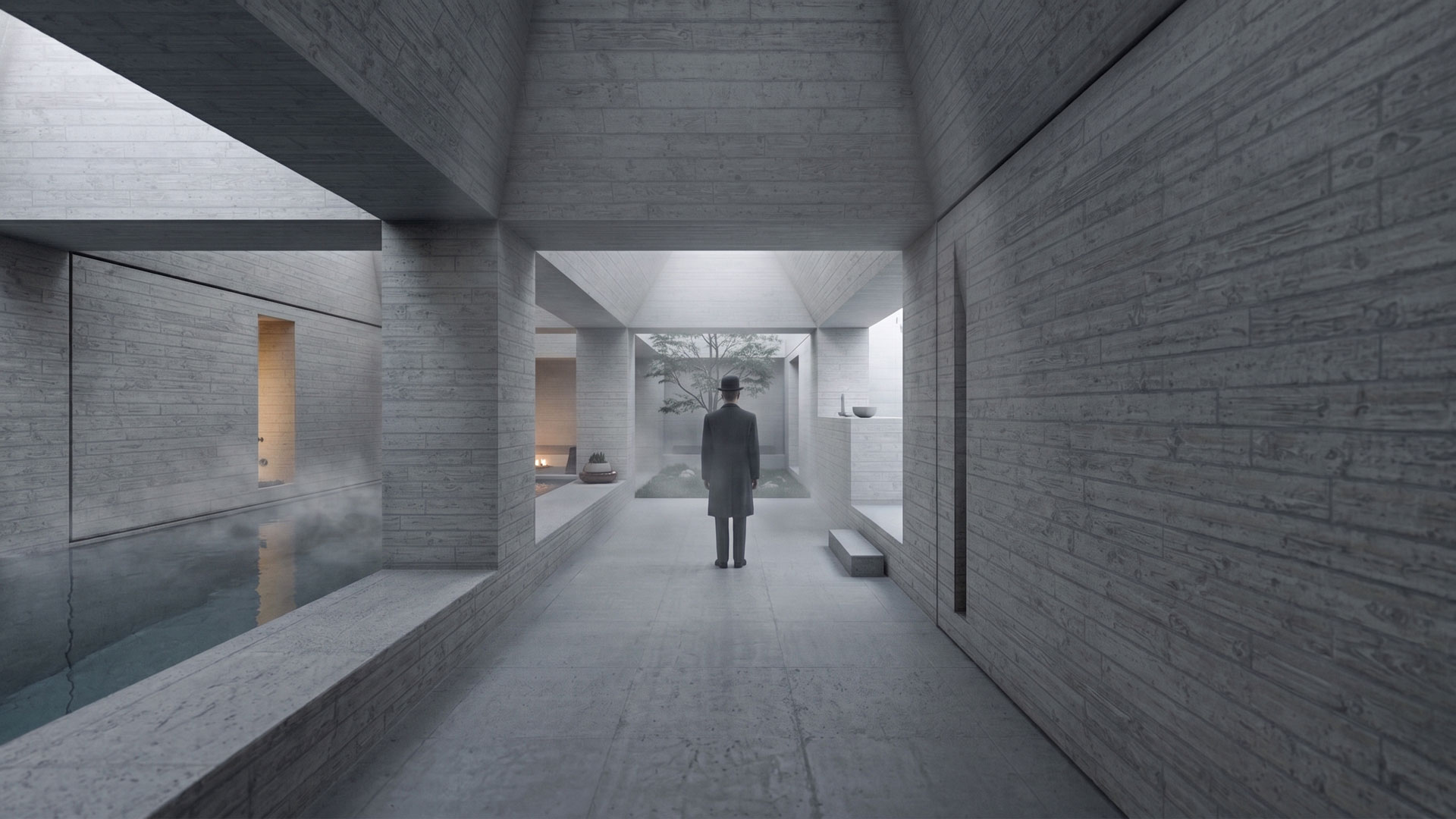
Organized according to a structural grid, the underground program comprised six primary zones. The swimming pool was positioned adjacent to the existing gym and sunken courtyard to reinforce functional and visual continuity, while kitchens, seating areas, fire pits, planted courtyards, and flexible gathering spaces supported a range of collective and individual activities.
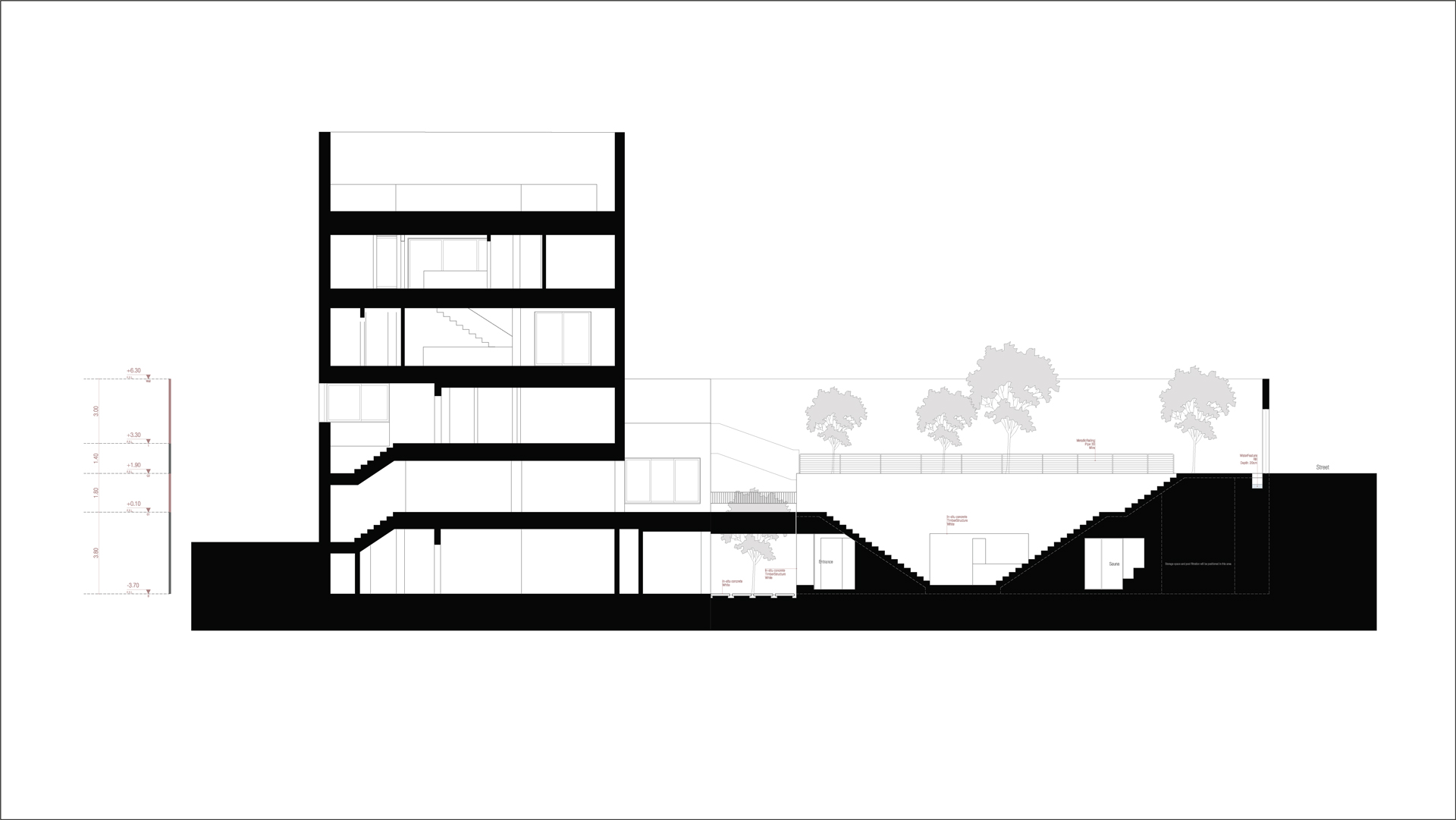
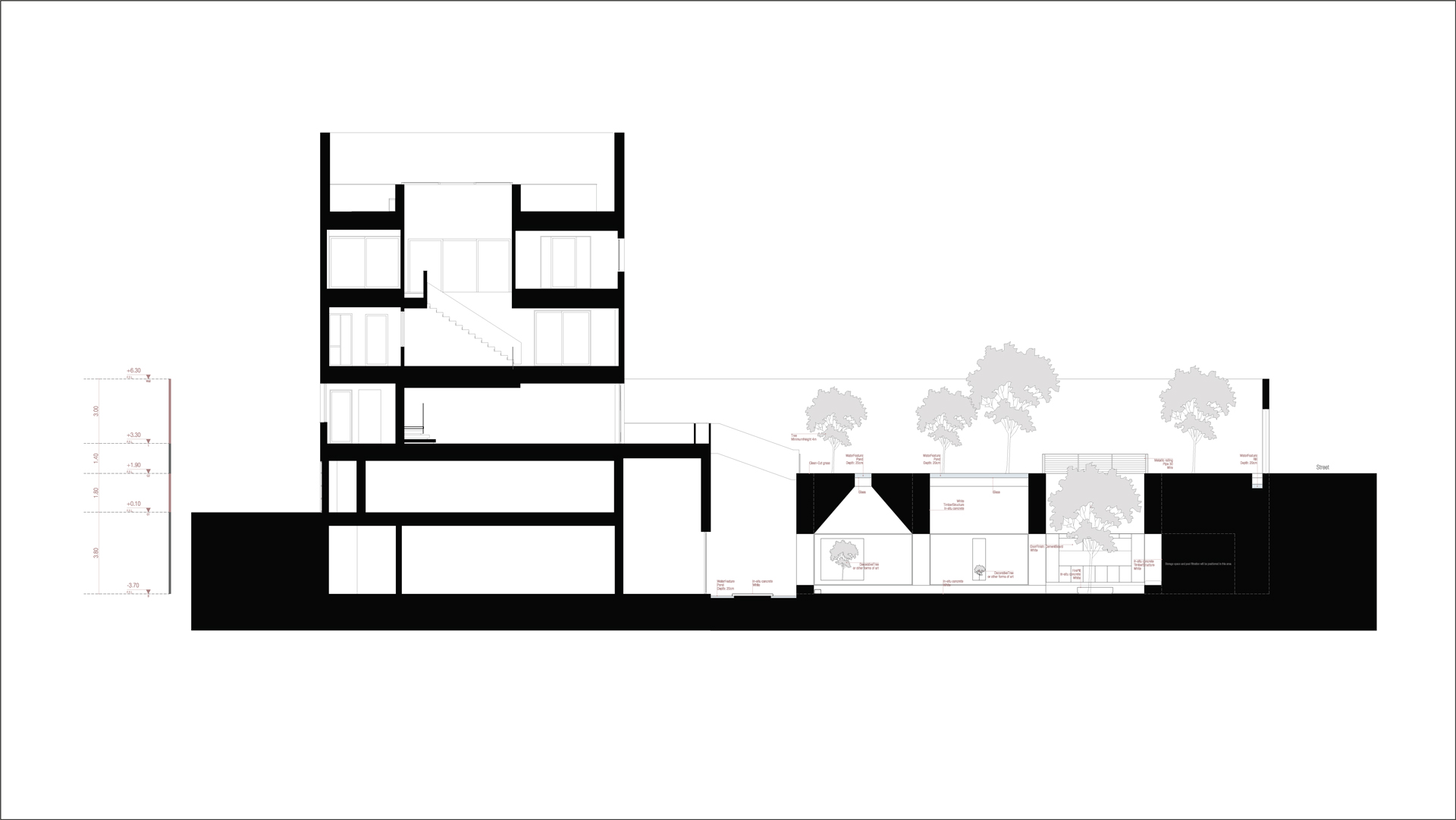
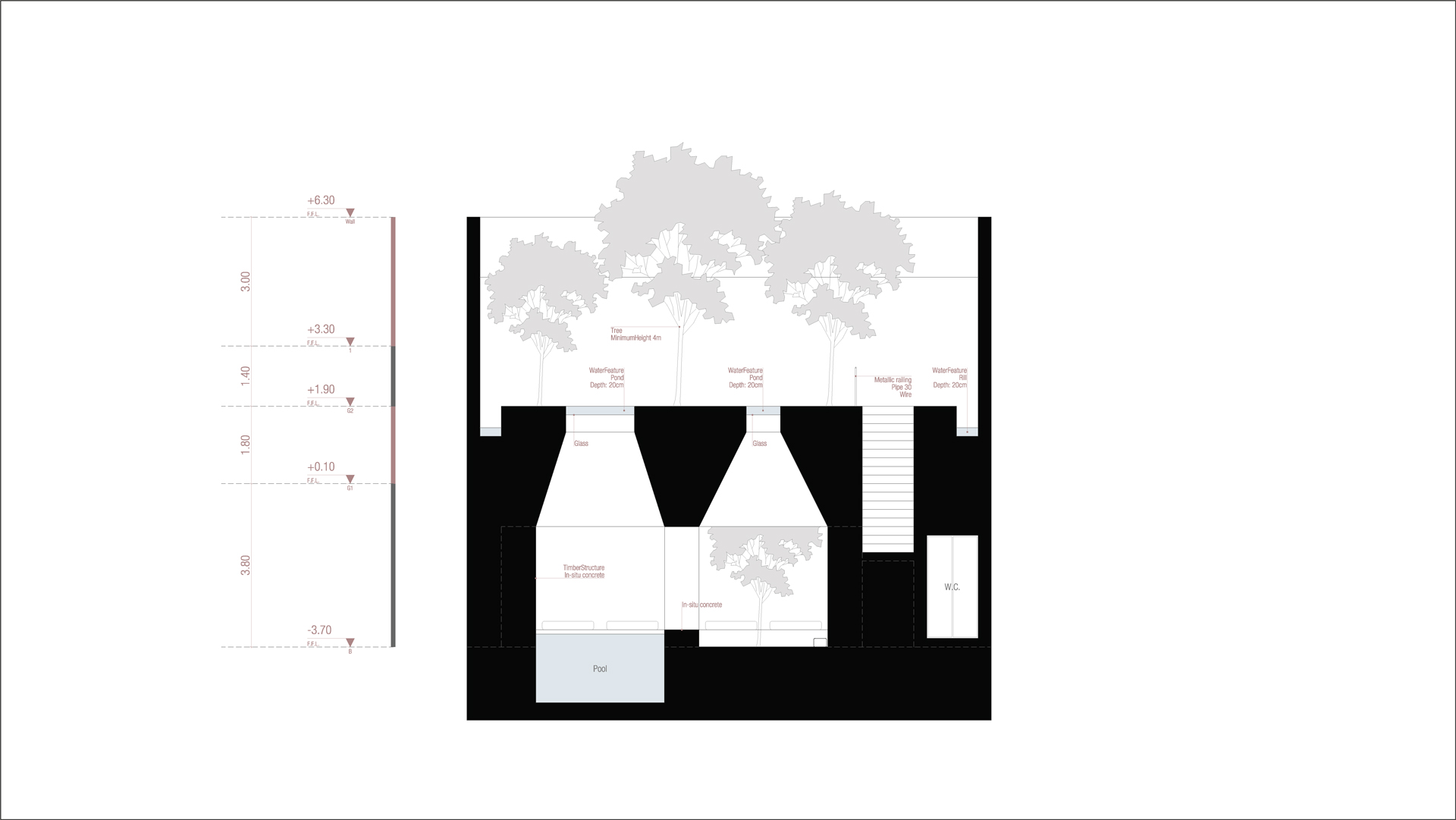
Organized according to a structural grid, the underground program comprised six primary zones. The swimming pool was positioned adjacent to the existing gym and sunken courtyard to reinforce functional and visual continuity, while kitchens, seating areas, fire pits, planted courtyards, and flexible gathering spaces supported a range of collective and individual activities.
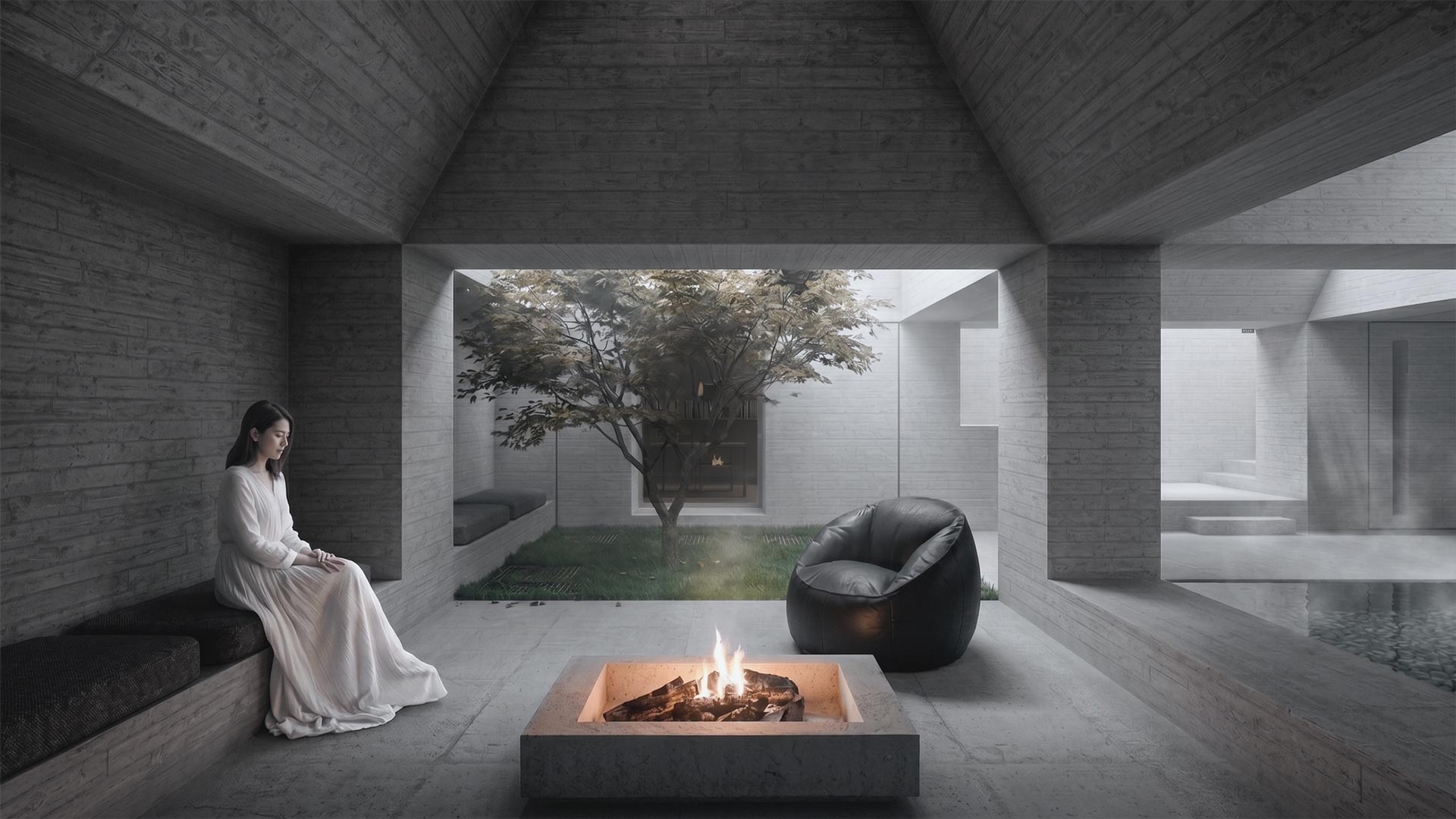
Conceived as a singular object inserted into the ground, the project adopted a coherent architectural language defined by clear geometries, structural legibility, fractured planes, and the restrained use of exposed concrete. A concrete beam-and-column system enabled the roof slab to support soil and vegetation, establishing a reciprocal relationship in which the garden concealed the architecture while the architecture sustained the garden. Roof openings introduced natural light, ventilation, and framed views of the sky, maintaining an ongoing dialogue between the subterranean spaces and the landscape above.
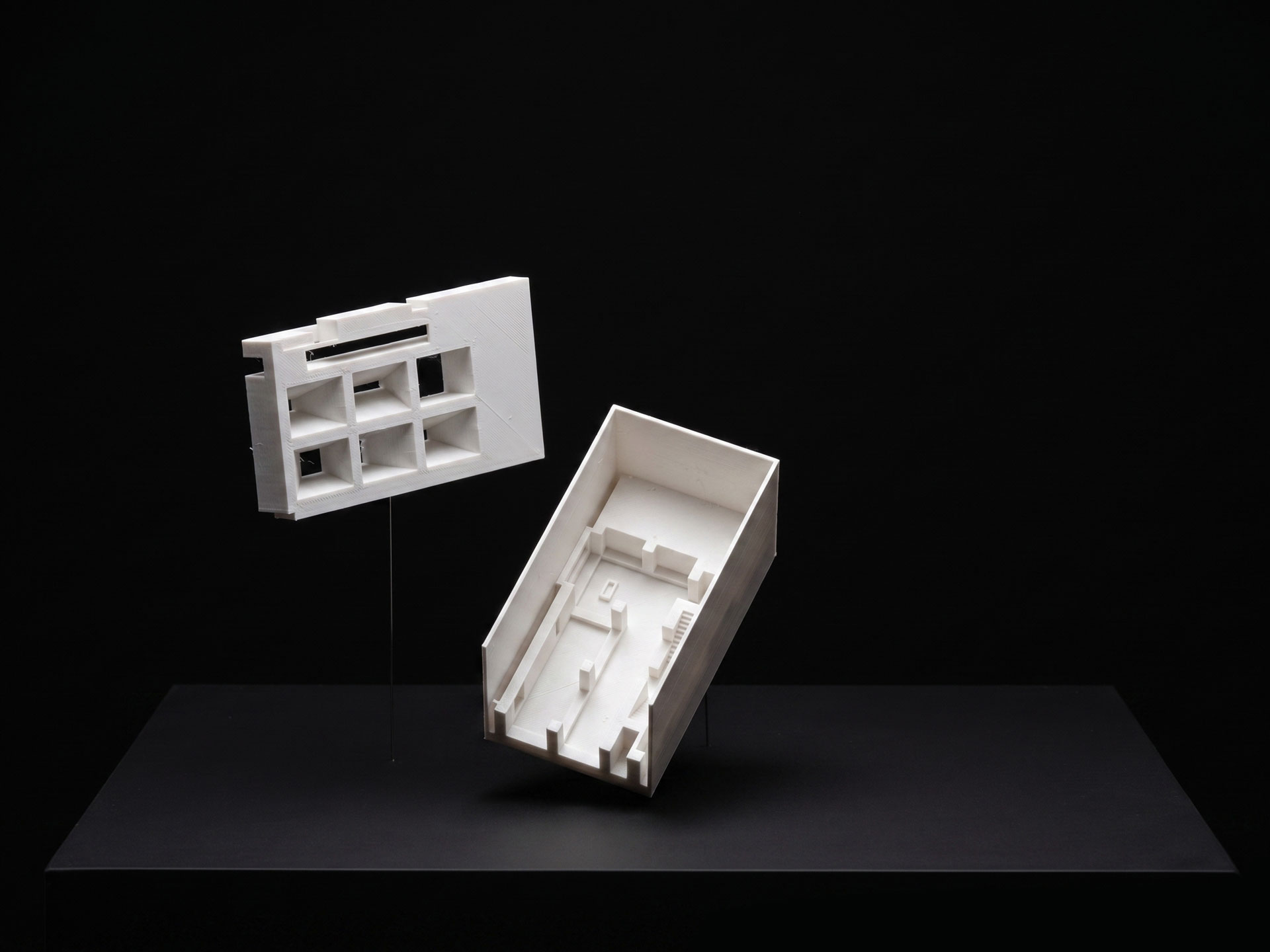
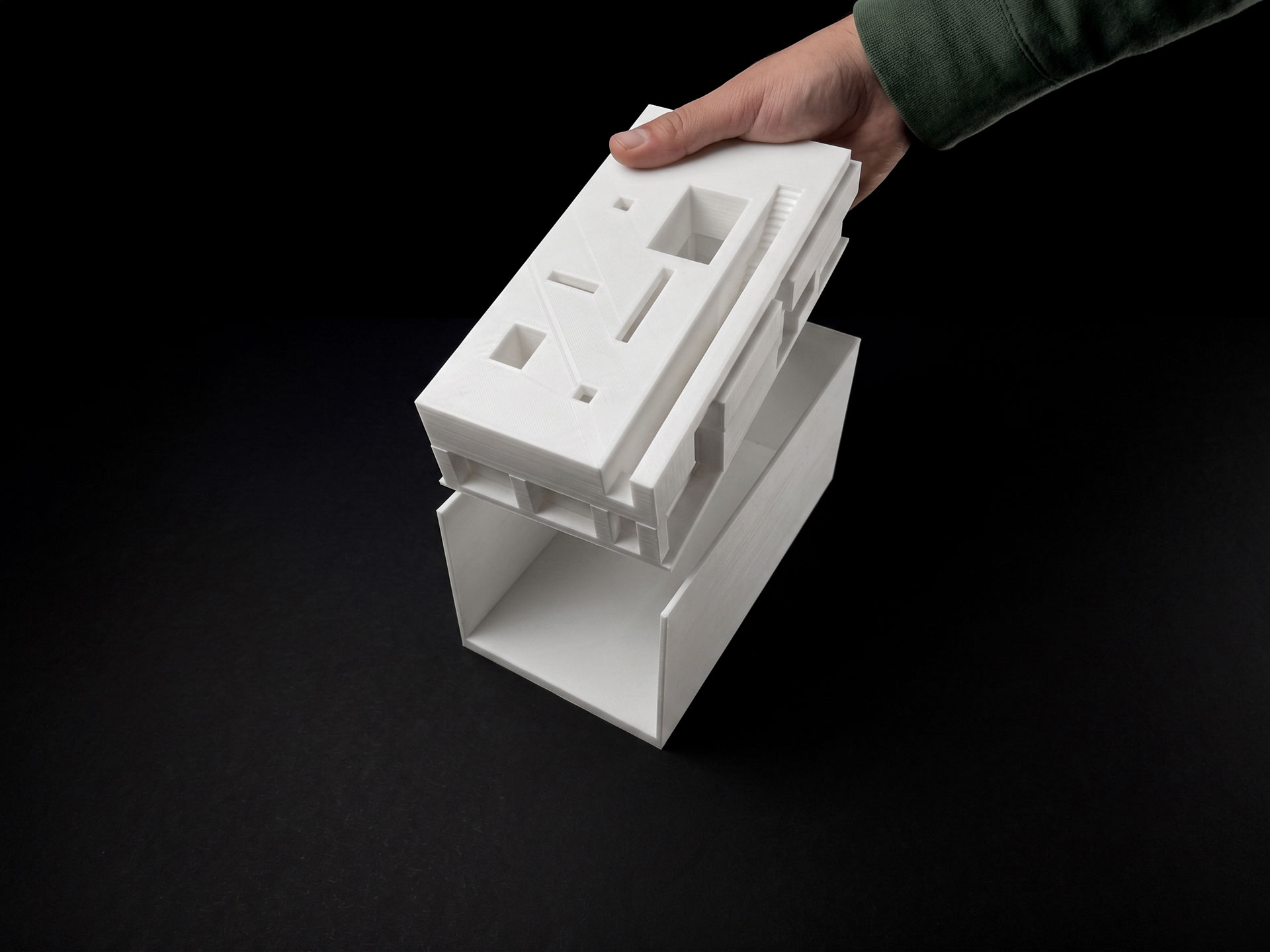
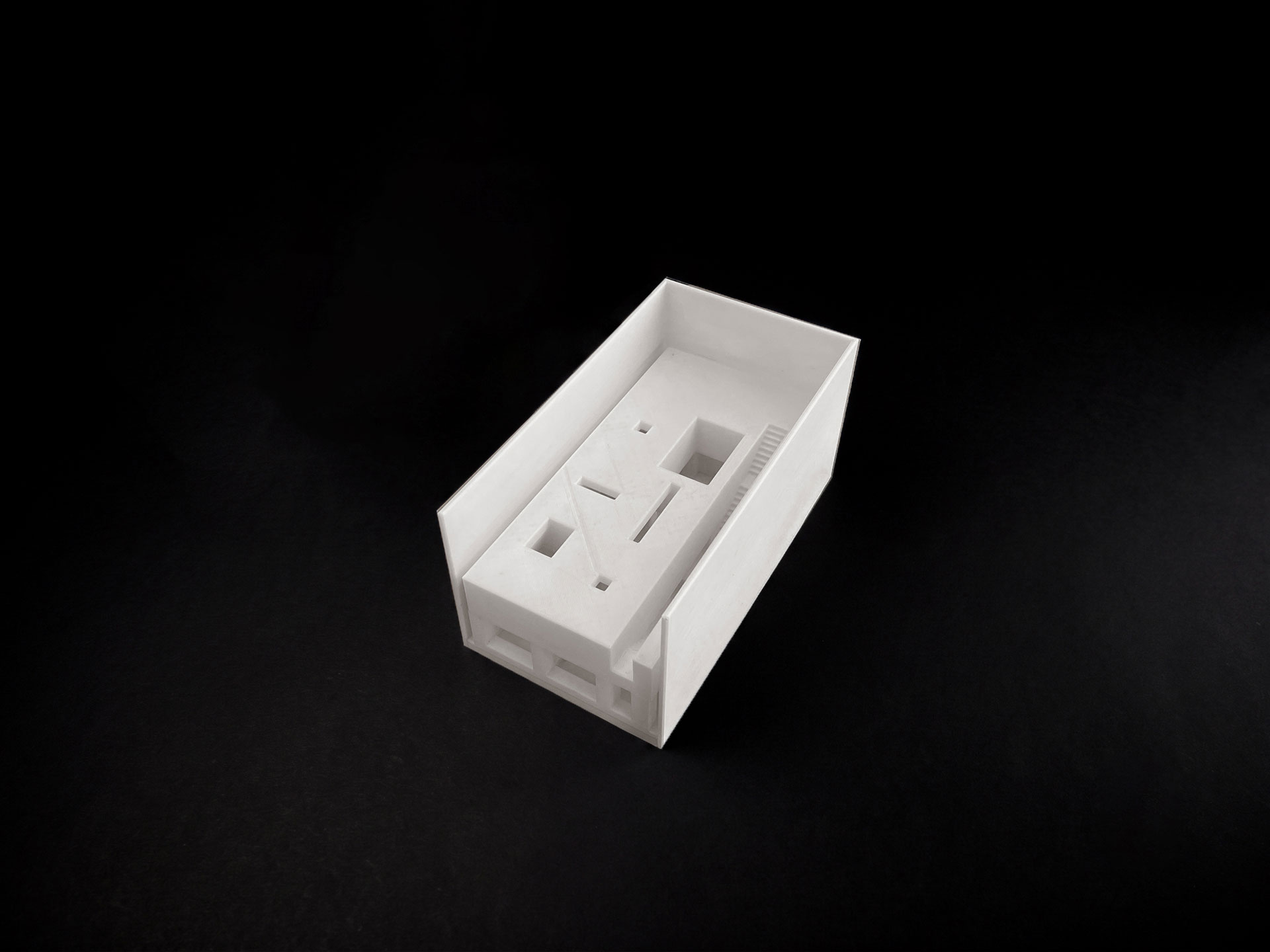

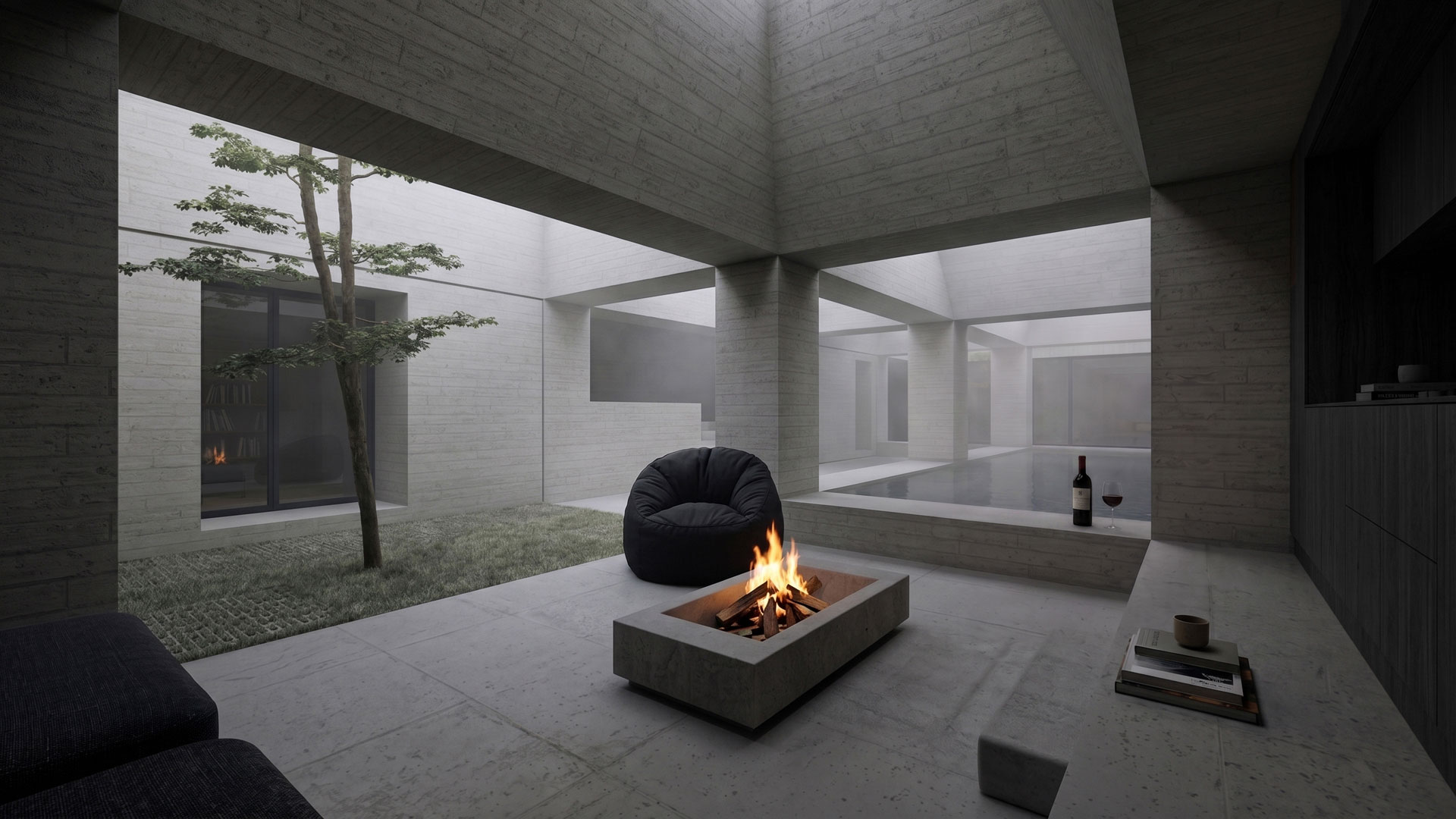
By preserving the continuity of the garden while integrating a diverse program within a compact architectural system, Nowbahar Garden II reconsiders the relationship between house, garden, and ground, generating multiple layers of inhabitation through the coexistence of landscape and architecture.
Related Projects
باغ نوبهار دو
باغ نوبهار، در امتداد خانه نوبهار و به عنوان بخشی از تجربه سکونت در آن شکل گرفت. در زمان تعریف پروژه، خانه نوبهار مراحل پایانی اجرا را طی میکرد و زمین جنوبی آن، به عنوان قطعهای میانبافتی، این امکان را فراهم میکرد تا کیفیتهای فضایی خانه به عرصهای باز و سبز گسترش پیدا کند. از همان ابتدا روشن بود که موضوع پروژه، صرفاً طراحی یک محوطه یا ساماندهی فضای باز نیست؛ بلکه خلق تجربهای مکمل برای زیستن در خانه است.
در گفتوگوهای اولیه با کارفرما، مفهوم باغ فراتر از مجموعهای از عناصر کالبدی تعریف شد. آنچه از باغ انتظار میرفت، کیفیتهایی چون سبزینگی، سایهساری، ارتباط با طبیعت و دید و منظر بود؛ کیفیتهایی که ریشه در تجربههای زیسته و خاطرات کودکی کارفرما داشتند. در کنار این خواستهها، نیازهایی مشخص نیز وجود داشت: ایجاد فضایی برای خلوت و دورهمی، پیشبینی استخر و فضاهای مرتبط با آن، و ارتقای کیفیت فضایی و منظر فضای ورزشی خانه که در زیرزمین قرار داشت و از طریق گودالباغچه با فضای باز ارتباط پیدا میکرد.
با وجود این، مسئله اصلی پروژه در چگونگی جمع میان این نیازها نهفته بود. از یک سو، حفظ حداکثری سطح باغ و یکپارچگی آن به عنوان بستری سبز و آرام اهمیت داشت و از سوی دیگر، برنامه فضایی متنوعی باید در پروژه جای میگرفت. همچنین اختلاف تراز میان گذر جنوبی و زیرزمین خانه، امکانات تازهای را برای بازاندیشی در رابطه میان زمین، معماری و تجربه فضایی فراهم میکرد.
ایده اصلی پروژه، بر مبنای تفکیک دو جهان مکمل شکل گرفت؛ جهانی که بر سطح زمین امتداد مییافت و جهانی که در زیر آن پنهان میشد. در این رویکرد، باغ به عنوان عرصه اصلی طبیعت و زیست روزمره تعریف شد؛ فضایی یکپارچه، آرام و سبز که در تراز گذر جنوبی قرار میگرفت و با طبقه همکف و طبقه اول خانه ارتباط برقرار میکرد. در مقابل، بخشی از برنامه پروژه به زیر سطح باغ منتقل شد؛ فضایی که نه به عنوان زیرزمین، بلکه به عنوان لایهای دیگر از تجربه فضایی شکل گرفت.
این تصمیم، امکان حفظ حداکثری سطح باغ را فراهم میکرد. به جای آنکه عملکردهای متنوع پروژه به شکل پراکنده در سطح زمین توزیع شوند و انسجام باغ را از میان ببرند، باغ به صورت بستری پیوسته و ممتد باقی ماند. در عین حال، جهان زیرین پروژه به عرصهای برای تجربهای متفاوت تبدیل شد؛ تجربهای که از طریق کشف تدریجی و حرکت در فضا شکل میگرفت.
دسترسی به این بخش از طریق راهپلهای در ضلع شرقی باغ صورت میگرفت. حرکتی که از میان سبزینگی باغ آغاز میشد و به تدریج به فضای زیرین راه پیدا میکرد. این تغییر تراز، نه صرفاً جابهجایی فیزیکی، بلکه تغییری در کیفیت ادراک فضا بود؛ گذار از فضای باز و روشن باغ به فضایی درونگرا، آرام و متمرکز.
سازماندهی فضای زیرین بر پایه یک سیستم گرید شکل گرفت. این ساختار، فضا را به شش بخش اصلی تقسیم میکرد که هر یک متناسب با برنامه مورد نیاز تعریف شده بودند. در امتداد فضای ورزشی خانه و گودالباغچه، استخر قرار گرفت تا ارتباط بصری و عملکردی میان این بخشها تقویت شود و کیفیت منظر فضای ورزشی ارتقا پیدا کند. در امتداد آن، فضایی شامل کیچنت، محل نشستن و فایرپیت شکل گرفت که امکان گردهمایی، استراحت و استفاده جمعی را فراهم میکرد. سه بخش دیگر نیز به فضاهای باز پیرامون استخر، باغچهها و عرصههای آزاد اختصاص یافتند تا تنوع فضایی و امکان استفادههای متفاوت در مجموعه ایجاد شود.
مجموعه باغ و فضای زیرین را میتوان بهمثابه یک آبجکت واحد در نظر گرفت؛ حجمی مستقل که در بخشی از زمین اینسرت شده و در عین حال با بستر طبیعی پیرامون خود وارد تعامل میشود. این انگاره، نهتنها سازمان فضایی پروژه، بلکه زبان معماری آن را نیز شکل داد. هندسههای صریح و شکسته، خوانایی ساختار، استفاده از بتن بهعنوان مصالح غالب و پرهیز از عناصر زائد، همگی در راستای تقویت شخصیت یکپارچه این آبجکت به کار گرفته شدند. در نتیجه، پروژه نه بهصورت مجموعهای از فضاهای منفرد، بلکه بهعنوان کلیتی منسجم قابل درک است که منطق فرمی، سازهای و فضایی مشترکی بر آن حاکم است.
منطق سازهای پروژه نیز در امتداد همین ایده شکل گرفت. استفاده از سیستم تیر و ستون بتنی این امکان را فراهم کرد که سقف مجموعه به بستری برای شکلگیری باغ تبدیل شود. به این ترتیب، معماری نه به عنوان حجمی مستقل در دل باغ، بلکه به عنوان ساختاری پنهان در زیر آن عمل میکرد. باغ، بر روی معماری امتداد مییافت و معماری، امکان تحقق باغ را فراهم میساخت.
زبان معماری پروژه، در هماهنگی با خانه نوبهار، بر پایه سادگی، صراحت و پرهیز از عناصر زائد شکل گرفت. مصالح بتنی، هندسههای شکسته و جزئیات مینیمال، شخصیت فضایی مجموعه را تعریف میکردند. در عین حال، هر یک از شش بخش اصلی پروژه، از طریق بازشویی مستقل در سقف با باغ ارتباط پیدا میکرد. این بازشوها، نور طبیعی را به فضای زیرین هدایت میکردند و ارتباطی دائمی میان دو جهان بالا و پایین ایجاد میکردند.
نور در این پروژه صرفاً عنصری عملکردی نبود، بلکه به بخشی از تجربه فضا تبدیل میشد. تغییرات شدت نور، حضور آسمان در قابهای محدود سقفی و امکان مشاهده حرکت نور در طول روز، کیفیتی متغیر و زنده به فضای زیرین میبخشید. به همین ترتیب، باغ نیز تنها سطحی سبز نبود؛ بلکه بستری بود که نور، هوا، گیاه و حضور انسان را به لایههای زیرین منتقل میکرد.
در نهایت، باغ نوبهار تلاشی بود برای بازتعریف رابطه میان خانه، باغ و زیرزمین. پروژه میکوشید بدون قربانی کردن کیفیت باغ، مجموعهای از نیازهای عملکردی را در خود جای دهد و در عین حال، تجربهای فراتر از استفاده روزمره فراهم آورد. تجربهای مبتنی بر کشف، تغییر و حرکت؛ جایی که زندگی روزمره خانه در سطح باغ جریان دارد و در زیر آن، فضایی برای خلوت، تأمل، استراحت و گردهمایی شکل میگیرد.
بدین ترتیب، پروژه نه به عنوان طراحی یک محوطه و نه صرفاً به عنوان توسعهای برای خانه نوبهار، بلکه به عنوان خلق لایهای تازه از زیستن قابل فهم است؛ لایهای که طبیعت و معماری، آشکار و پنهان، روزمرگی و گسست از آن را در قالب تجربهای واحد در کنار یکدیگر قرار میدهد.