NOBAHAR GARDEN I
Location: Iran | Kermanshah| Nobahar St.
Function: Residential | Wellness
Type: Garden Extension
Area: 288m2
Year: 2024
Status: Designed
Architect: PRAGMATICA DESIGN STUDIO | Mohammadreza Mohebali
Design Team: Siavash Dastgerdi, Ahmadreza Rahimov
Presentation Team: Hossein Khorassani, Parsa Batebi,Parisa Rasaie, Kiana Kasaie, Yazdan Tavakoli
NOBAHAR GARDEN II
Location: Iran | Kermanshah| Nobahar St.
Function: Residential | Wellness
Type: Garden Extension
Area: 288m2
Year: 2024
Status: Designed
Architect: PRAGMATICA DESIGN STUDIO | Mohammadreza Mohebali
Design Team: Siavash Dastgerdi, Ahmadreza Rahimov
Presentation Team: Hossein Khorasani, Parsa Batebi,Parisa Rasaie, Kiana Kasaie, Yazdan Tavakoli
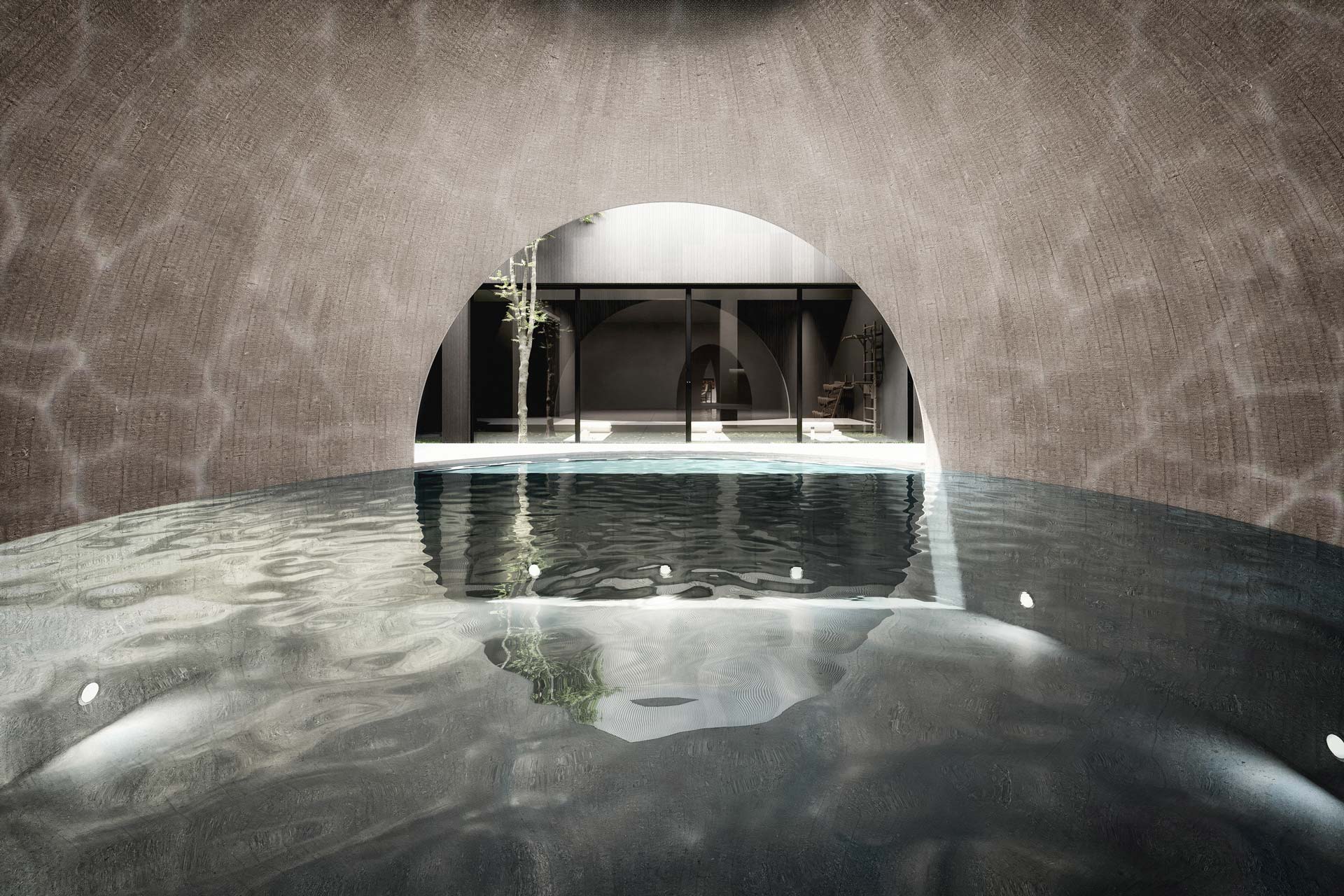
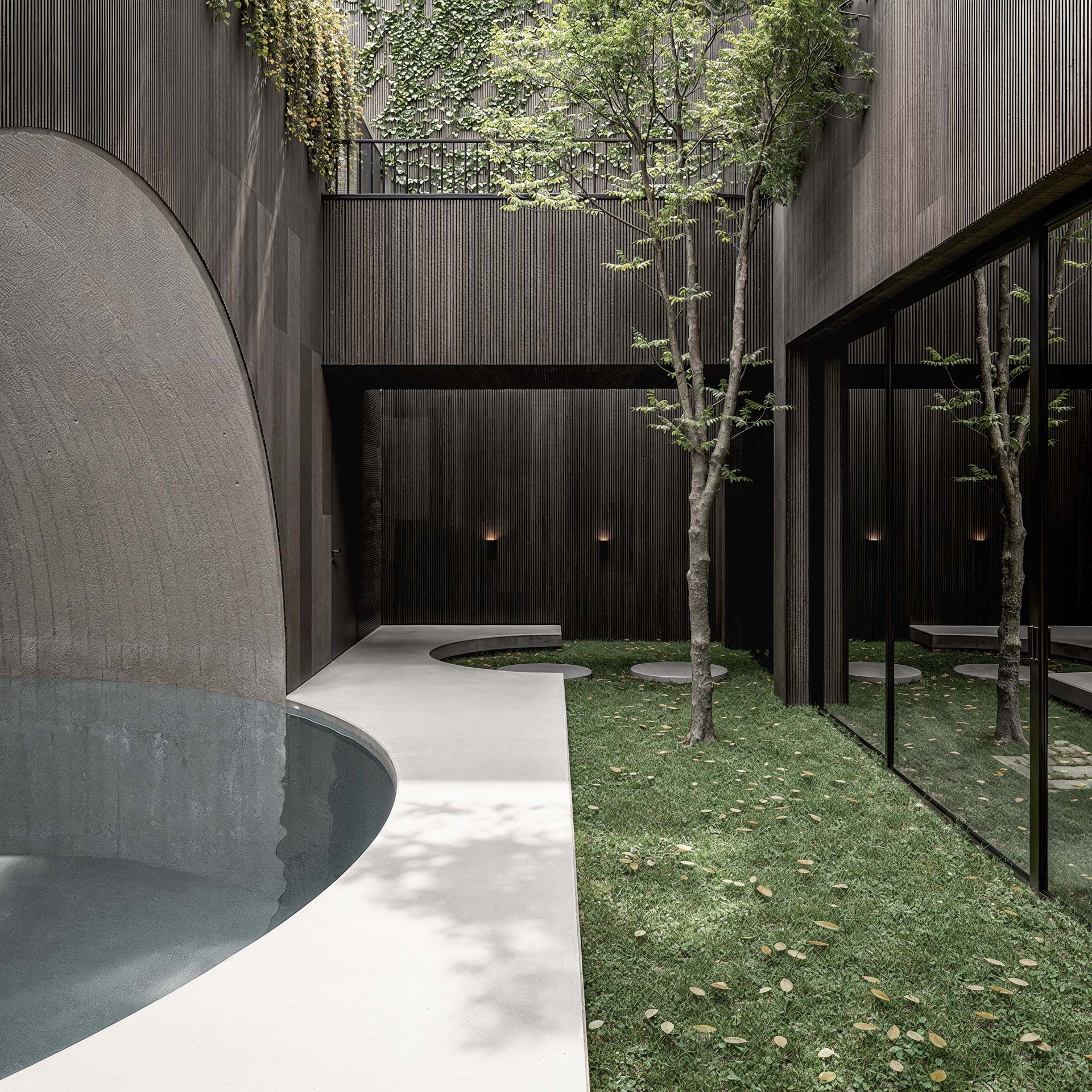
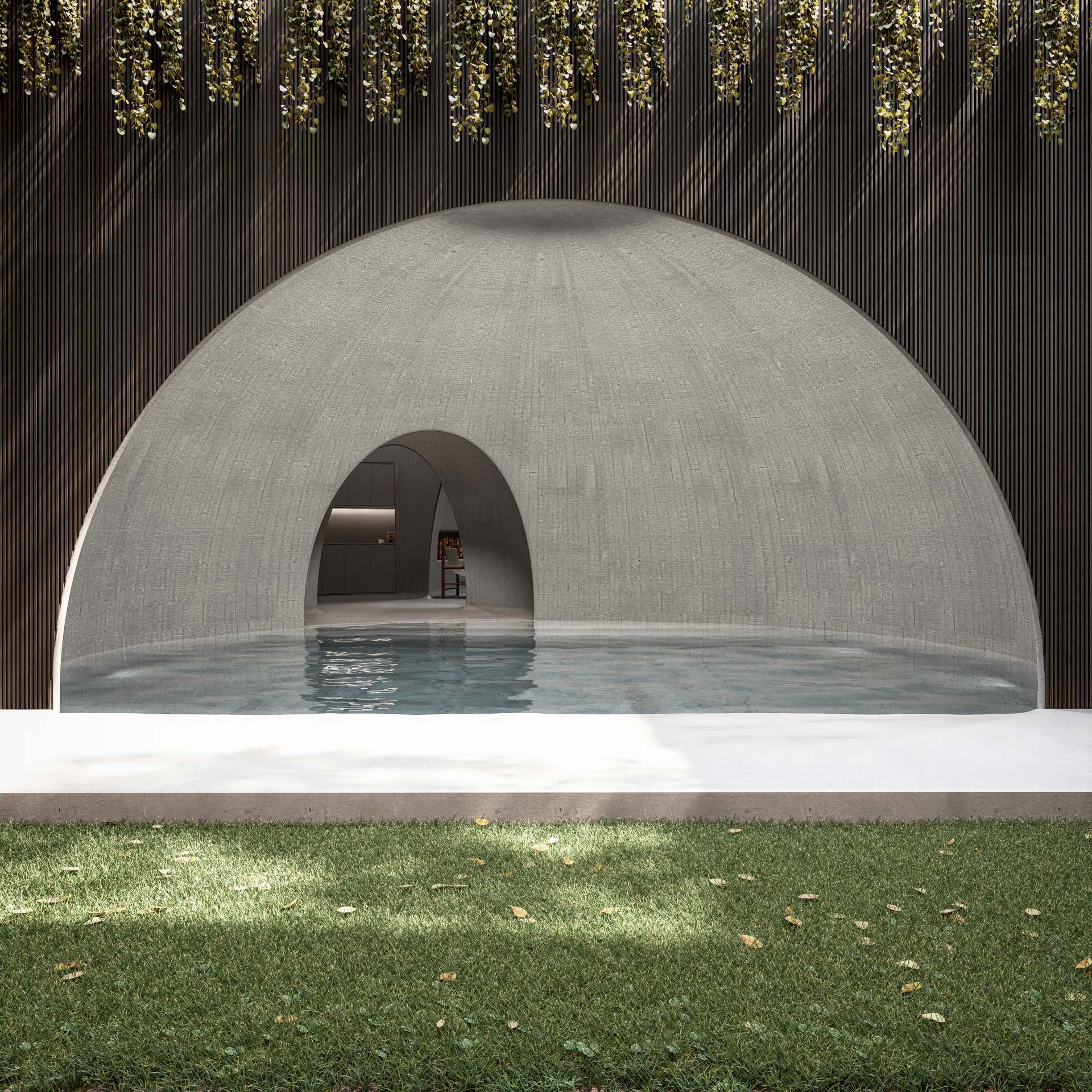
Nobahar Garden explores the idea of buried architecture by transforming a residential landscape into an immersive underground world where nature, narrative, and everyday life intersect.
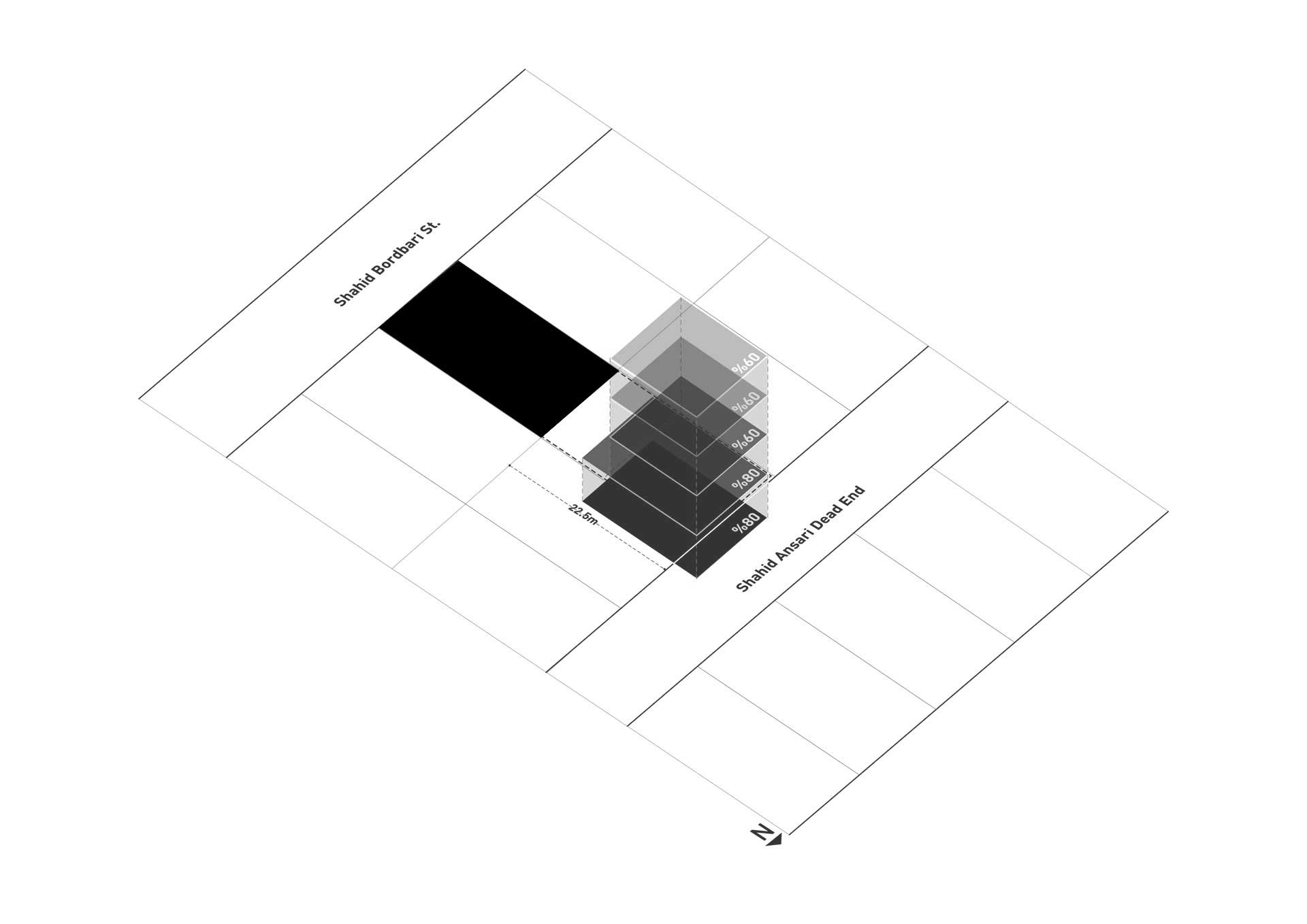
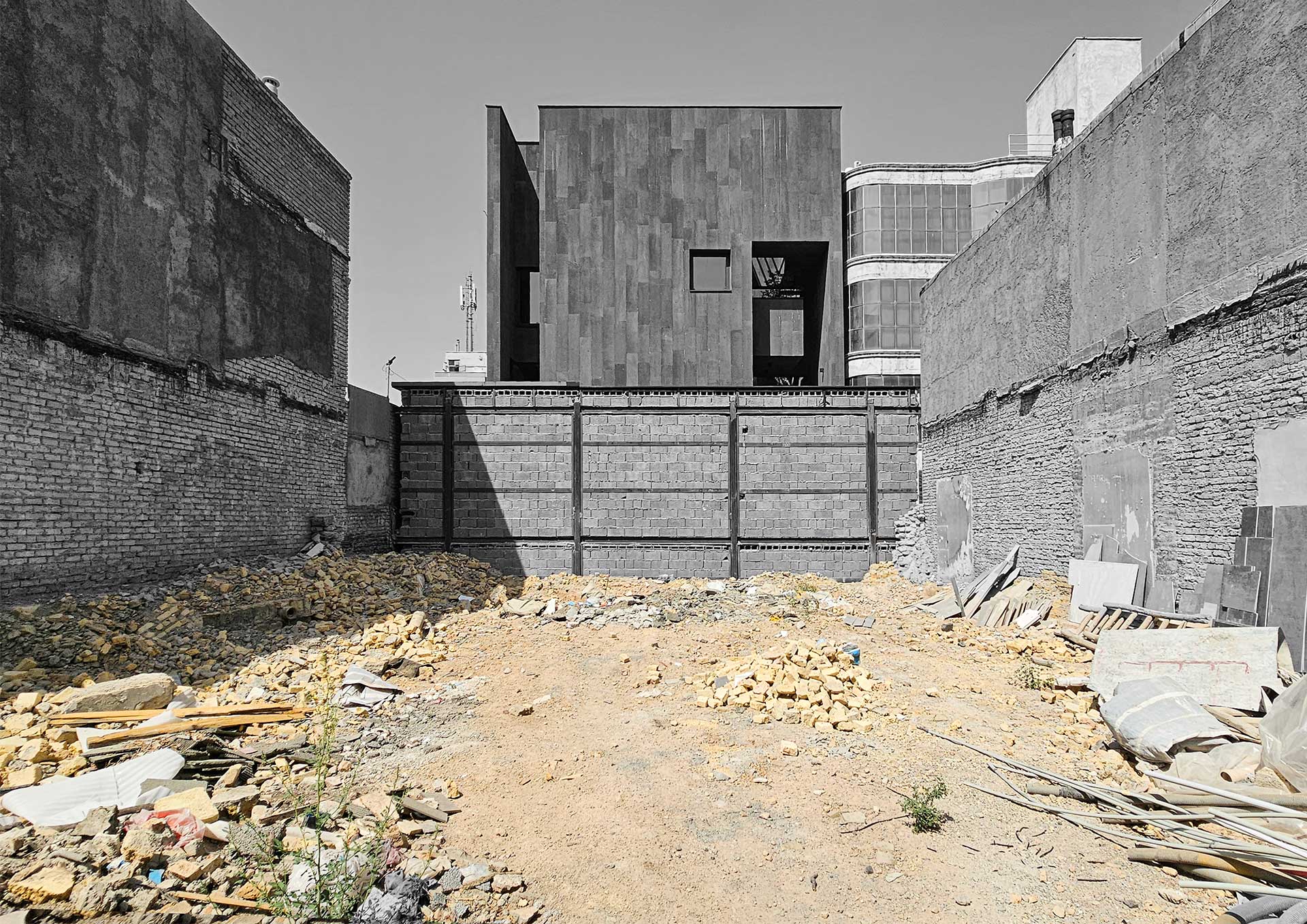
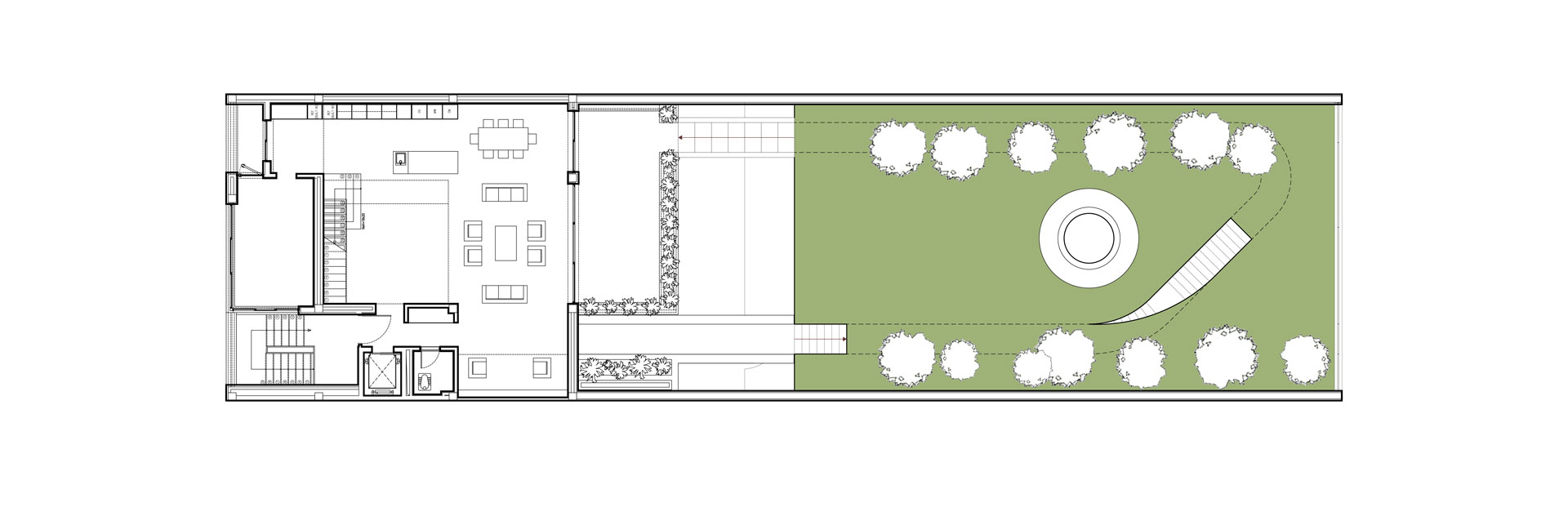
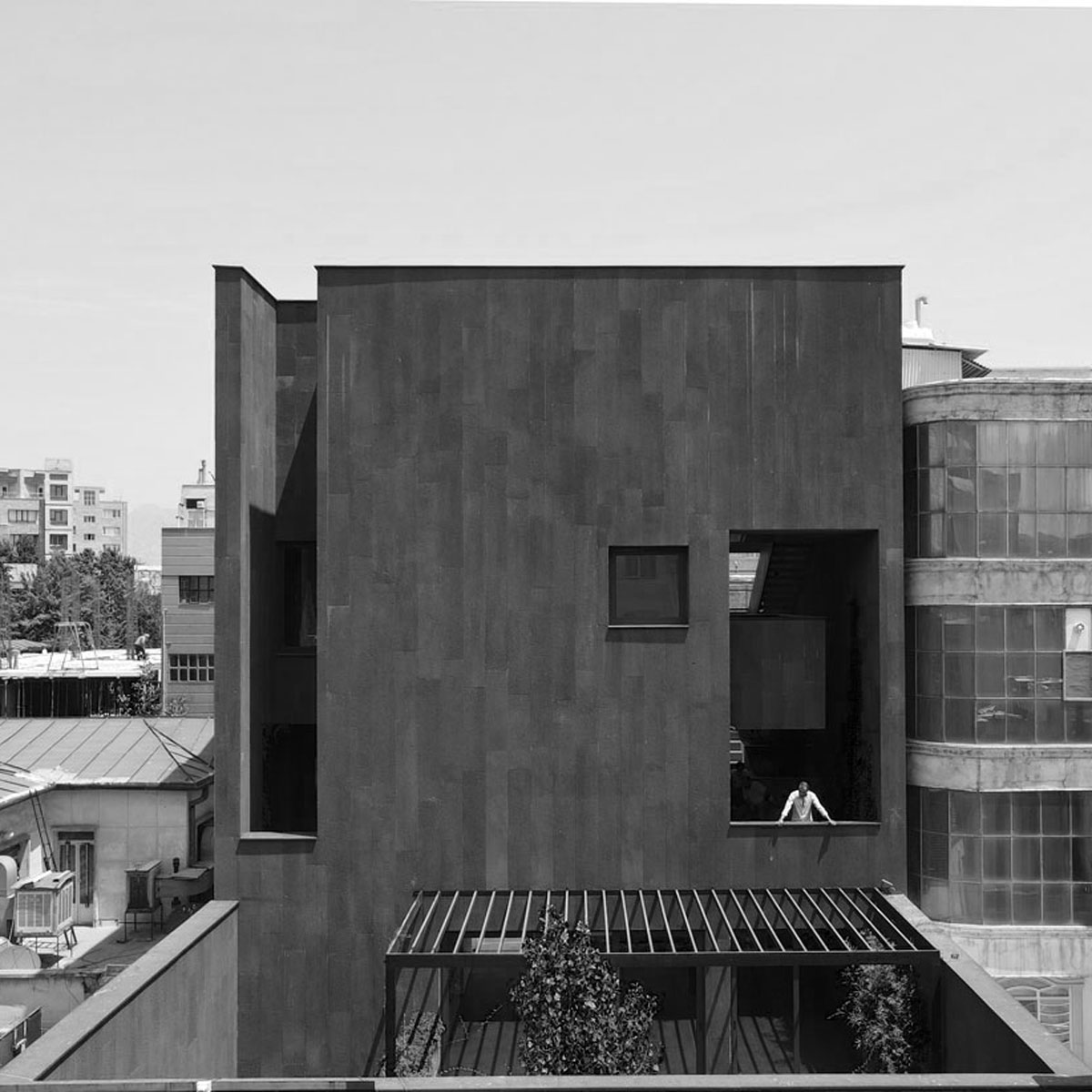
Nobahar Garden was conceived in 2023 as an extension of Nobahar House, a residential project designed in 2019 in Kermanshah, Iran. Located on an infill plot directly south of the residence, the site was integrated into the domestic realm of the house as construction neared completion. Rather than functioning as an independent landscape, the project was understood as an opportunity to extend the spatial qualities of the house into an open environment, enriching the experience of dwelling.
From the outset, the concept of the garden was extensively discussed with the client, leading to a shared vision shaped by greenery, shade, engagement with nature, and framed views, many rooted in personal memories. Gradually, it became clear that the project sought to go beyond a conventional garden, aiming instead to create a layered environment for retreat, contemplation, and temporary disengagement from everyday life—an alternative spatial realm in close proximity to the domestic setting.
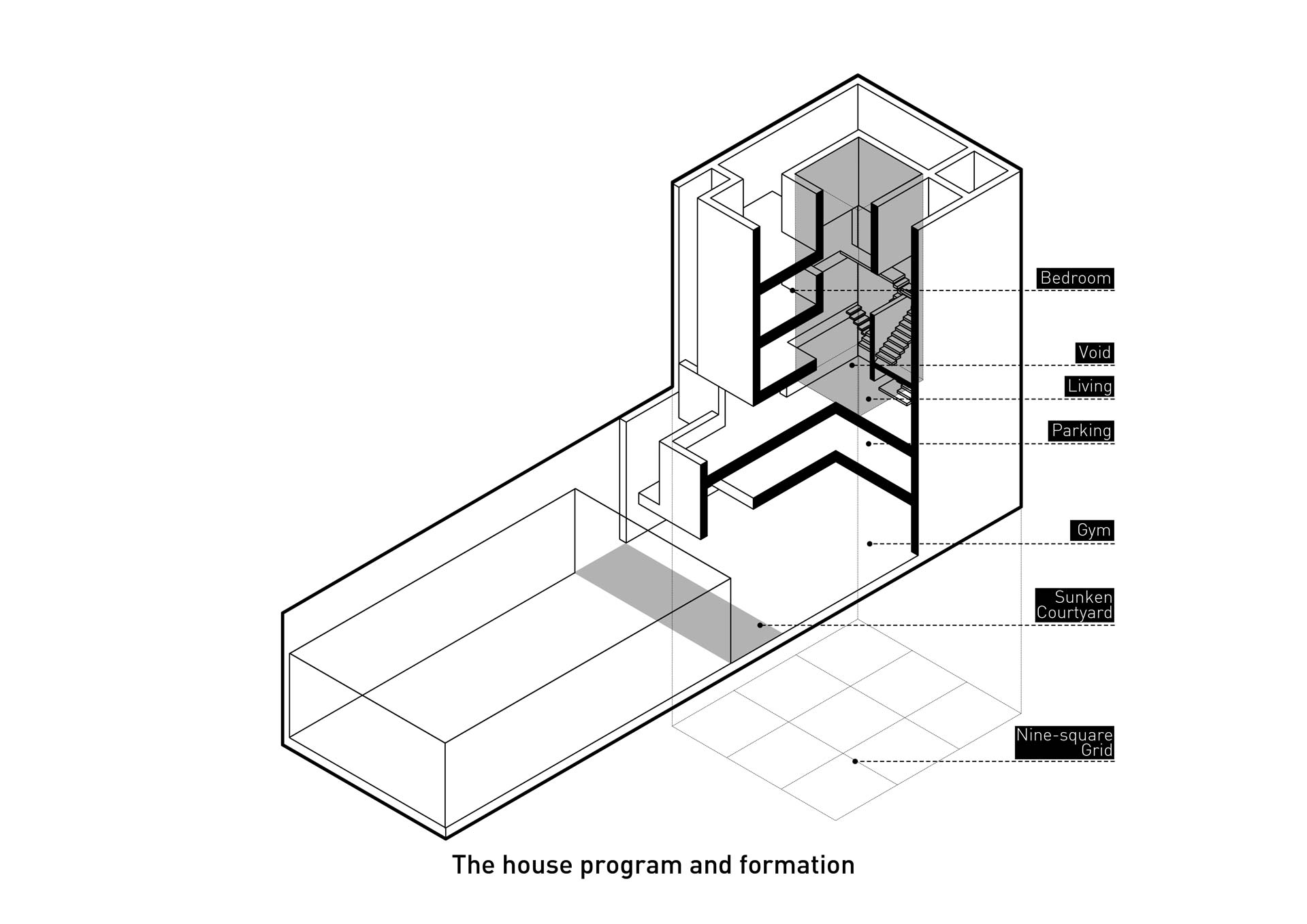
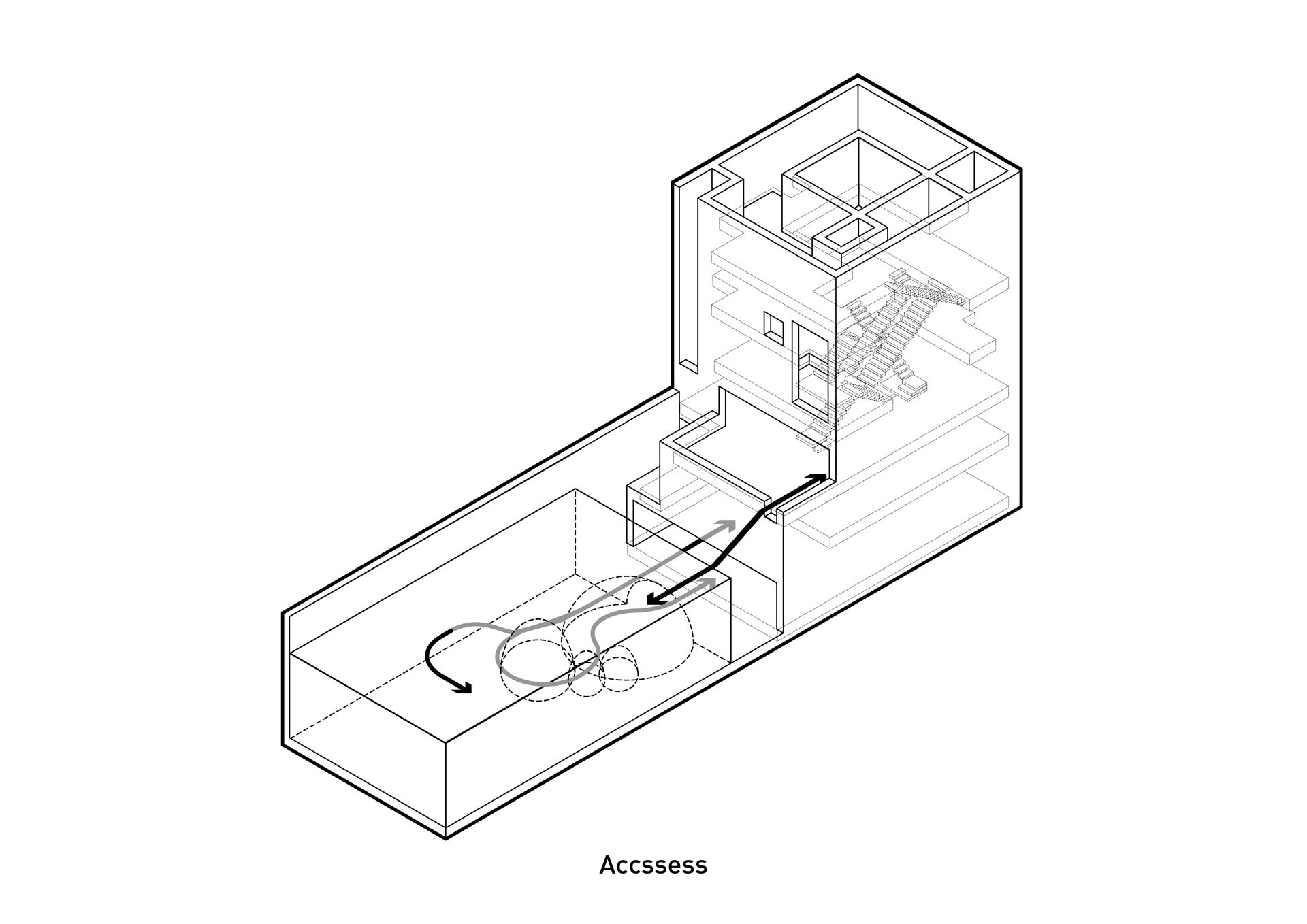
Alongside these conceptual aspirations, the project was shaped by several functional requirements, including a swimming pool, spaces for both collective and individual use, and the enhancement of the house’s underground gym. Although the gym already benefited from natural light and ventilation through a sunken courtyard, strengthening its visual and spatial relationship with the garden remained a key objective. Establishing continuity between the principal living spaces, the basement, and the garden while preserving the maximum possible green surface became central to the design process.
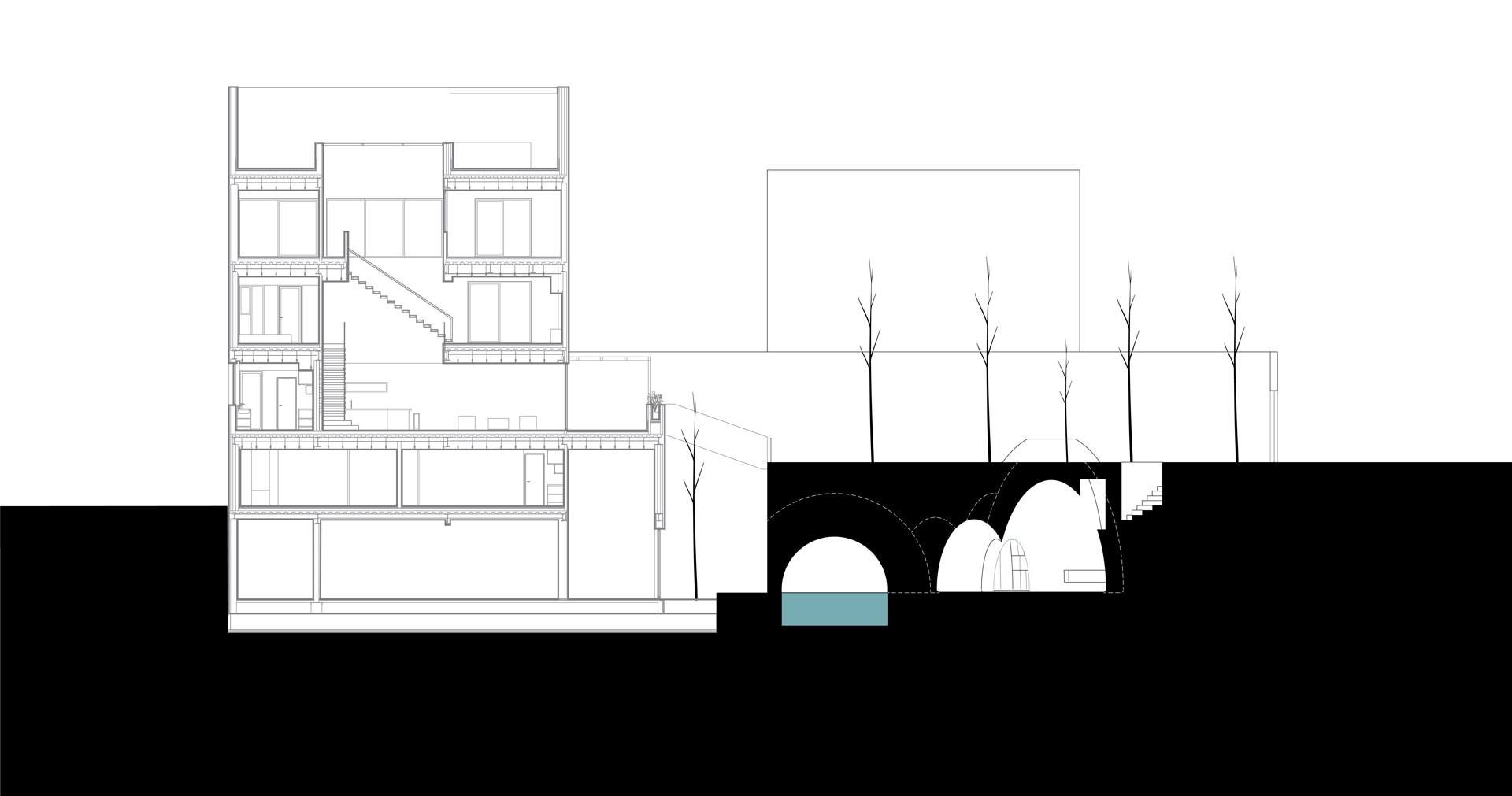
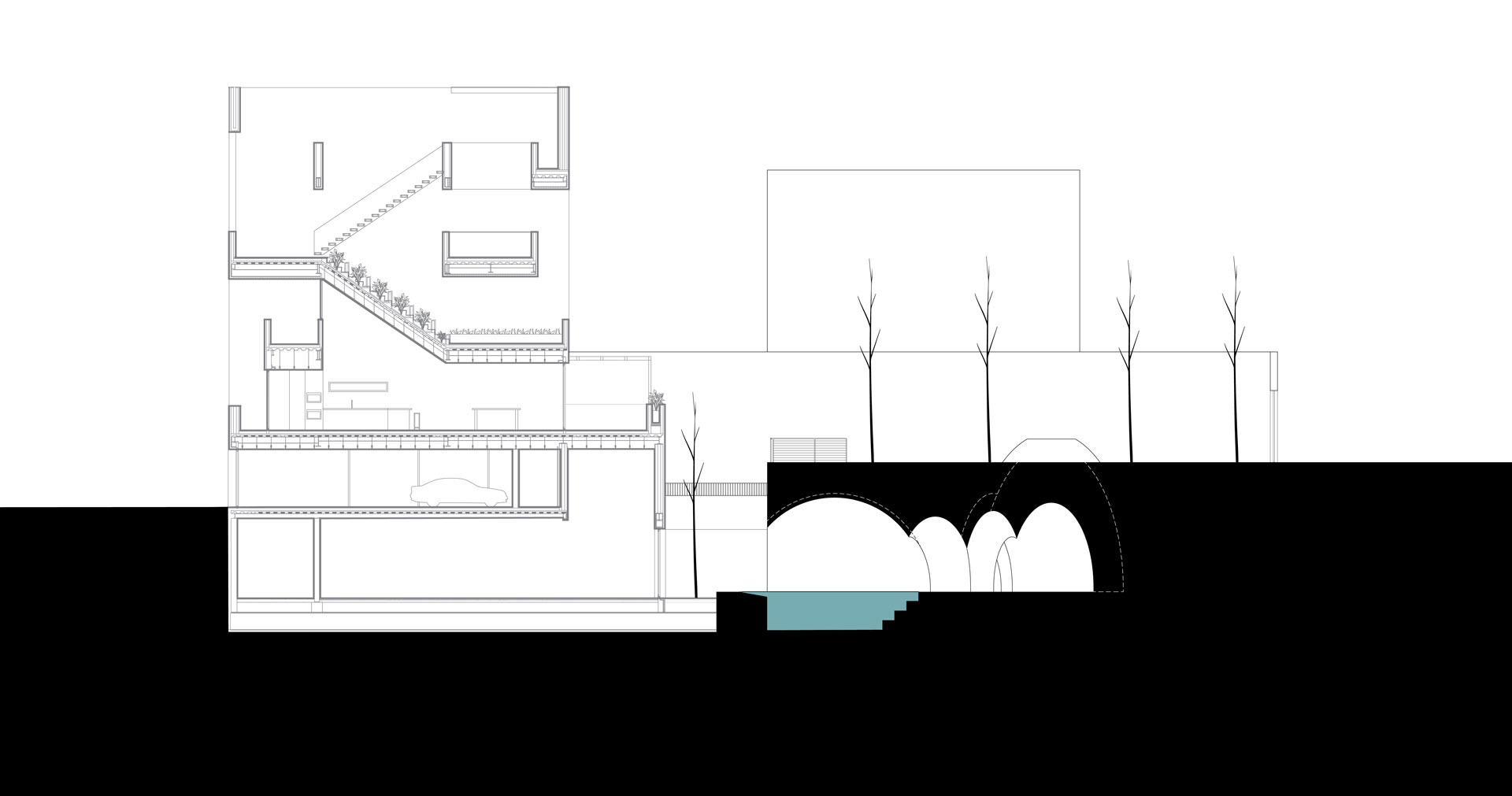
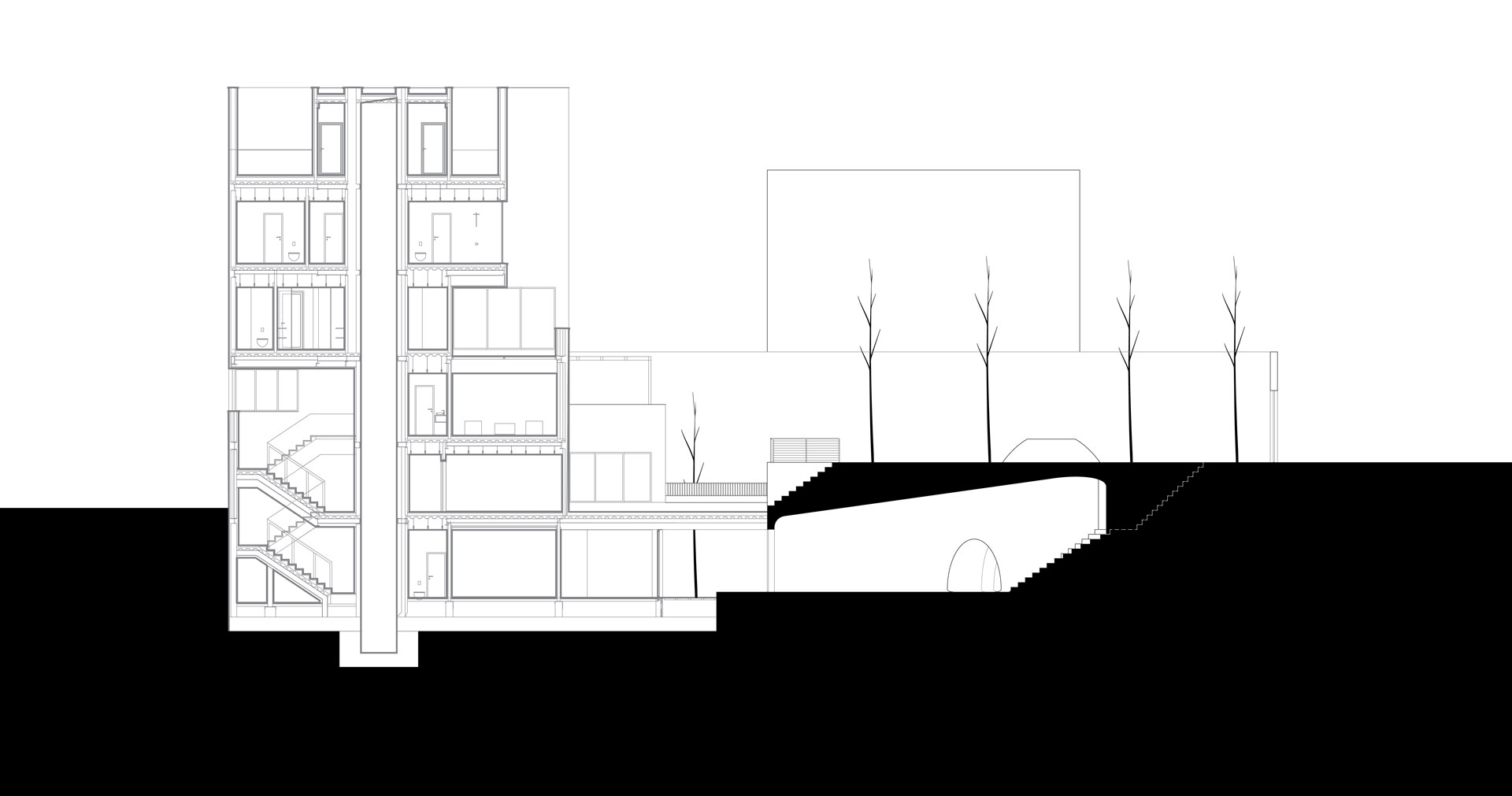
Understanding the architectural organization of Nobahar House was equally important in defining the intervention. The house comprises a basement, three residential floors, and a ground level dedicated to parking. Organized around a central skylit void, its plan places service spaces to the west, enclosed terraces to the east, and primary living areas to the north and south. Characterized by restrained geometry, precise alignments, and refined detailing, the house provided the architectural framework for the garden design.
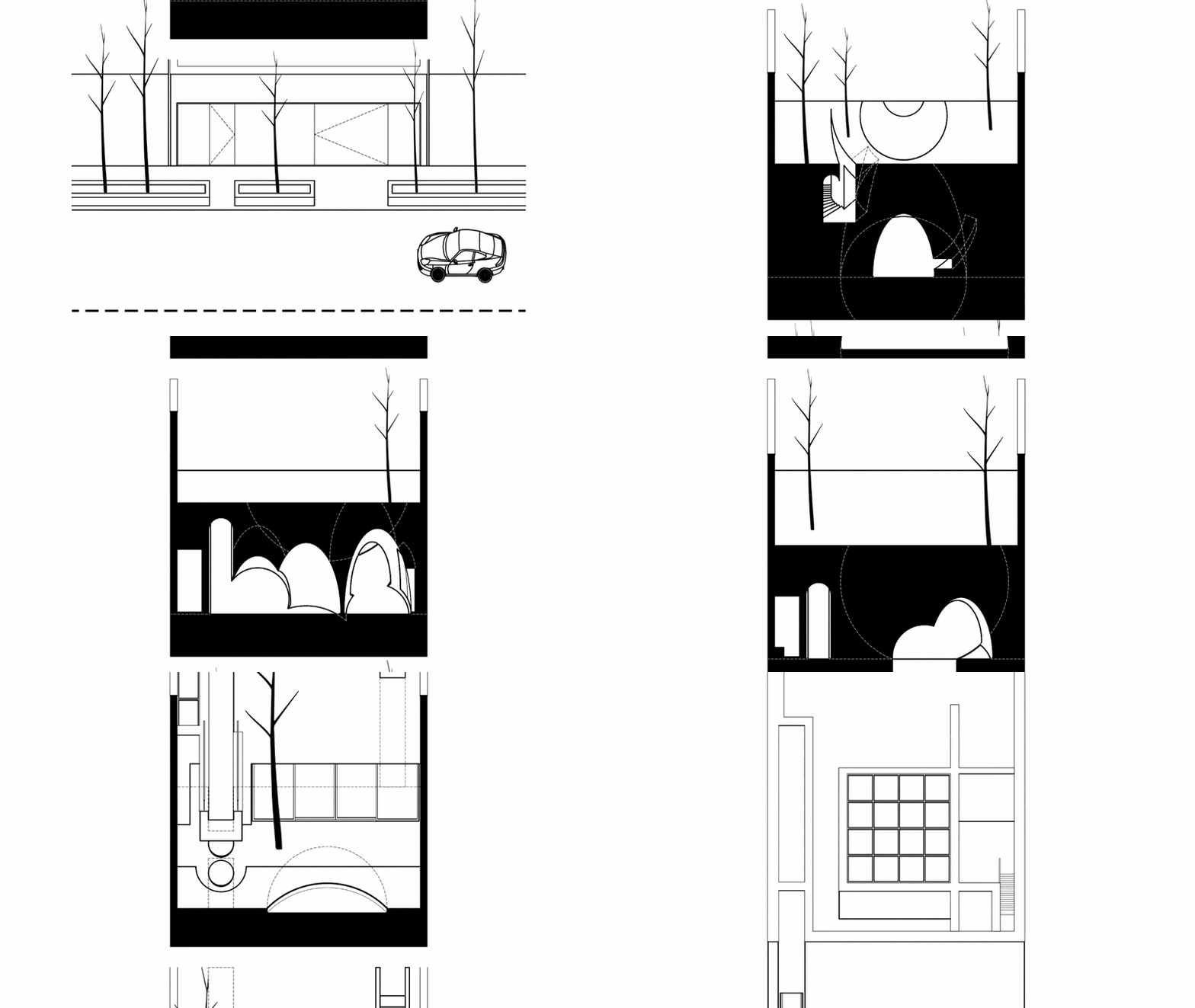
The site’s topography introduced an additional design challenge. The southern street level stood approximately 1.8 meters above the basement floor, presenting several alternatives: lowering the garden, creating terraced transitions, or preserving the existing grade. Each option was evaluated in relation to both the project’s functional requirements and its broader conceptual ambitions.
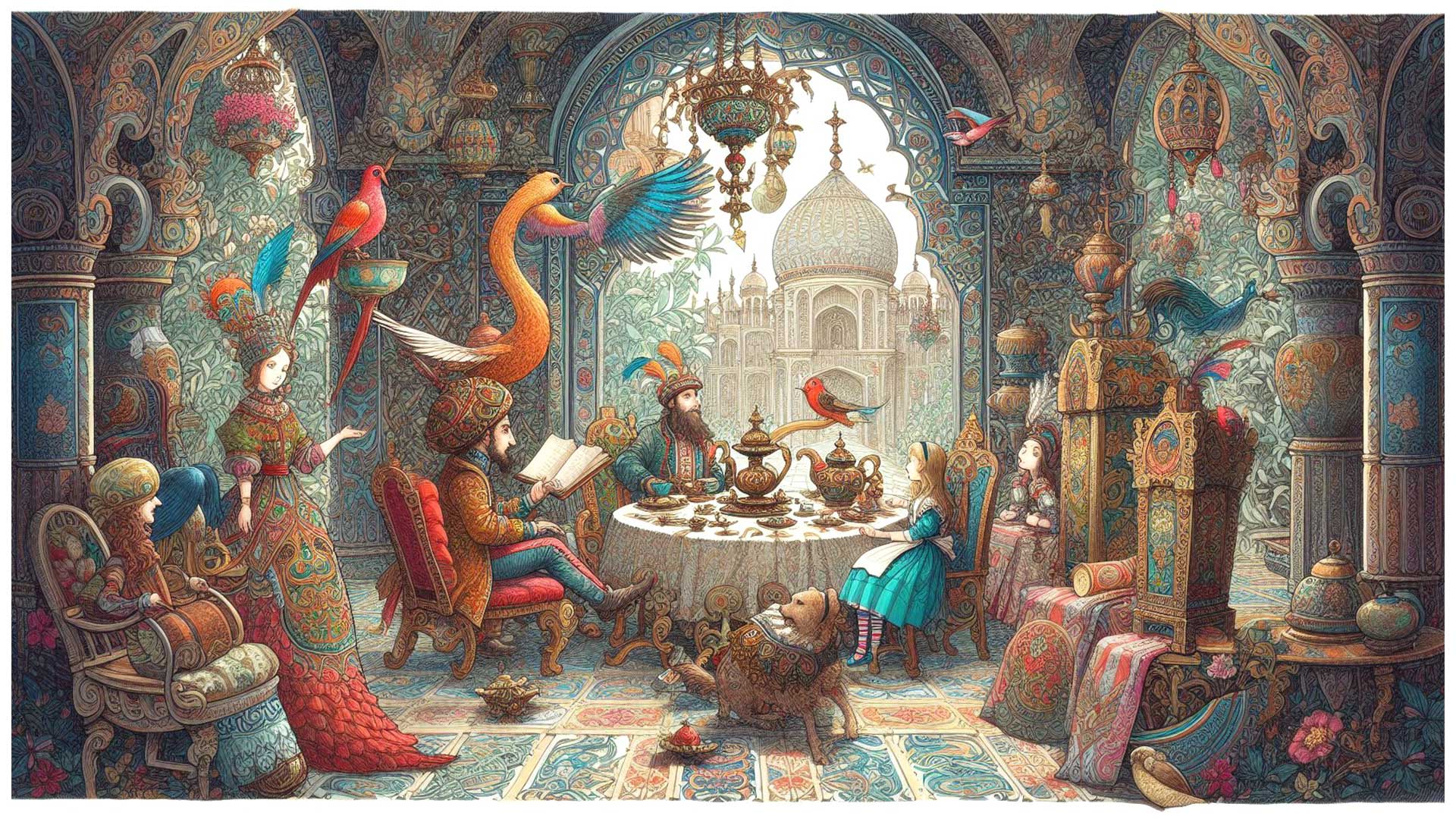
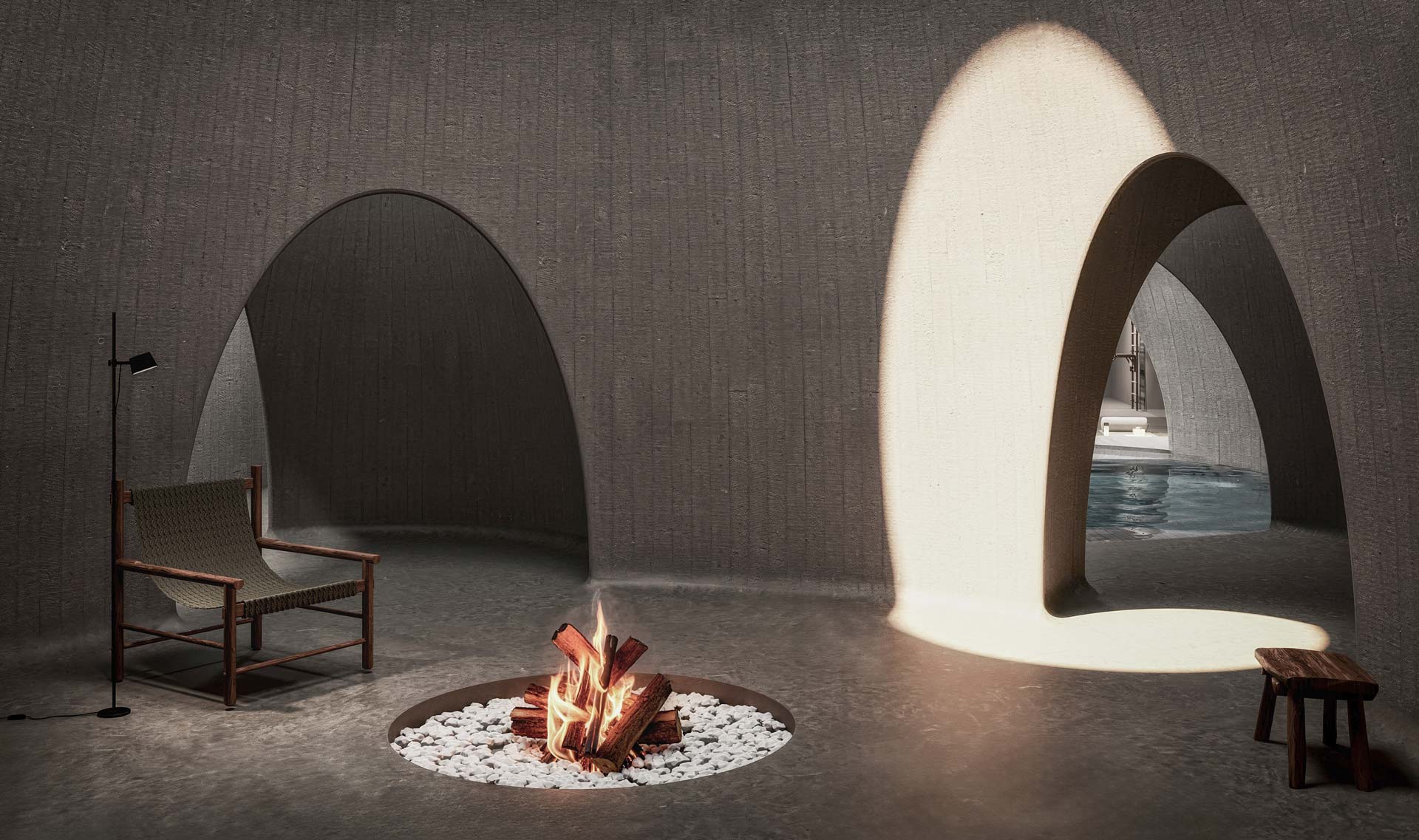
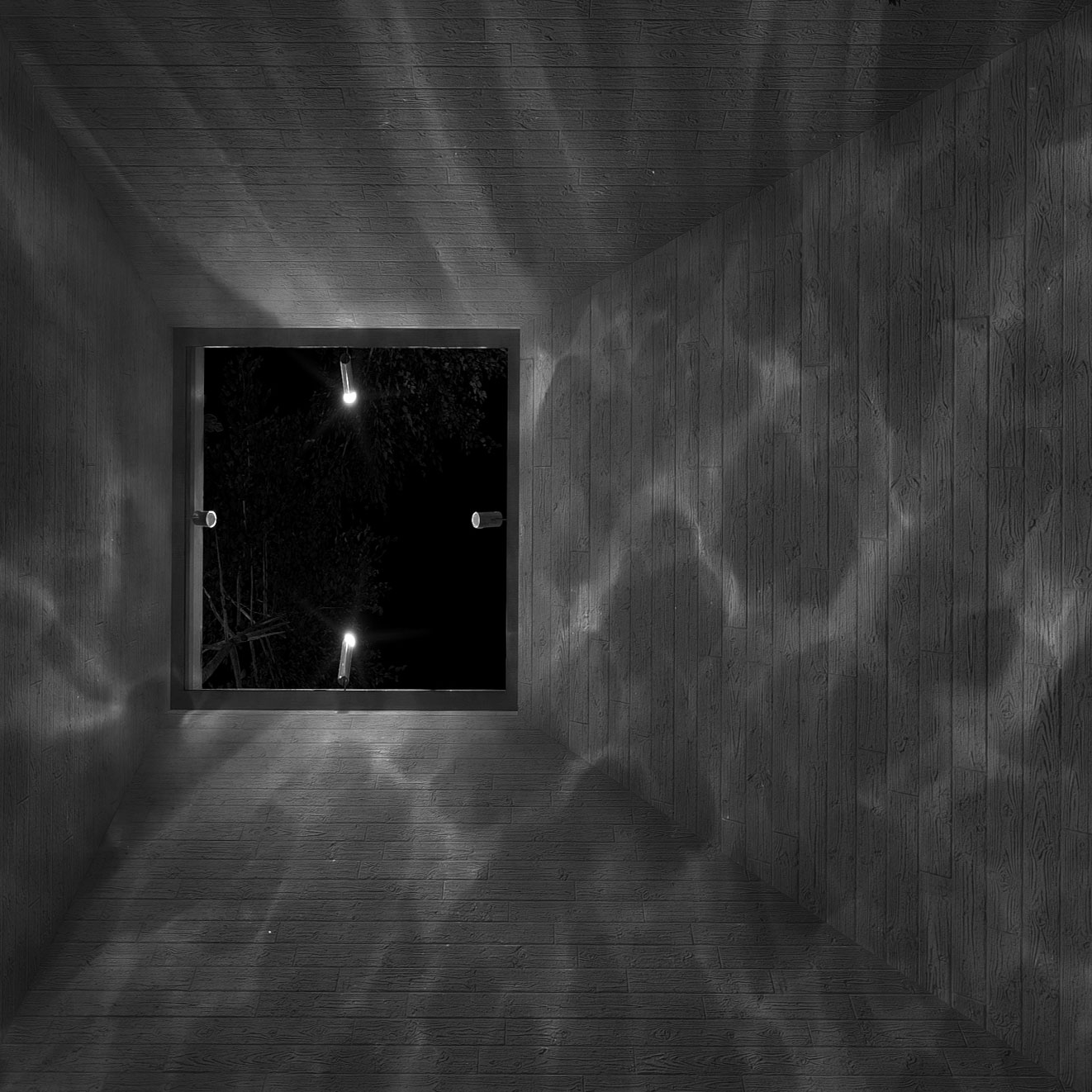
Alongside these pragmatic considerations, imagination emerged as a fundamental source of architectural inquiry. Narratives and stories have long functioned as vehicles for envisioning alternative worlds—realms in which ordinary conventions are suspended and unfamiliar experiences become possible. References such as One Thousand and One Nights and Alice’s Adventures in Wonderland suggest conditions defined by layered narratives, wonder, estrangement, and the experience of entering another world. Within this framework, architecture extends beyond the resolution of functional demands to facilitate new modes of perceiving space, nature, and oneself.
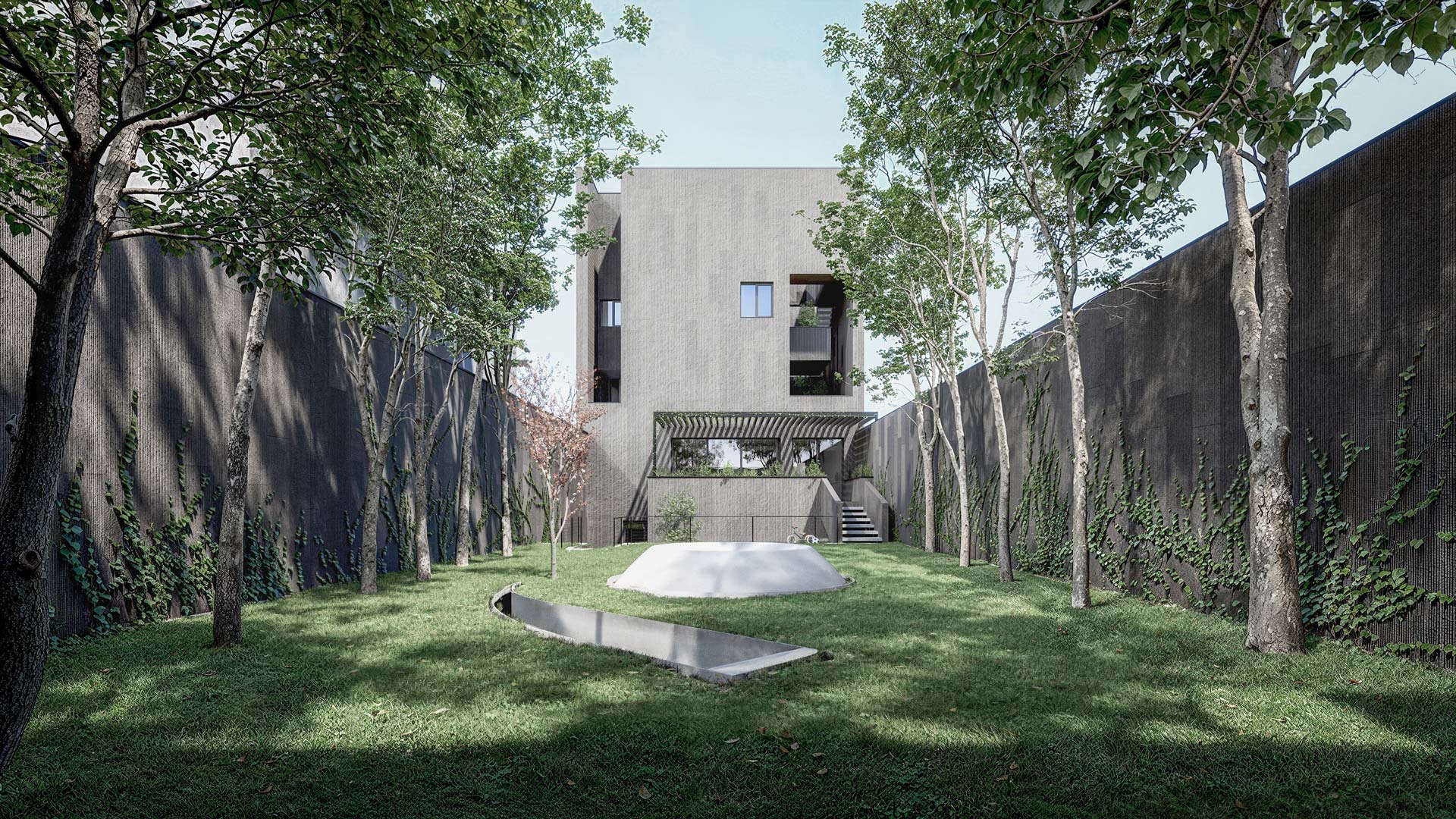
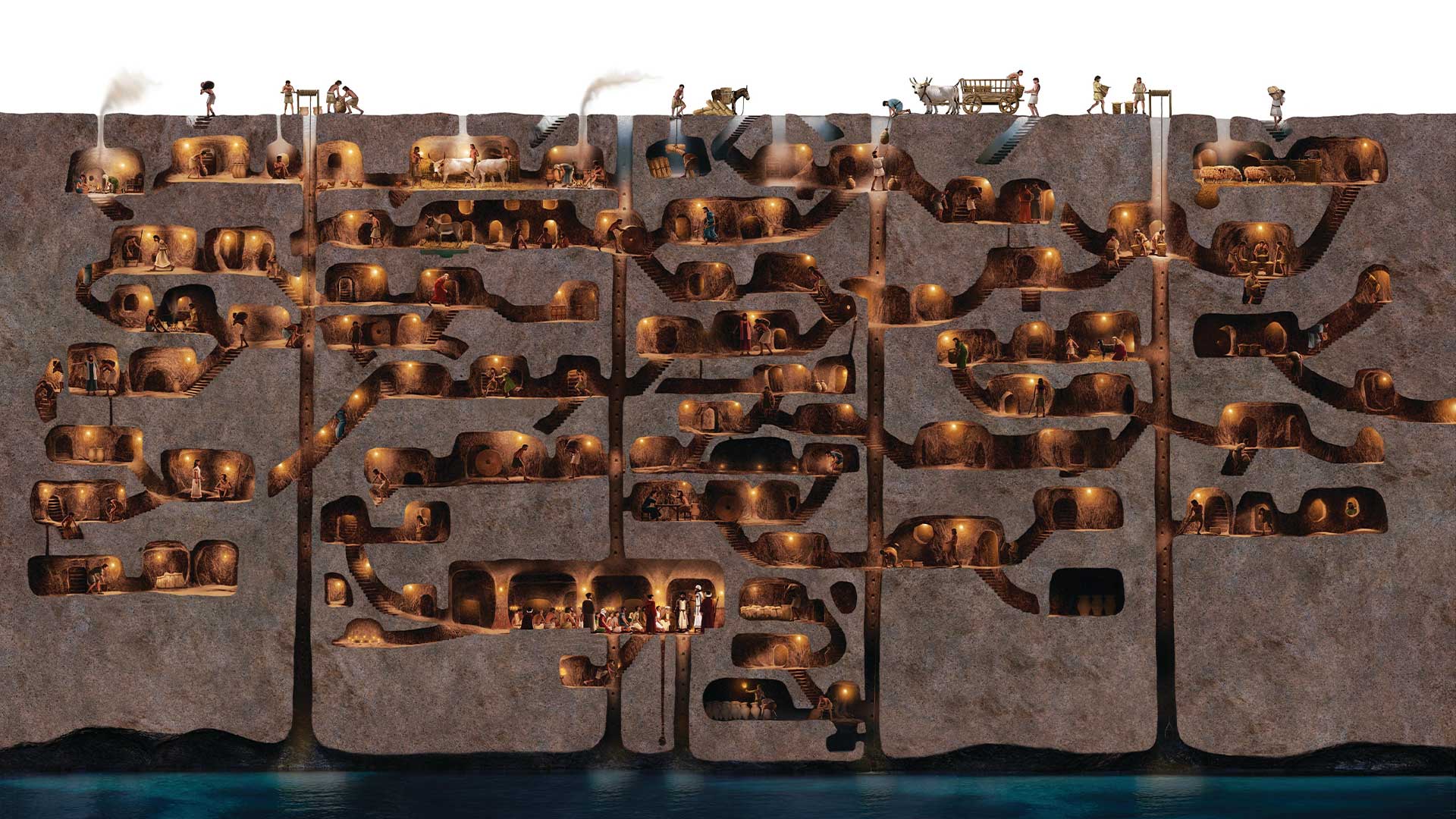
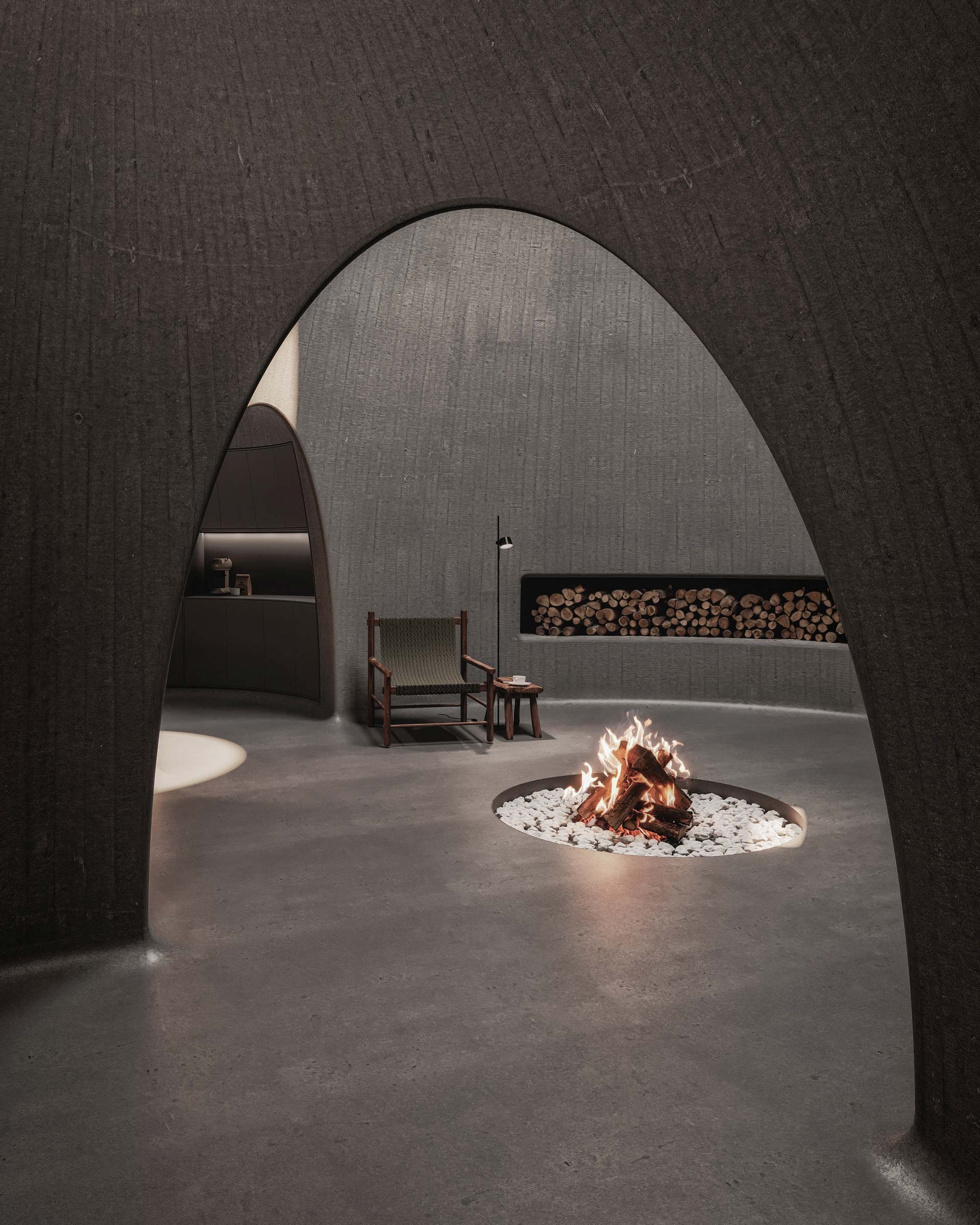
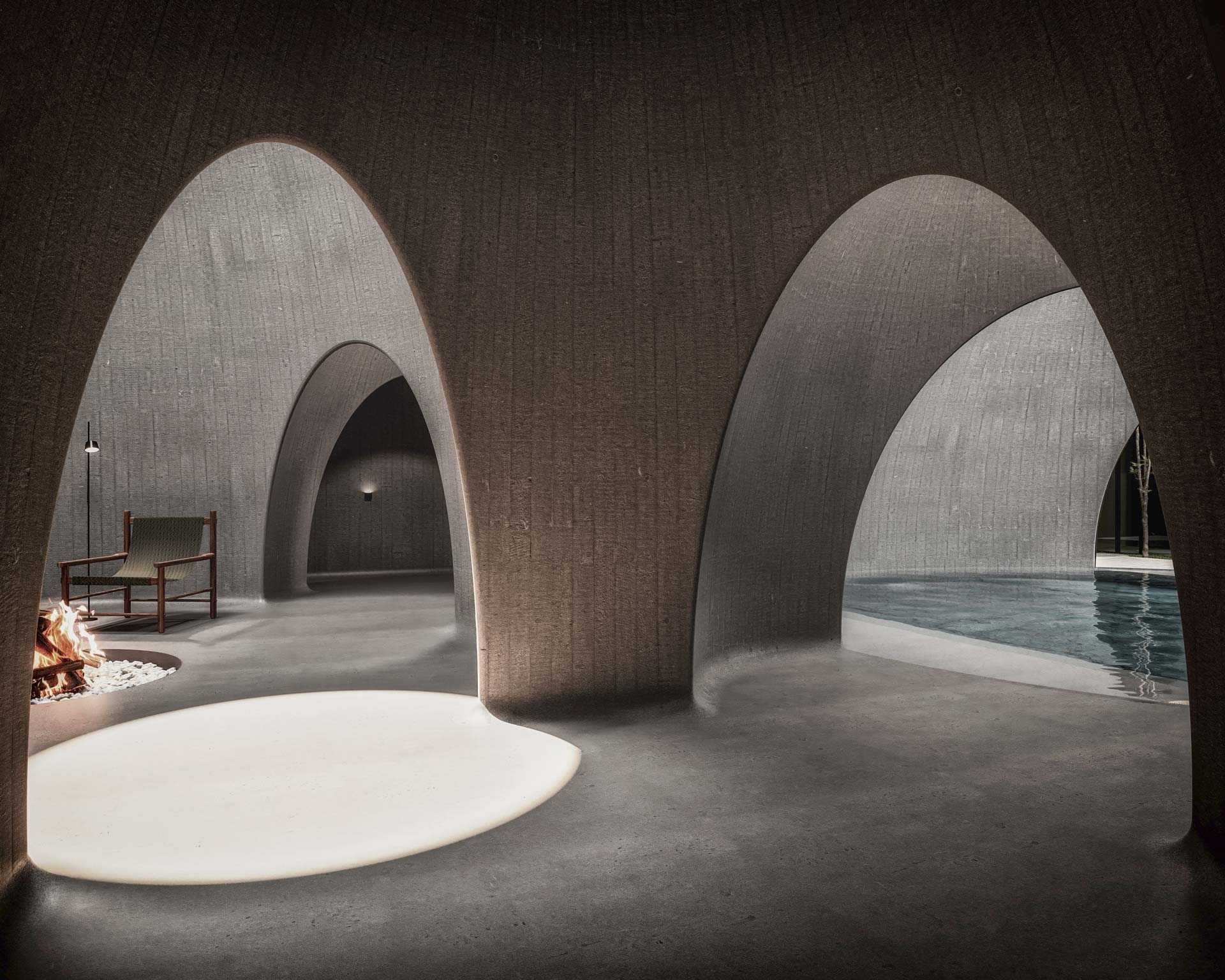
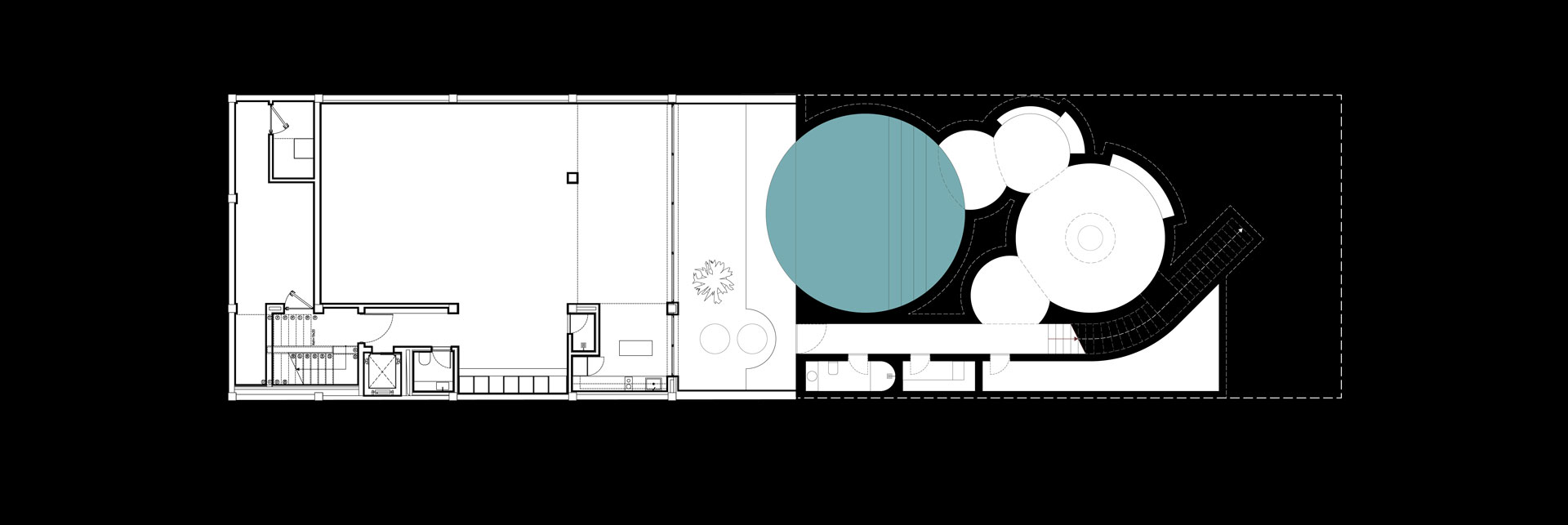
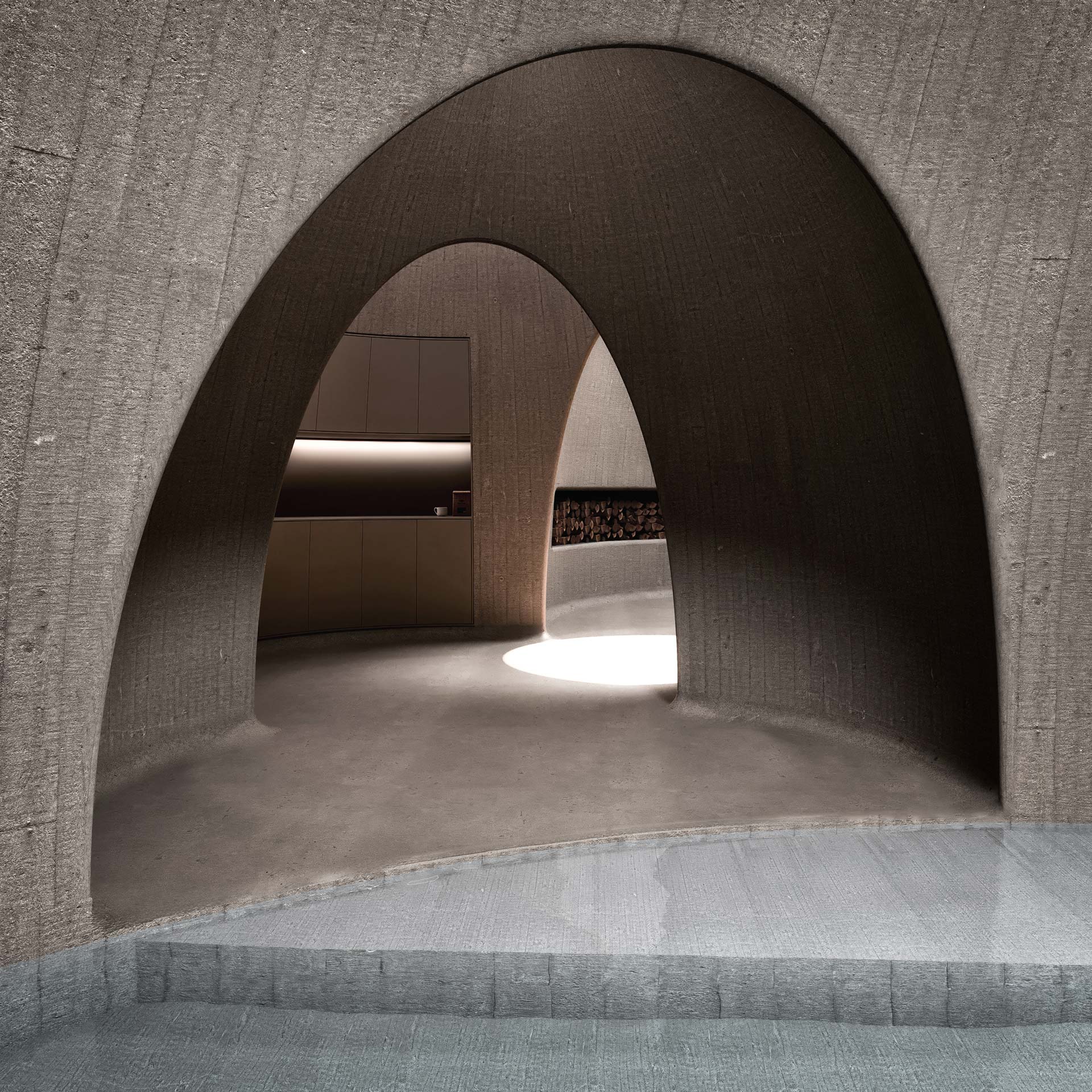
These parallel conceptual and practical investigations ultimately converged in the project’s central idea: buried architecture. Embedding the principal architectural spaces beneath the garden simultaneously preserved the continuity of the landscape, strengthened spatial connections with the house, enhanced the basement environment, and generated an immersive architectural experience.
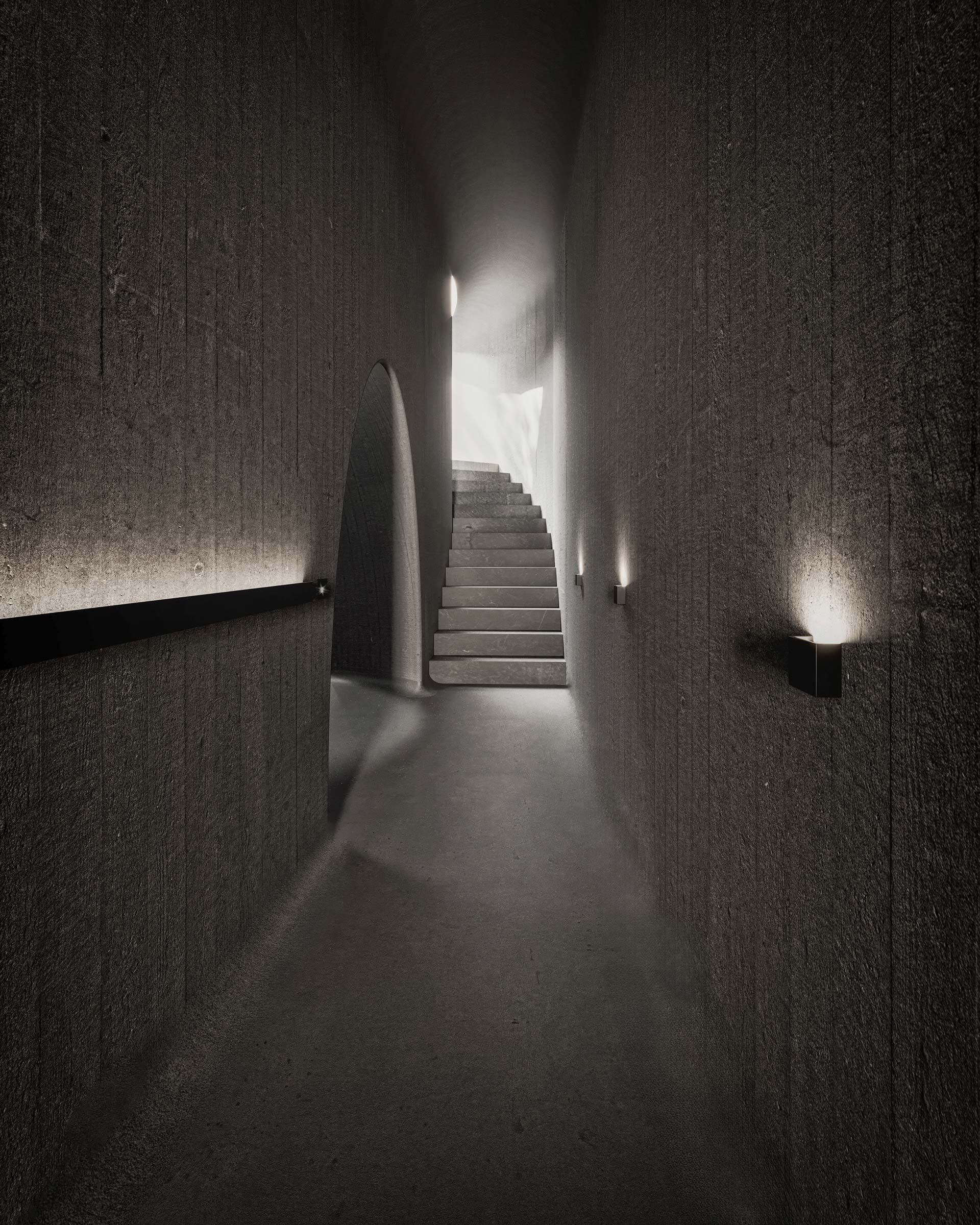
The formal system was developed through overlapping circular geometries and parabolic sections organized along primary visual and circulation axes. Their intersections produced interconnected sequences of thresholds and spaces, while the sectional profiles ensured sufficient soil depth to sustain the garden above.
Rather than functioning as a landscaped foreground to the house, Nobahar Garden becomes an integral component of dwelling itself. Through the integration of nature, subterranean architecture, and narrative imagination, the project proposes an alternative mode of inhabitation that encourages exploration, shifting perceptions, and moments of retreat embedded within the routines of everyday life.
Ultimately, Nobahar Garden represents an attempt to redefine the relationship between house and garden. Rather than functioning as a landscaped backdrop to domestic life, the garden becomes an integral component of dwelling itself. By accommodating both everyday activities and moments of retreat, the project proposes an architecture of discovery—one that encourages movement, shifting perspectives, and temporary detachment from routine.
Through the integration of nature, imagination, and subterranean space, Nobahar Garden seeks to offer an alternative mode of inhabitation embedded within the familiar context of everyday life.
Related Projects
باغ نوبهار
پروژه باغ نوبهار در سال ۱۴۰۲ و در امتداد تجربه طراحی «خانه نوبهار» تعریف شد؛ خانهای که در سال ۱۳۹۸ در شهر کرمانشاه طراحی شده بود و در زمان آغاز پروژه باغ، مراحل پایانی اجرای خود را طی میکرد. زمین جنوبی خانه، قطعهای میانبافتی بود که قرار بود بهعنوان بخشی از عرصه سکونت به خانه الحاق شود. از همین رو، مسئله پروژه صرفاً طراحی یک محوطه یا فضای سبز مستقل نبود، بلکه گسترش کیفیتهای فضایی خانه به عرصهای باز و طبیعی محسوب میشد؛ عرصهای که بتواند تجربه زیستن در خانه را تکمیل و غنیتر کند.
در نخستین مواجهه با پروژه، مفهوم باغ بهعنوان موضوعی مشترک میان طراح و کارفرما مورد گفتوگو قرار گرفت. آنچه در تعریف اولیه باغ مورد تأکید بود، مفاهیمی چون سبزینگی، سایهساری، ارتباط با طبیعت و کیفیت دید و منظر بود؛ کیفیتهایی که ریشه در خاطرات و تجربههای کودکی کارفرما داشتند. با این حال، بهتدریج روشن شد که هر دو سوی پروژه به چیزی فراتر از طراحی یک باغ متعارف میاندیشند. هدف، خلق تجربهای بود که بتواند در کنار زندگی روزمره، لایهای دیگر از زیست را ممکن سازد؛ فضایی برای فاصله گرفتن از عادتهای روزمره، تأمل، خلوت، مراقبه و استراحت؛ جهانی دیگر که در مجاورت مستقیم زندگی شکل میگرفت.
علاوه بر این رویکرد مفهومی، پروژه با مجموعهای از نیازهای عملکردی نیز همراه بود. وجود استخری برای استفاده روزمره، فضاهایی برای دورهمی یا خلوت فردی و همچنین ارتقای کیفیت فضایی بخش ورزشی خانه از جمله مهمترین خواستههای کارفرما بودند. فضای ورزشی موجود در زیرزمین خانه نوبهار، از طریق یک گودالباغچه با فضای باز ارتباط داشت و از نور و تهویه طبیعی بهرهمند بود، اما امکان ایجاد عمق دید بیشتر و منظر مطلوبتر برای آن وجود داشت. از سوی دیگر، برقراری ارتباط میان عرصههای اصلی سکونت، فضای ورزشی و باغ، در کنار حفظ حداکثری سطح سبز و یکپارچگی باغ، از اهداف اصلی پروژه محسوب میشد.
شناخت خانه نوبهار، بهعنوان بستر شکلگیری پروژه باغ، در این میان اهمیت فراوانی داشت. خانه نوبهار شامل یک طبقه زیرزمین، سه طبقه مسکونی و یک طبقه همکف در تراز گذر بود که به پارکینگ اختصاص یافته بود. در سازمان فضایی خانه، یک ووید مرکزی و نورگیر سقفی در مرکز تقسیم نهگانه پلان قرار داشت؛ فضاهای خدماتی و دسترسیهای عمودی در بخش غربی، تراسهای محصور و فضاهای نیمهباز در بخش شرقی و عرصههای اصلی سکونت در بخشهای شمالی و جنوبی سازمان یافته بودند. همچنین با تعریف گودالباغچه و تفاوت سطح اشغال طبقات، کیفیتهای متنوع نوری و فضایی در زیرزمین ایجاد شده بود. زبان معماری خانه نیز بر هندسهای صریح، قائم و راستگوشه استوار بود؛ زبانی مینیمال که بر امتدادها، همراستاییها و ظرافت اجرایی تأکید داشت.
در بررسی وضعیت موجود، اختلاف تراز میان گذر جنوبی و تراز همکف خانه، که حدود ۱۸۰ سانتیمتر بود، به یکی از عوامل تعیینکننده طراحی تبدیل شد. این وضعیت، امکانهای متفاوتی را پیش روی پروژه قرار میداد: پایین بردن کل باغ تا تراز زیرزمین، شکلدهی به باغی پلکانی یا شیبدار، و یا حفظ تراز موجود. هر یک از این گزینهها مزایا و محدودیتهای خاص خود را داشتند و در نسبت با اهداف پروژه مورد ارزیابی قرار گرفتند.
اما در کنار این تحلیلها، تخیل نیز بهعنوان یکی از منابع اصلی شکلدهنده ایده طراحی حضور داشت. روایتها و داستانها همواره بستری برای تصور جهانهای دیگر بودهاند؛ جهانهایی که در آنها قواعد آشنا دگرگون میشوند و تجربهای متفاوت از واقعیت امکان بروز مییابد. داستانهایی چون «هزار و یک شب» و «آلیس در سرزمین عجایب» نمونههایی از این وضعیت هستند؛ روایتهایی که بر لایهمندی، شگفتی، خرق عادت و ورود به جهانی دیگر استوارند. در چنین جهانی، تجربه فضایی صرفاً به پاسخگویی عملکردی محدود نمیشود، بلکه امکان مواجههای تازه با فضا، طبیعت و خویشتن را فراهم میآورد.
از این منظر، باغ نوبهار نه بهعنوان فضایی برای نمایش طبیعت، بلکه بهمثابه عرصهای برای تجربه امر متفاوت تعریف شد. روایتمندی، تنوع فضایی، شاعرانگی، رازآلودگی، پیوستگی و تودرتویی، ویژگیهایی بودند که میتوانستند کیفیت این جهان دیگر را شکل دهند. در معماری ایران نیز نمونههایی از این تجربه قابل مشاهدهاند؛ از شوادانها و سردابهای خانههای دزفول گرفته تا فضاهای زیرزمینی مسجد جامع نائین و شهرهای مدفون تاریخی که همواره با نوعی ابهام و شگفتی همراه بودهاند.
تلاقی این دو مسیر ــ یعنی پاسخگویی به نیازها و محدودیتهای پروژه از یک سو، و جستوجوی کیفیتی متفاوت و خیالانگیز از سوی دیگر ــ به شکلگیری ایده «معماری مدفون» انجامید. این ایده امکان میداد که ضمن حفظ حداکثری سطح باغ، ارتباط میان ترازهای مختلف خانه برقرار شود، کیفیت فضایی زیرزمین ارتقا یابد و تجربهای متفاوت از حضور در باغ خلق شود. به این ترتیب، جهان دوم پروژه نه در ارتفاع، بلکه در عمق شکل گرفت.
در تکوین این ایده، هندسه نقش مهمی ایفا کرد. معماری مدفون باغ نوبهار بر پایه ترکیبی از فرمهای دایرهای فرو رفته، فضاهای تو در تو و مقاطعی گنبدی و سهمیگون شکل گرفت. در گام نخست، محورهای اصلی ارتباط میان خانه و باغ بهعنوان خطوط راهنما تعیین شدند. سپس ابعاد و تناسبات فضاها متناسب با برنامه عملکردی تعریف شد و آرایشهای مختلفی از همنشینی دایرهها مورد بررسی قرار گرفت. نحوه فرو رفتن احجام بهگونهای تنظیم شد که از محل تقاطع آنها، درگاههایی با ابعاد مناسب برای عبور شکل گیرد. همچنین ارتفاع و فرم این فضاها به نحوی طراحی شد که امکان تأمین عمق کافی خاک برای کاشت گیاهان در سطح باغ فراهم شود. حاصل این فرایند، مجموعهای از فضاهای پیوسته، متنوع و تودرتو بود که در زیر سطح باغ گسترش مییافتند.
باغ نوبهار، در نهایت، تلاشی برای بازتعریف نسبت میان خانه و باغ است؛ پروژهای که در آن باغ صرفاً پسزمینهای سبز برای سکونت نیست، بلکه بخشی از تجربه زیستن محسوب میشود. این باغ، ضمن پاسخگویی به نیازهای عملکردی پروژه، امکان تجربه فضایی متفاوتی را نیز فراهم میکند؛ تجربهای مبتنی بر کشف، حرکت، تغییر منظر و فاصله گرفتن موقت از روزمرگی. معماری مدفون باغ نوبهار، با حفظ یکپارچگی سطح سبز، تقویت پیوند میان بخشهای مختلف خانه و خلق جهانی پنهان در دل باغ، میکوشد کیفیتی دیگر از سکونت را پیشنهاد دهد؛ کیفیتی که در آن طبیعت، تخیل و معماری در هم تنیده میشوند.