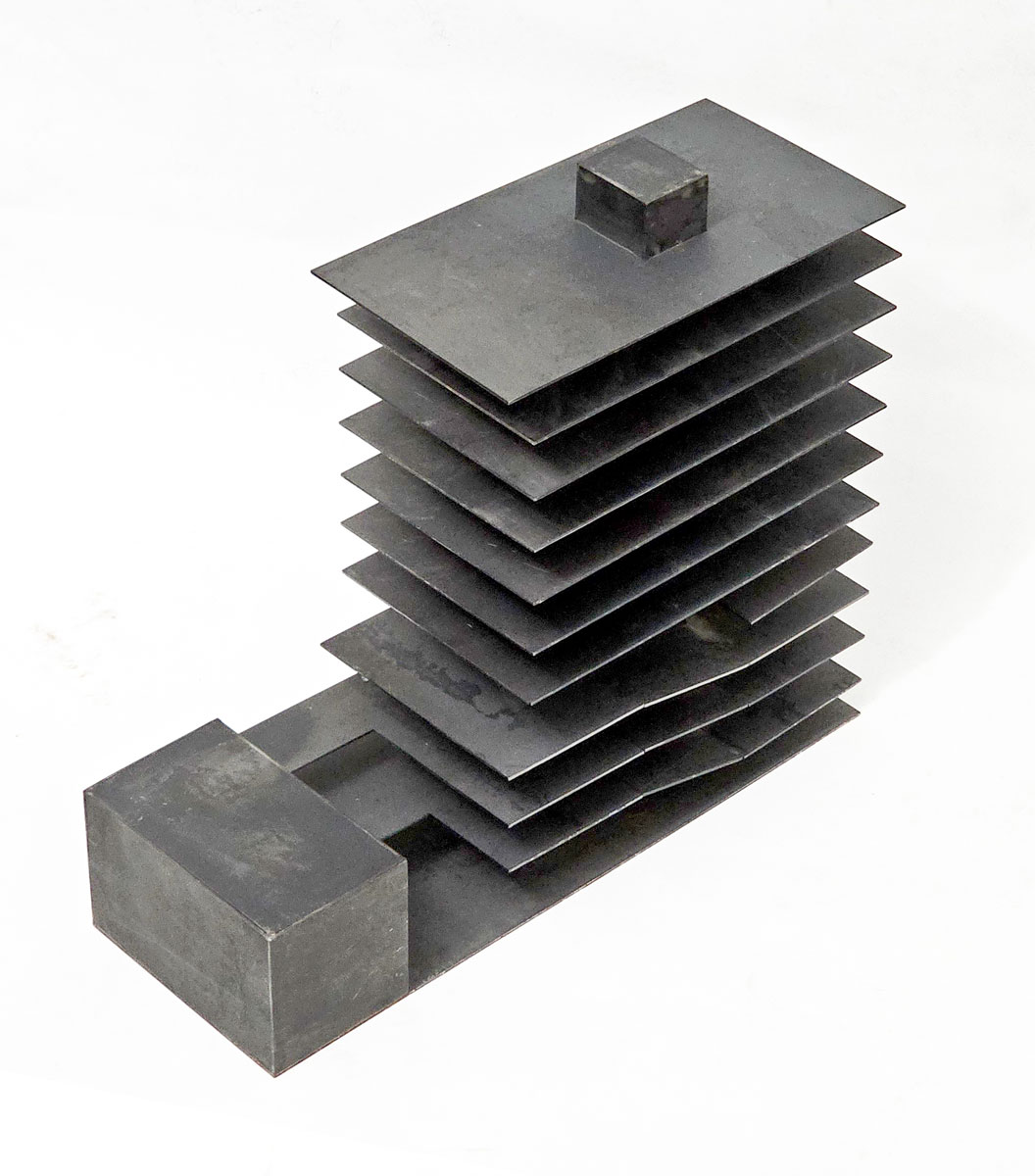
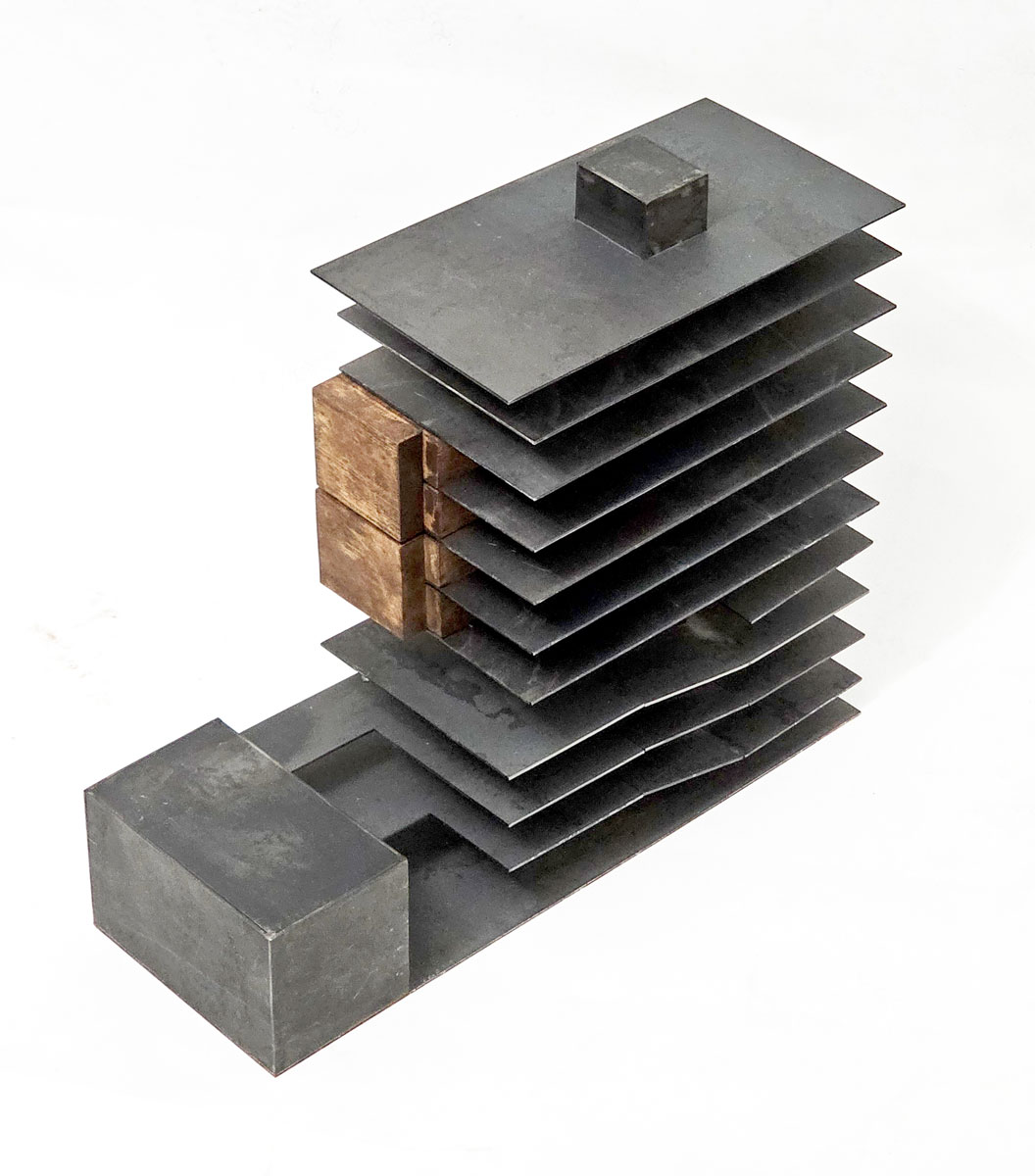
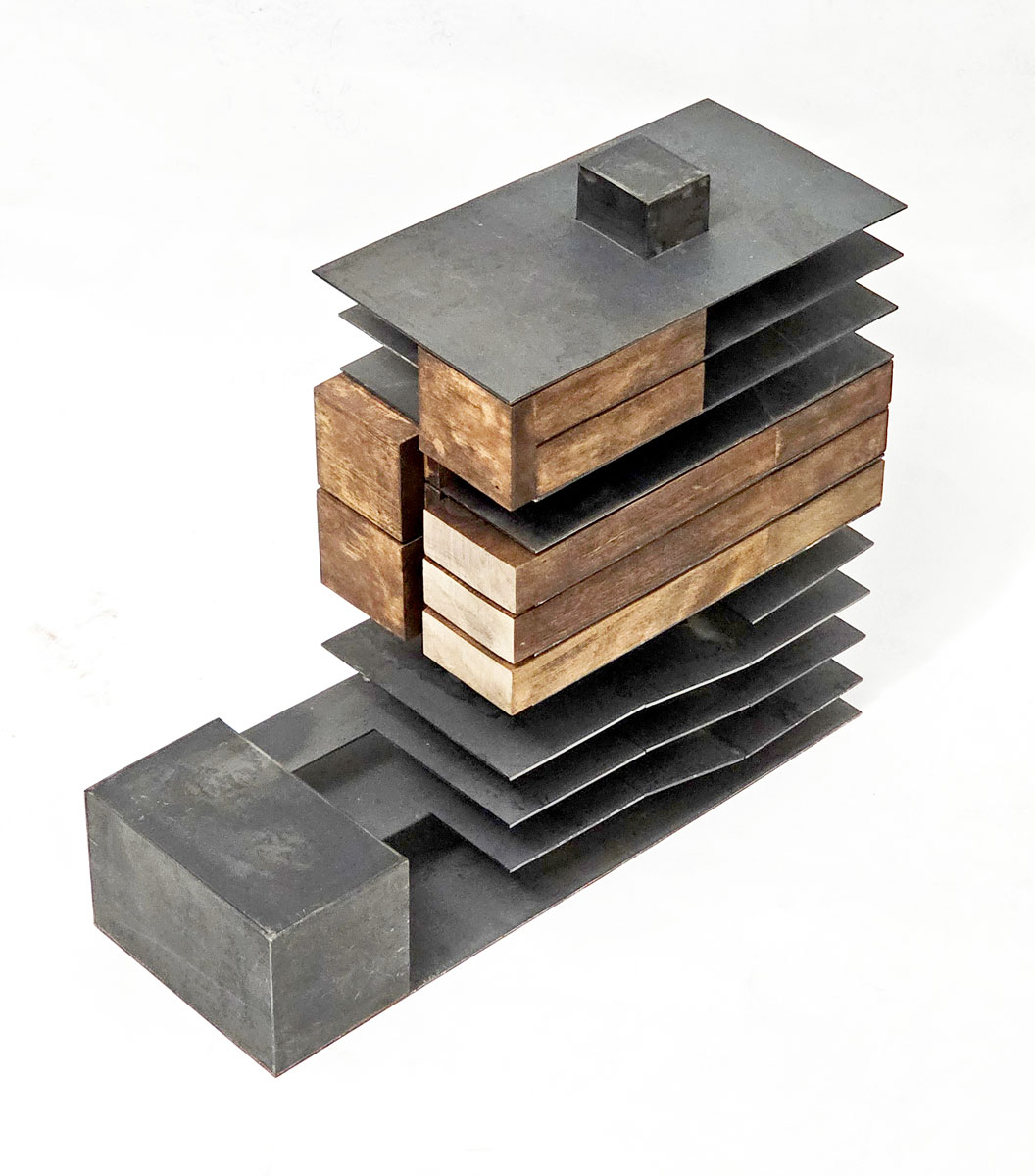
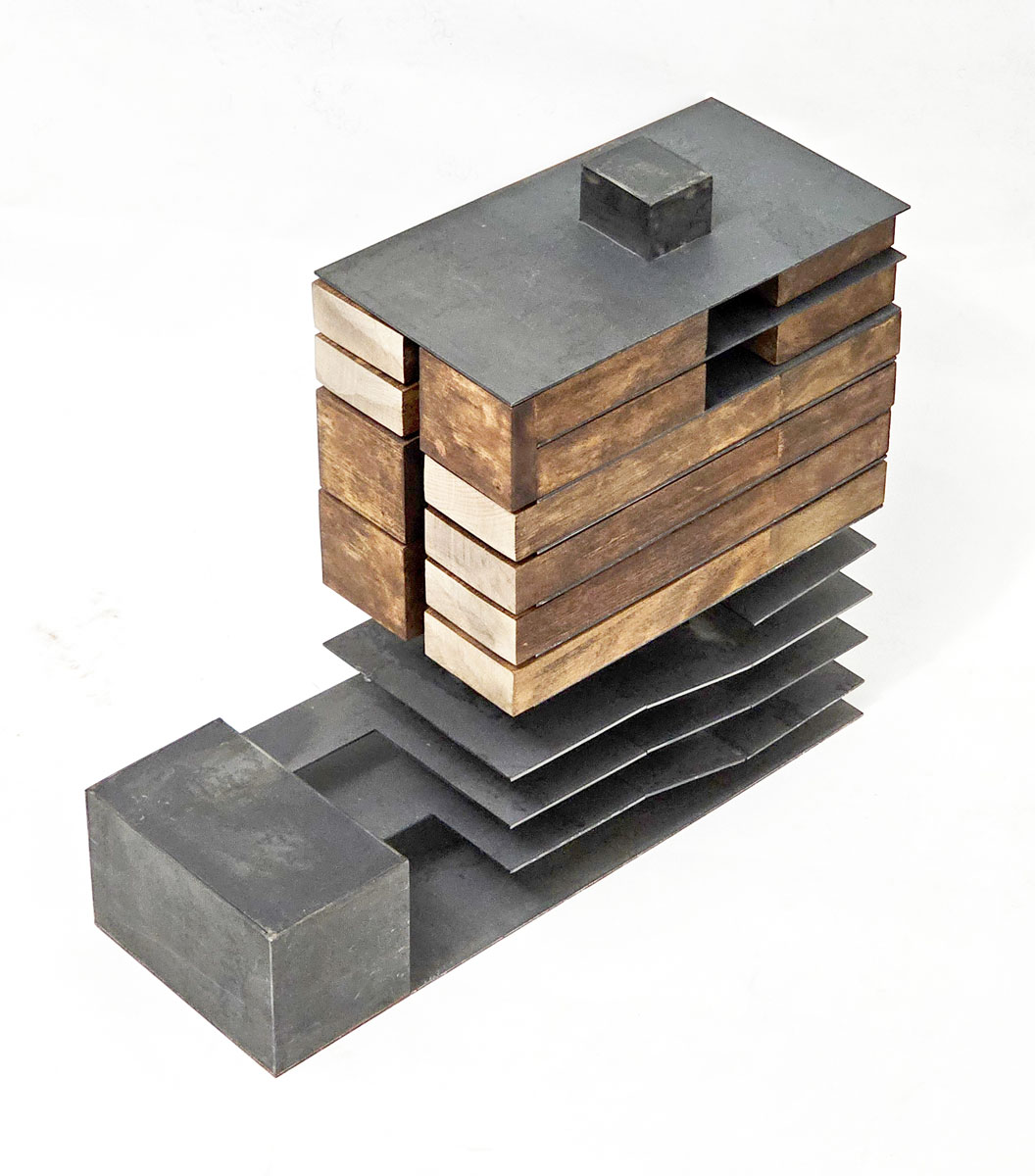
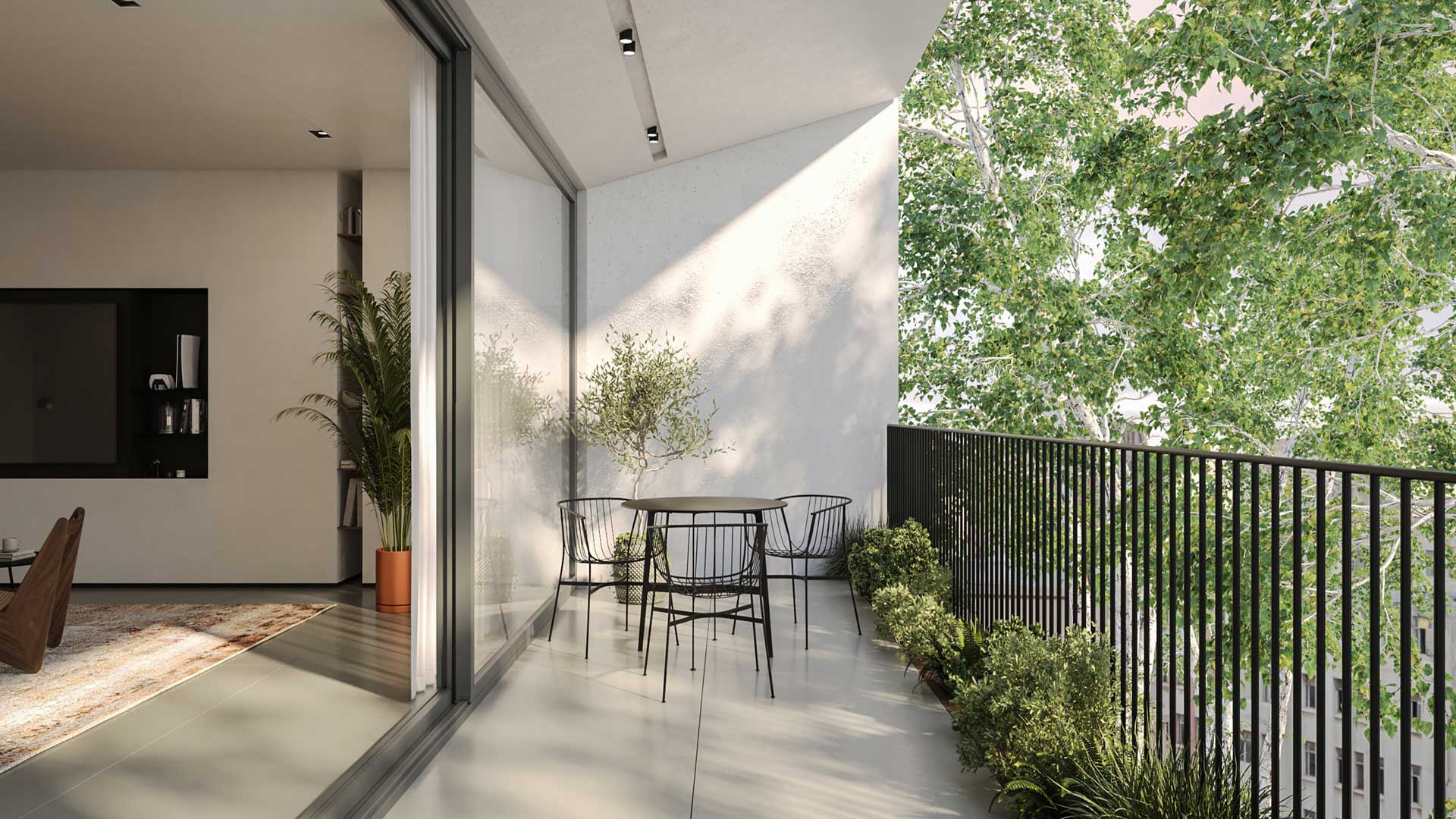
As a conventional and widely utilized typology in metropolitan contexts, the urban infill apartment often adheres to well-defined models and design patterns. The adoption of the Dom-ino structural system has driven the morphological tendencies of infill apartments toward the design of maximized spatial boxes. Rethinking this model underscores the importance of activating the section in the spatial arrangement of residential units.
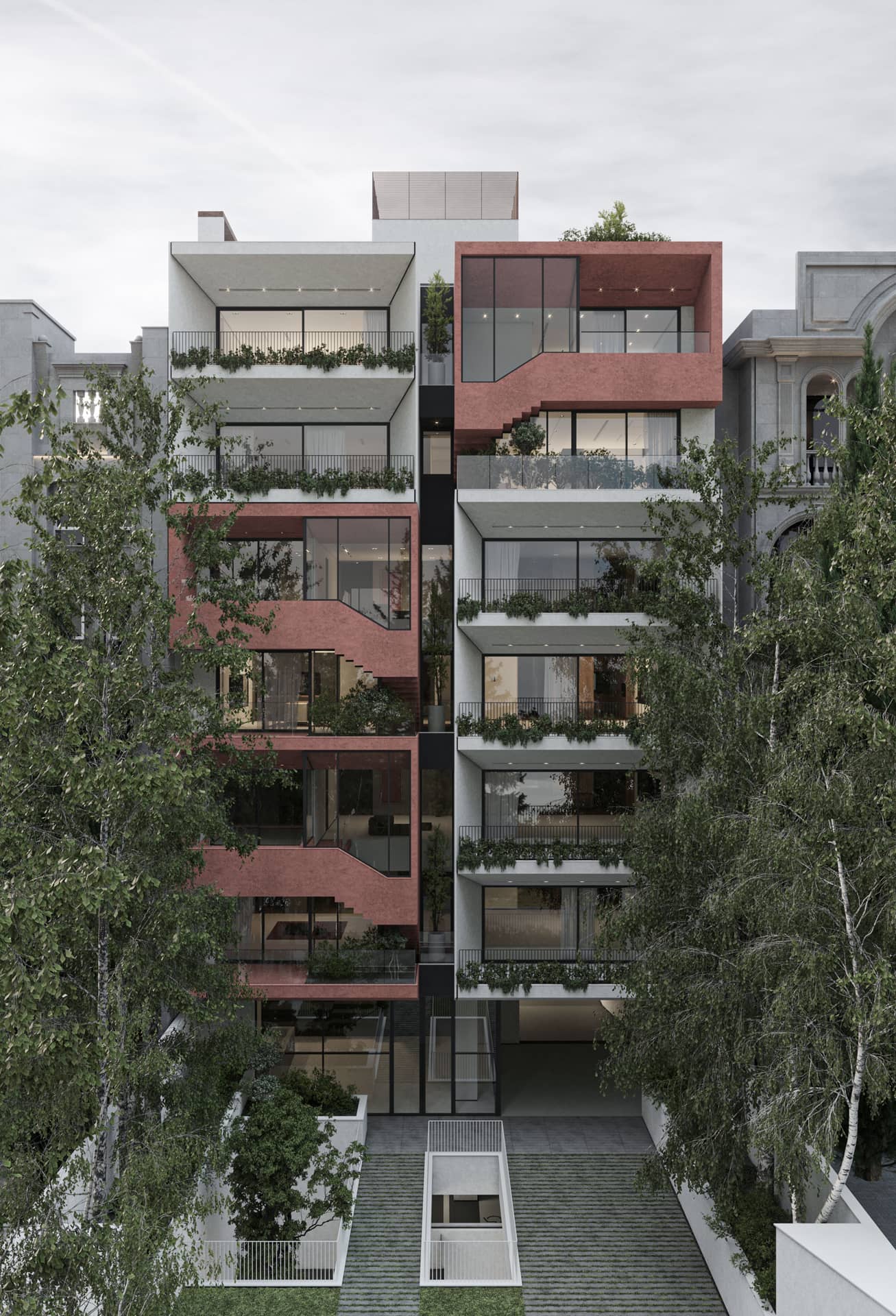
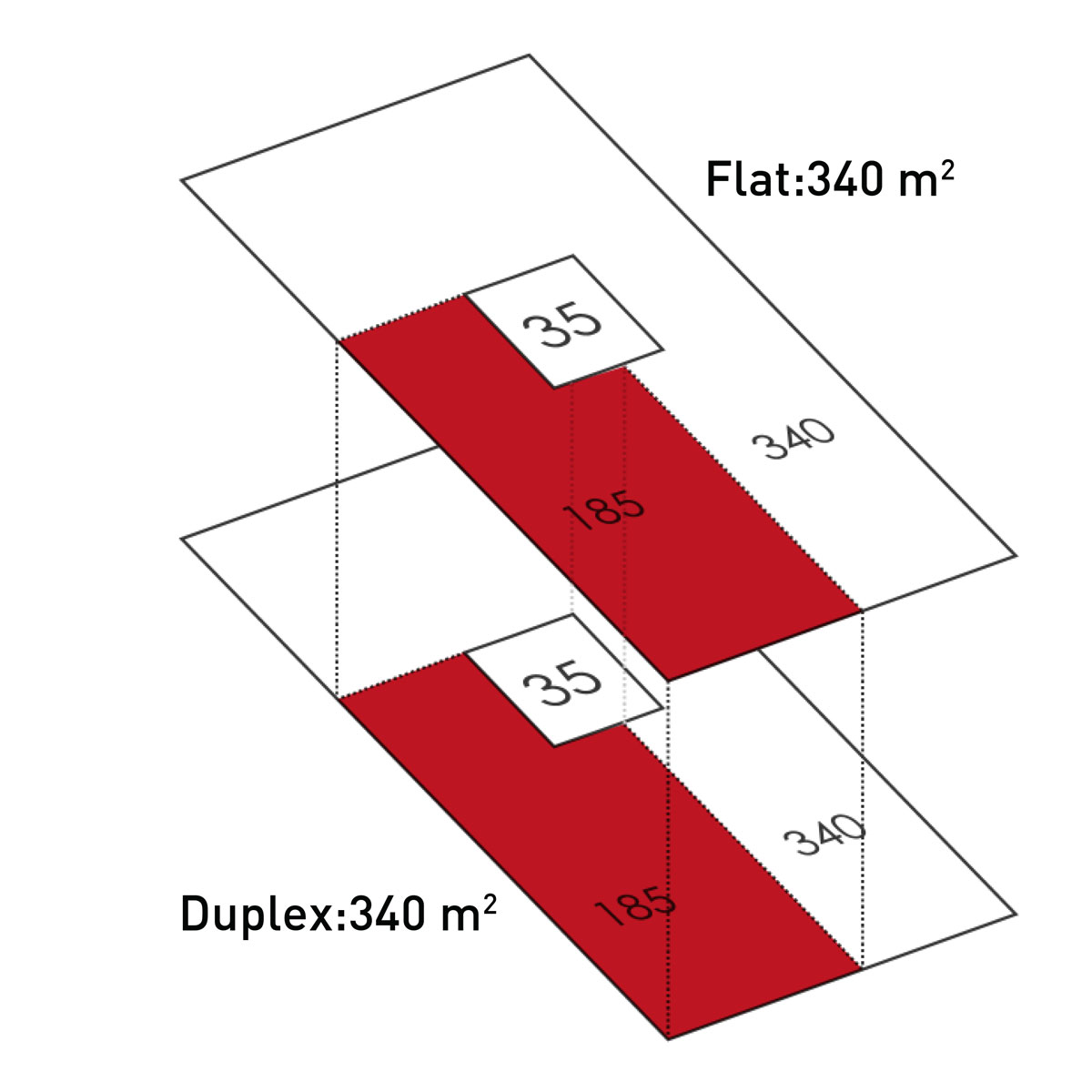
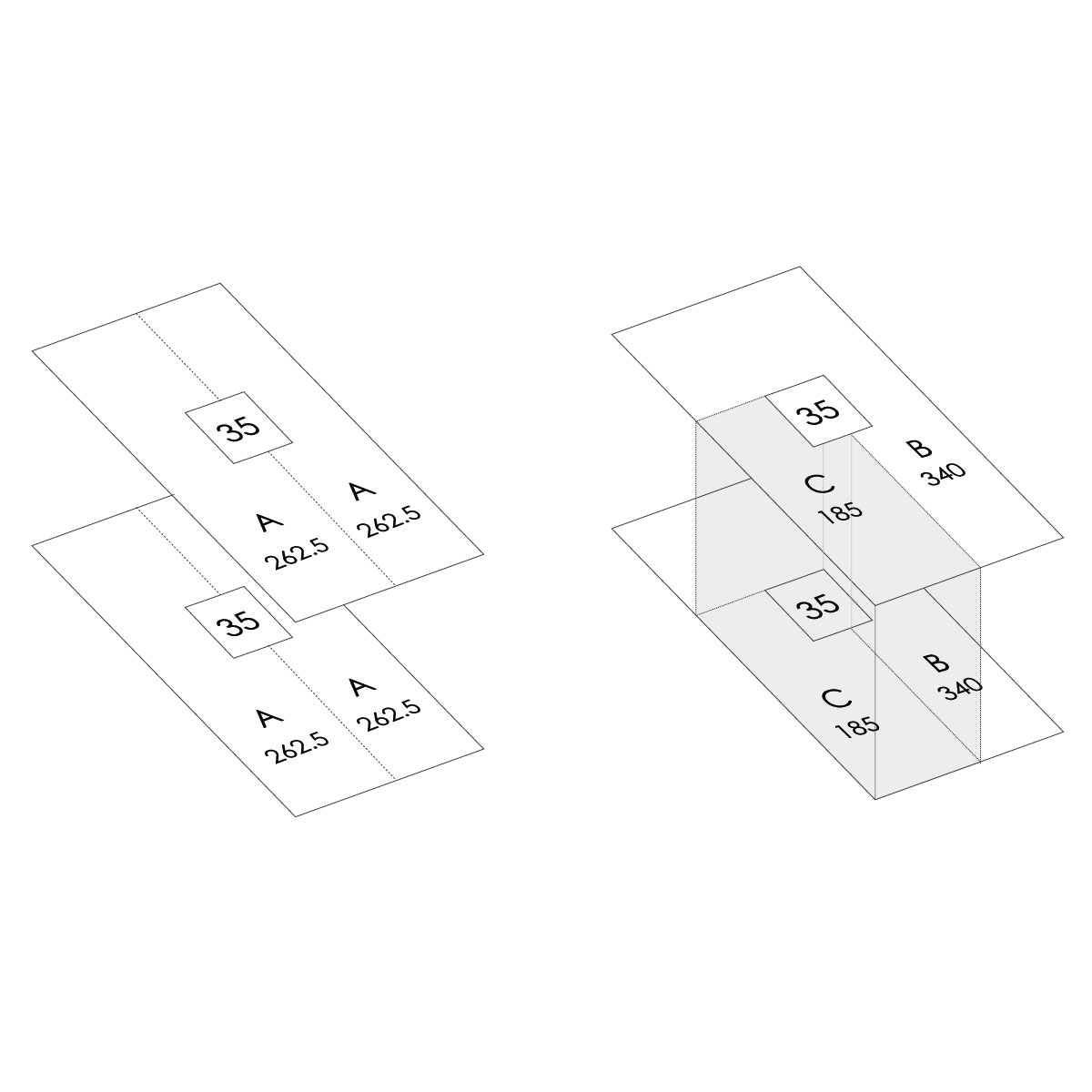
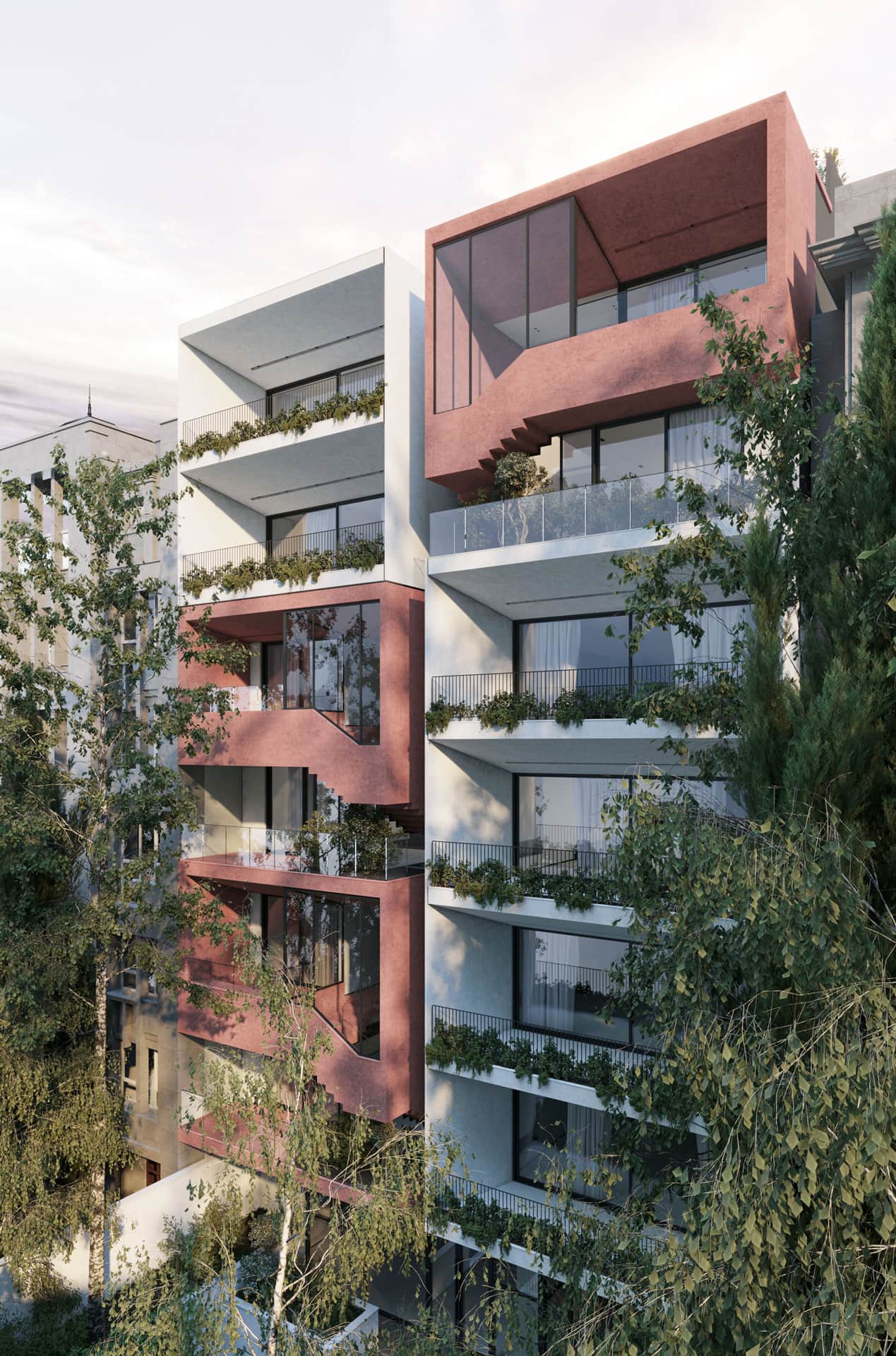
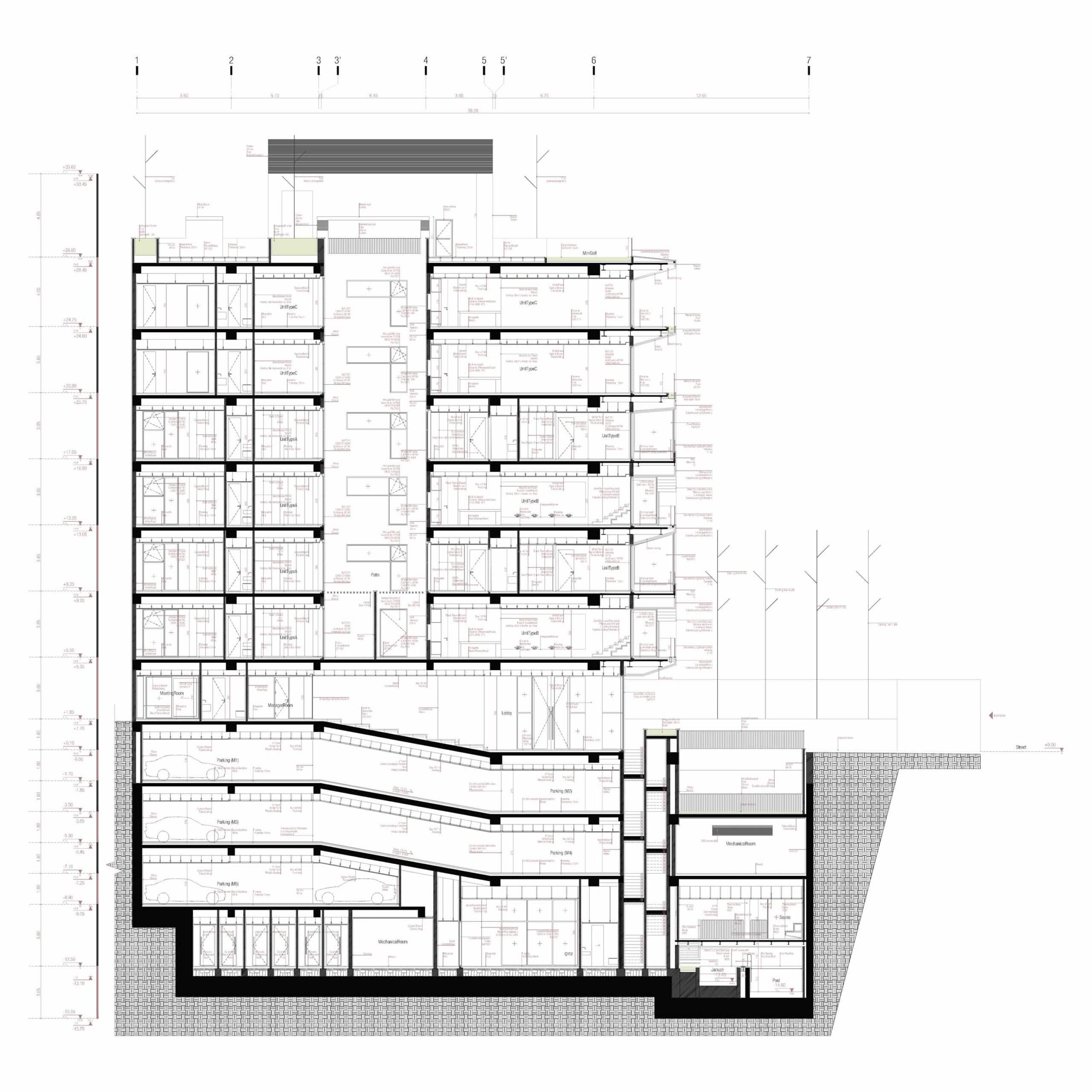
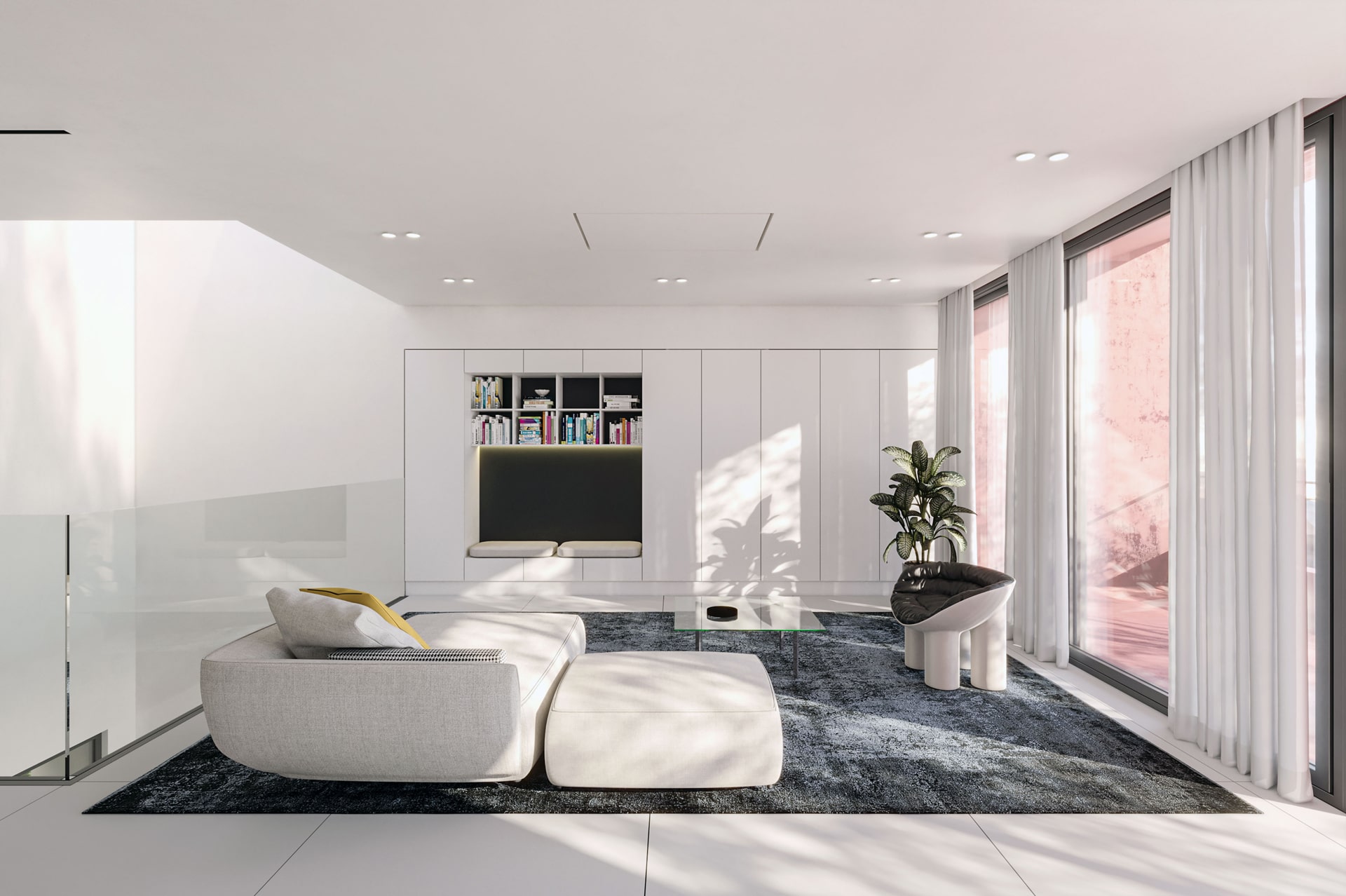
The incorporation of duplex units alongside flat units across two superimposed floors introduces a diverse range of formal and spatial possibilities in both programmatic organization and visual composition. The spatial coherence that emerges from this configuration continuously redefines the relationship between solid and void, open and enclosed, and challenges the boundaries between these dualities.
The Pazela Apartment project served as a pretext for addressing a fundamental question: “How can one extract a unique diagram, plan, and form from within the constraints of a conventional infill box?”
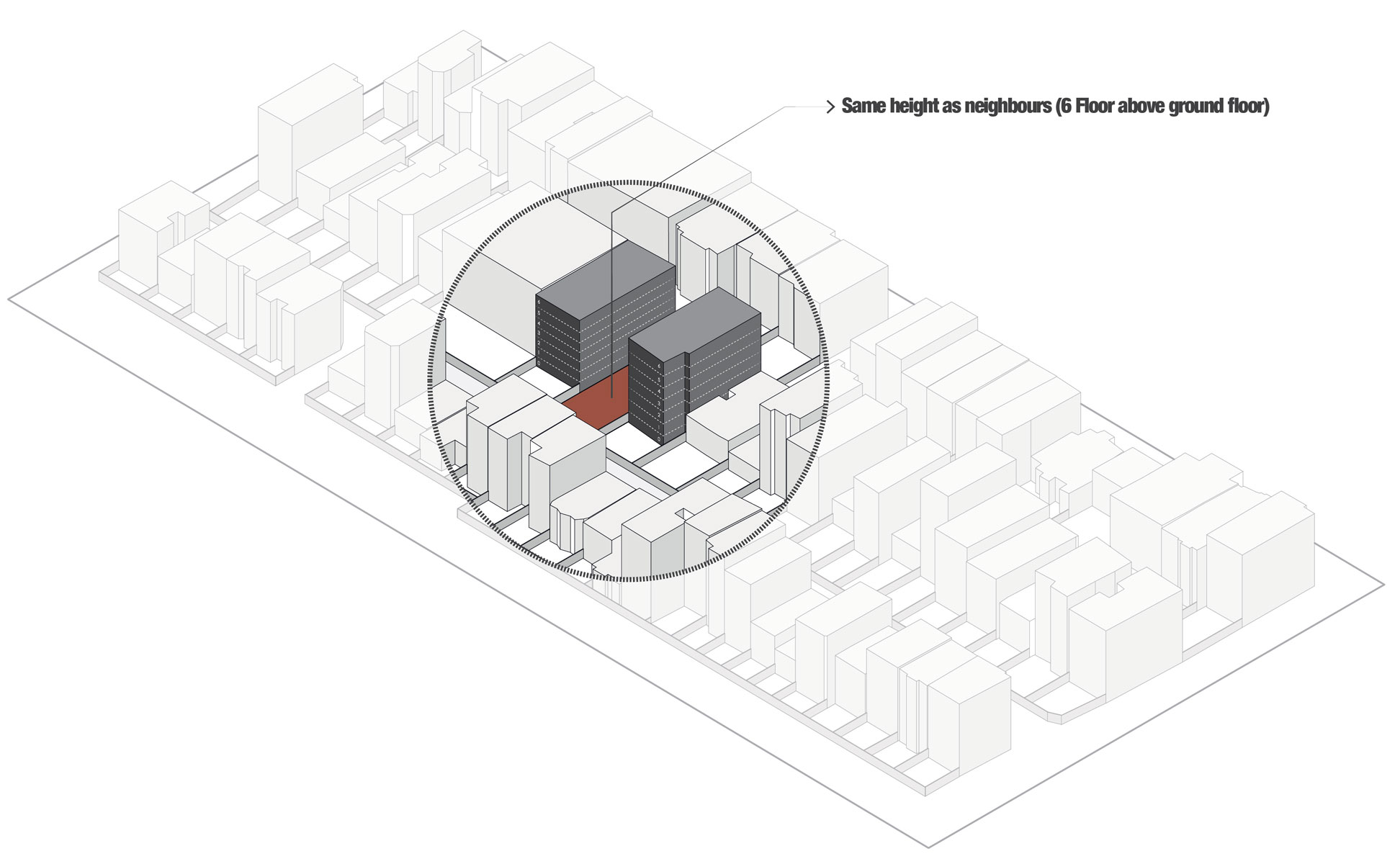
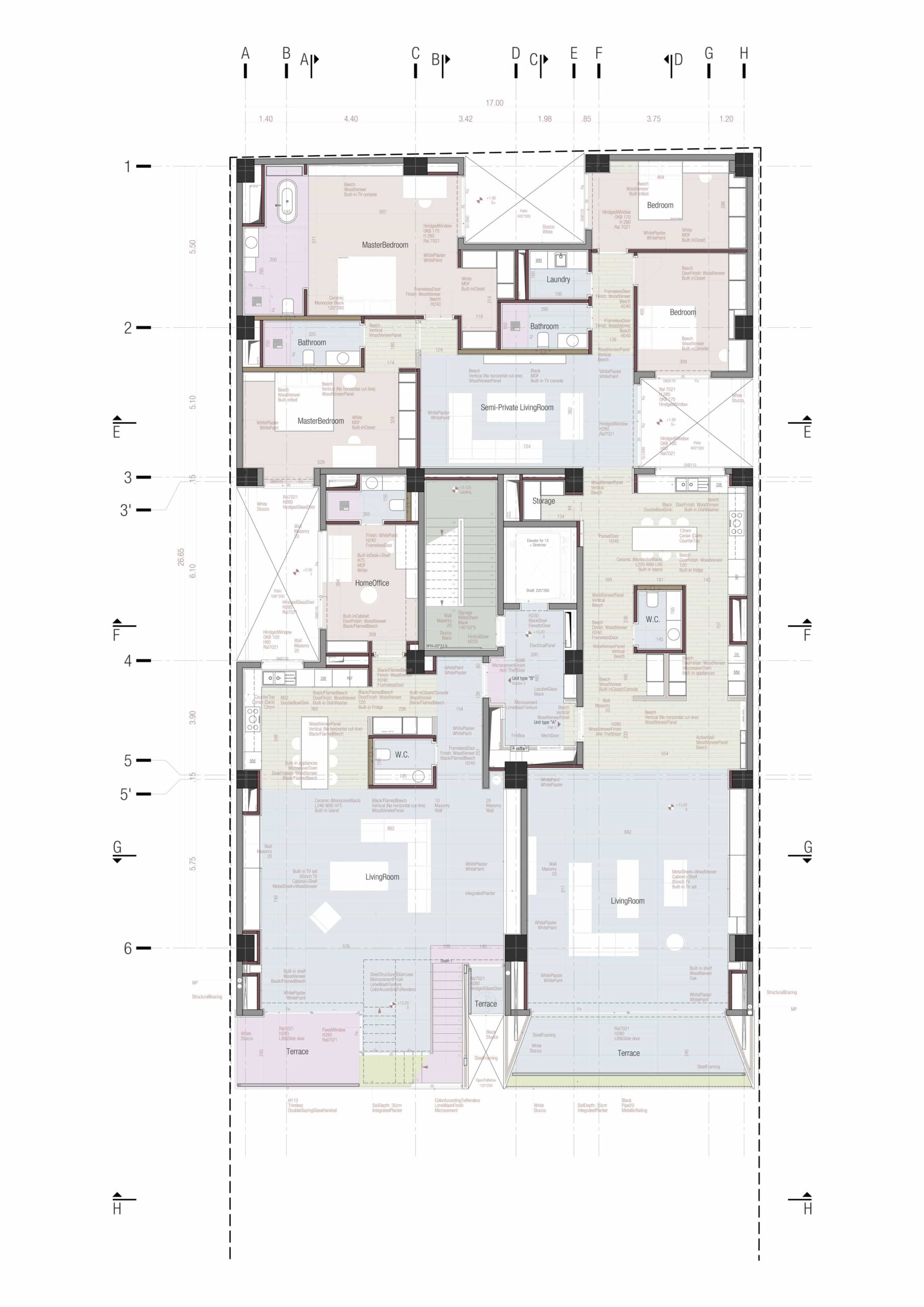
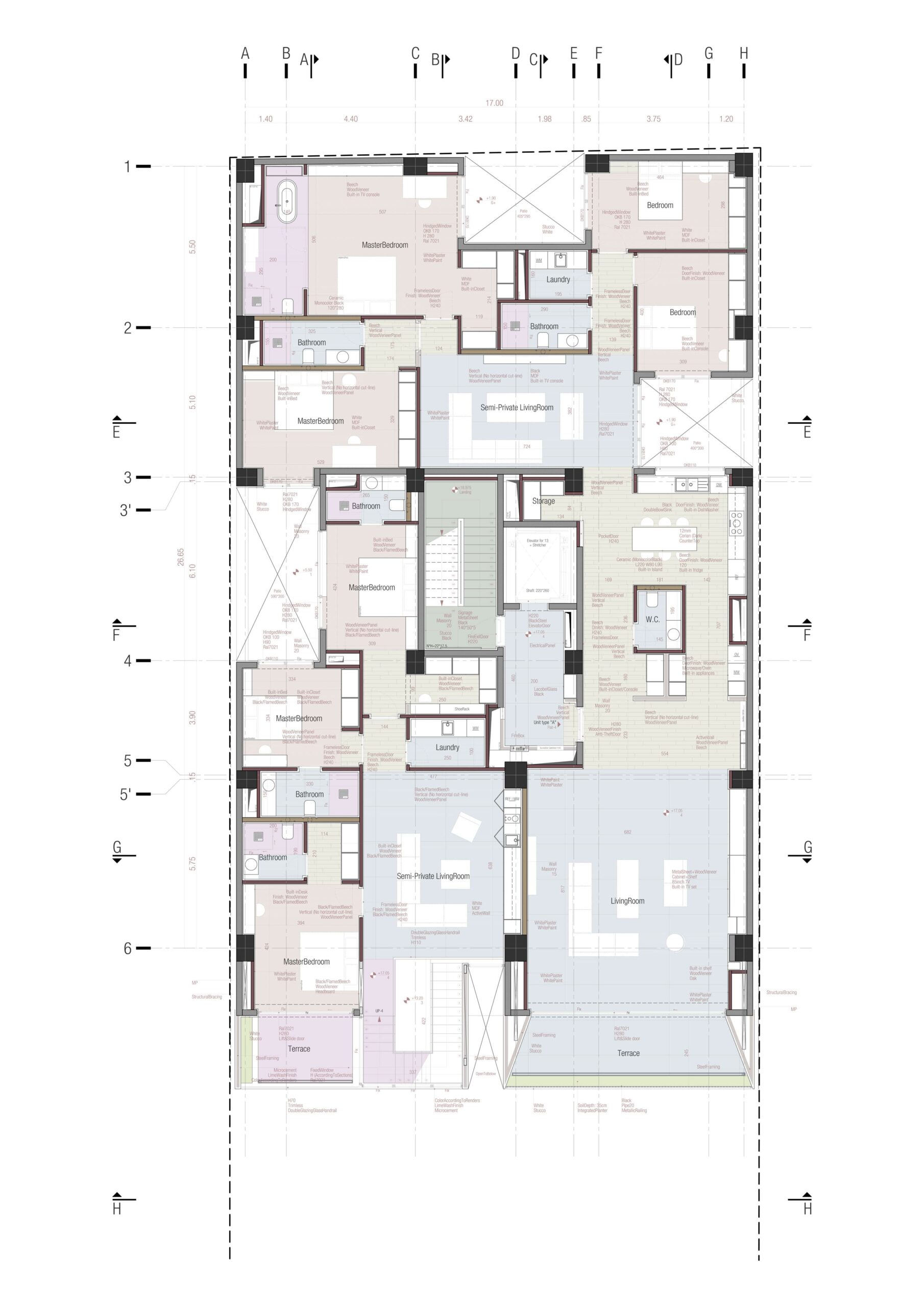
The dimensions of the site—with a high length-to-width ratio—the building footprint, and the programmatic requirements all activated the potential for reevaluating prior models. The proposed integration of duplex units as complements to flat units not only increased the typological diversity but also activated the sectional dimension of the apartment, generating layered spatial sequences.
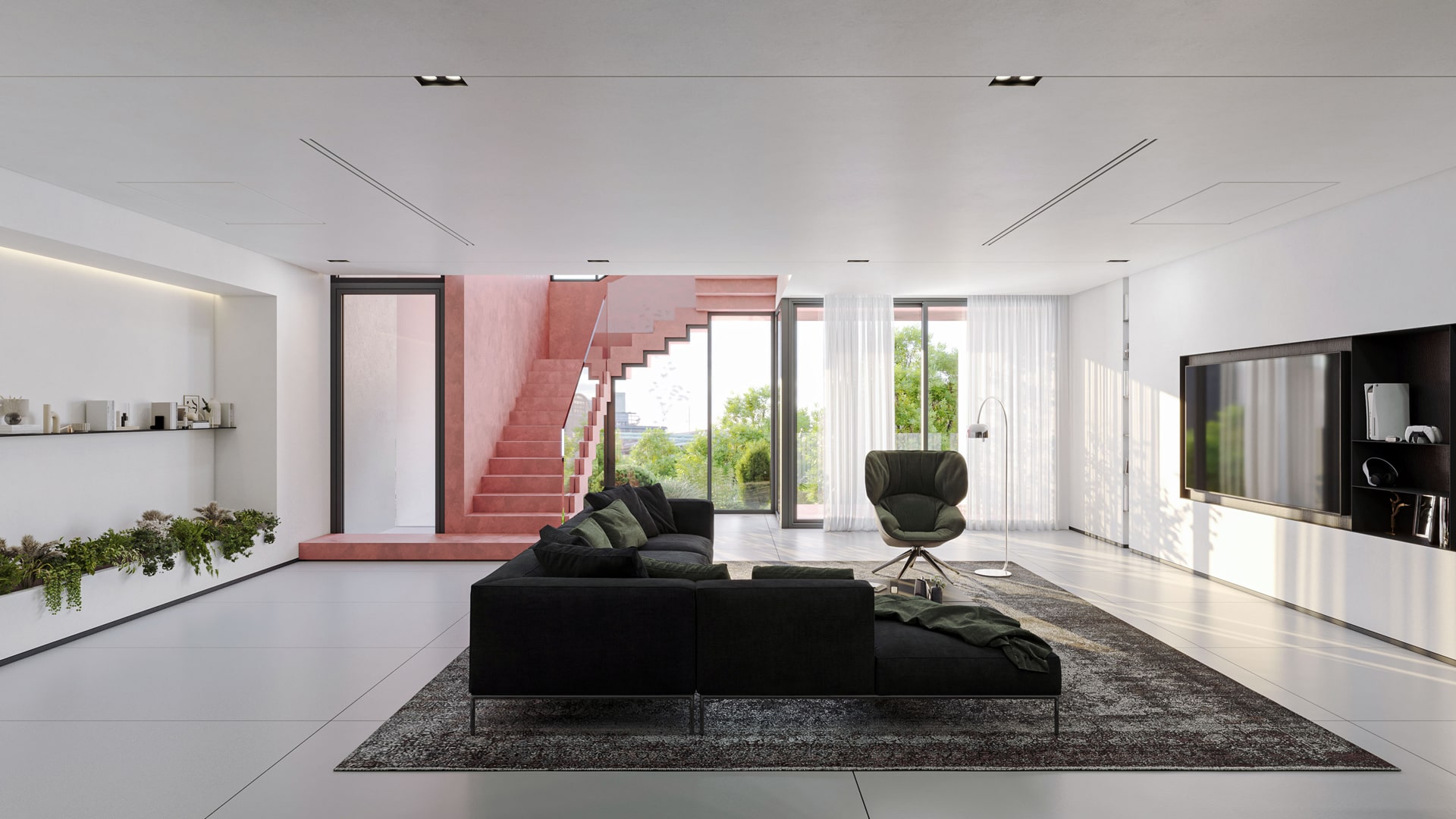
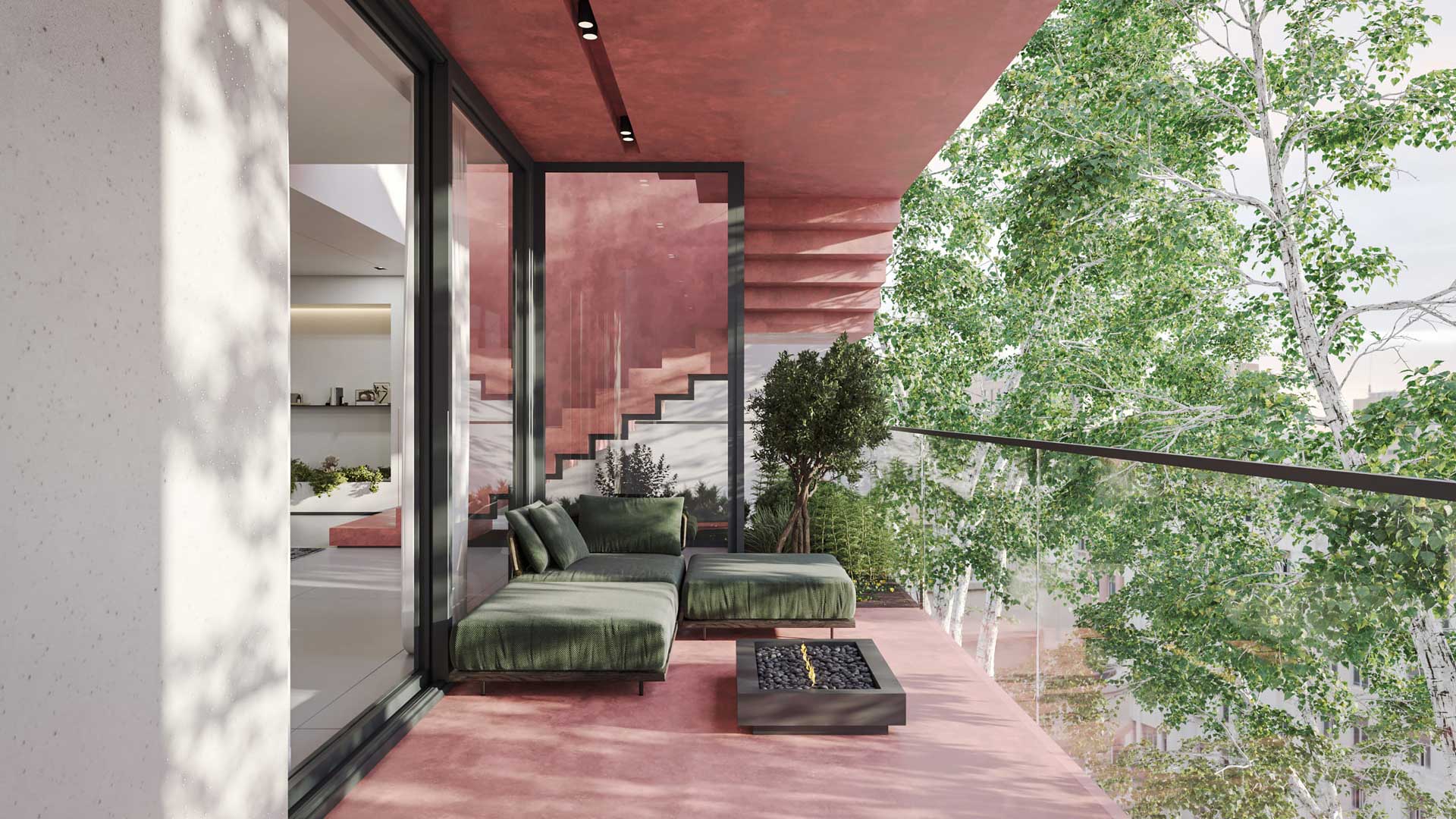
Moreover, the introduction of internal staircases within the duplex units, in relation to the façade, produced an atypical spatial quality for residential apartment typologies, effectively materializing the project’s core concept.
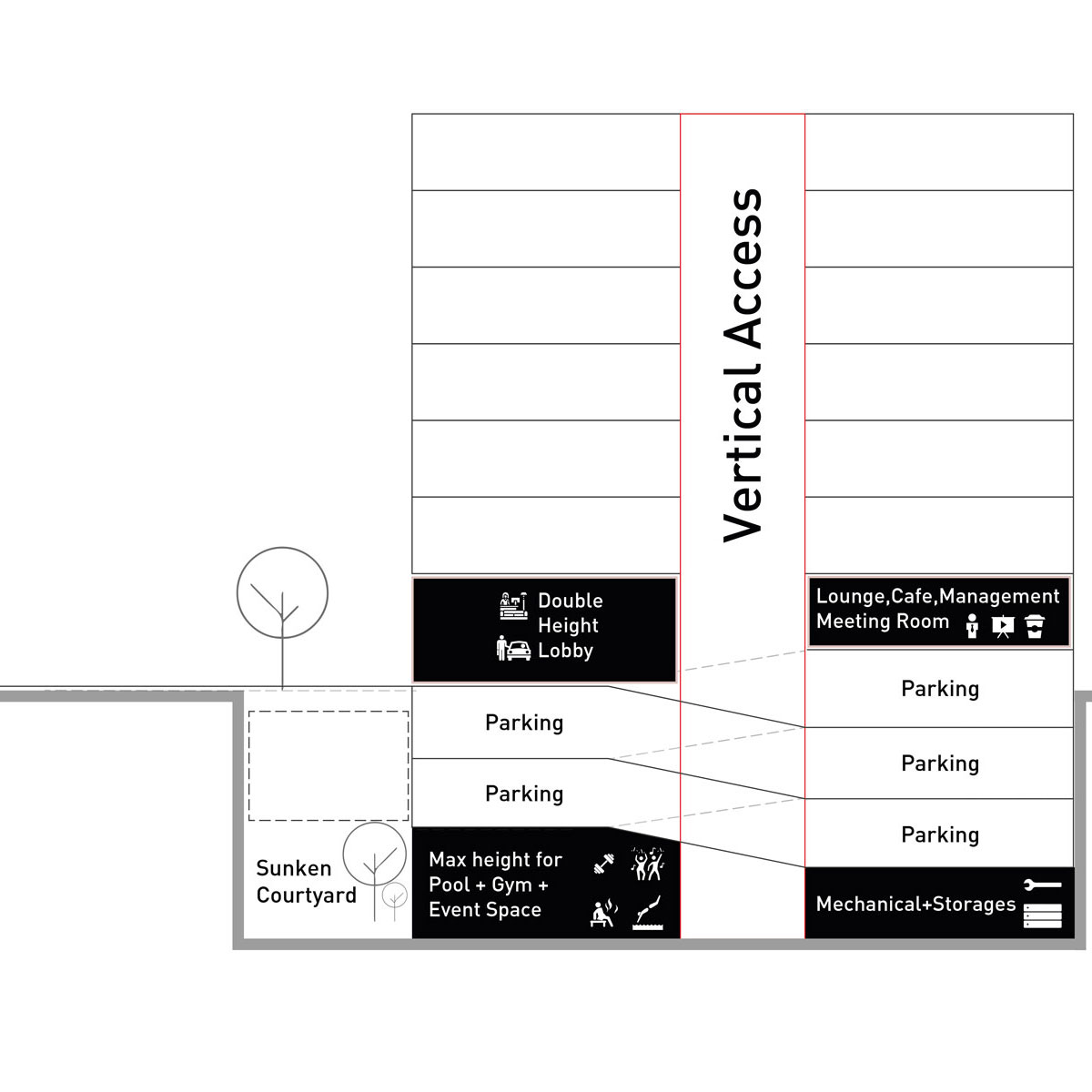
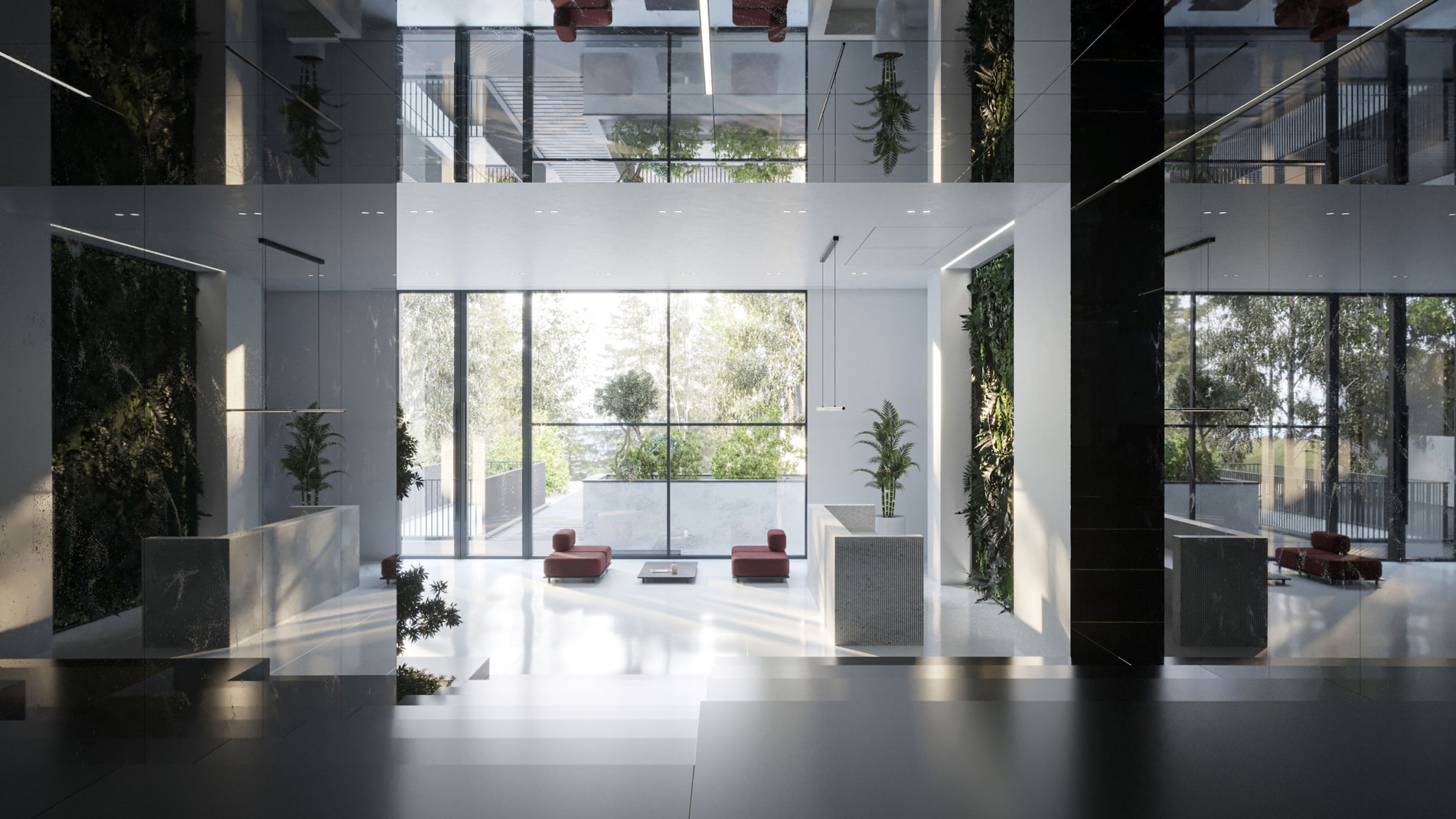
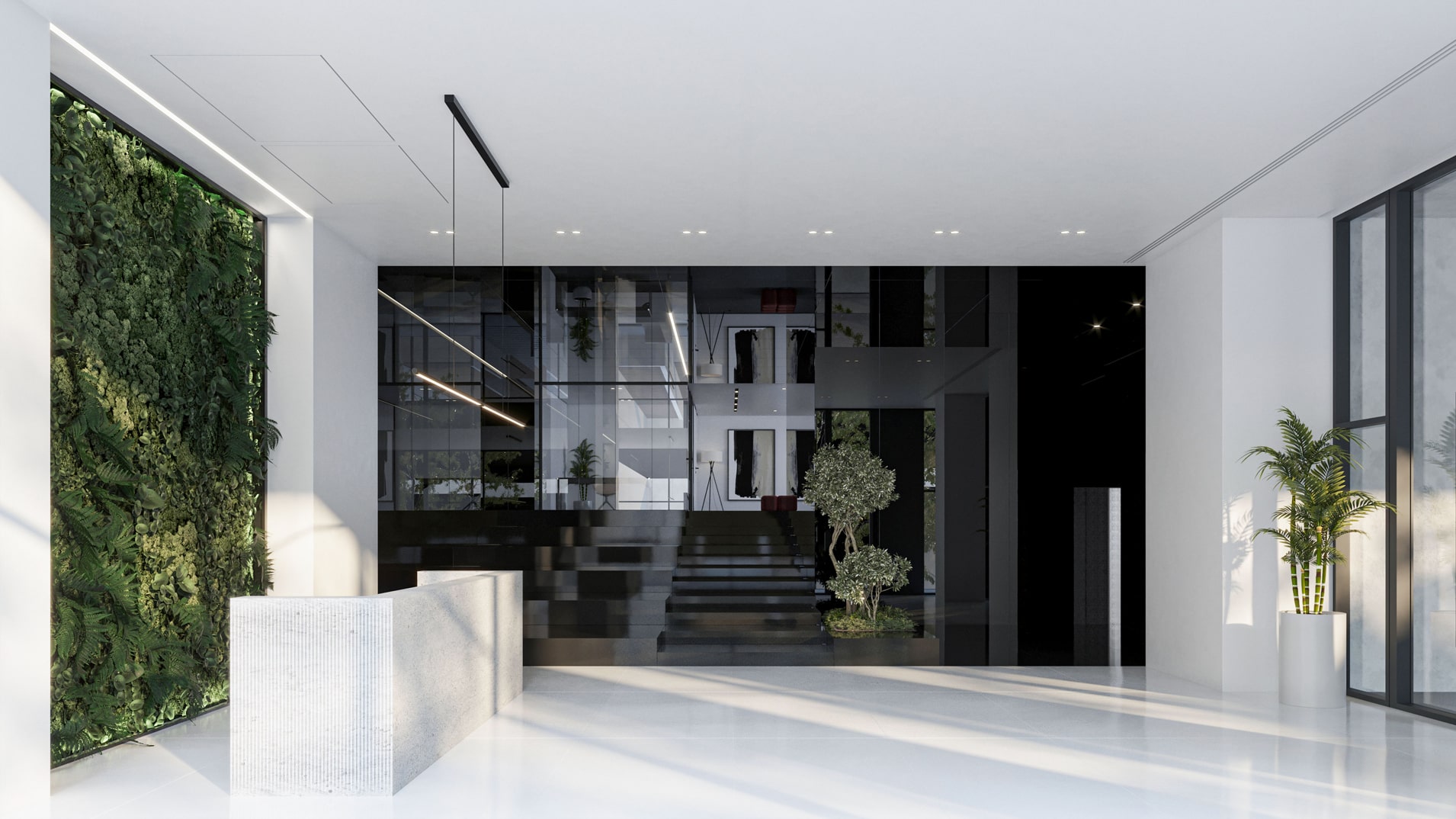
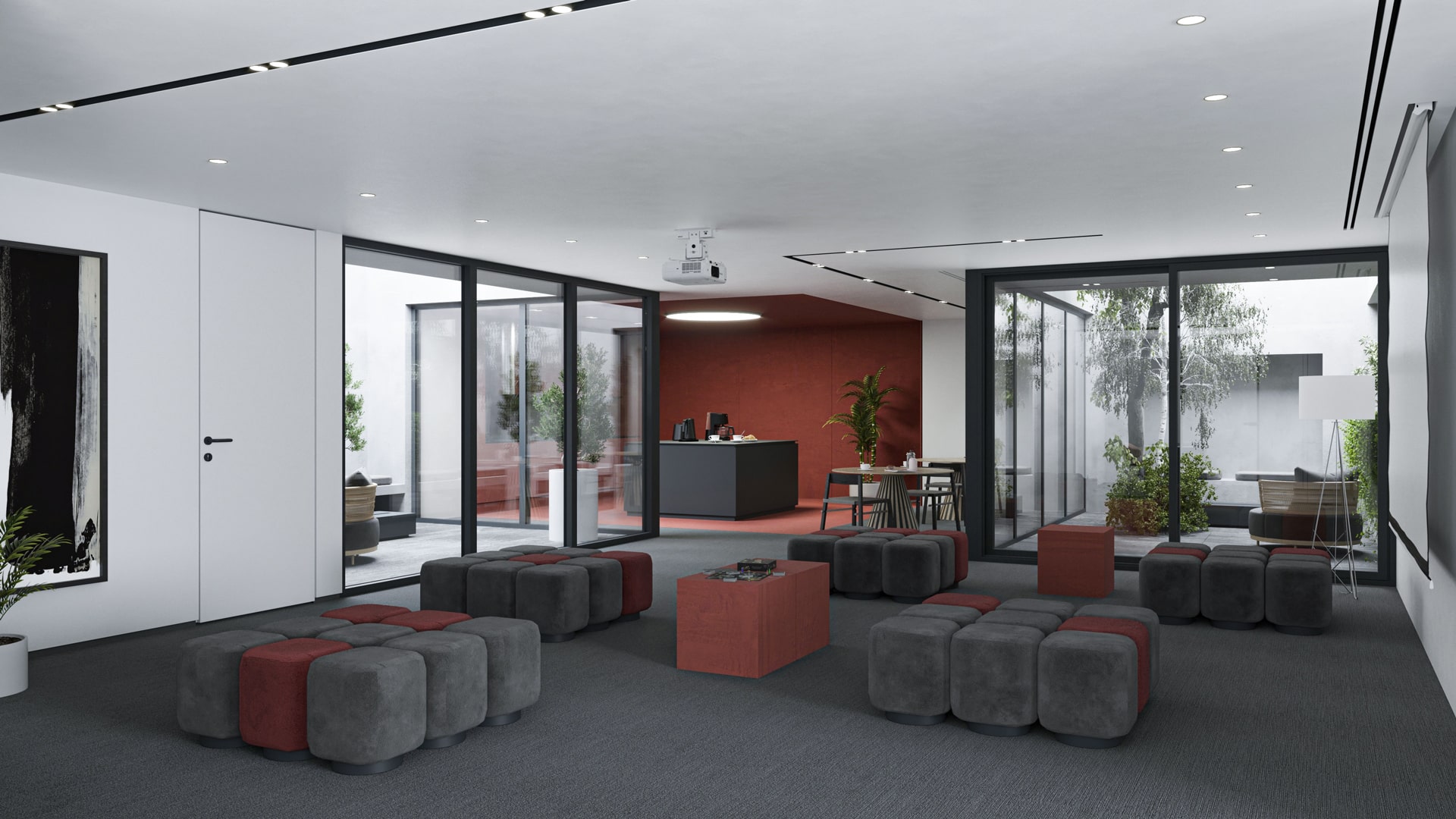
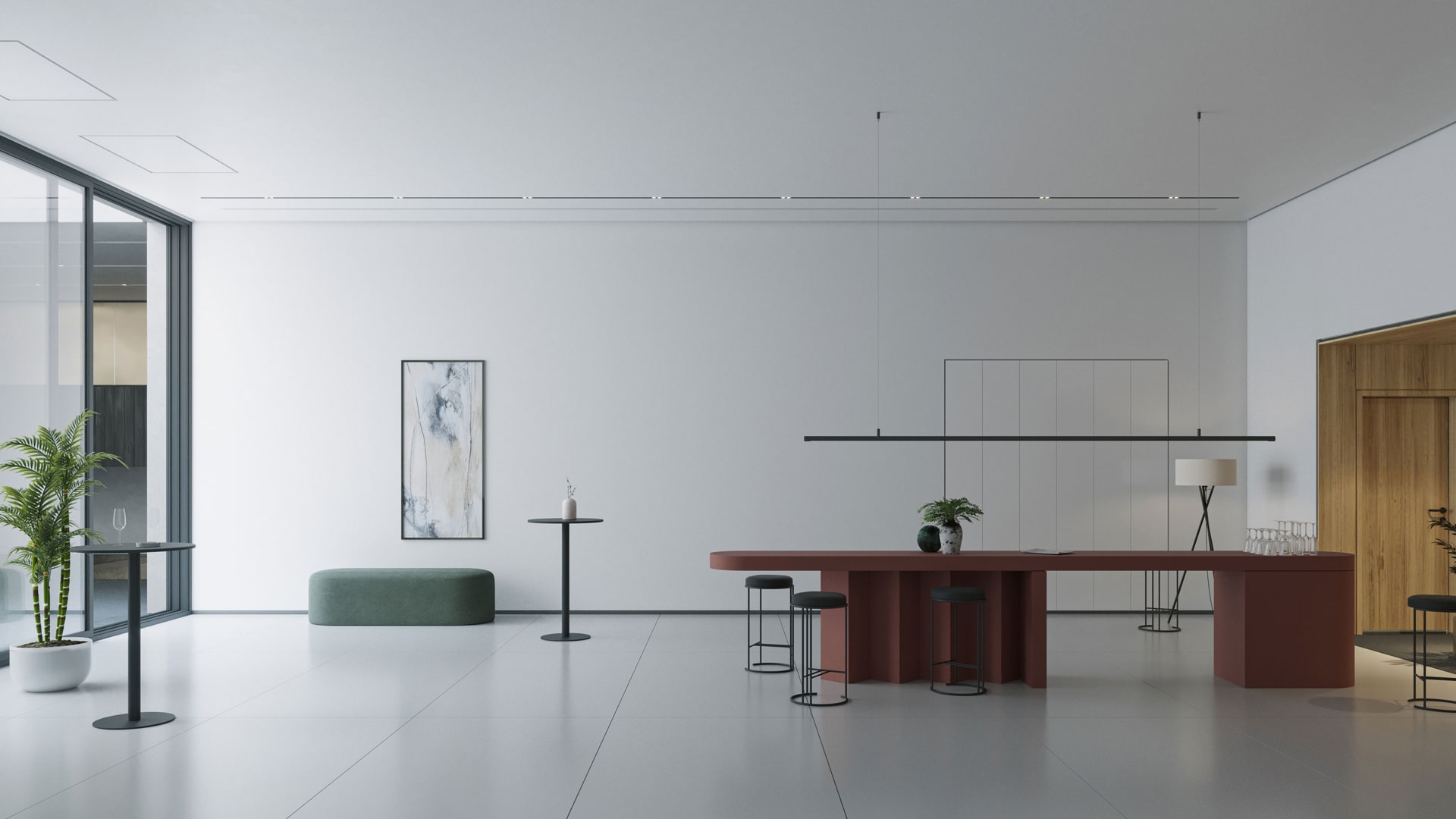
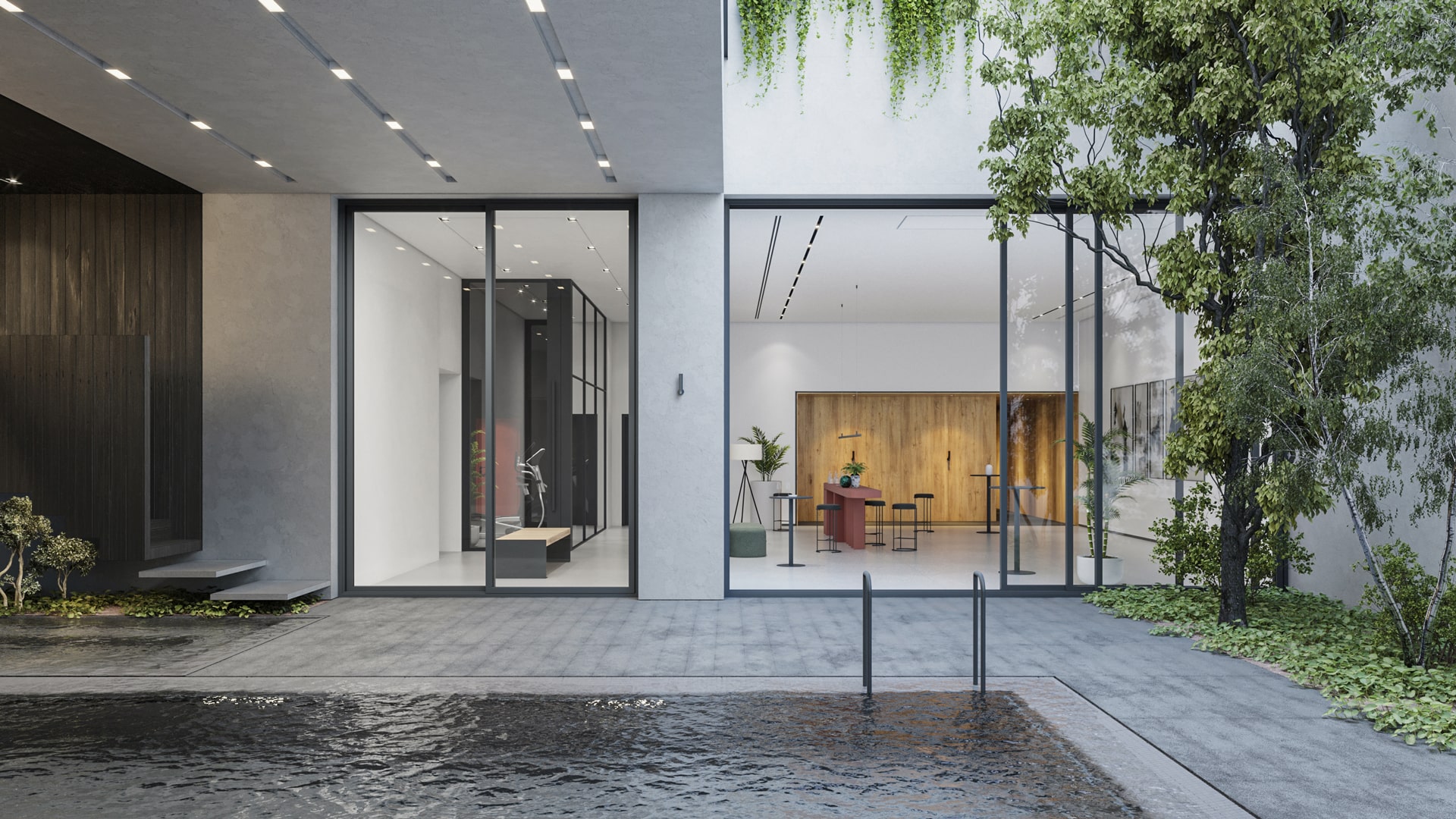
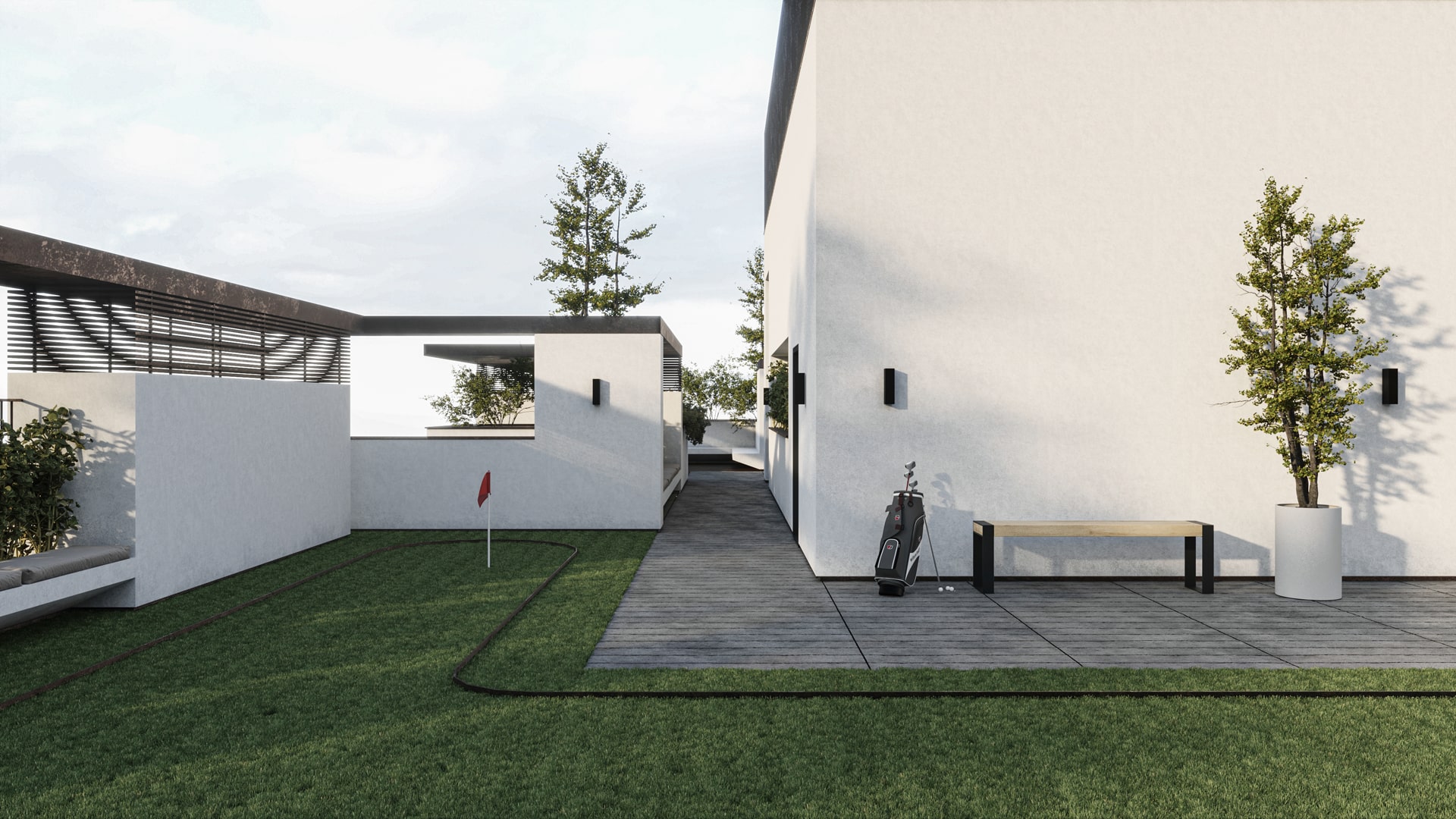
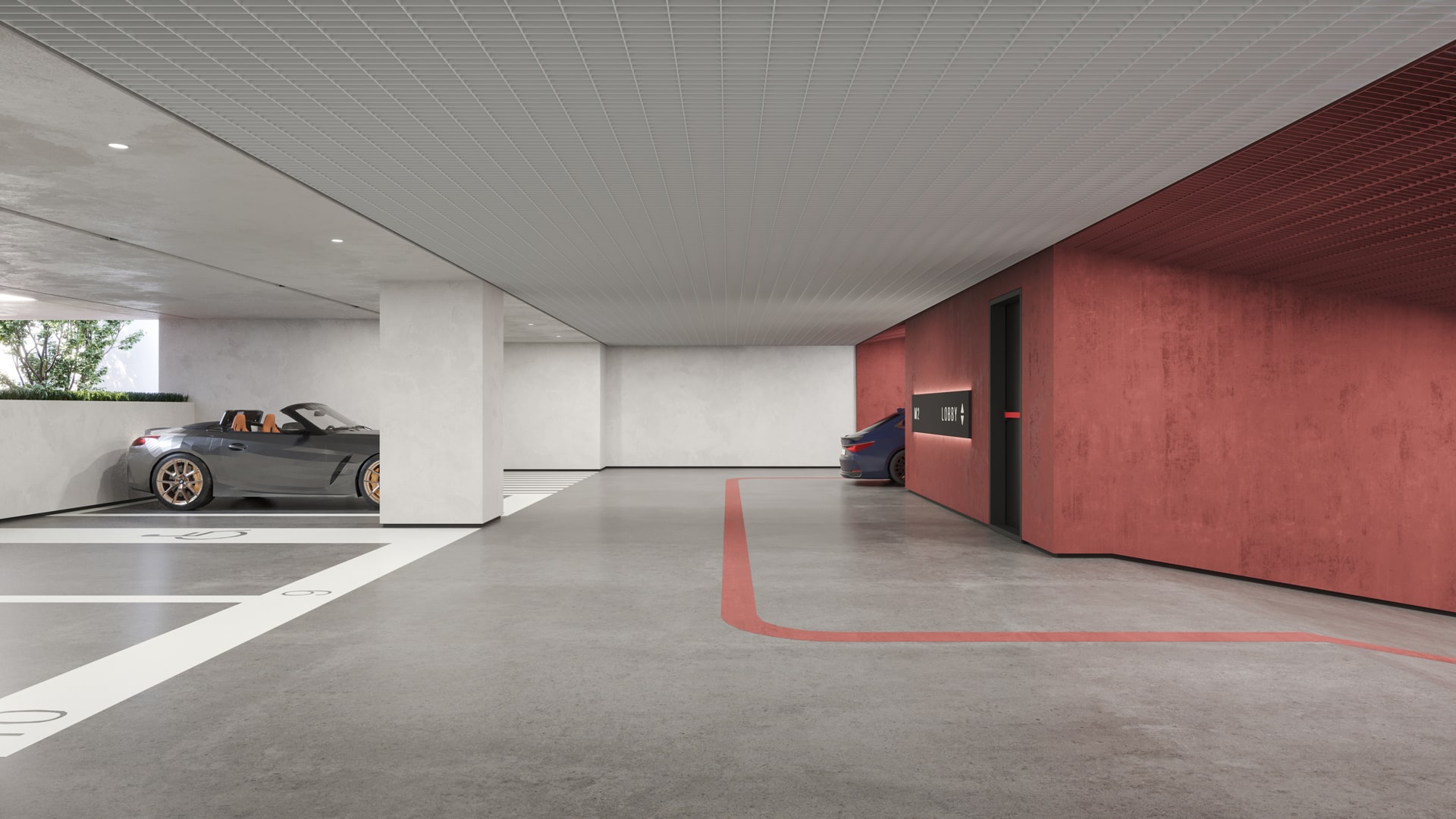
The central placement of the vertical circulation core presented an efficient and responsive solution for access, enabling two units per floor and allowing for a split-level configuration in the parking levels. This, combined with the allocation of amenity spaces in the basement levels and the implementation of the sunken garden typology (Godal-Baghche), enhanced the spatial quality of shared services and led to a more coherent organization of the program.
In conclusion, by intervening in the section, reconfiguring the layout of residential units, and integrating alternative models of vertical circulation and spatial organization, this project challenges the normative structure of the urban infill apartment. It opens up new possibilities for alternative paradigms in the design of what remains the dominant residential typology in urban development.
READ PROJECT DESCRIPTION IN FARSI
آپارتمان میانافزای شهری، به عنوان یک گونهی متعارف و پرکاربرد در سطح کلانشهرها، از الگوها و گونههای مشخص و روشنی استفاده میکند. استفاده از ساختار دومینو (سقف و کف مسطح، نما و پلان آزاد از طریق طراحی المانهای سازه ای) ریخت شناسی گونه آپارتمان میان افزا را به سمت طراحی جعبههای فضاییِ حداکثری سوق داده است. بازنگری در این الگو، اهمیت فعال سازی مقطع در ترکیب چینش واحدهای مسکونی را یادآوری میکند. امکان استفاده از واحدهای دوپلکس در کنار واحدهای مسطح در دوطبقه روی هم، ظرفیتهای فرمی و فضایی متنوعی را در سازماندهی برنامه و ابعاد بصری آپارتمان به وجود میآورد. انسجام فضایی که از پس این ساماندهی پدید میآید، به طور مستمر میتواند نسبت فضای پر و خالی، باز و بسته و مرز میان این دوگانهها را دستخوش تغییر و چالش کند. پروژهی آپارتمان پازلا، بهانهای برای پرداختن به سوالی اساسی بود. «چگونه میشود از درون یک جعبه میانبافتیِ متعارف، دیاگرام، پلان و فرمی با الگوی متفاوت بیرون کشید؟»
ابعاد زمین (نسبت بالای طول به عرض،) سطح اشغال و برنامهی پروژه، ظرفیت بازنگری در الگوهای قبلی را در درون خود فعال کرده بود. پیشنهاد استفاده از ترکیب واحدهای دوپلکس به عنوان مکمل واحدهای فلت در طبقات، علاوه بر افزایش تنوع تایپ واحدها، فعالسازی مقطع در آپارتمان و ایجاد سکانسهای فضایی متکثر را نیز به همراه داشت. همچنین استفاده از پلکان داخلی واحدهای دوپلکس در نسبت با نما، موجب ایجاد کیفیت فضایی غیرمعمول در گونهی آپارتمان مسکونی بود که به صورت فعالانه ایدهی اصلی پروژه را متبلور میکرد.
جانمایی هستهی دسترسی عمودی در مرکز، الگویی پاسخگو برای تامین بهینهی دسترسیها (دو واحد در هر طبقه) بود که امکان استفاده از الگوی Split را در طبقات پارکینگ فراهم میکرد. این امر در کنار جانمایی امکانات رفاهی در طبقات زیرزمین و بهرهمندی از الگوی گودالباغچه، موجب افزایش کیفیت فضایی خدمات اشتراکی و تدوین بهینهی برنامهی پروژه با انسجام فضایی یکپارچهتر شده است. در نتیجه، تغییر در ساختار متداول آپارتمان میانافزا، با مداخله در مقطع و چیدمان واحدهای مسکونی و ترکیب با الگوهای دسترسی عمودی و سازماندهی فضاهای مسکونی، امکان اندیشیدن به الگوهای جایگزین در طراحی آپارتمان میانافزا (به عنوان تایپ غالب پروژههای مسکونی) را فراهم میکند.