© PRAGMATICA ARCHITECTURAL DESIGN STUDIO | ALL RIGHTS RESERVED. | 2025

WEBSITE DESIGN: STUDIO KOLY

C Door Showroom

Project: C Door Showroom
Location: Tehran, Mulla Sadra
Function: Commercial
Type: showroom
Area: 200m2
Year: 2024
Status: Designed

Client: C Door Company
Architect: PRAGMATICA DESIGN STUDIO | Mohammadreza Mohebali
Design Team: Hosein Khorassani, Ahmadreza Rahimov

C Door Showroom

Project: C Door Showroom
Location: Tehran, Mulla Sadra
Function: Commercial
Type: showroom
Area: 200m2
Year: 2024
Status: Designed

Client: C Door Company
Architect: PRAGMATICA DESIGN STUDIO | Mohammadreza Mohebali
Design Team: Hosein Khorassani, Ahmadreza Rahimov

C Door Showroom- Pragmatica Design Studio

Designing a brand’s future showroom network requires striking a balance between maintaining a consistent brand identity and adapting to future developments. In the architectural door industry, showroom expansion must not only respond to current needs but also accommodate technological advancements, market shifts, and evolving user expectations. Consequently, showroom design demands a framework that preserves the brand’s identity across all locations while remaining adaptable to a wide range of spatial and functional conditions.

C Door Showroom- Pragmatica Design Studio

This approach is grounded in the definition of the brand’s core principles, including its visual identity, organizational values, and user experience. Building upon these foundations, modular systems and scalable structures enable the development and reinterpretation of these principles in future projects. Within this perspective, the focus shifts from designing fixed solutions to establishing flexible and adaptable frameworks.

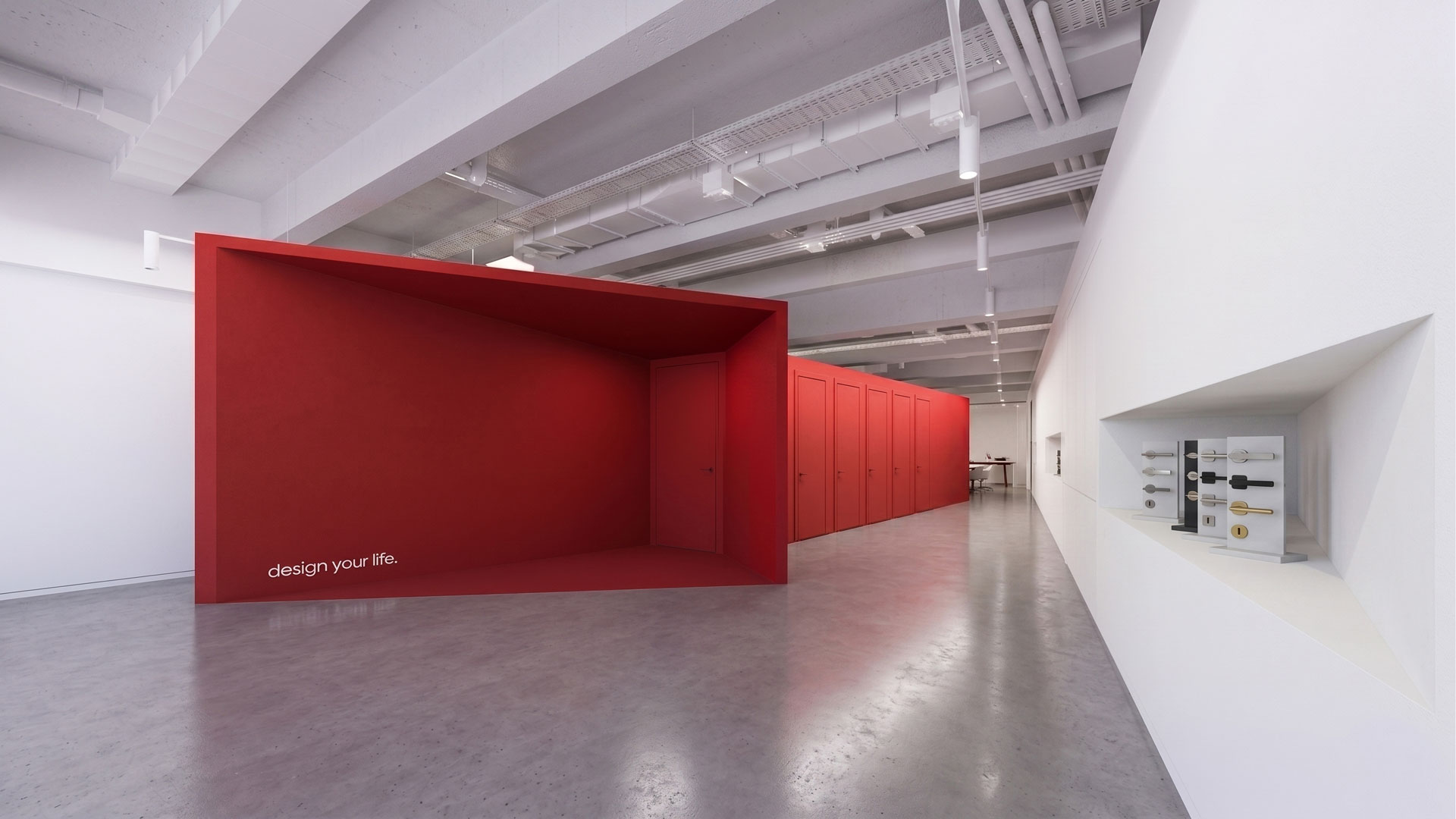
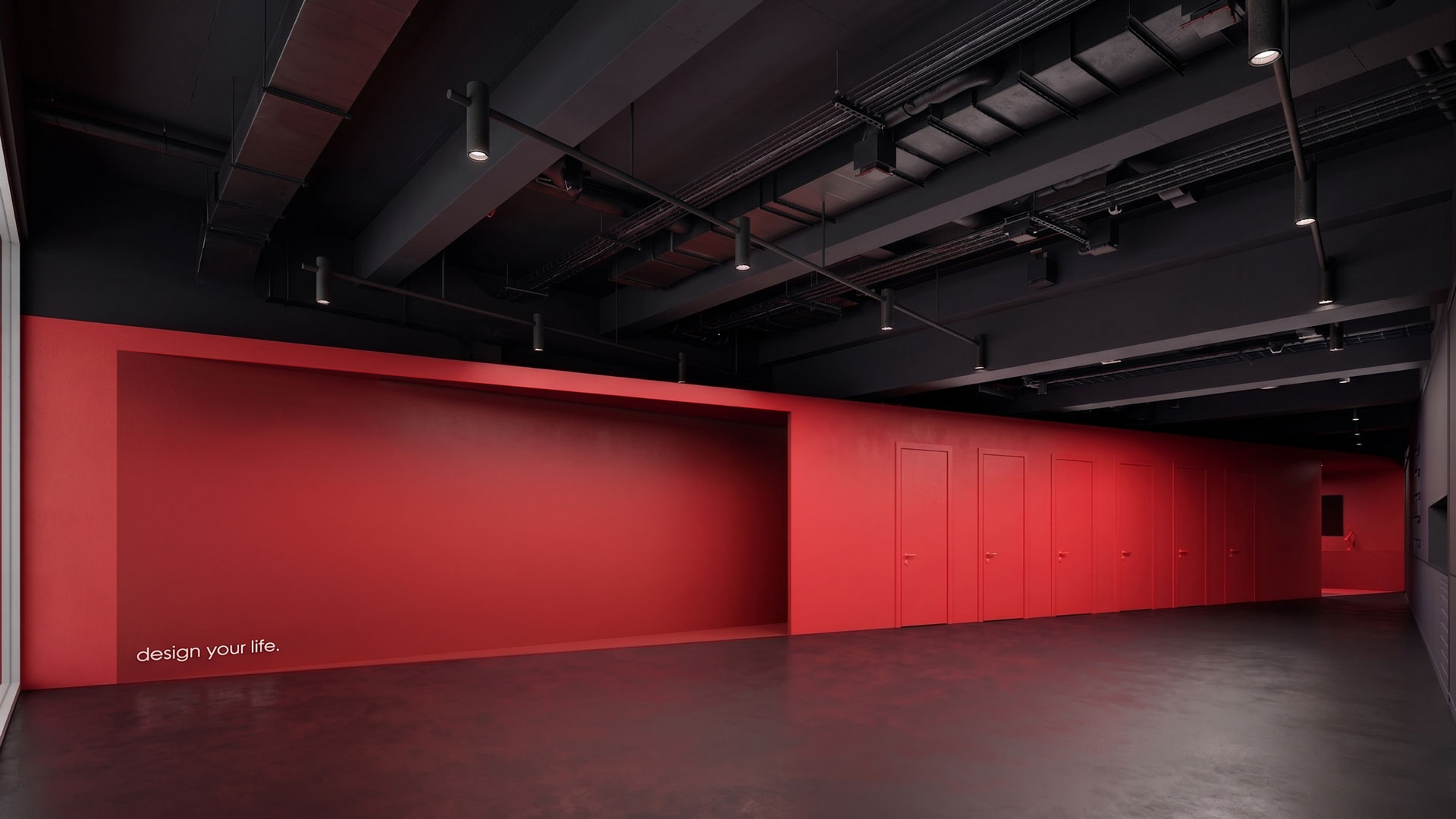
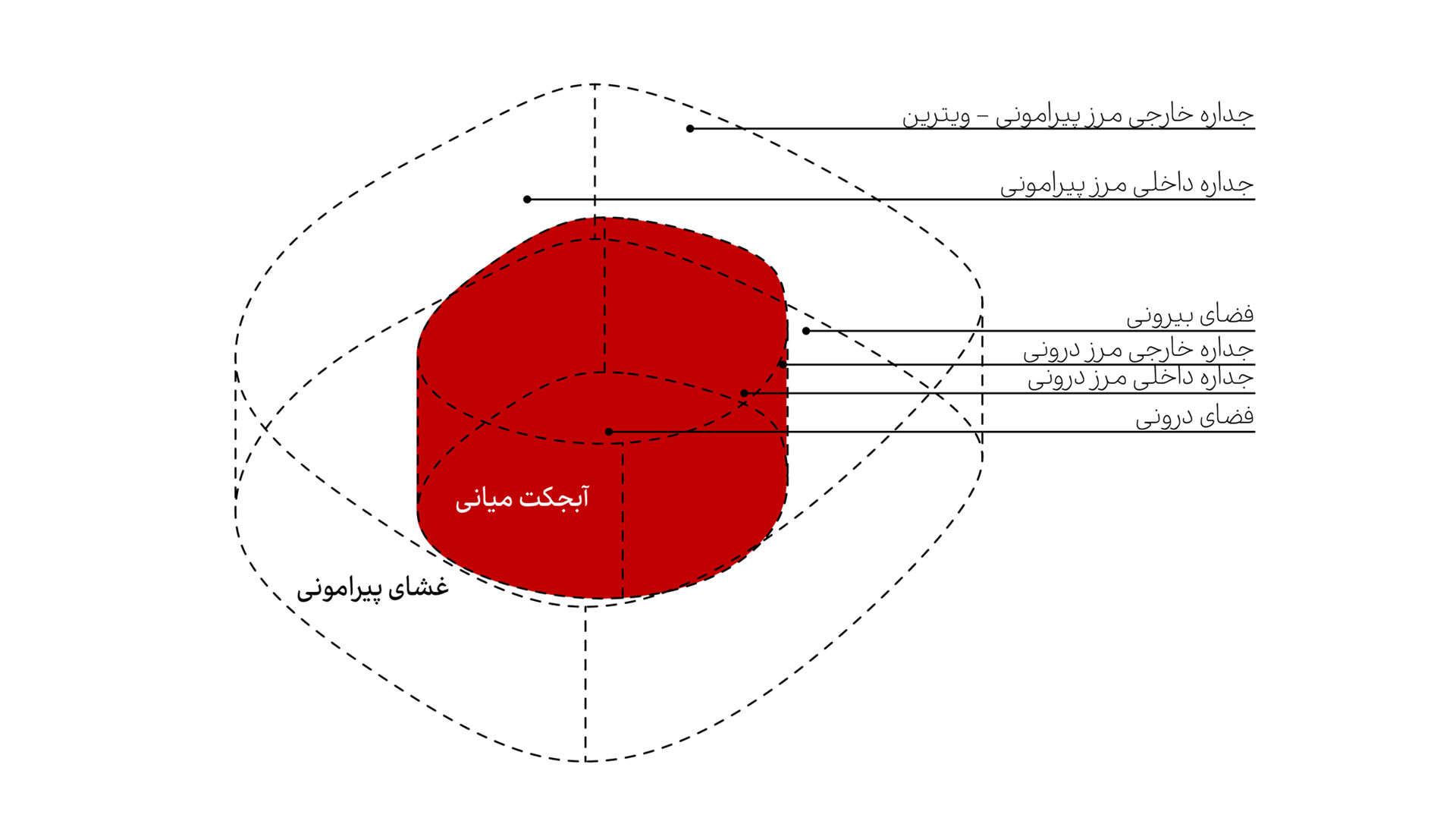
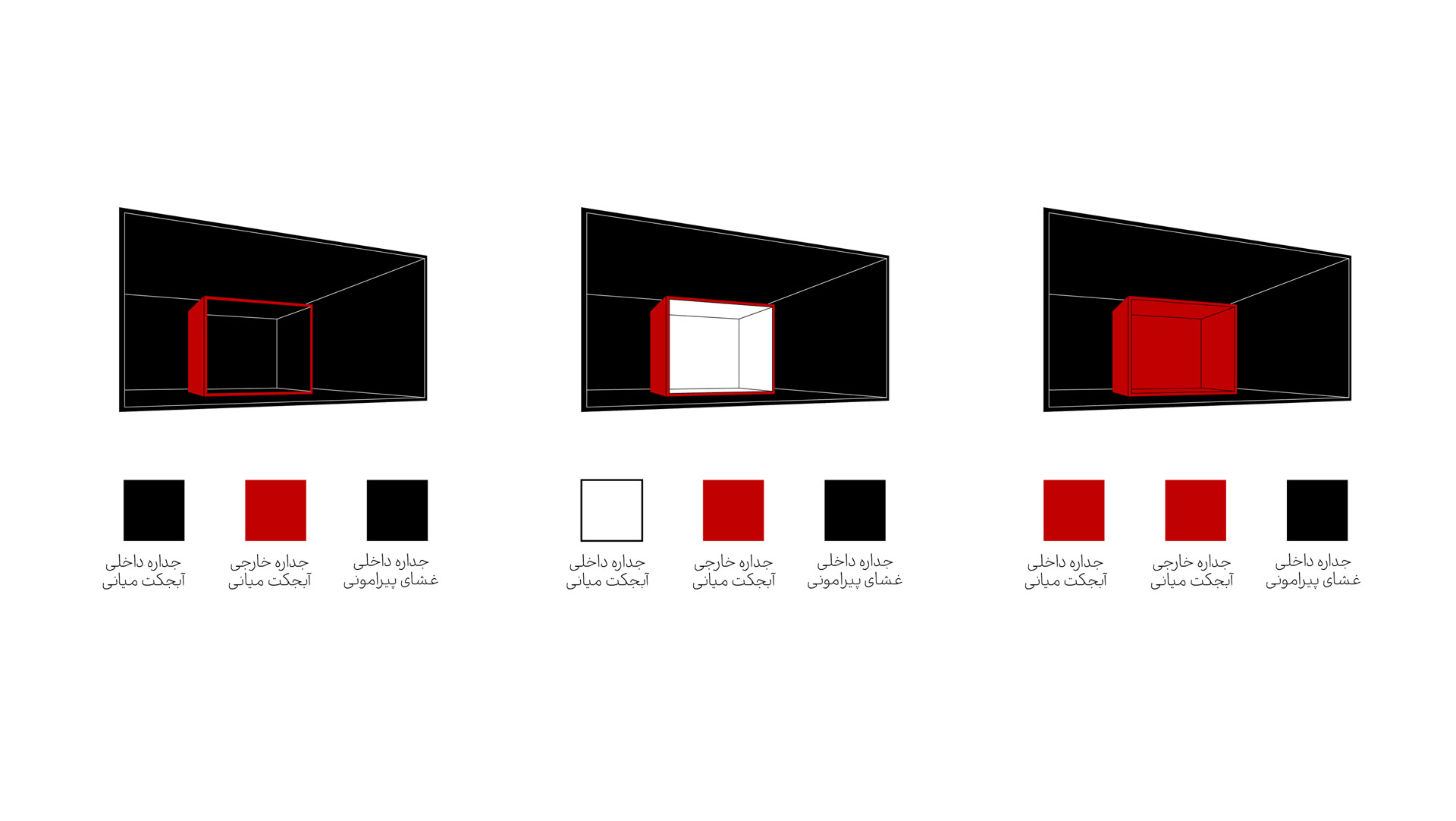
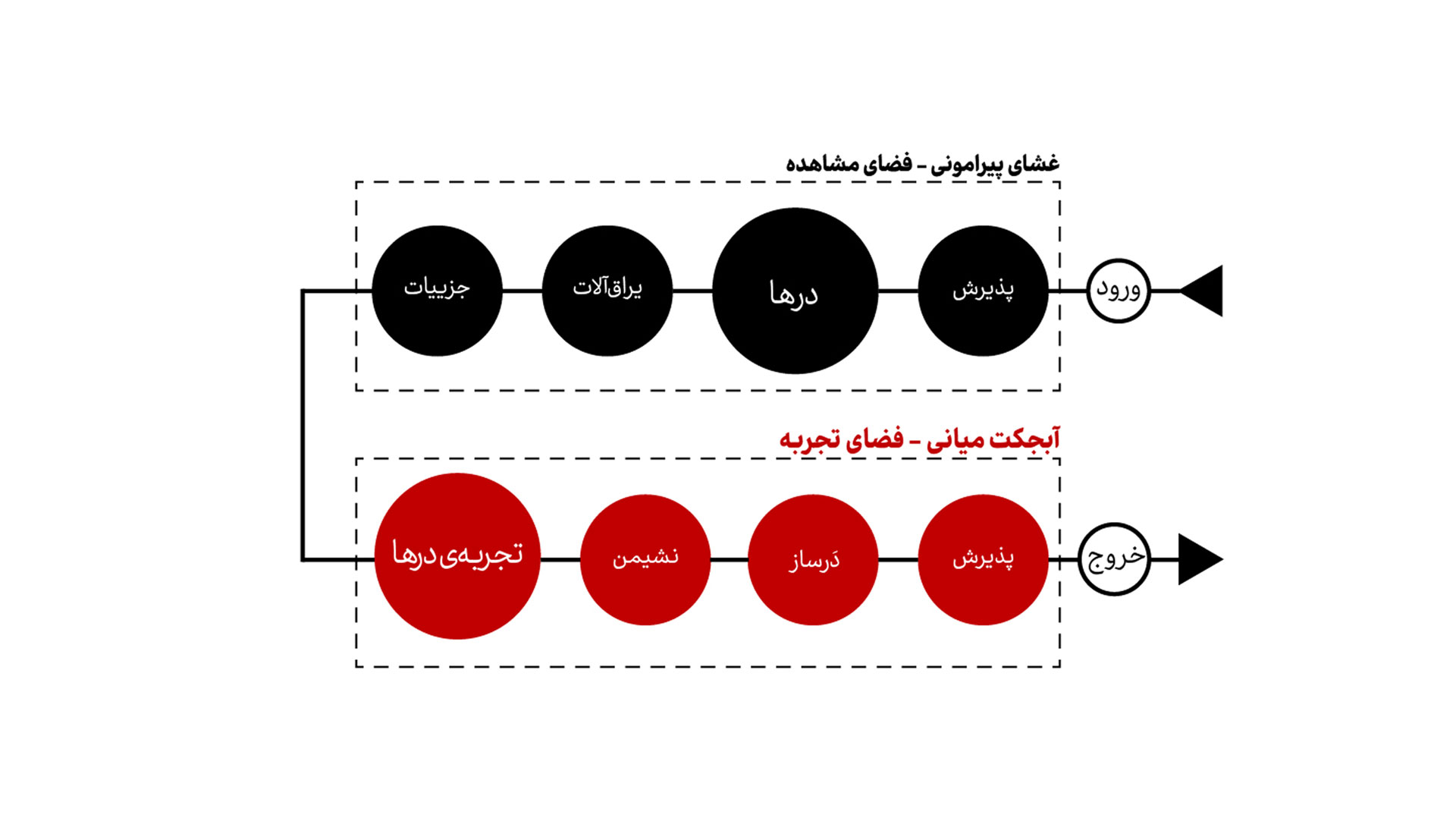
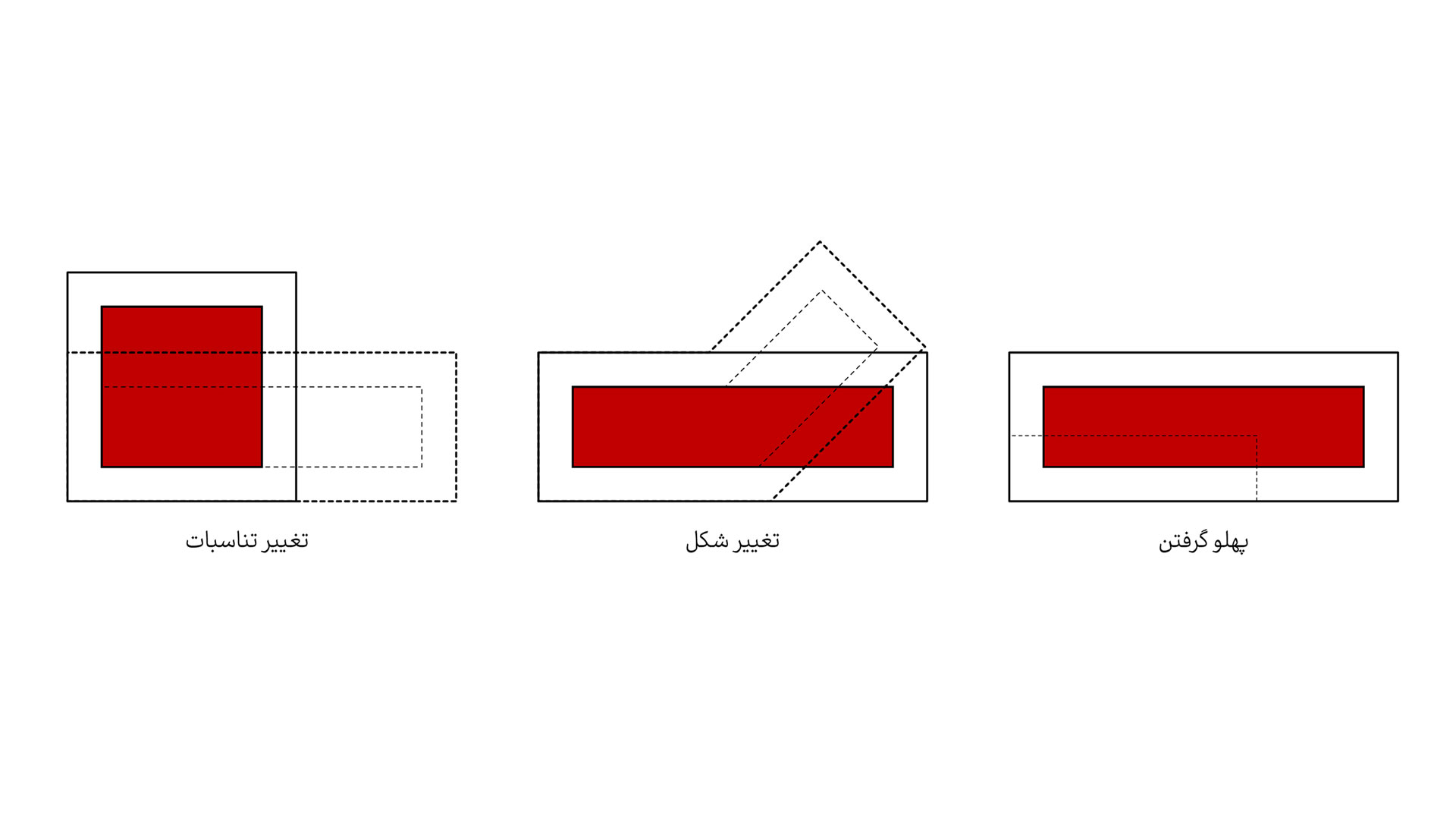
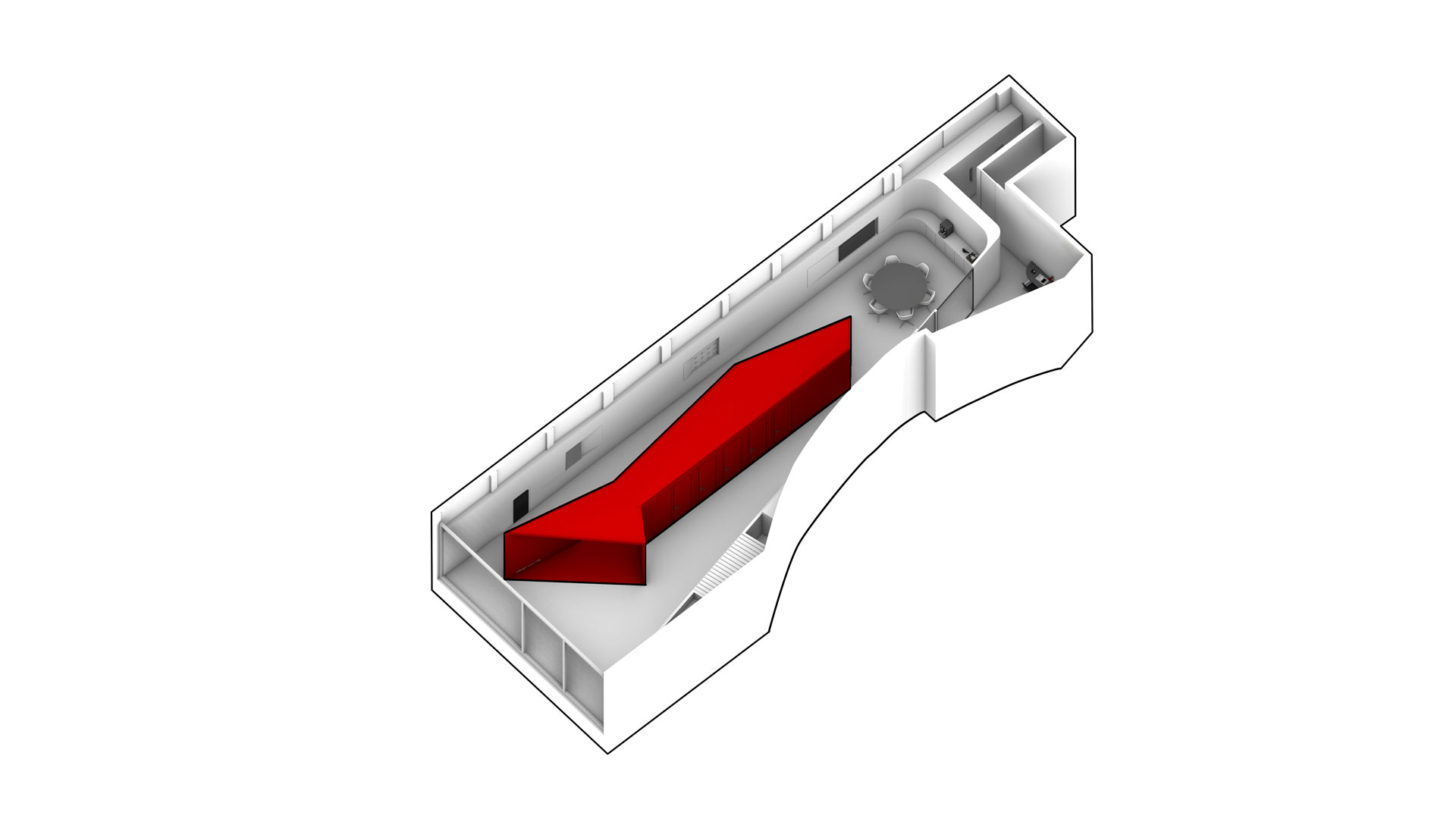
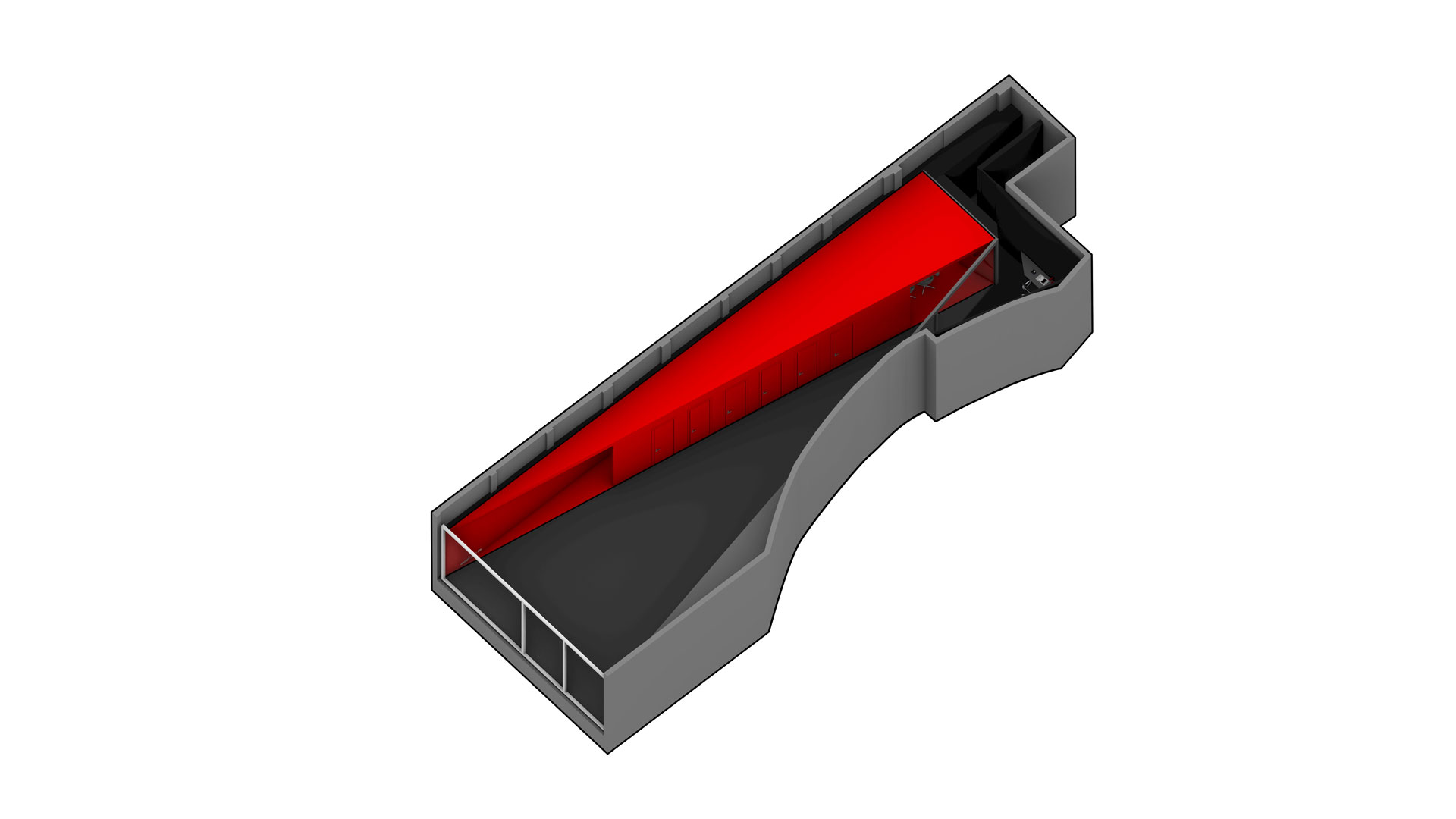
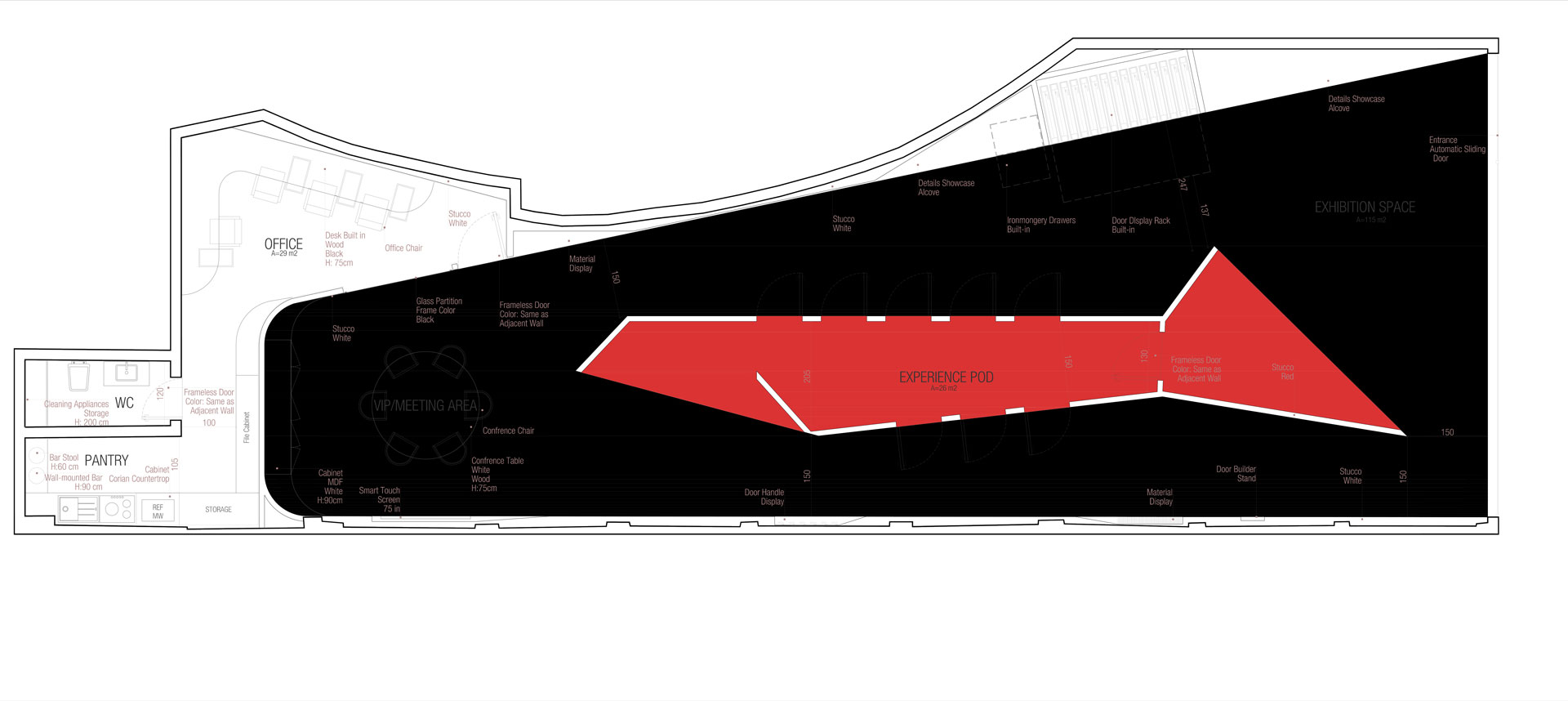
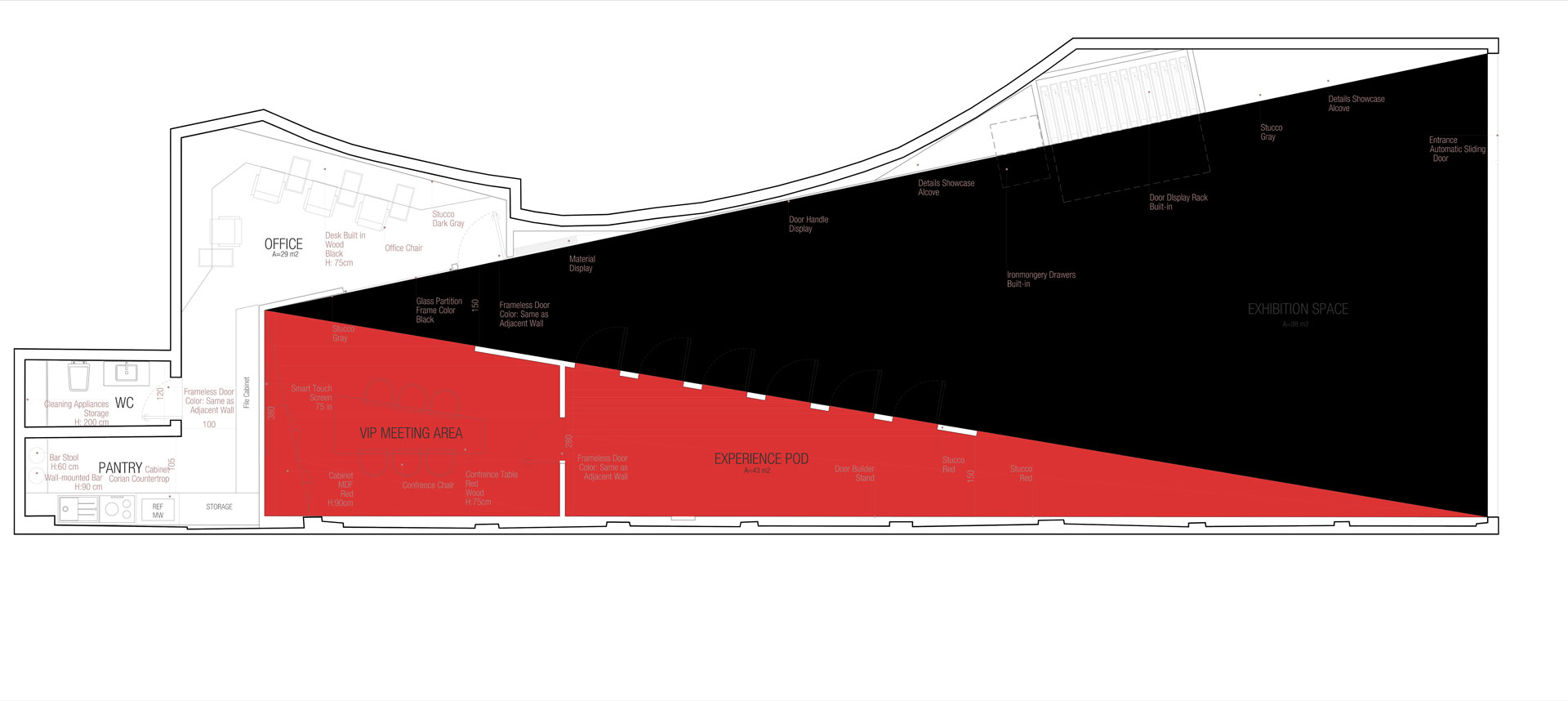
According to the project brief, the brand’s showrooms—despite differences in size, location, and physical characteristics—should follow a common design language and express a unified identity. To achieve this objective, each showroom is divided into two primary components: the Peripheral Membrane and the Central Object.

C Door Showroom- Pragmatica Design Studio
Alternative-01
C Door Showroom- Pragmatica Design Studio
Alternative-02

Peripheral Membrane

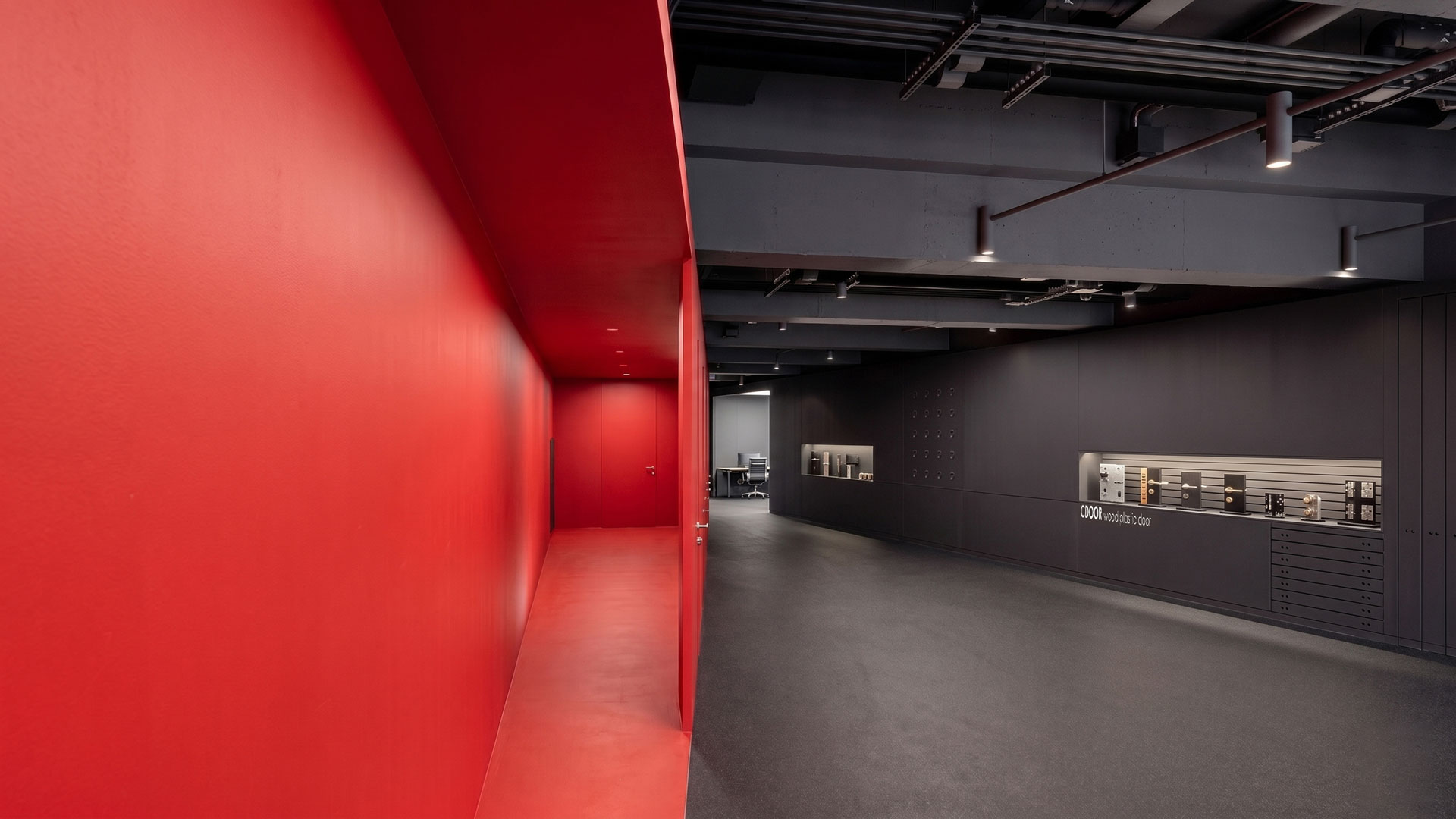
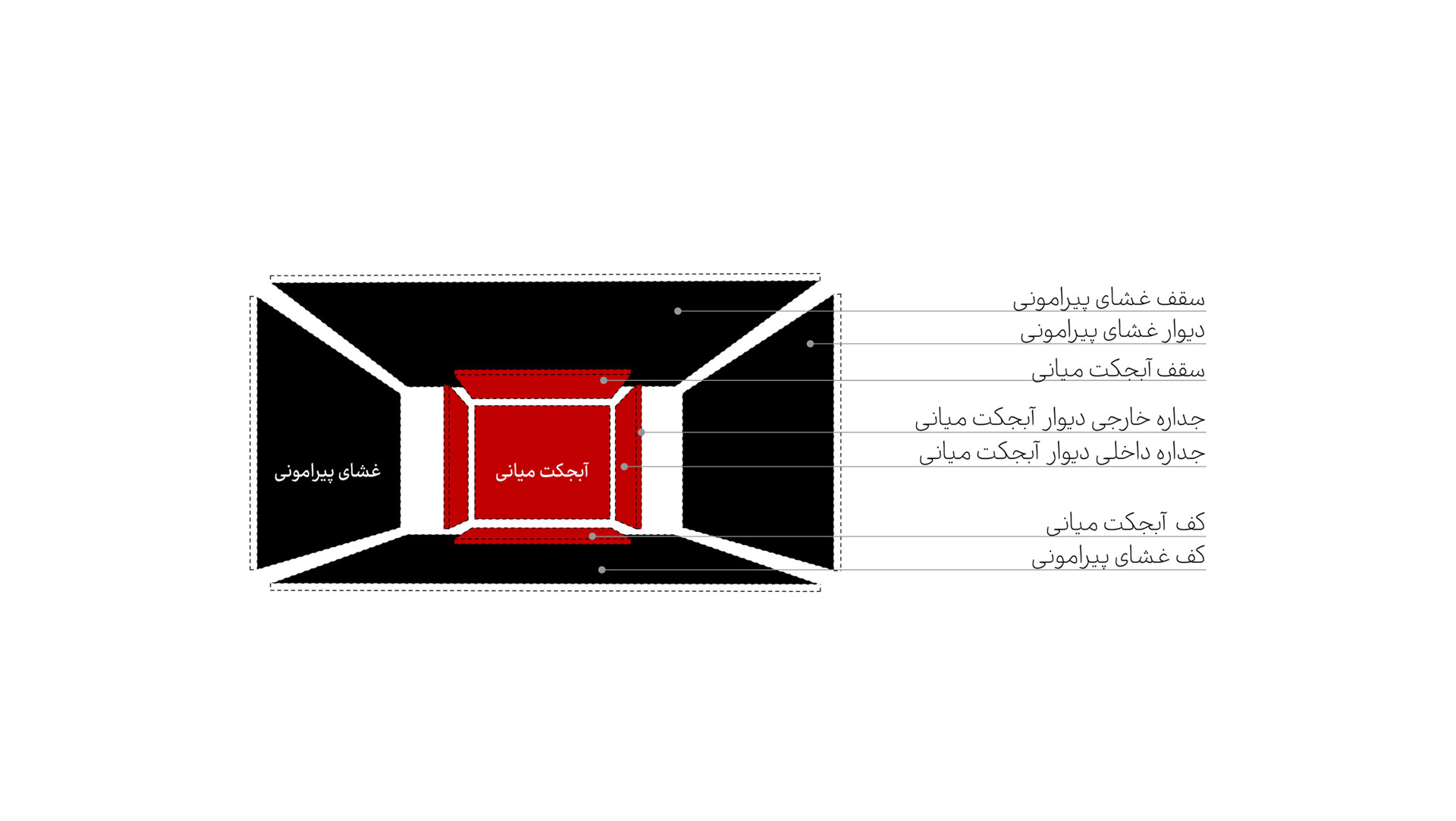
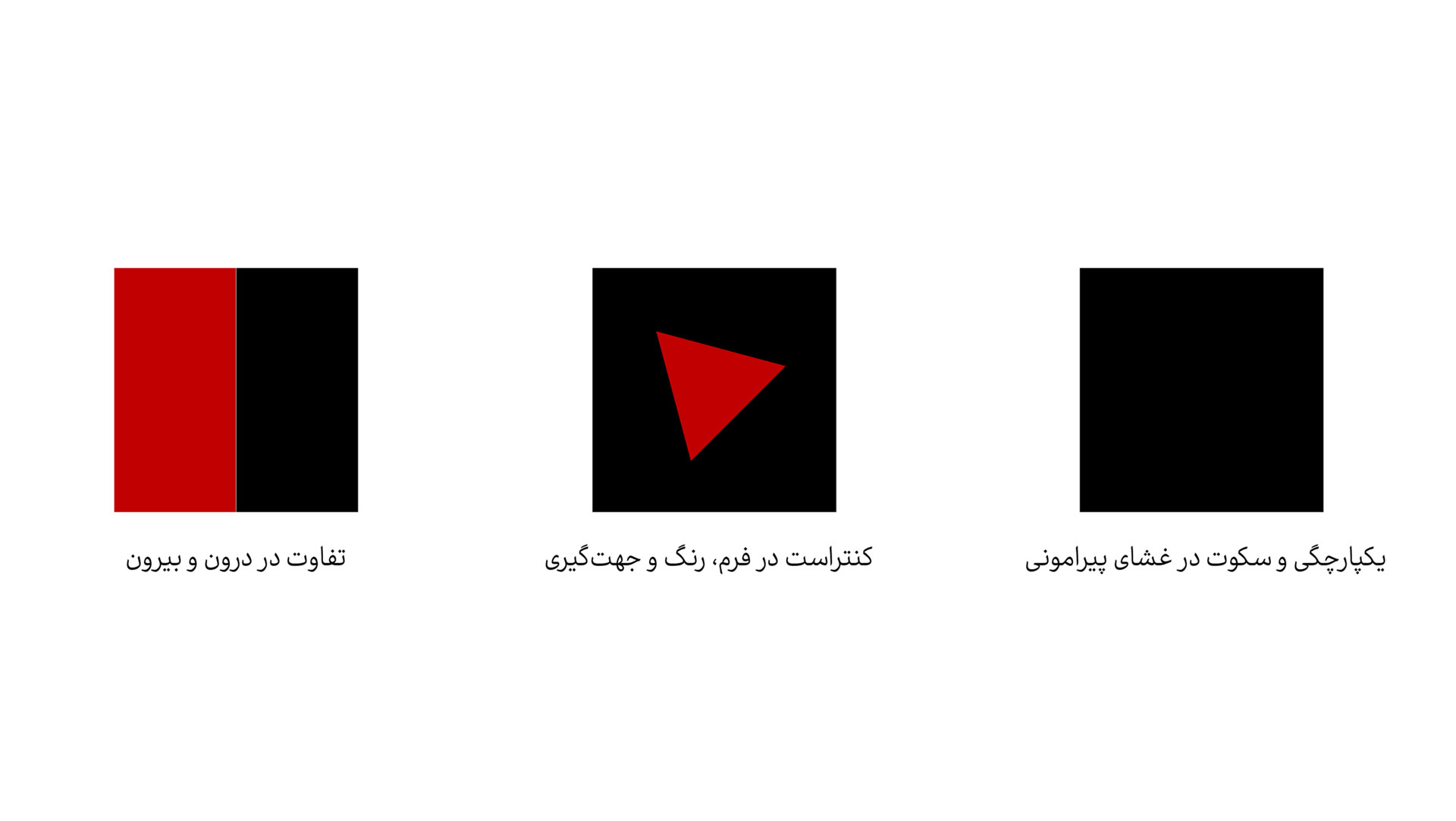
The Peripheral Membrane encompasses the existing spatial envelope, walls, and all attached architectural elements. It serves as a stable framework for shaping the spatial experience. While creating coherence among different showrooms, this layer also allows adaptation to the environmental, climatic, and architectural conditions of each site.
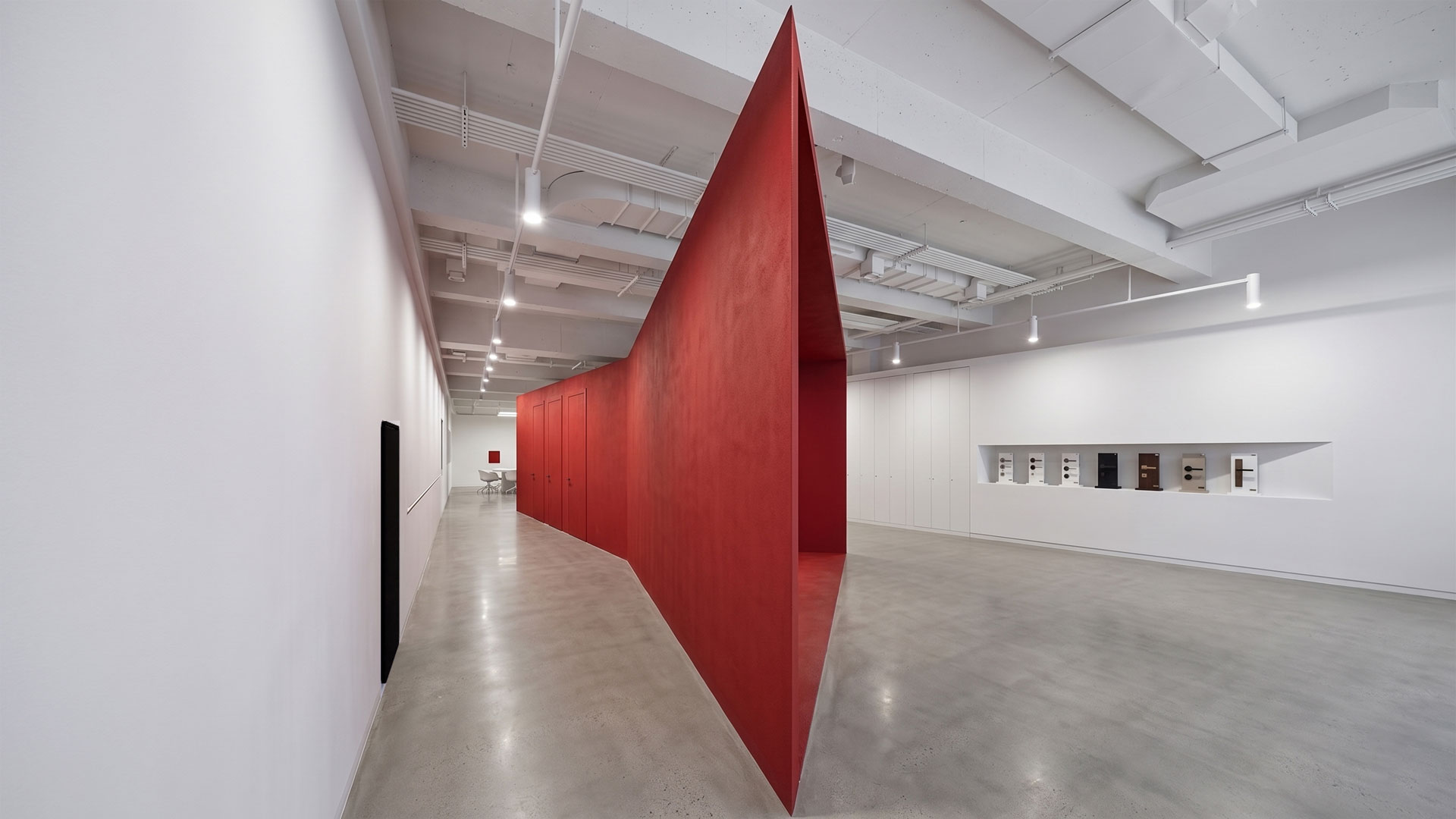
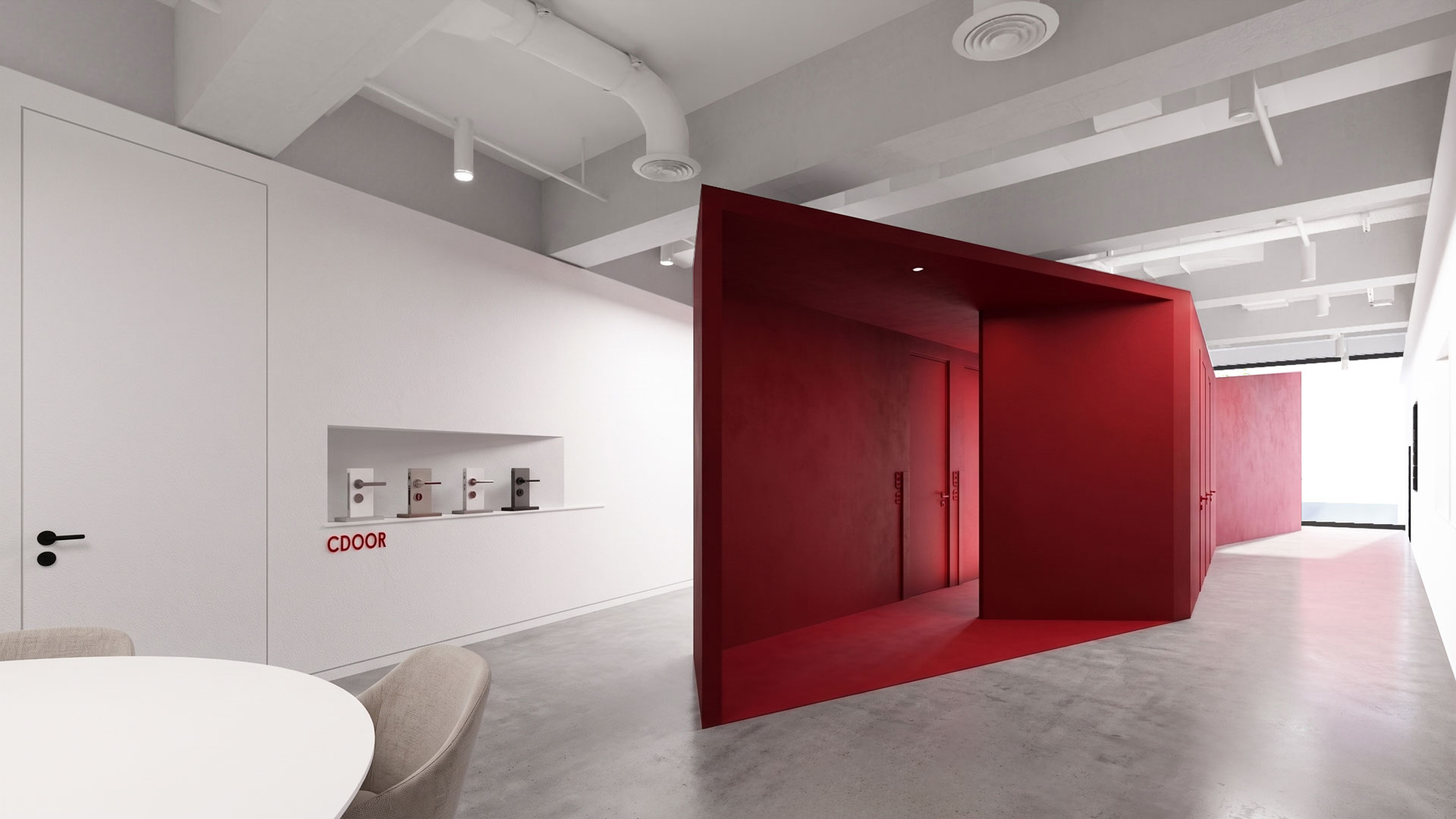
Central Object

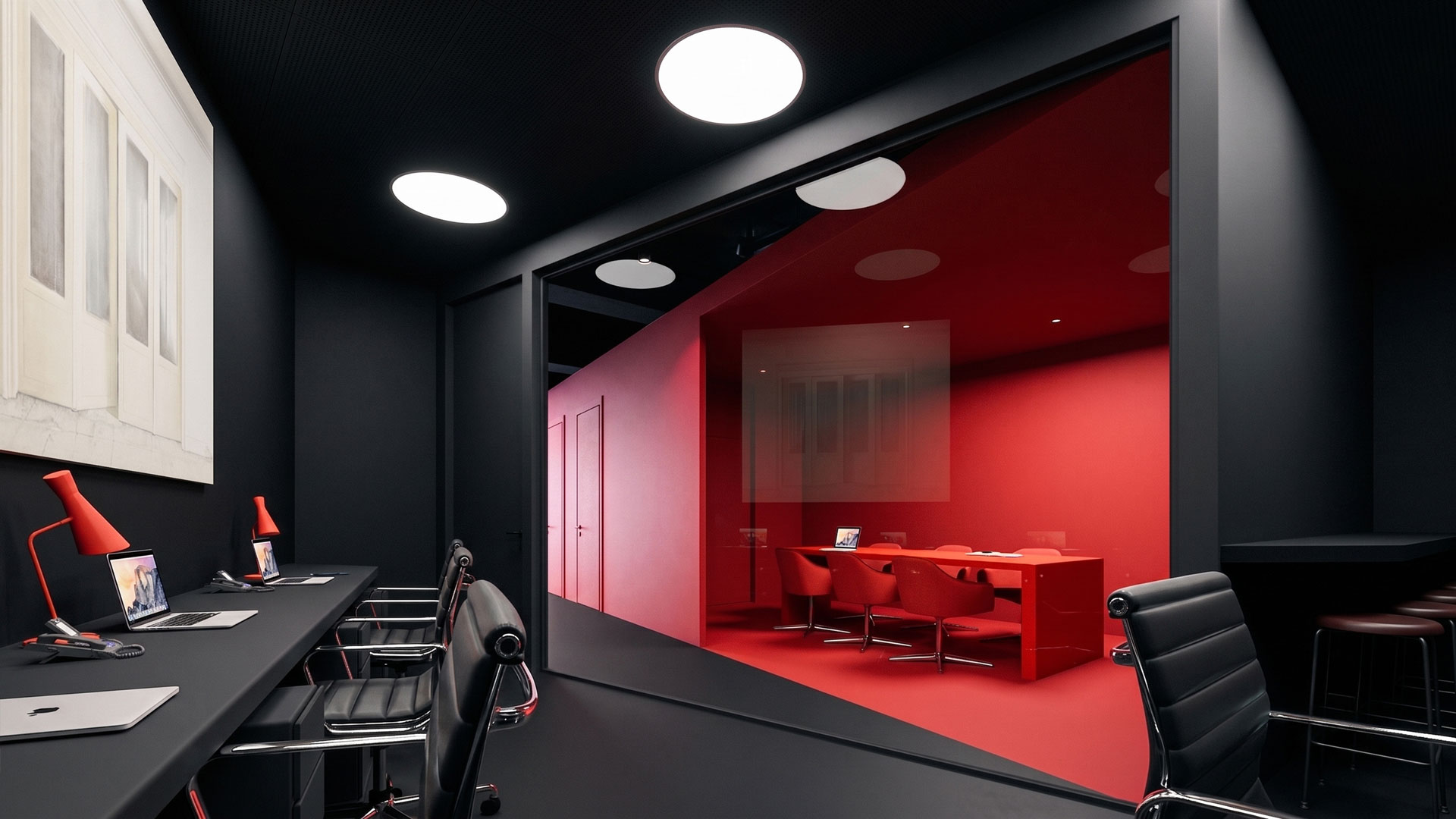
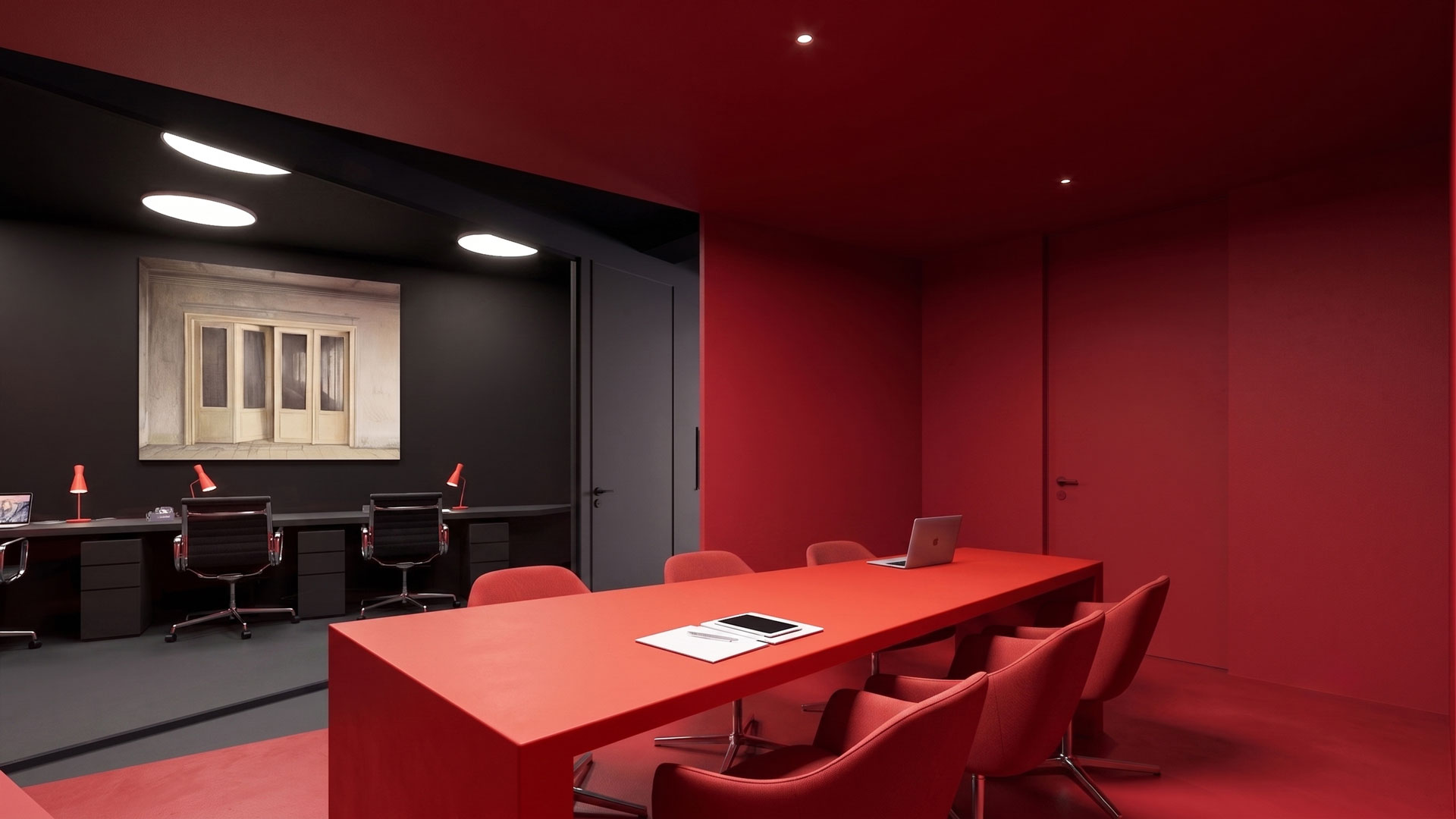
The Central Object is an independent and distinctive element positioned at the heart of the space, representing the showroom’s primary identity. This element can accommodate functions such as product display, user interaction, and multimedia presentation. The relationship between the Central Object and the Peripheral Membrane is articulated through materiality, lighting, and circulation strategies, creating a cohesive spatial experience.

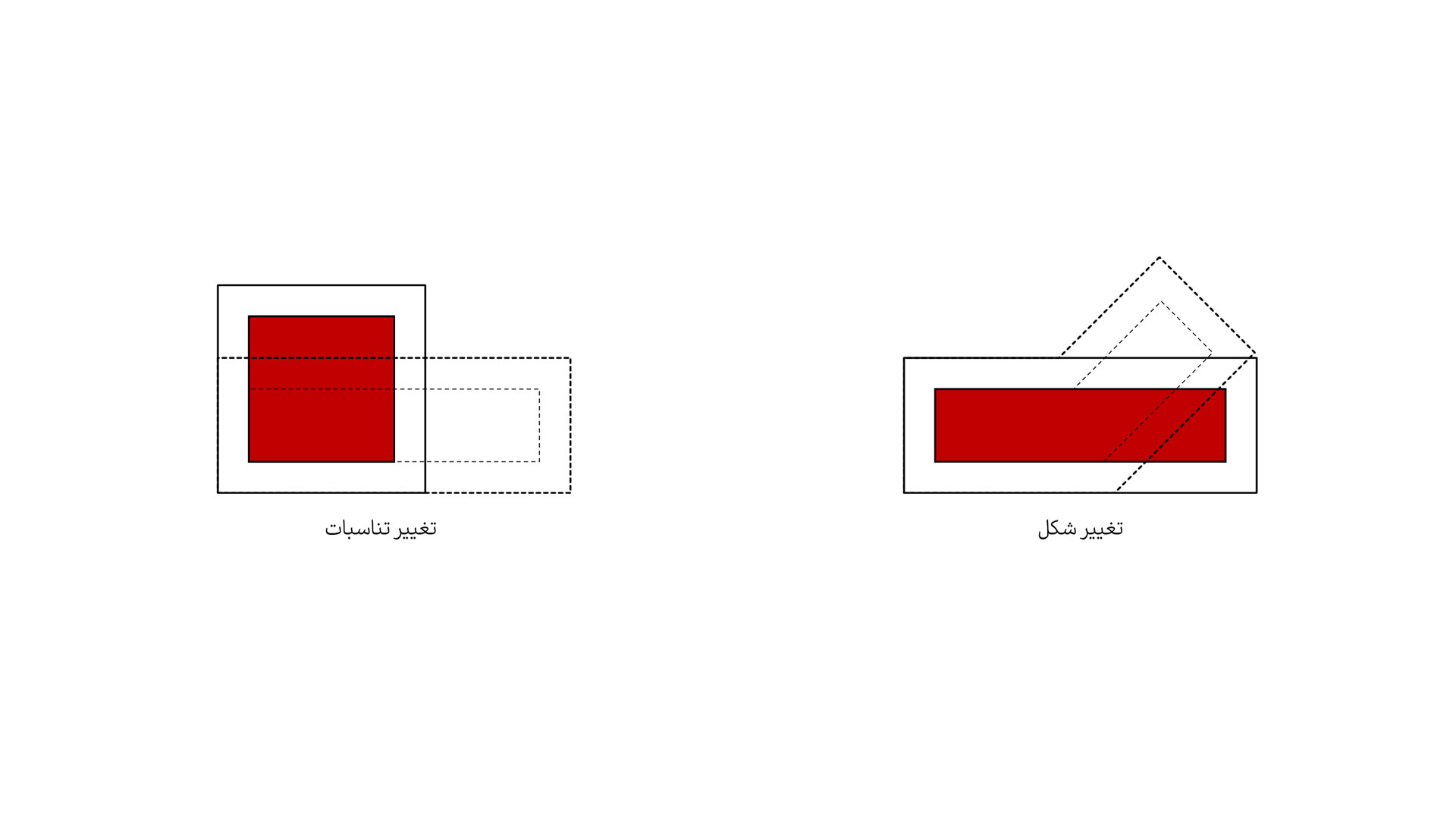
Consistency and Flexibility

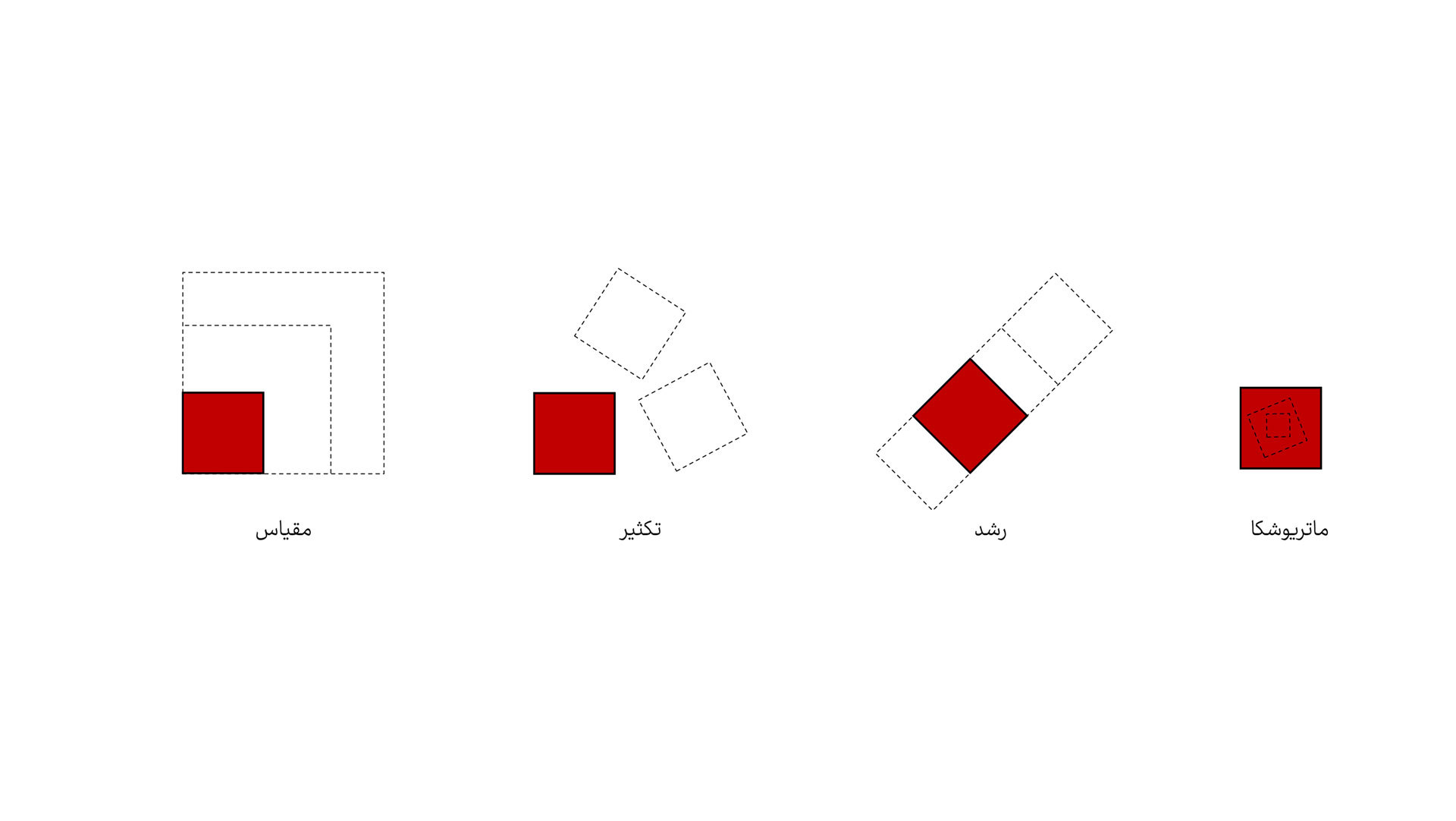
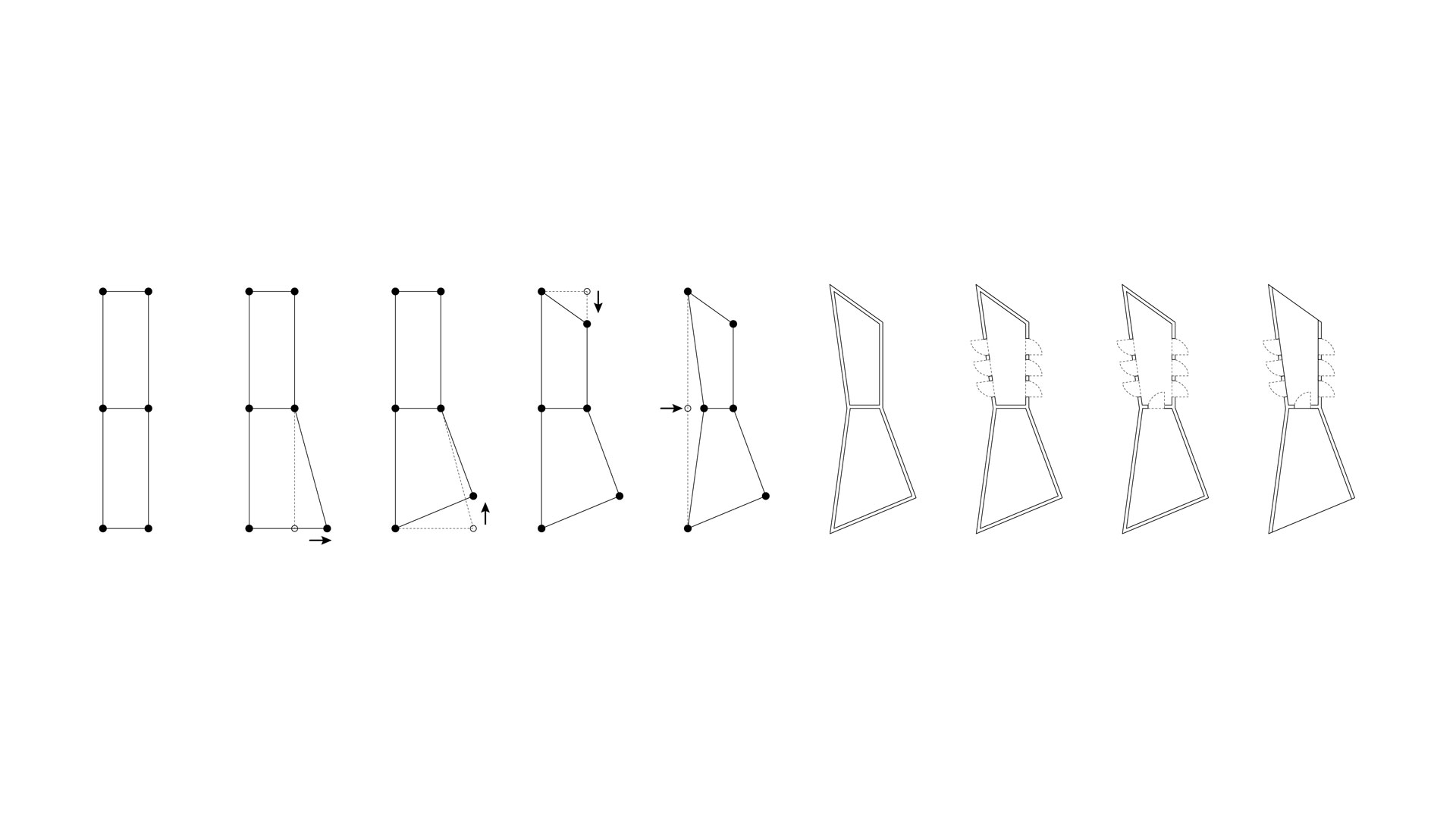
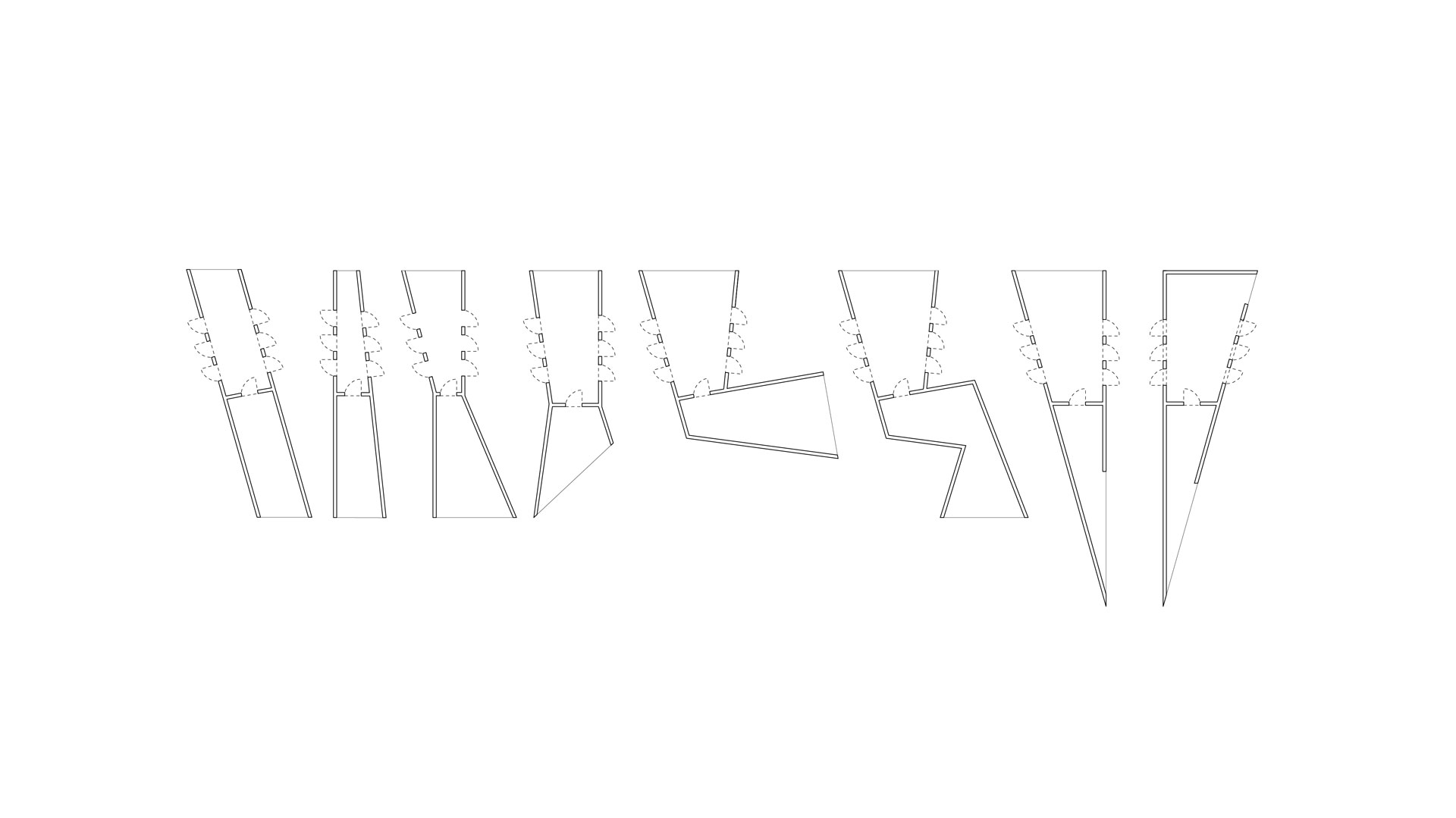
The principal advantage of this framework lies in its applicability across different scales and contexts. Without altering the fundamental principles, each showroom can be reinterpreted according to the characteristics of its site—from compact spaces organized around a simple central element to larger, more complex projects incorporating multiple layers of functionality. This approach preserves the integrity of the brand identity while enabling a tailored response to the unique conditions and opportunities of each location.

As a result, the Peripheral Membrane and Central Object model offers a coherent, repeatable, and adaptable framework that can serve as the foundation for all future brand showrooms, strengthening the brand’s spatial and visual identity across a broad range of applications.

پیشگفتار

طراحی شوروم‌های آینده‌ی یک برند، مستلزم ایجاد تعادلی میان ثبات هویت برند و توانایی انطباق با تحولات آینده است. در صنعت درهای ساختمانی، توسعه‌ی شبکه‌ی شوروم‌ها باید ضمن پاسخ‌گویی به نیازهای کنونی، امکان سازگاری با تغییرات فناوری، تحولات بازار و انتظارات متغیر کاربران را نیز فراهم آورد. ازاین‌رو، طراحی شوروم‌ها نیازمند چارچوبی است که انسجام هویتی برند را در تمامی شعب حفظ کرده و در عین حال قابلیت تطبیق با شرایط متنوع فضایی و عملکردی را داشته باشد.

این رویکرد بر تعریف اصول بنیادین برند، شامل هویت بصری، ارزش‌های سازمانی و تجربه‌ی کاربری، استوار است. در ادامه، بهره‌گیری از سیستم‌های مدولار و ساختارهای مقیاس‌پذیر امکان توسعه و بازتفسیر این اصول را در پروژه‌های آینده فراهم می‌کند. در چنین نگرشی، تمرکز از طراحی راه‌حل‌های ثابت به سمت تدوین چارچوب‌های انعطاف‌پذیر و تطبیق‌پذیر معطوف می‌شود.

بر اساس صورت مسئله، شوروم‌های برند با وجود تفاوت در ابعاد، موقعیت و ویژگی‌های کالبدی، باید از یک زبان طراحی مشترک و هویتی واحد تبعیت کنند. برای تحقق این هدف، هر شوروم به دو مؤلفه‌ی اصلی تقسیم می‌شود: «غشای پیرامونی» و «آبجکت میانی».

غشای پیرامونی

غشای پیرامونی شامل کالبد موجود فضا، جداره‌ها و عناصر متصل به آن است و به‌عنوان بستری پایدار برای شکل‌گیری تجربه‌ی فضایی عمل می‌کند. این لایه ضمن ایجاد انسجام میان شوروم‌های مختلف، امکان انطباق با شرایط محیطی، اقلیمی و معماری هر سایت را نیز فراهم می‌آورد.

آبجکت میانی

آبجکت میانی عنصری مستقل و شاخص در مرکز فضاست که هویت اصلی شوروم را نمایندگی می‌کند. این عنصر می‌تواند عملکردهایی نظیر نمایش محصولات، تعامل با کاربران و ارائه‌ی محتوای چندرسانه‌ای را در خود جای دهد. رابطه‌ی میان آبجکت میانی و غشای پیرامونی از طریق متریال، نورپردازی و سازمان‌دهی حرکتی تعریف می‌شود و تجربه‌ی فضایی یکپارچه‌ای را شکل می‌دهد.

انسجام و انعطاف‌پذیری

مزیت اصلی این چارچوب، قابلیت به‌کارگیری آن در مقیاس‌ها و بسترهای مختلف است. بدون تغییر در اصول بنیادین، هر شوروم می‌تواند متناسب با ویژگی‌های سایت بازتعریف شود؛ از فضاهای کوچک با یک عنصر مرکزی ساده تا پروژه‌های بزرگ‌تر با عملکردهای متنوع و چندلایه. این رویکرد ضمن حفظ یکپارچگی هویت برند، امکان پاسخ‌گویی به شرایط متغیر و ویژگی‌های منحصربه‌فرد هر مکان را فراهم می‌سازد.

در نتیجه، مدل «غشای پیرامونی و آبجکت میانی» چارچوبی منسجم، تکرارپذیر و در عین حال انعطاف‌پذیر ارائه می‌دهد که می‌تواند مبنای طراحی تمامی شوروم‌های آینده‌ی برند قرار گیرد و به تقویت هویت فضایی و بصری آن در مقیاس گسترده کمک کند.