Architect: PRAGMATICA STUDIO DESIGN | Mohammadreza Mohebali Design Team:Ahmadreza Rahimov Presentation: Parsa Batebi . Yazdan Tavakoli Construction: PRAGMATICA STUDIO DESIGN Construction Supervisor: Saeed Khoshvaght Photography: Ali Mirshafie
Dobral Office Renovation is a workplace interior project in Tehran focused on spatial efficiency, natural daylight, and a cohesive office environment.
The Dobral Office Renovation project involved the transformation of an office unit located within a mixed-use residential and office building in Saadat Abad, Tehran, serving as the new headquarters of a maritime trading company.
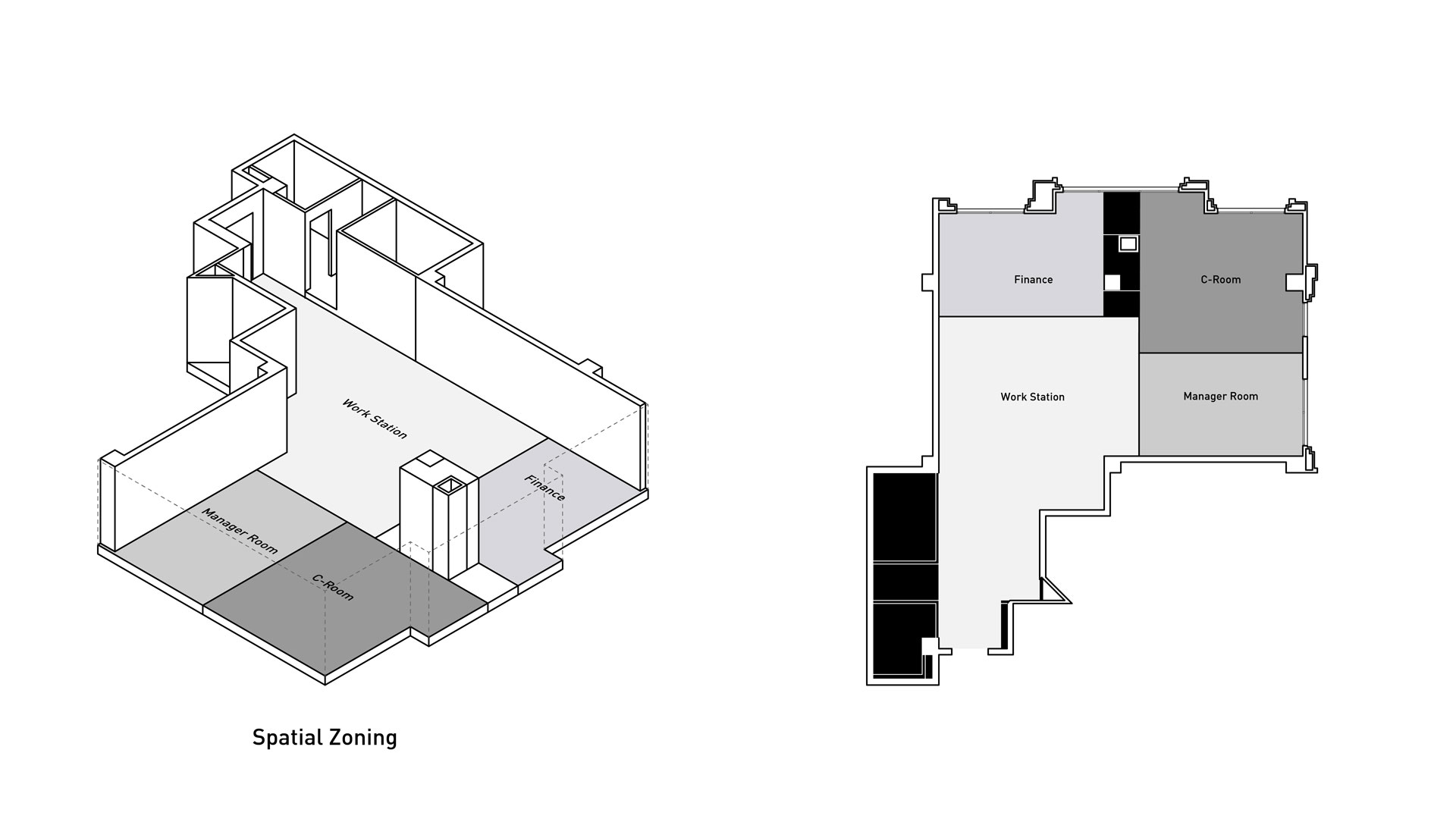
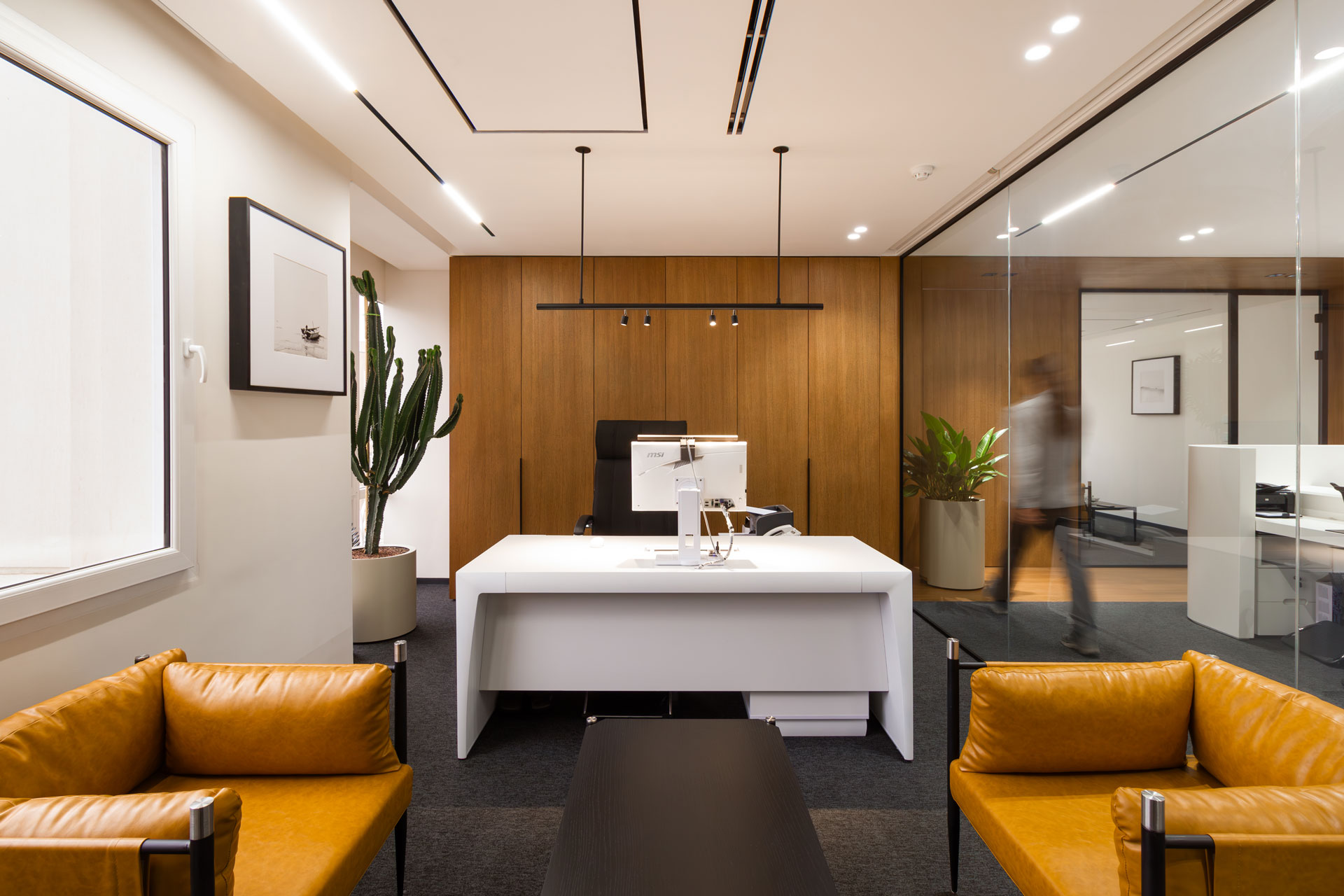
The client’s primary requirements included the clear functional separation of the CEO’s office, the financial manager’s office, and the staff workspace, while maximizing the efficiency of the available floor area and enhancing the overall spatial quality and workplace atmosphere.
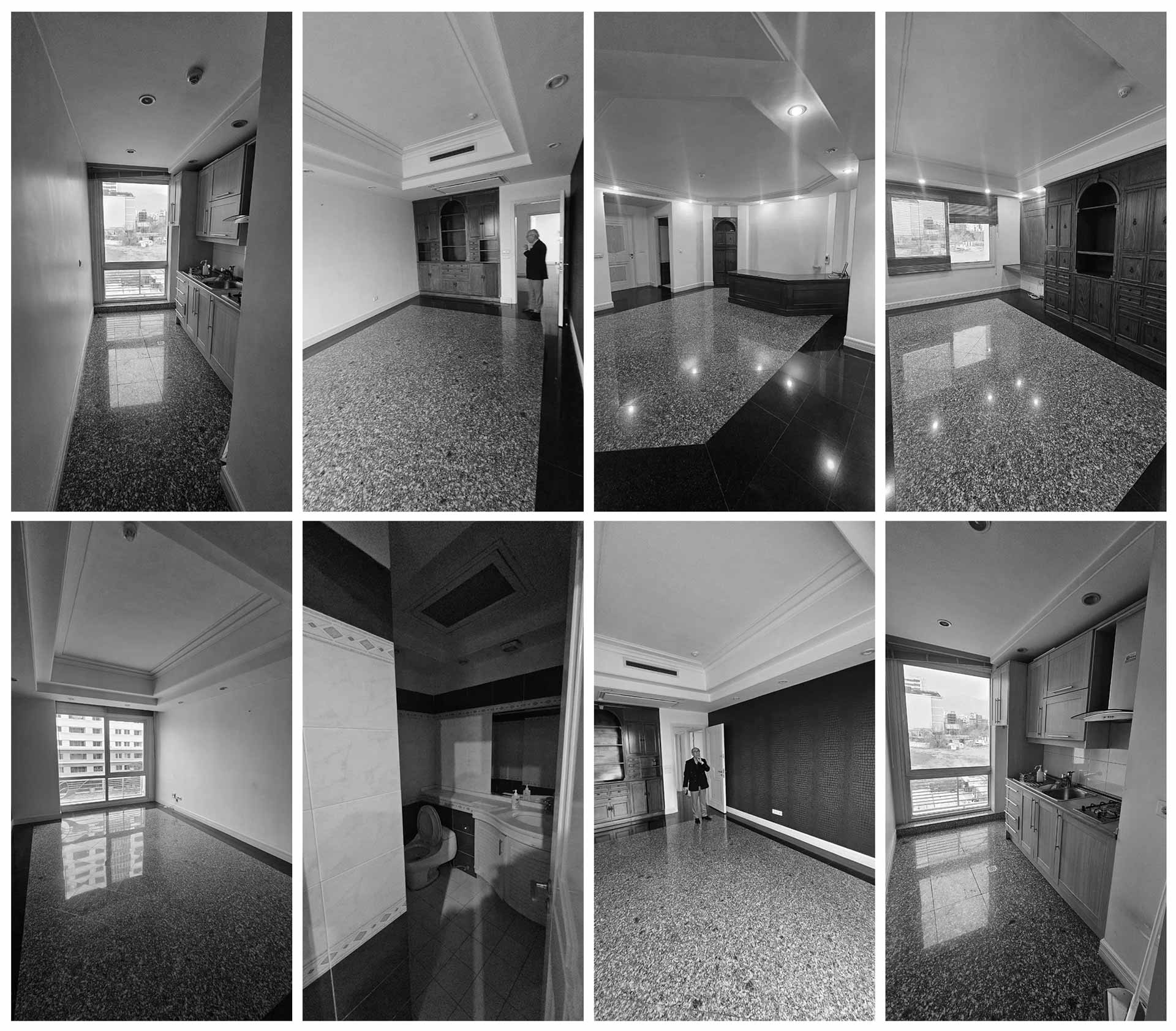
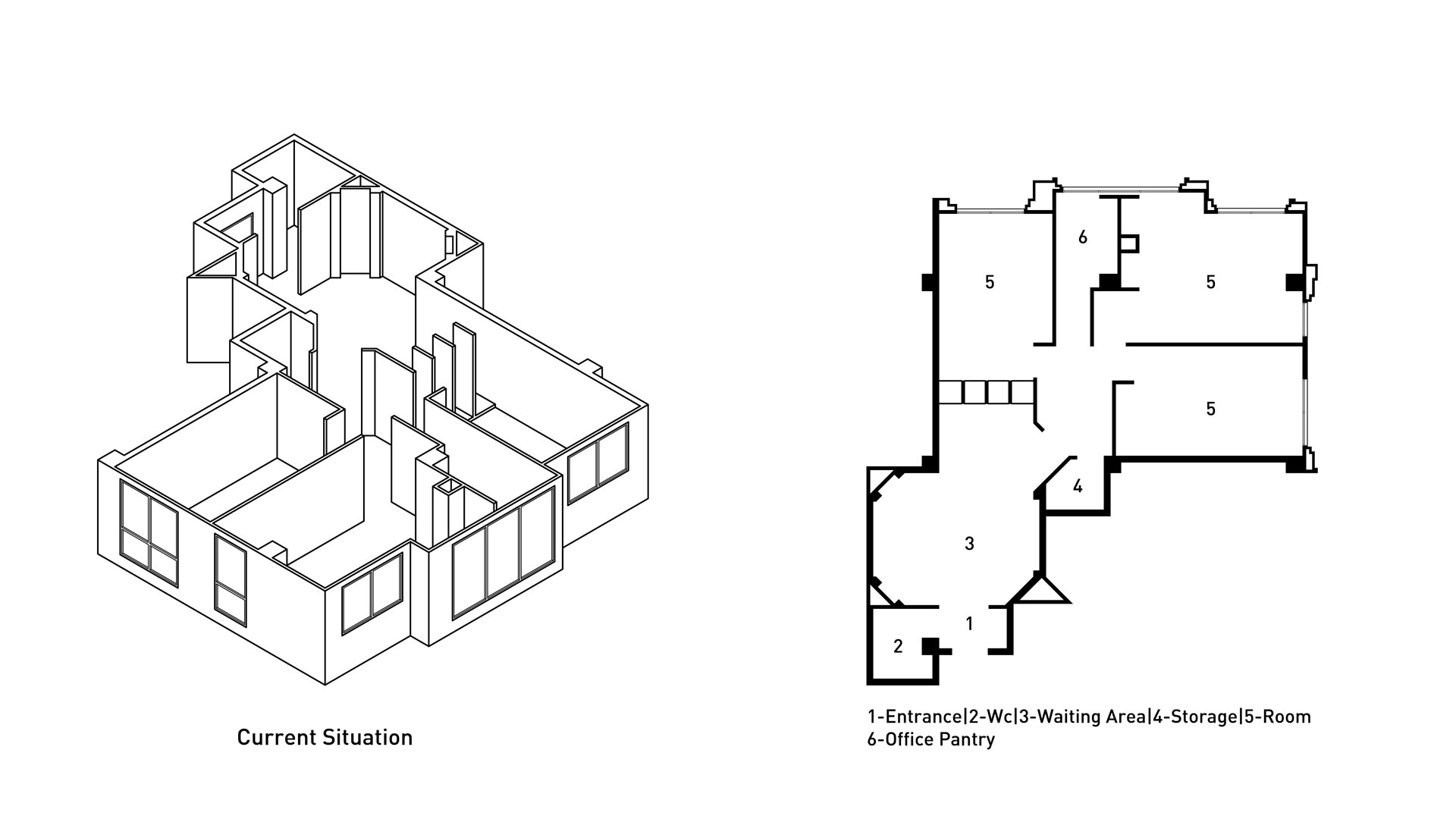
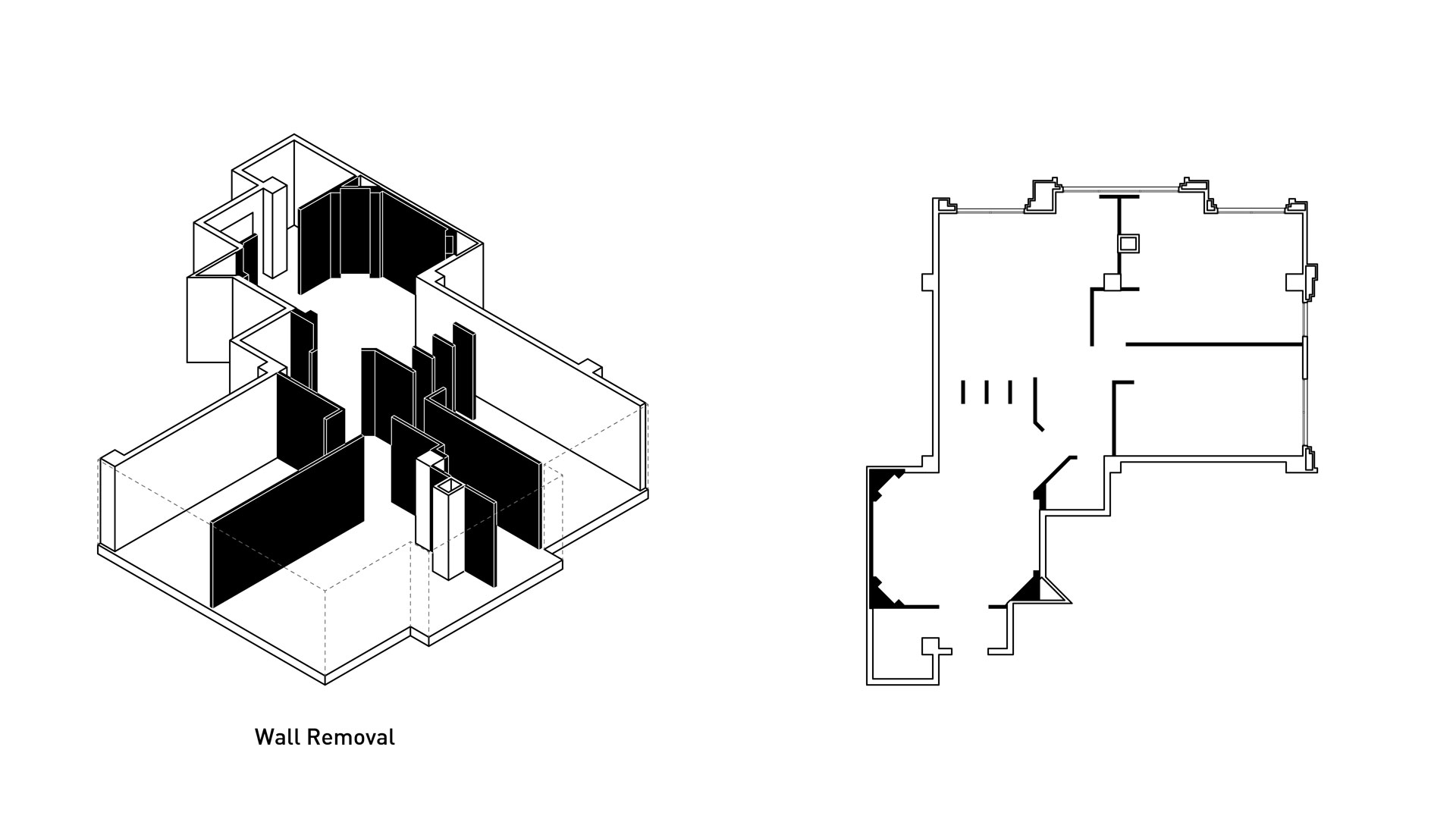
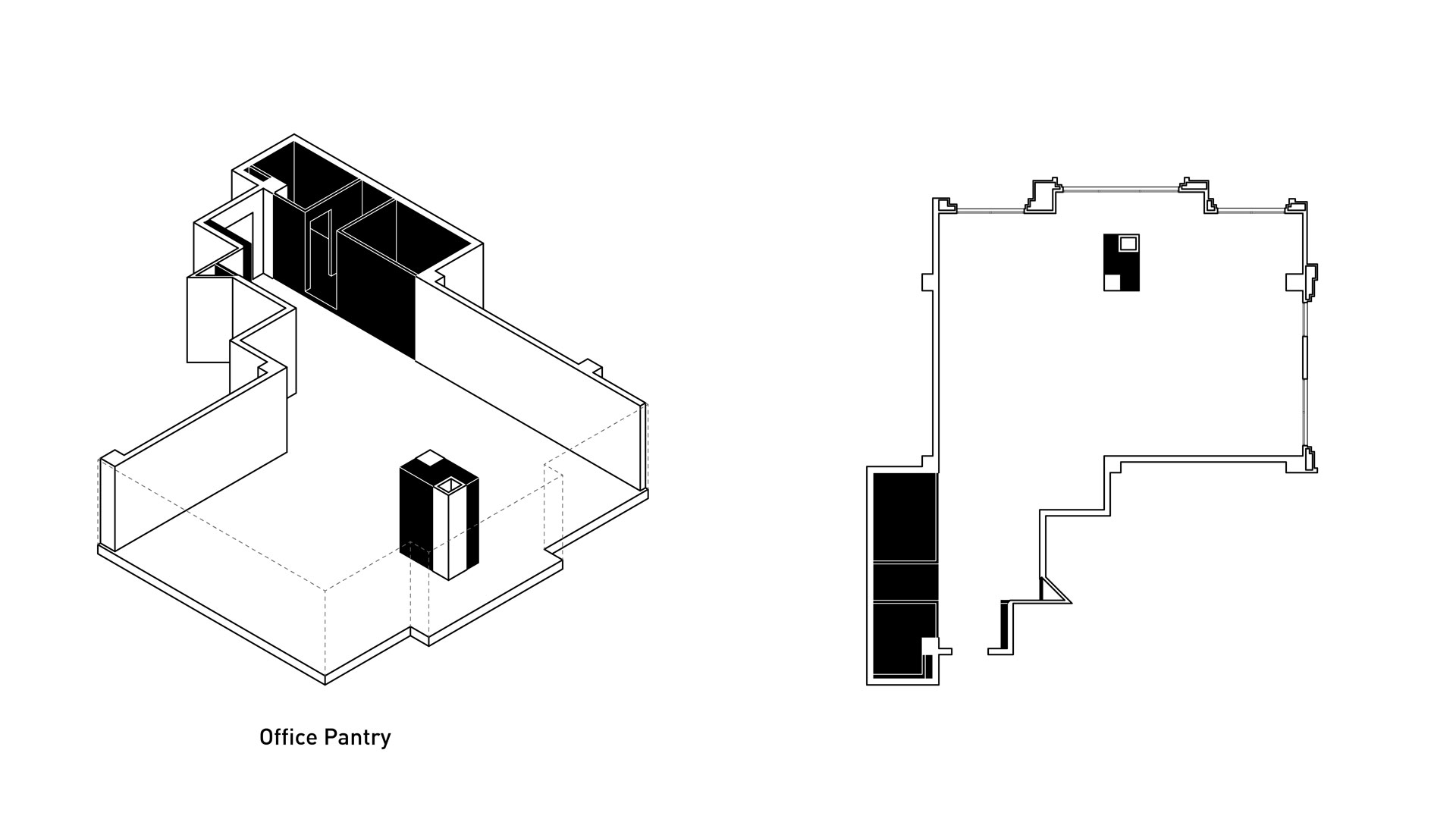
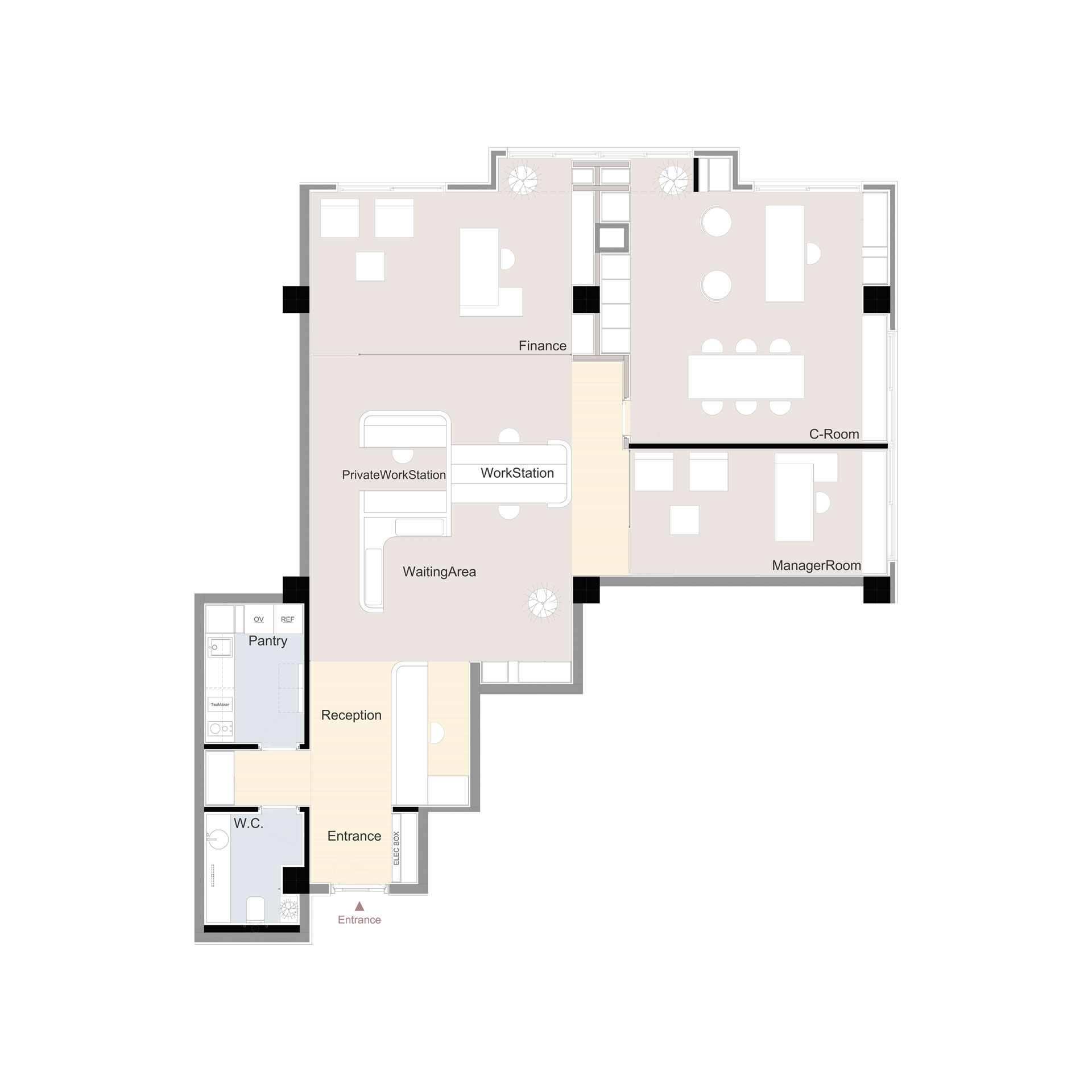
An analysis of the existing layout revealed several spatial limitations, including the location of the pantry, the organization of service areas, and the irregular geometry of interior partitions. The design process therefore began with the reconfiguration of the plan, the regularization of spatial boundaries, and the reorganization of service functions. Relocating the pantry and optimizing technical spaces released a significant portion of the floor area and enabled the creation of a more coherent and efficient office environment.
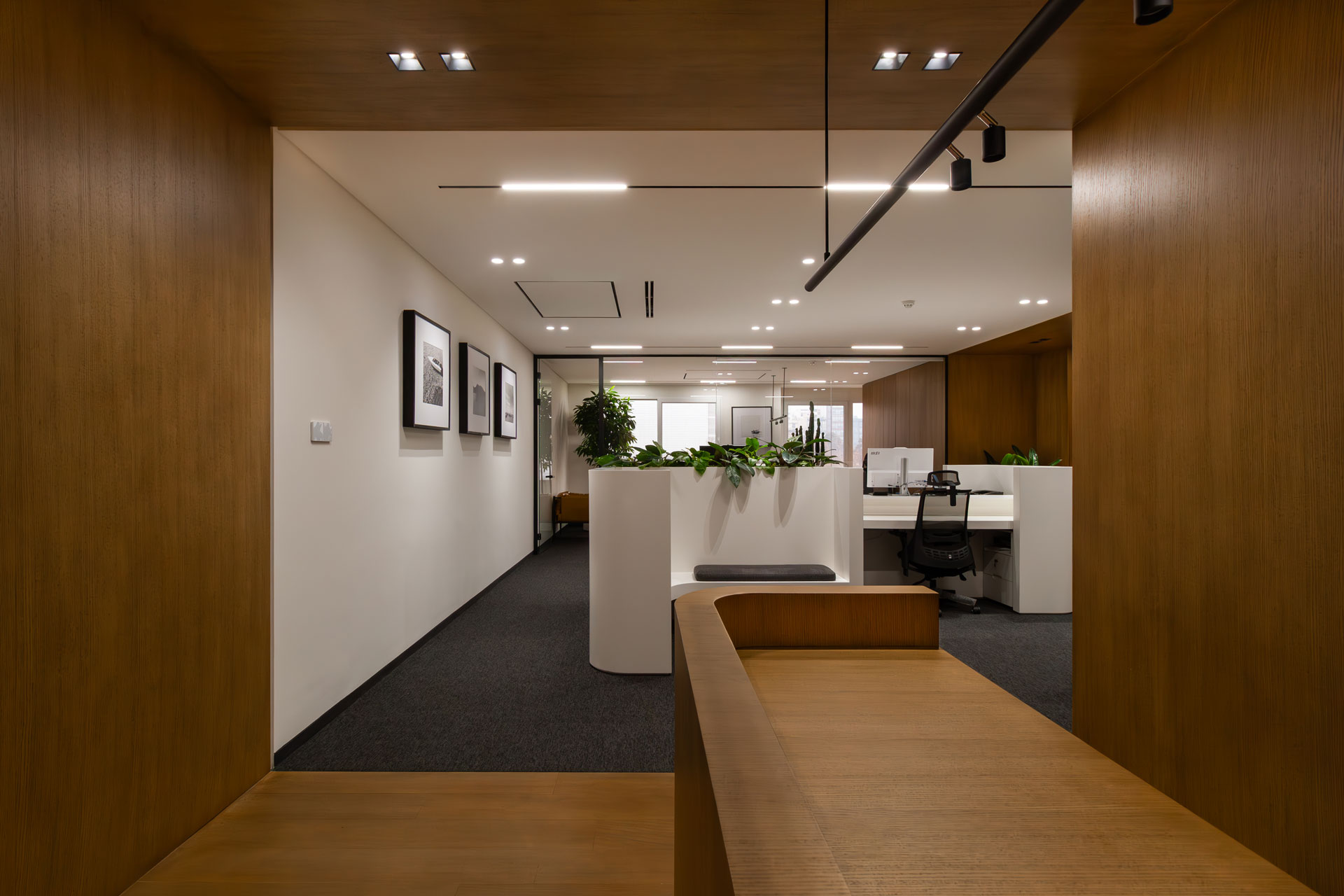
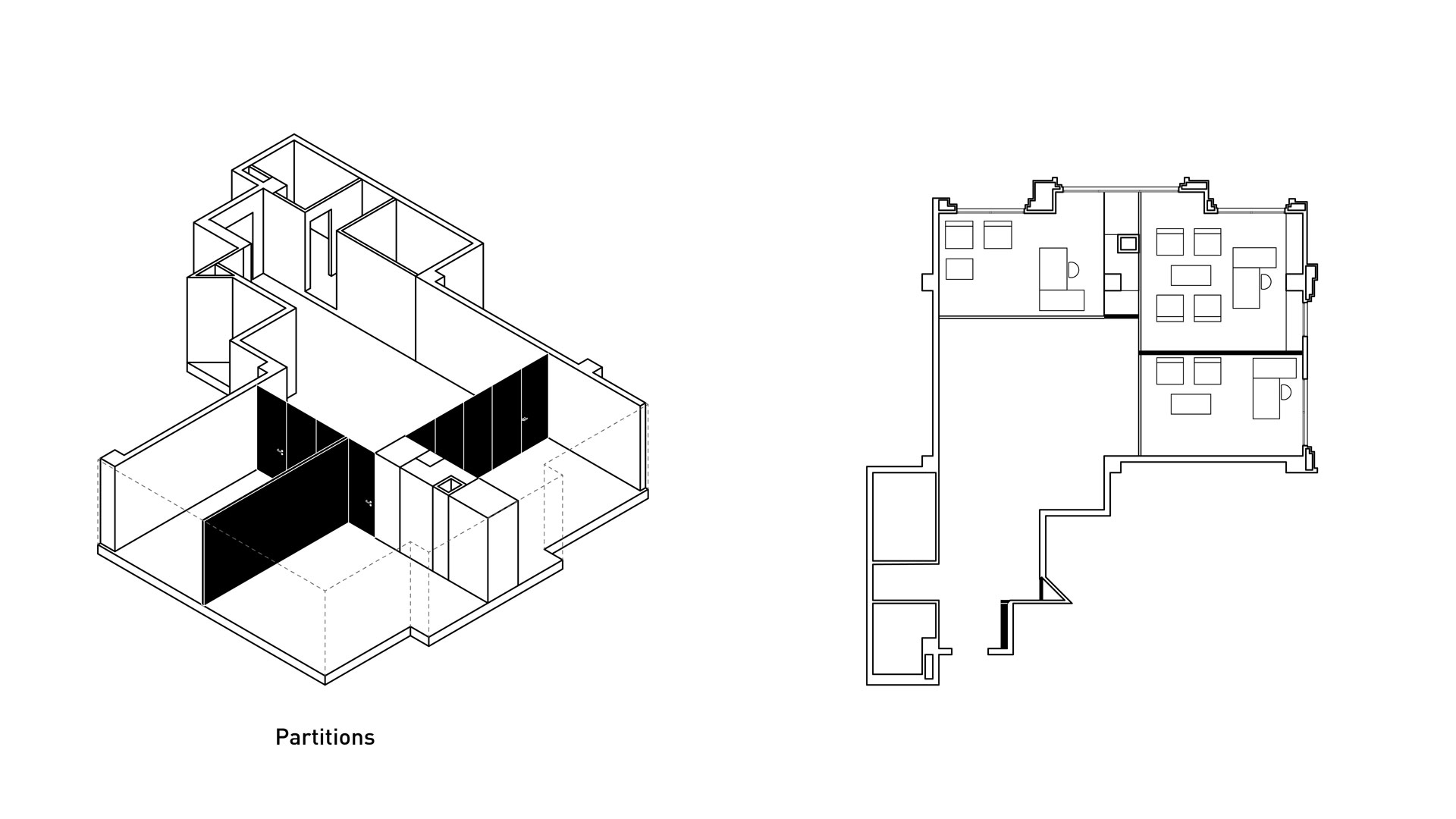
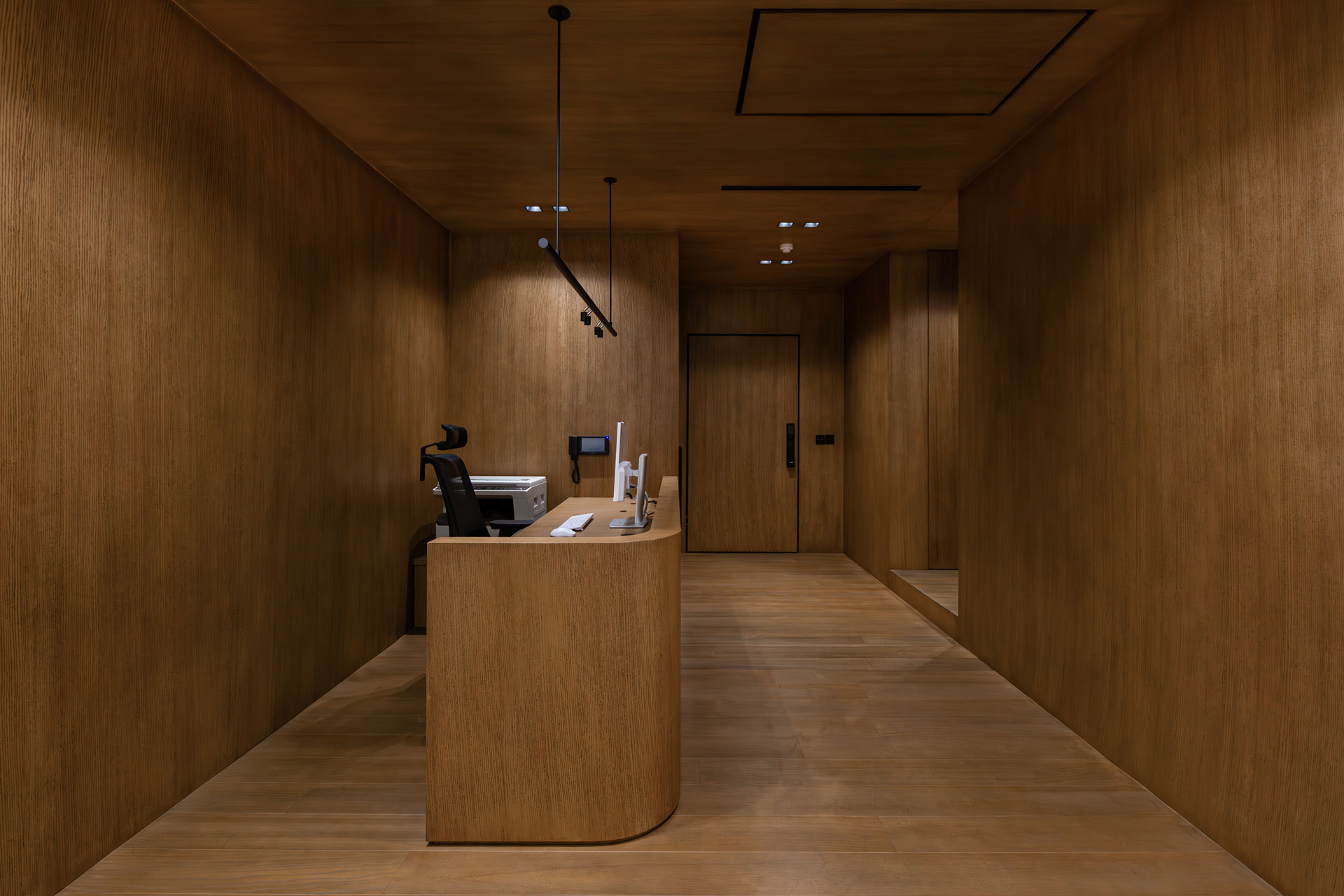
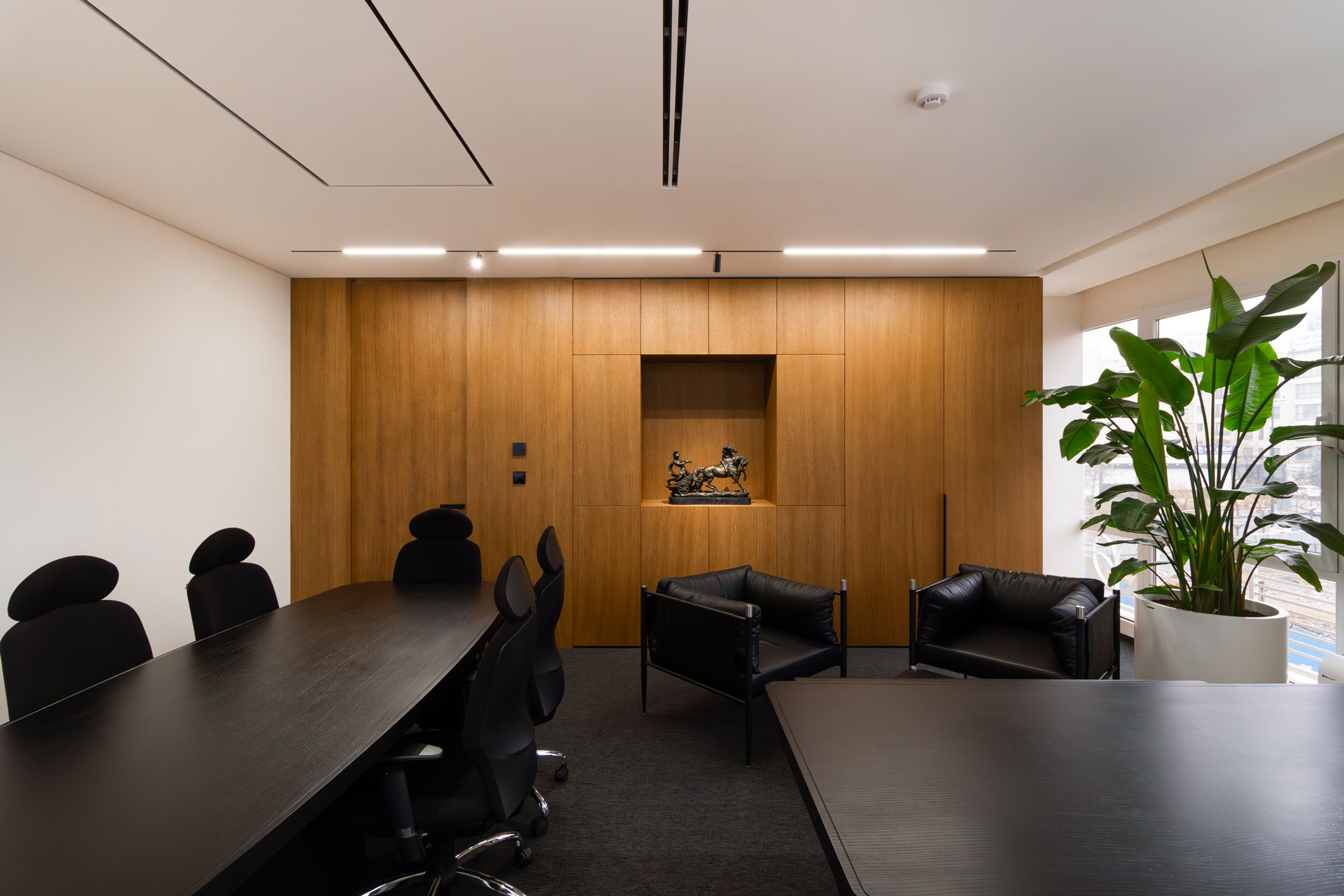
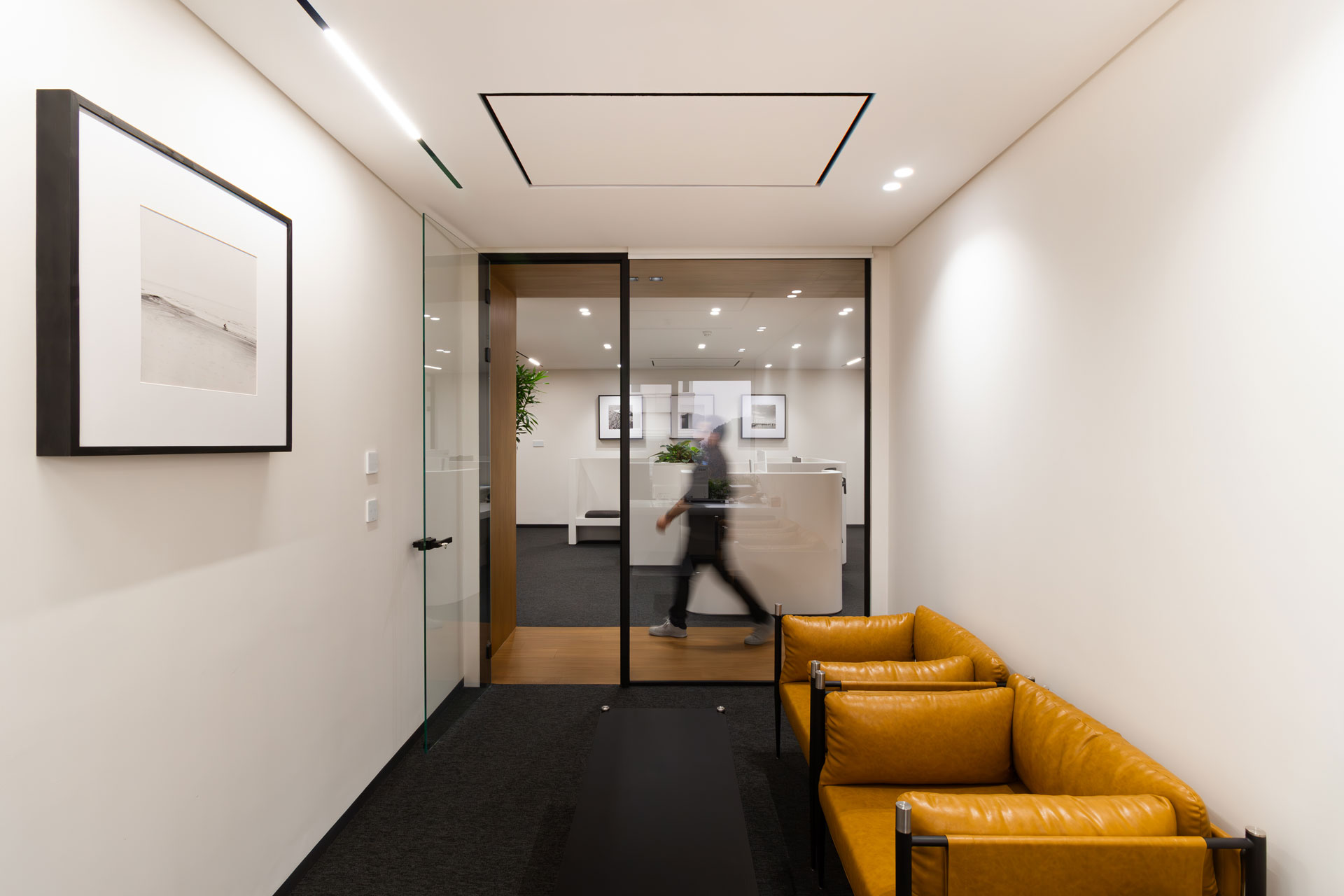
The spatial organization was developed in response to the plan configuration and natural daylight conditions. Management offices were positioned along the perimeter to benefit from direct daylight access, while the reception area was located adjacent to the entrance. Service spaces, including the pantry and restrooms, were consolidated near the entry, allowing the main workspace to remain open and uninterrupted.
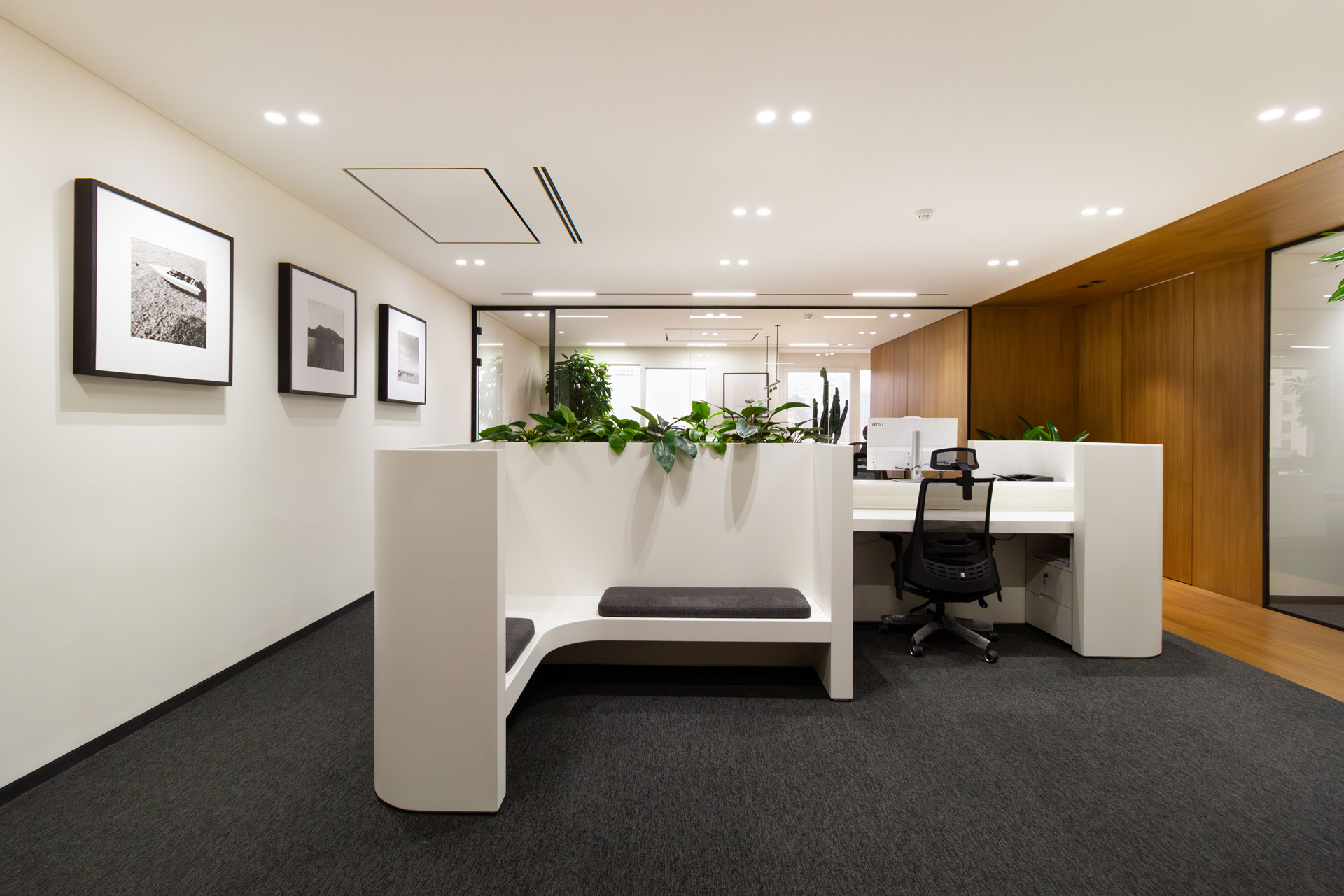
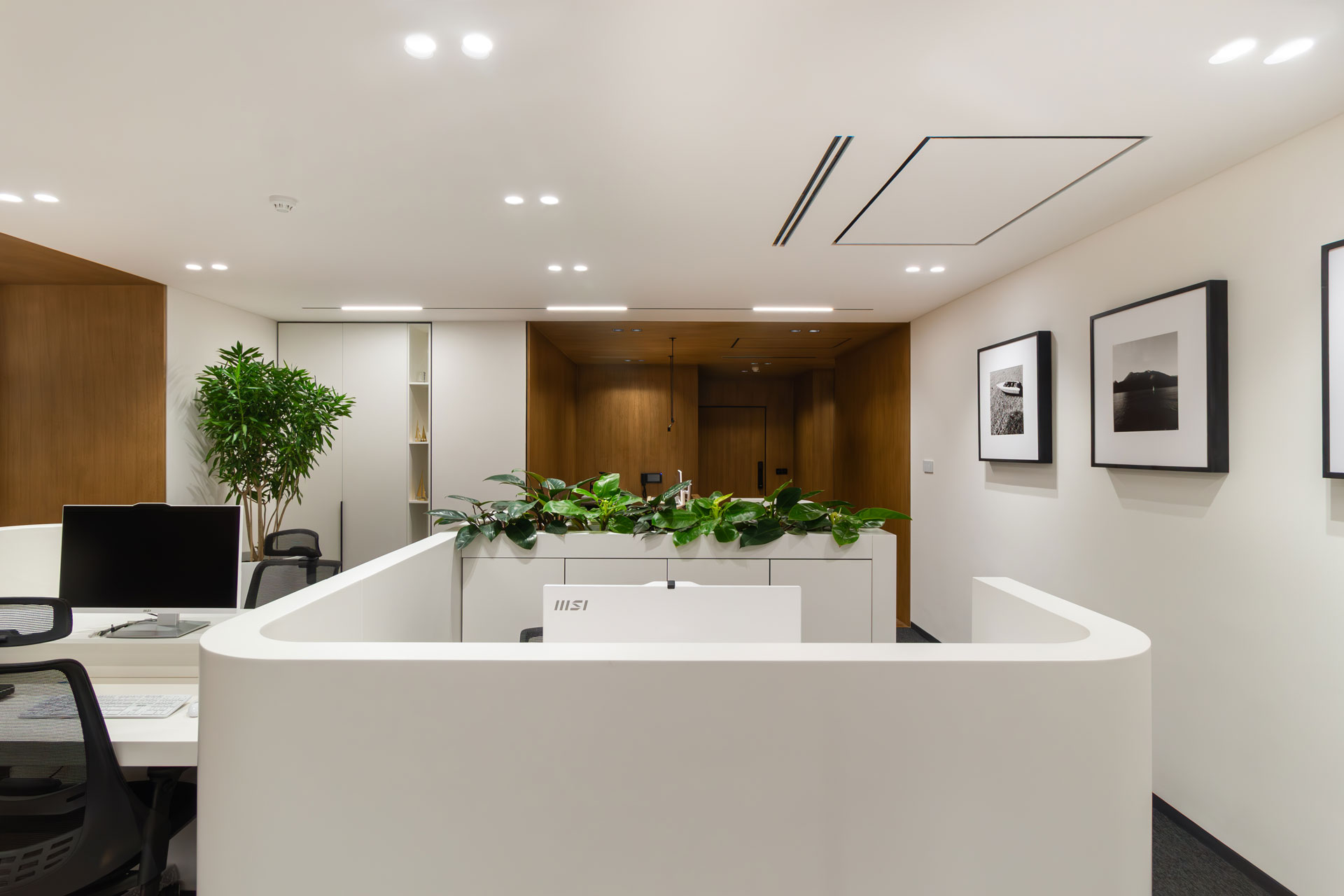
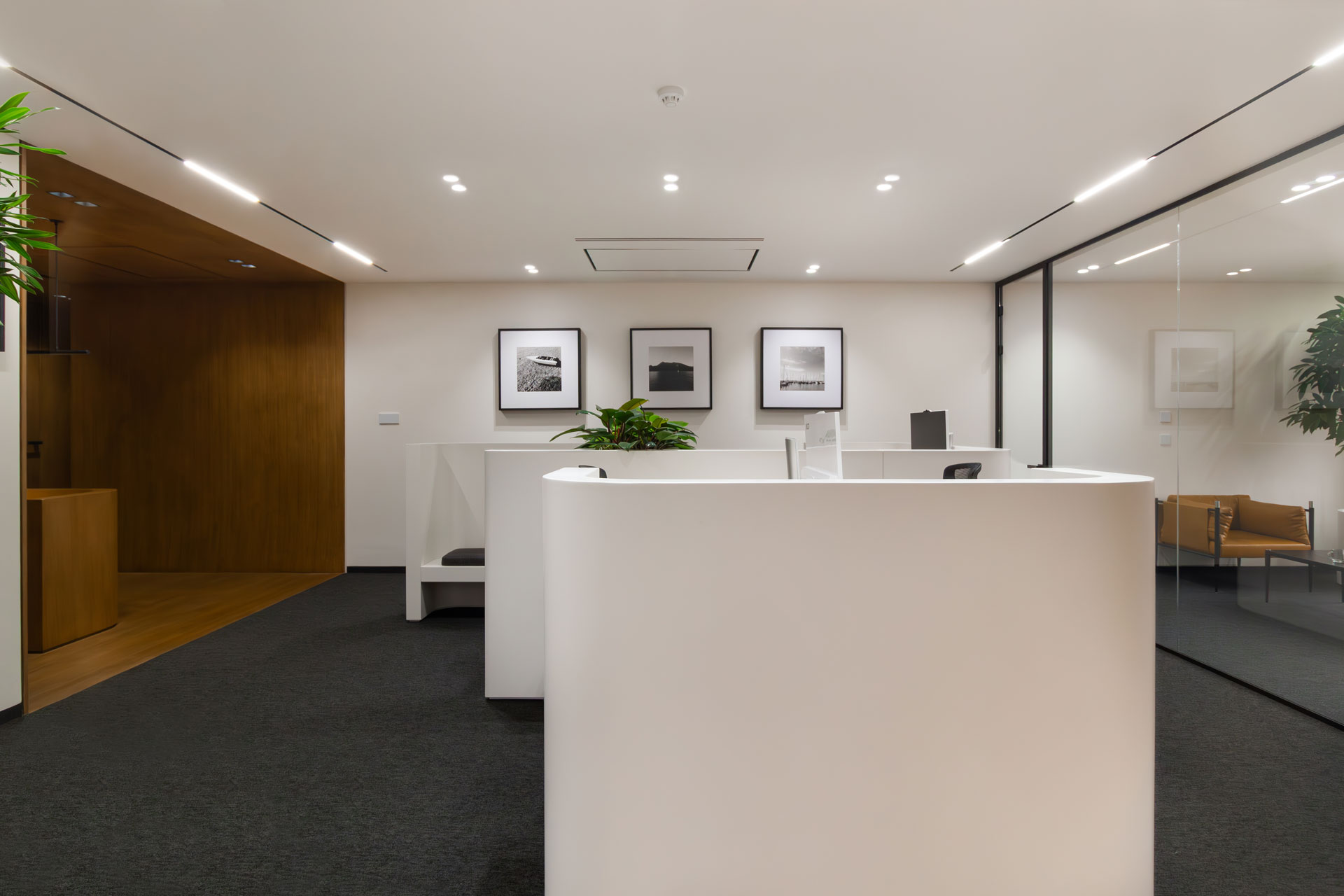
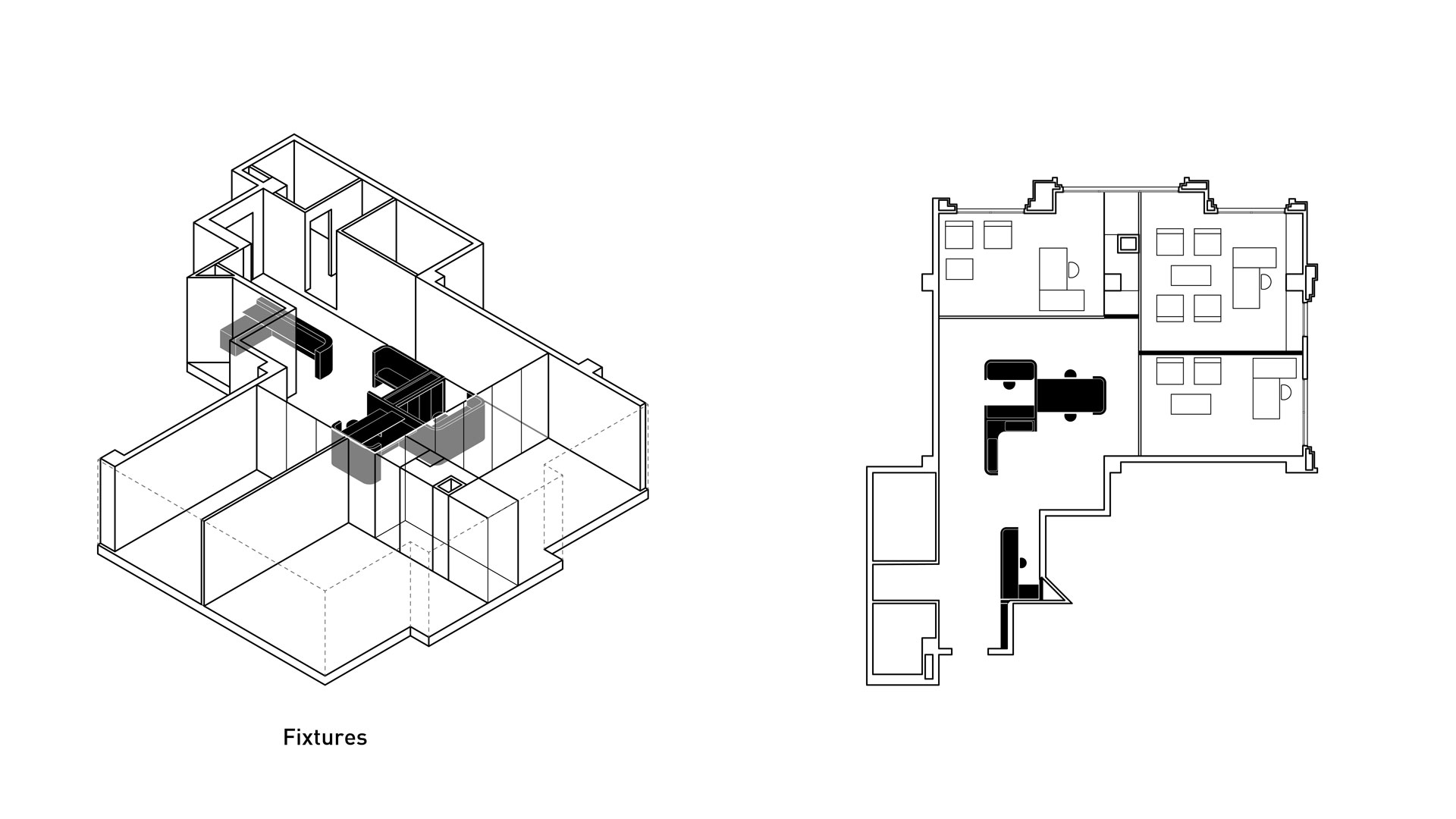
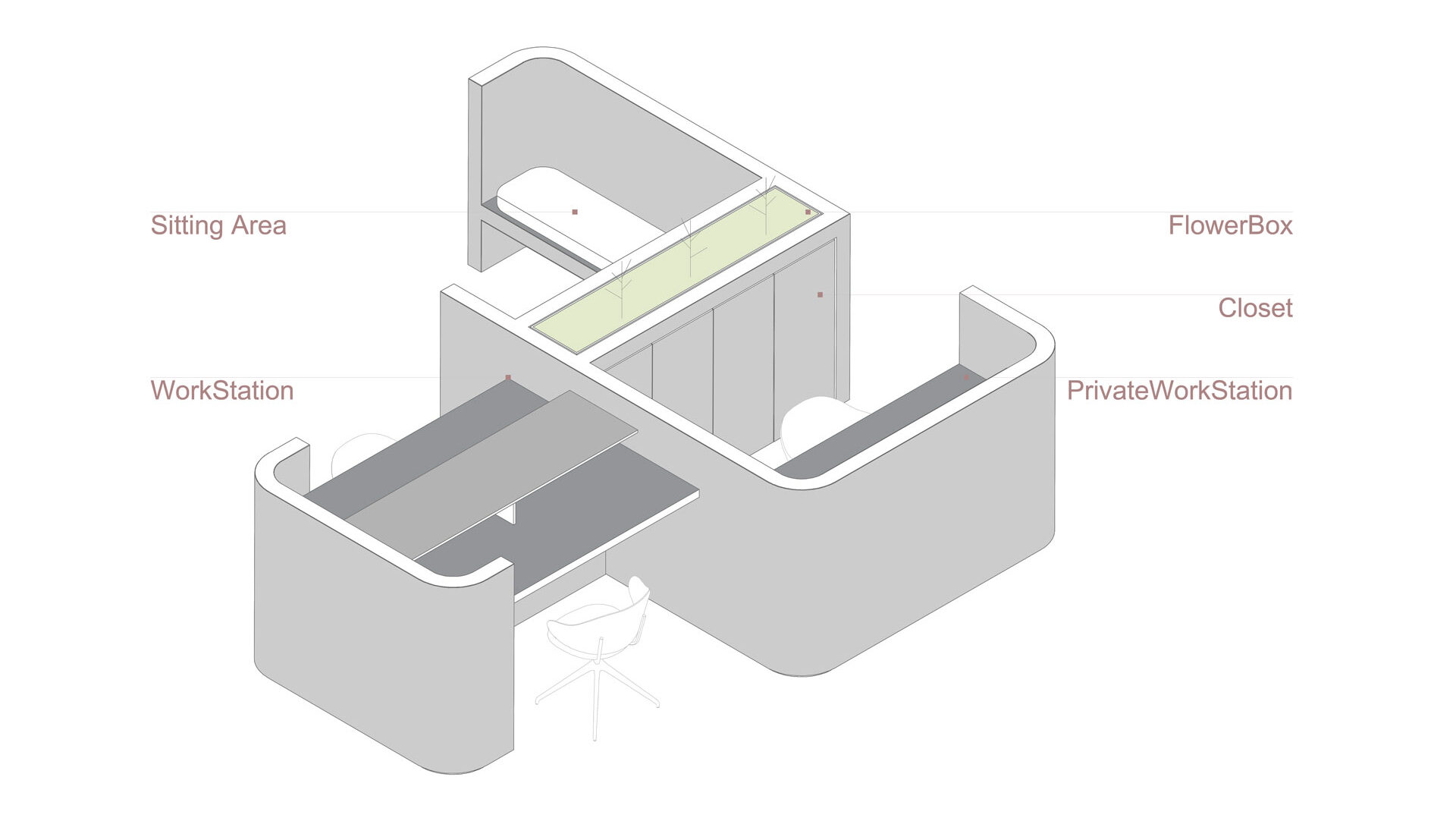
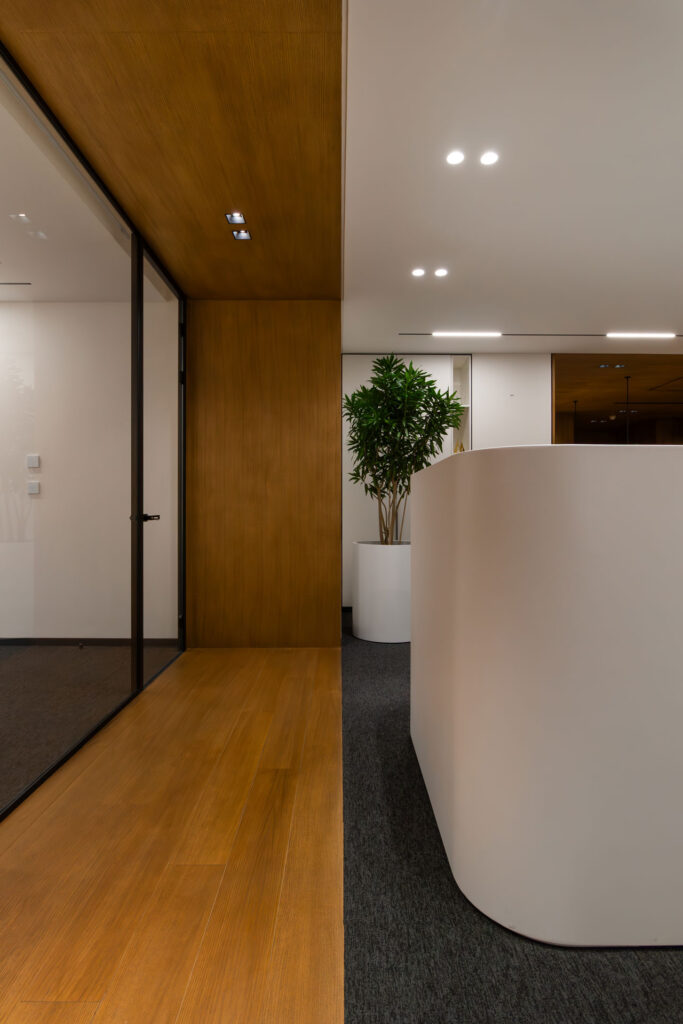
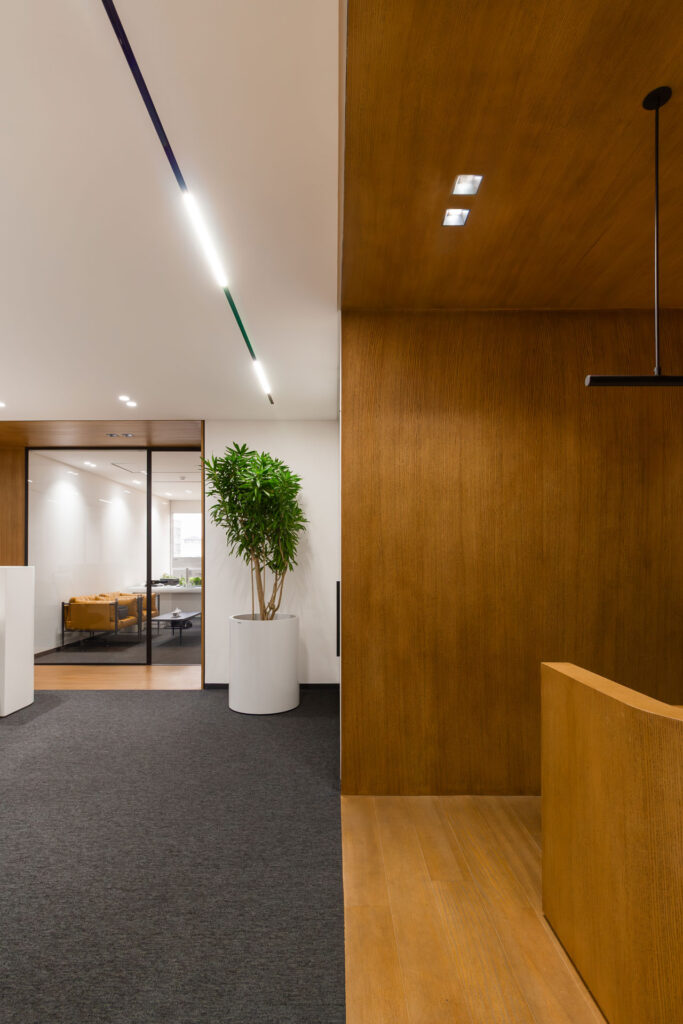
To preserve daylight penetration and strengthen visual continuity throughout the office, glazed partitions were used as the primary means of spatial separation. At the center of the plan, a dedicated workspace volume was introduced as the core of the staff area. Acting as an architectural object within the open layout, this element provides privacy and focus while contributing to the spatial identity and organizational clarity of the project.
At the center of the floorplate, a dedicated workspace volume was introduced as the core of the staff area. Conceived as an architectural object within the open plan, this element simultaneously provides privacy and focus for employees while contributing to the spatial identity and organizational clarity of the project.
A carefully selected material palette centered on wood finishes and coordinated detailing completes the renovation, creating a cohesive workplace atmosphere that enhances functionality, legibility, and overall spatial quality.
READ PROJECT DESCRIPTION IN FARSI
بازسازی واحد اداری دوبرال
پروژه بازسازی واحد اداری دوبرال در یکی از ساختمانهای مختلط اداری–مسکونی منطقه سعادتآباد تهران و بهعنوان دفتر مرکزی یک شرکت فعال در حوزه تجارت دریایی تعریف شد. از مهمترین خواستههای کارفرما، سازماندهی مناسب فضاهای کاری، تفکیک عملکردی میان اتاق مدیرعامل، اتاق مدیر مالی و فضای کارکنان، بهرهبرداری حداکثری از مساحت مفید واحد و در عین حال ارتقای کیفیت فضایی و اتمسفر محیط کار بود.
بررسی وضعیت موجود نشان داد که استقرار آبدارخانه، جانمایی فضاهای خدماتی و هندسه نامنظم برخی جدارهها، امکان استفاده بهینه از فضا و شکلگیری یک ساختار کارآمد اداری را محدود کرده است. از اینرو، نخستین گام طراحی بر اصلاح هندسه پلان، تسطیح جدارهها و بازسازماندهی فضاهای خدماتی متمرکز شد. با جابهجایی آبدارخانه و مدیریت مجدد فضاهای تأسیساتی، بخش قابلتوجهی از سطح مفید پروژه آزاد شد و امکان شکلگیری یک فضای کاری پیوسته و منعطف فراهم آمد.
در ادامه، سازمان فضایی پروژه بر اساس هندسه پلان و شرایط نورگیری طبیعی شکل گرفت. فضاهای مدیریتی در مجاورت پنجرهها و در بهترین موقعیتهای نورگیر جانمایی شدند، فضای منشی در ارتباط مستقیم با ورودی قرار گرفت و آبدارخانه و سرویسهای بهداشتی در زون خدماتی نزدیک به ورودی سازماندهی شدند. بهمنظور حفظ دسترسی نور طبیعی در عمق فضا و تقویت ارتباط بصری میان بخشهای مختلف، تفکیک عملکردها با استفاده از پارتیشنهای شیشهای انجام شد.
در مرکز پلان نیز یک حجم مستقل بهعنوان هسته کاری کارکنان طراحی شد؛ عنصری که ضمن ایجاد حریم و تمرکز برای فضای کار اشتراکی، بهعنوان یک آبجکت فضایی نقش مهمی در سازماندهی محیط و تعریف هویت داخلی پروژه ایفا میکند. این مداخله امکان بهرهبرداری مؤثر از بخش میانی پلان را فراهم کرده و تعادلی میان استقلال عملکردی و پیوستگی فضایی ایجاد کرده است.
در نهایت، با بهرهگیری از پرداخت های طراحانه و پالت متریال (مبتنی بر چوب و جزئیات هماهنگ) تلاش شد هویتی یکپارچه، منسجم و تعریف شده برای محیط کار شکل گیرد؛ رویکردی که در کنار ارتقای کیفیت فضایی، خوانایی عملکردها، انسجام محیط و استفاده حداکثری از ظرفیتهای پروژه را رقم زده است.