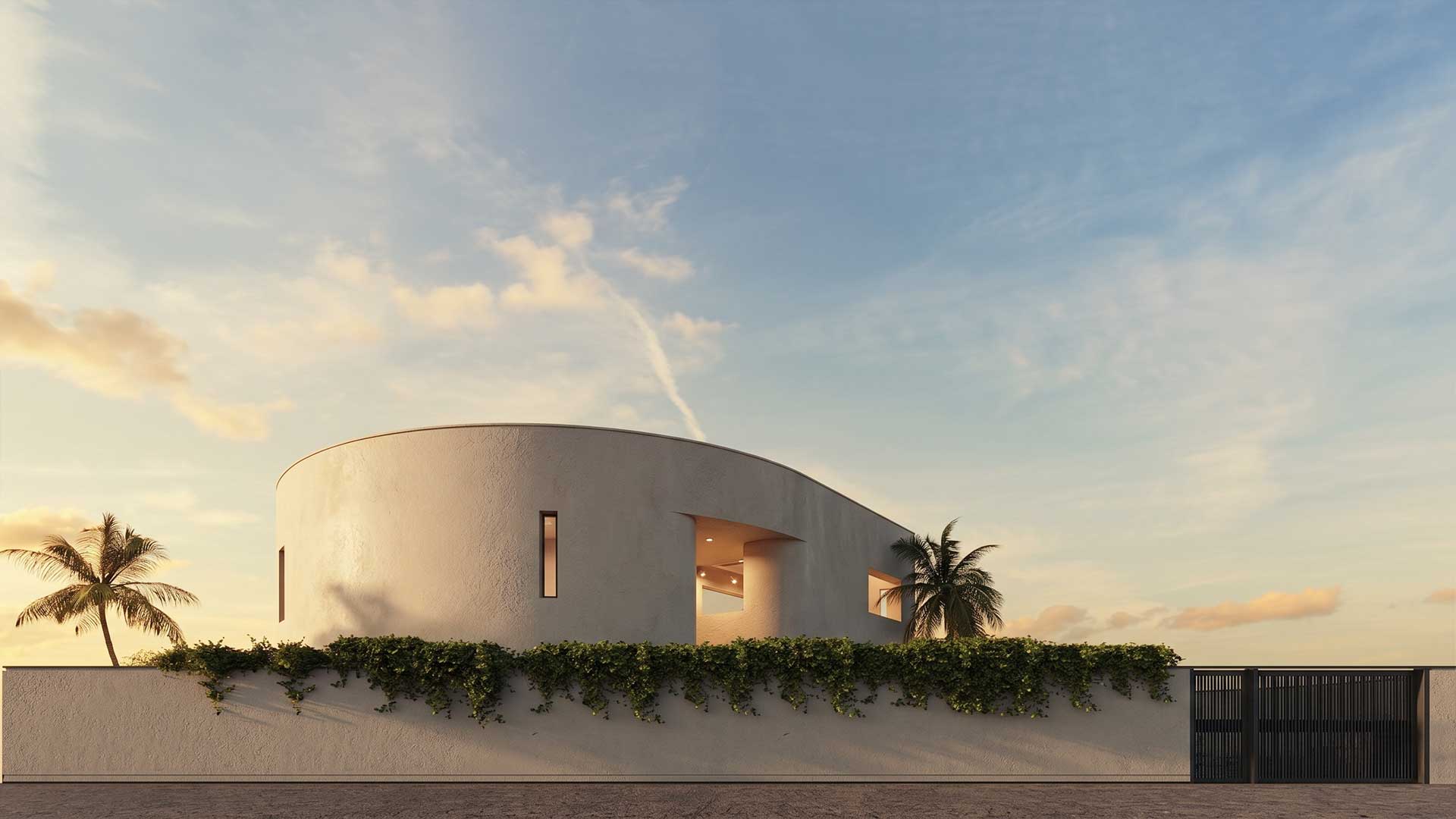
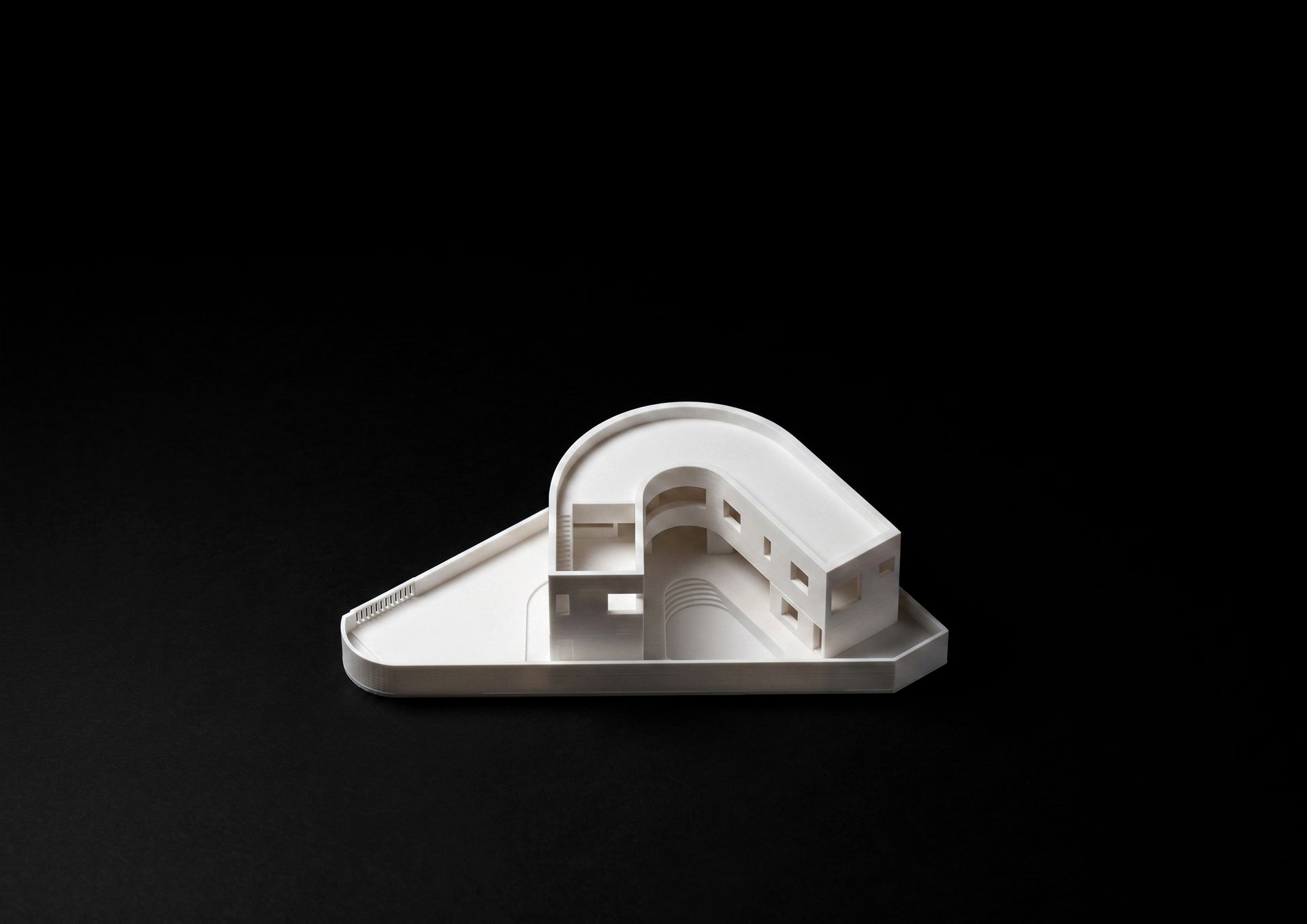
Located on Qeshm Island, this contemporary villa transforms a triangular site into a porous ribbon-like architecture shaped by wind, views, shade, and privacy, inspired by the region’s vernacular spatial logic.
Introduction
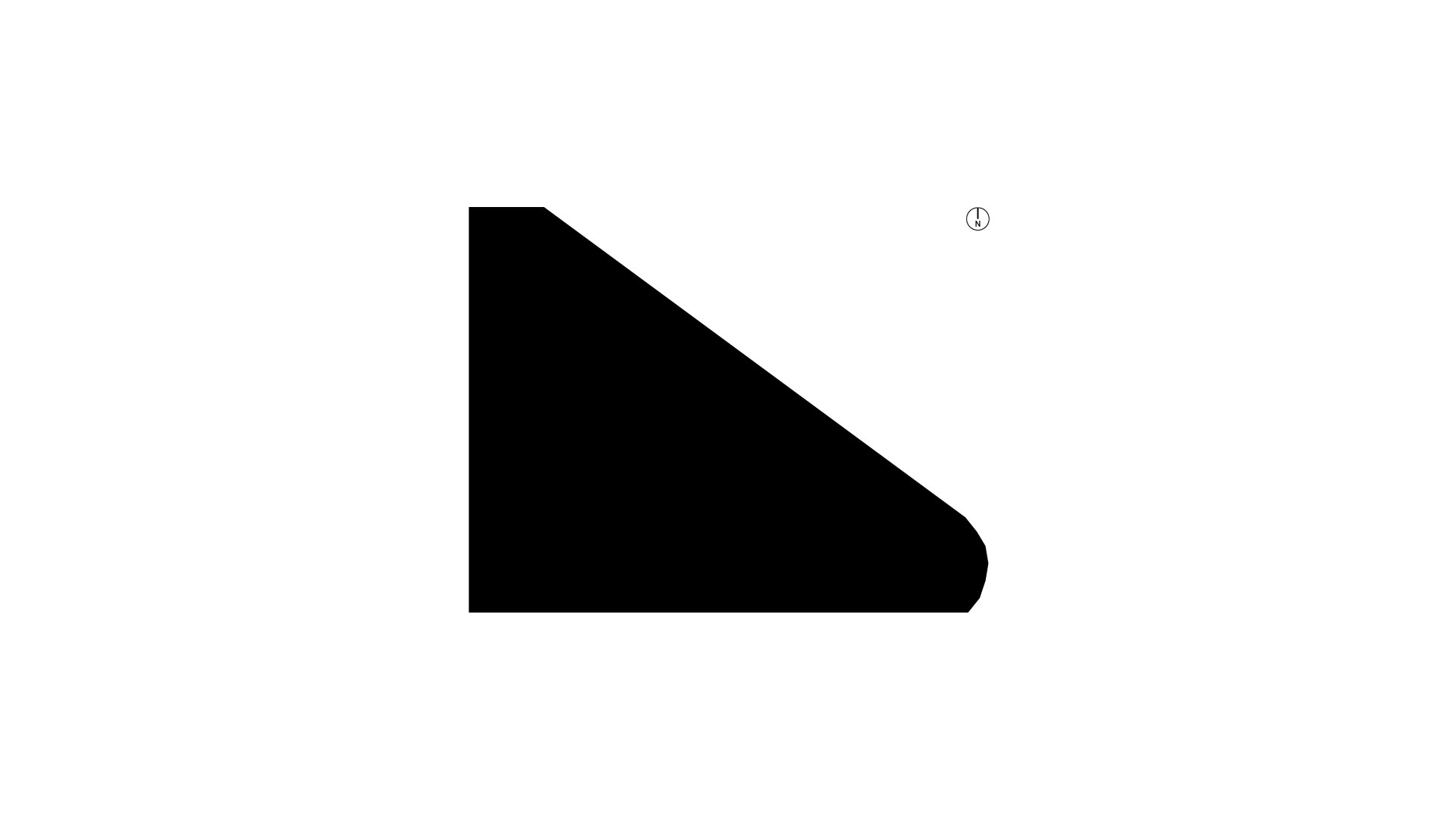
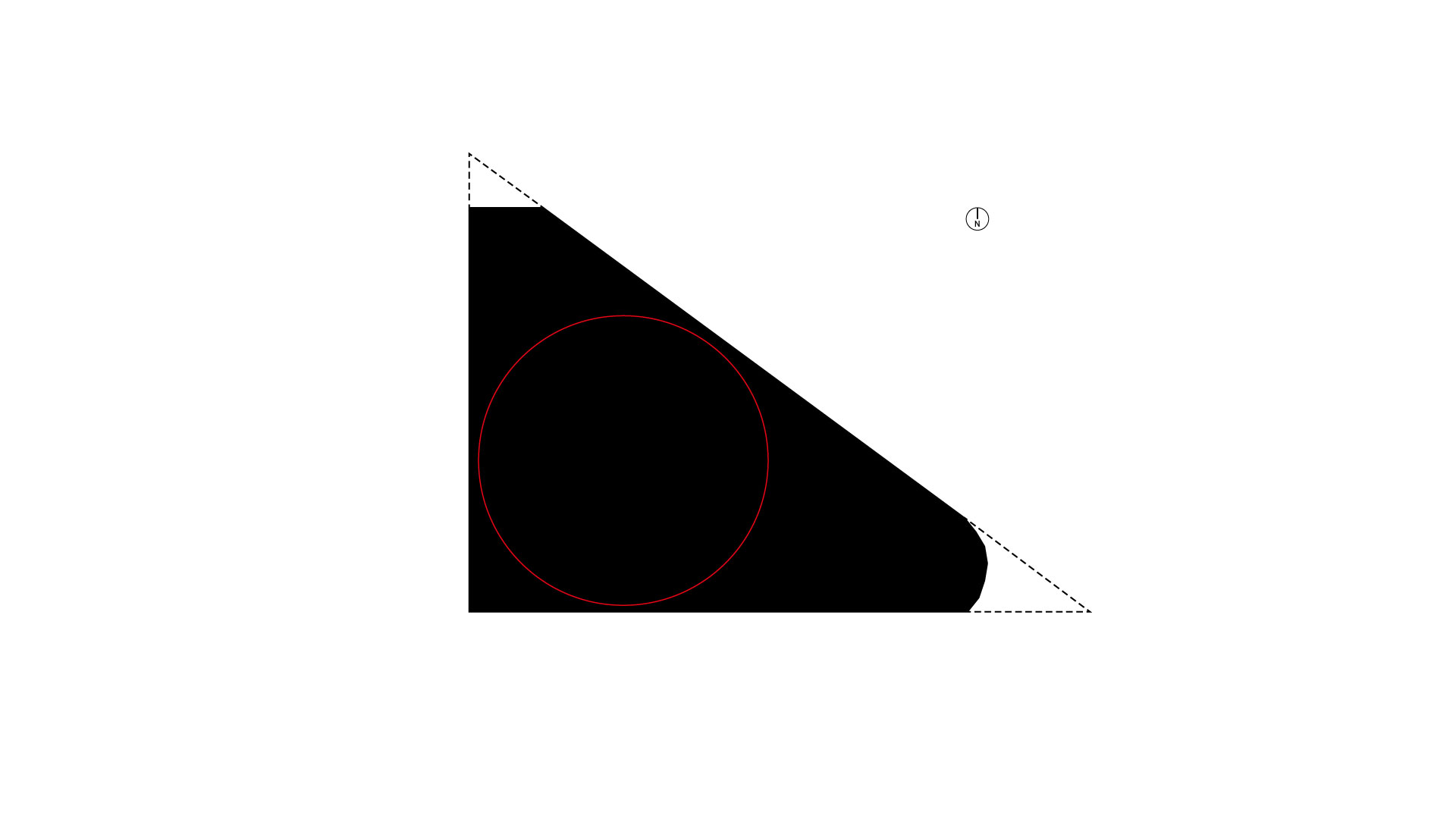
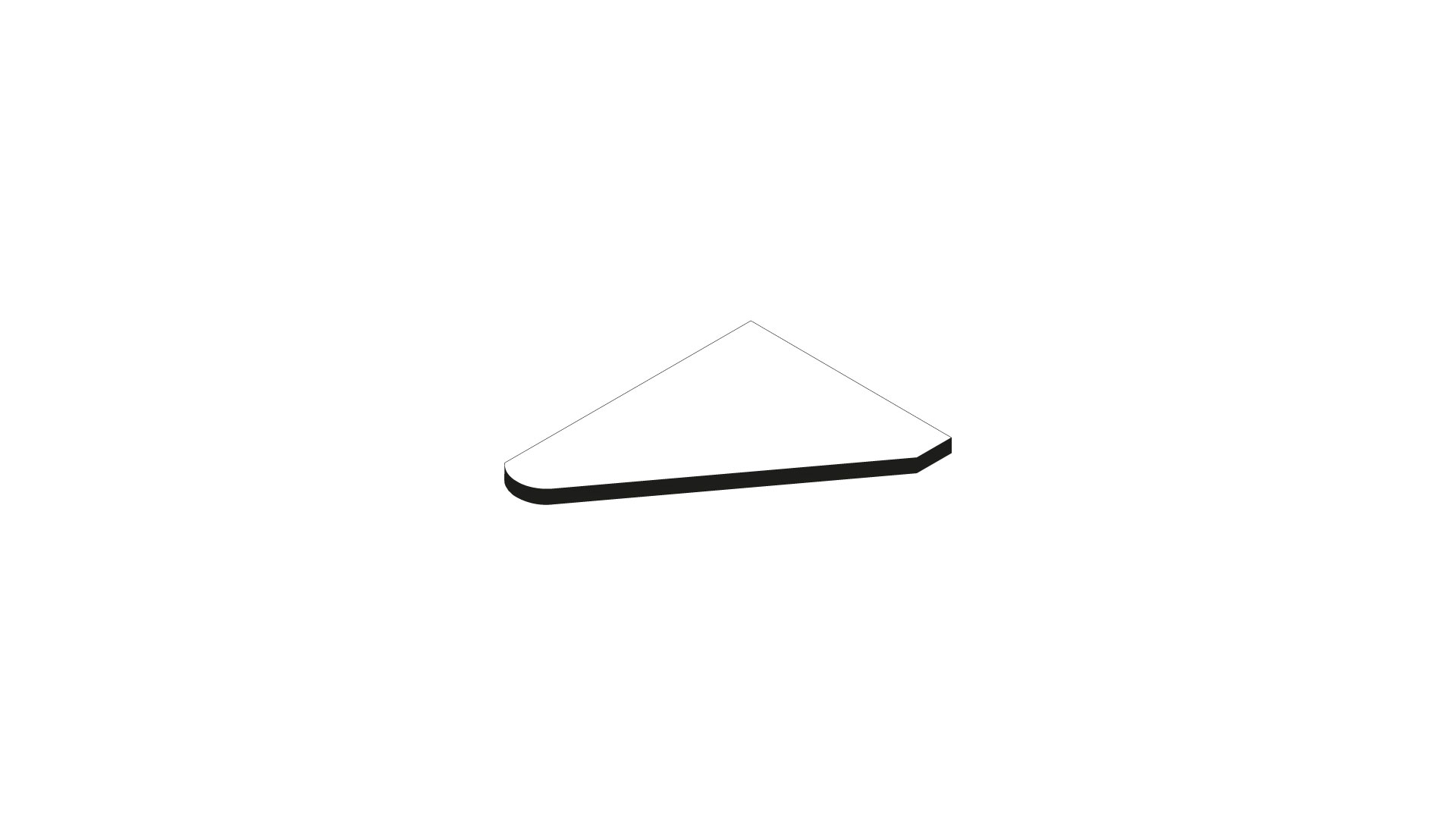
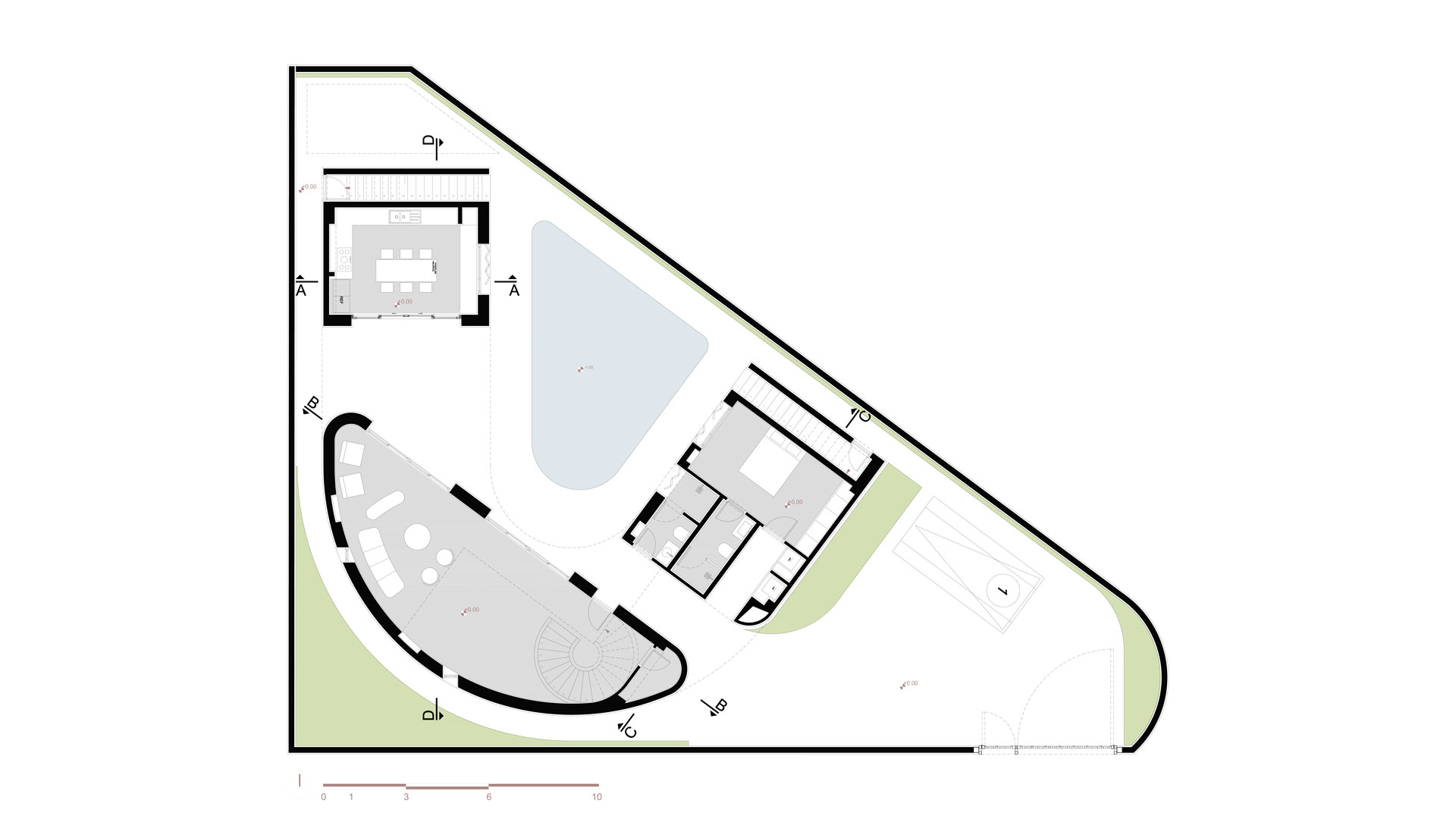
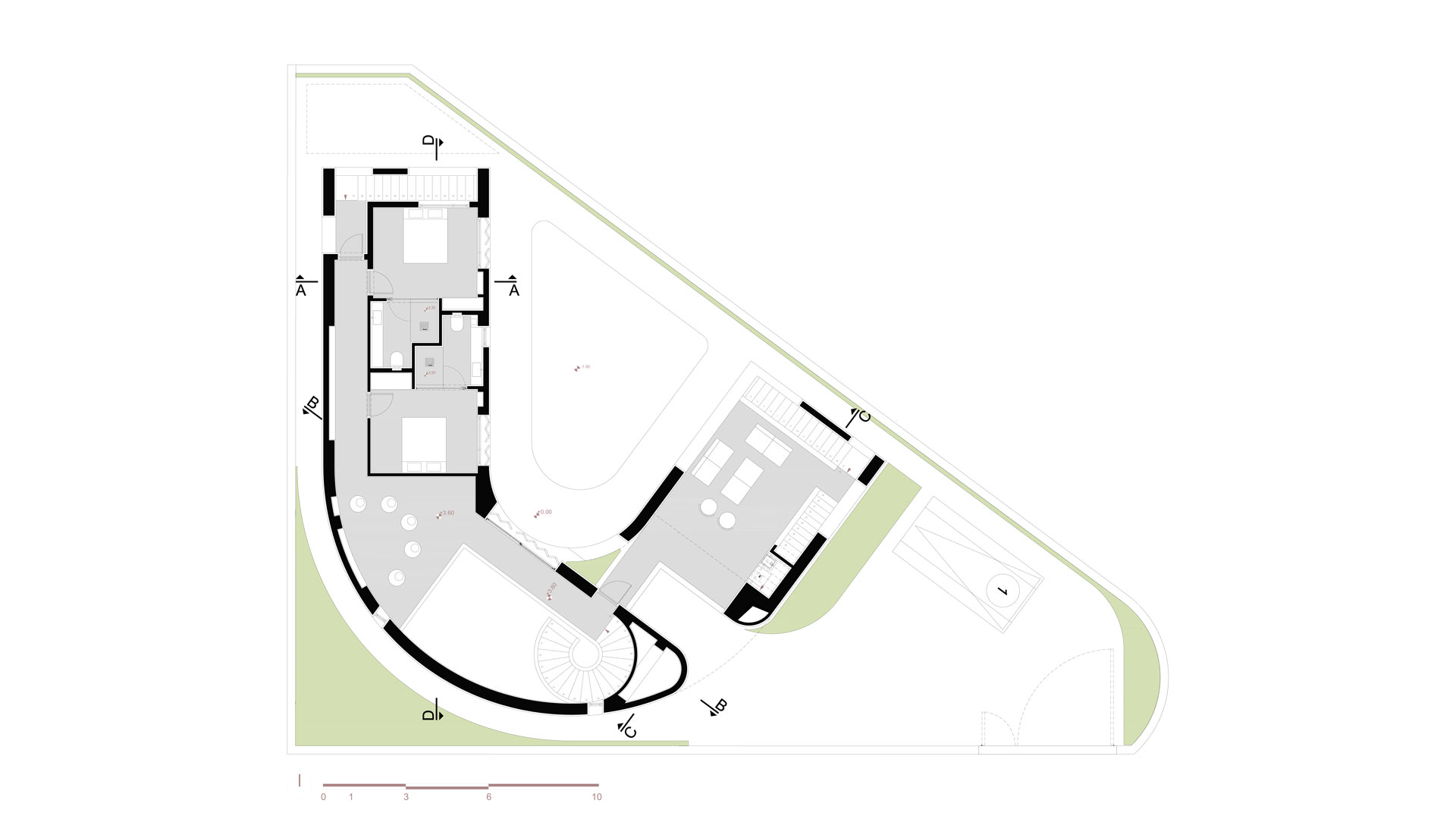
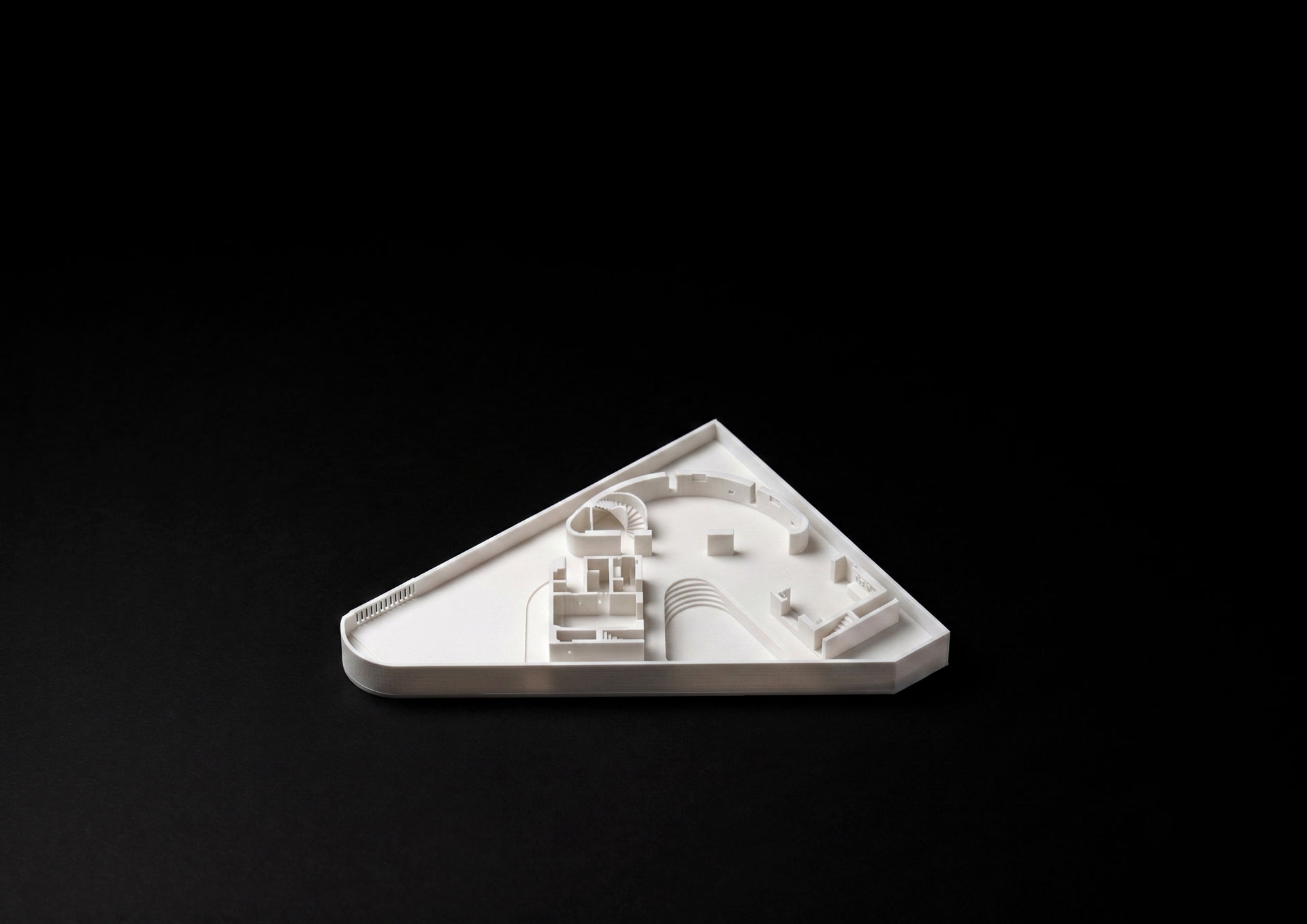
The project is located on Qeshm Island, adjacent to the village of Soheili, on a triangular plot of approximately 500 square meters. The unusual geometry of the site, together with its environmental characteristics—including climatic conditions, prevailing wind patterns, and the quality of views—made the formation of the building mass and its placement on the site the central design challenge.
project’s dual program as both a residence and a villa required the organization of a diverse set of spaces with varying degrees of privacy and openness. This approach resonates with spatial strategies commonly found in the region’s vernacular architecture, where multiple interconnected volumes often accommodate different aspects of daily life.
Building Placement and Site Response
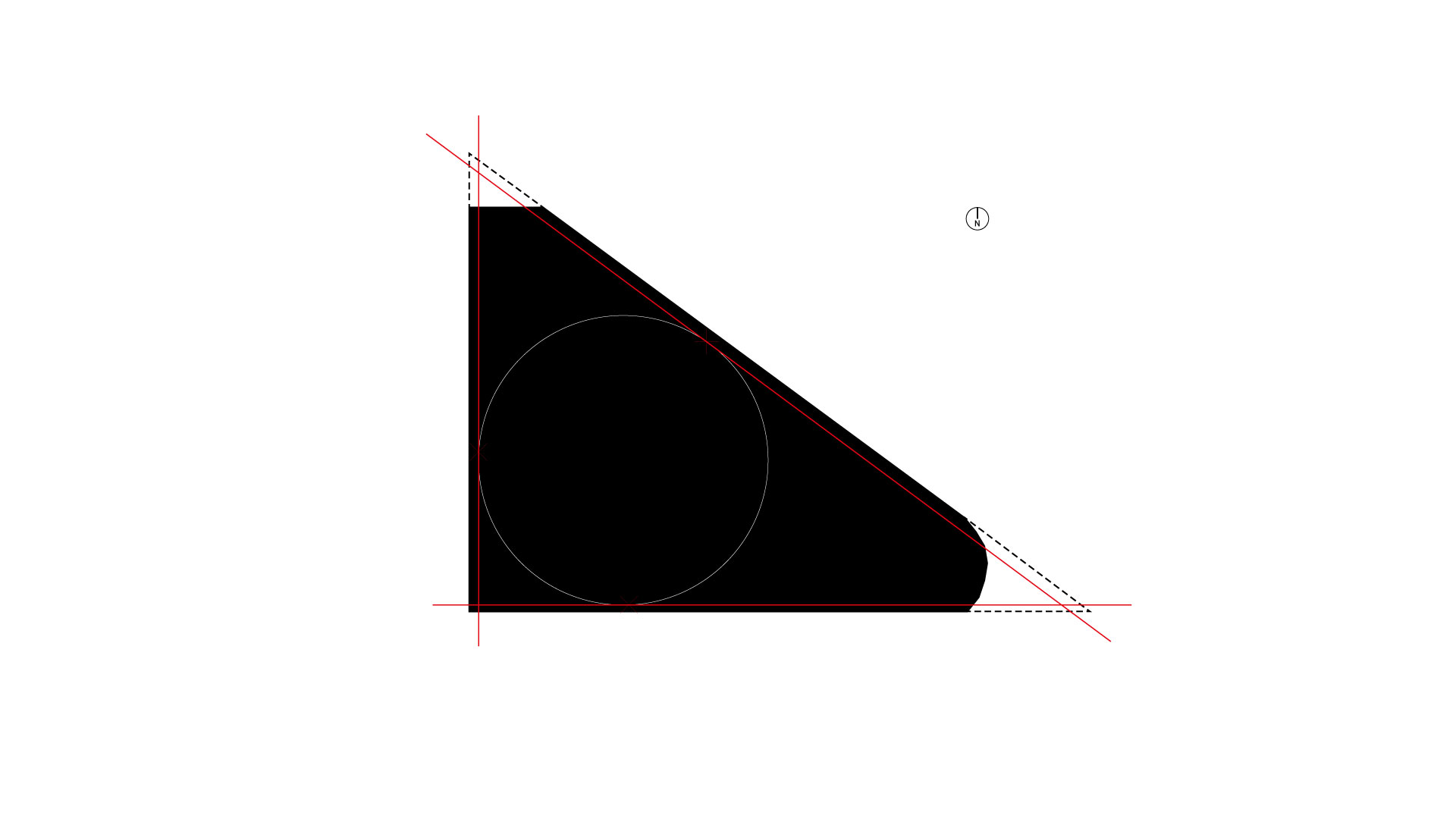
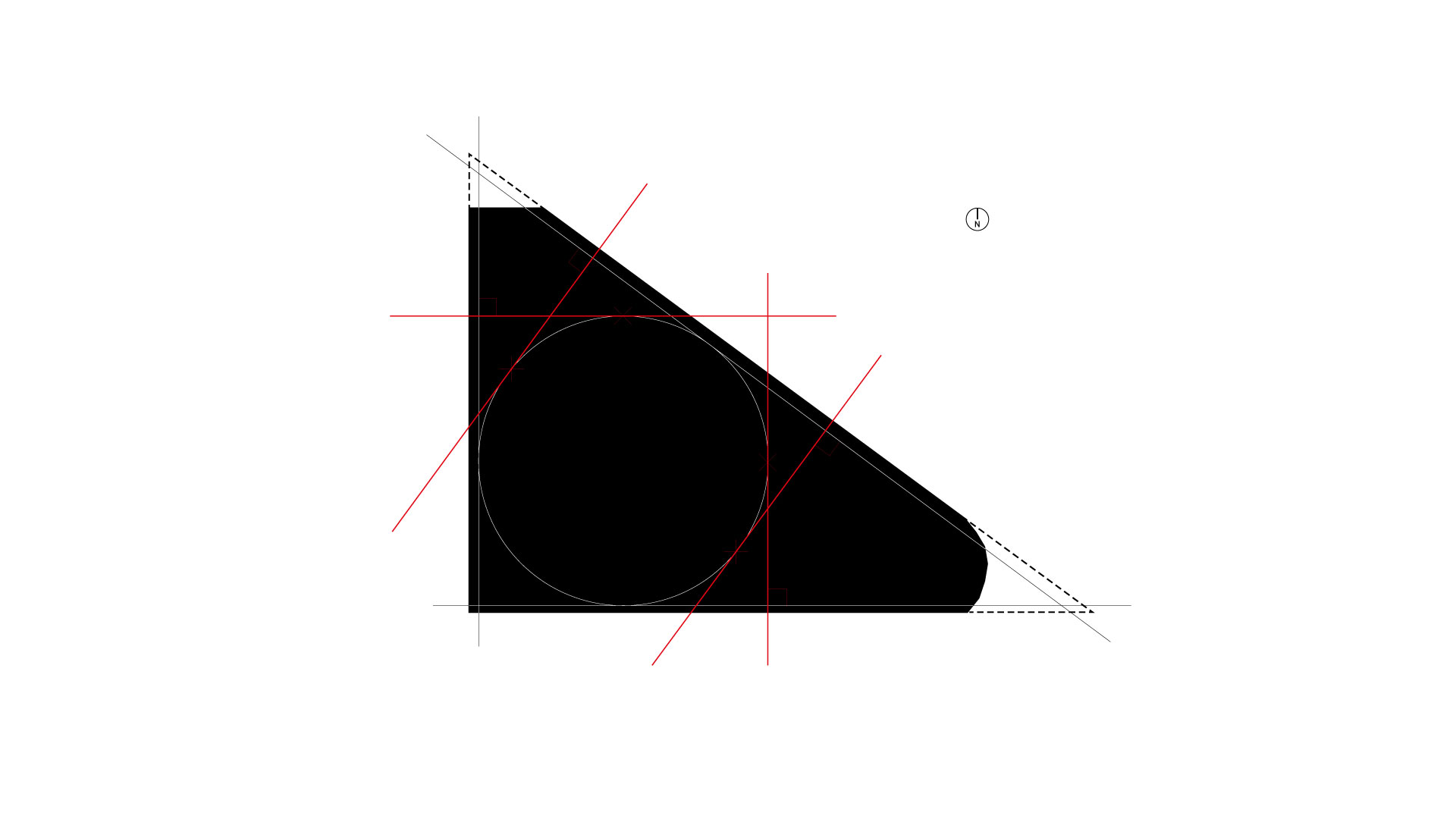
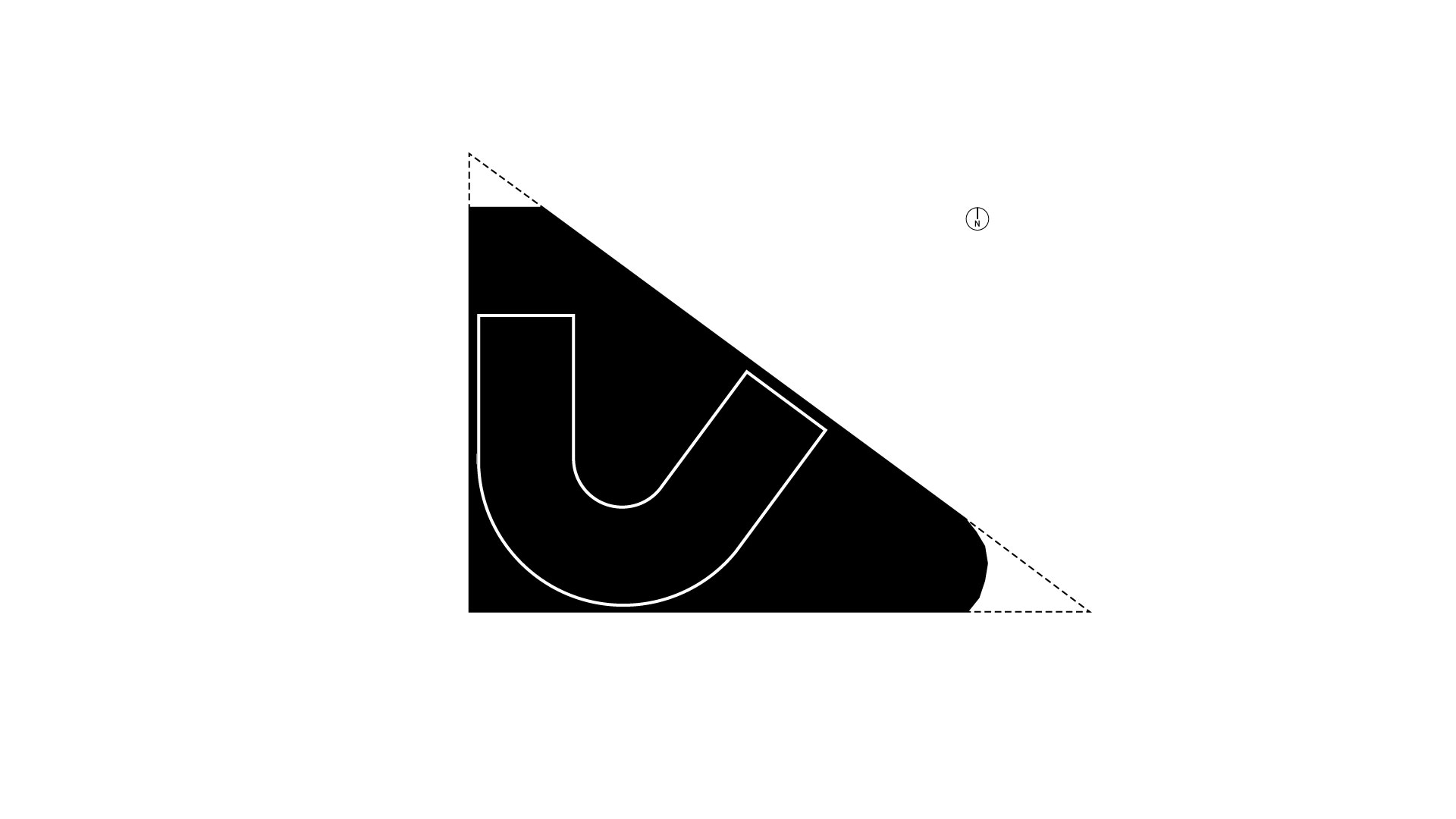
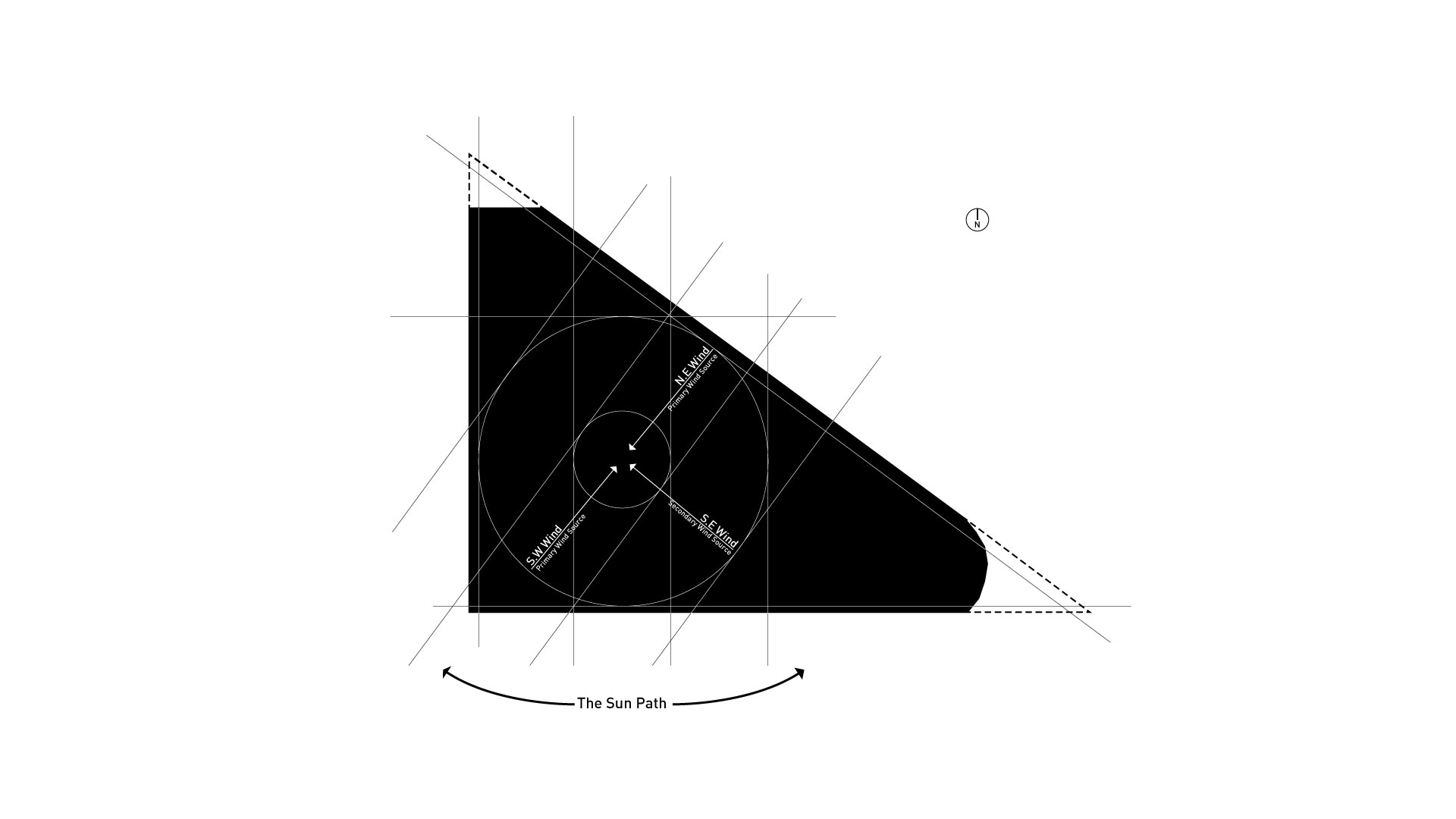
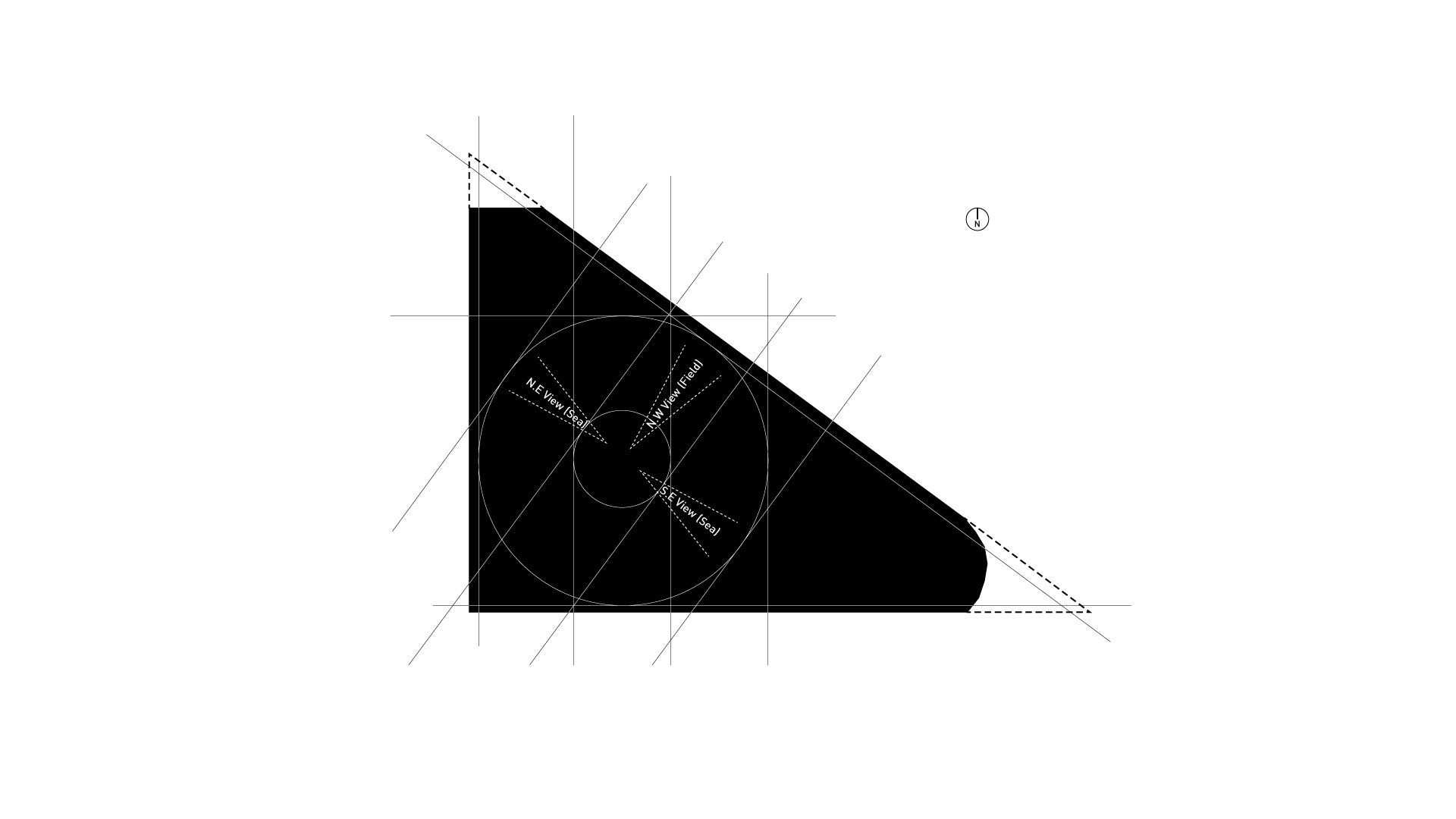
The design process began with a careful reading of the site’s opportunities and constraints. The right-triangular geometry of the plot discouraged the formation of a conventional compact volume while simultaneously offering the possibility of redefining the relationship between built form and open space. The most desirable views extend toward the north and northeast, while favorable winds predominantly arrive from the northeast, southeast, and southwest. Conversely, the southern and western edges of the site required a greater degree of privacy and environmental protection.
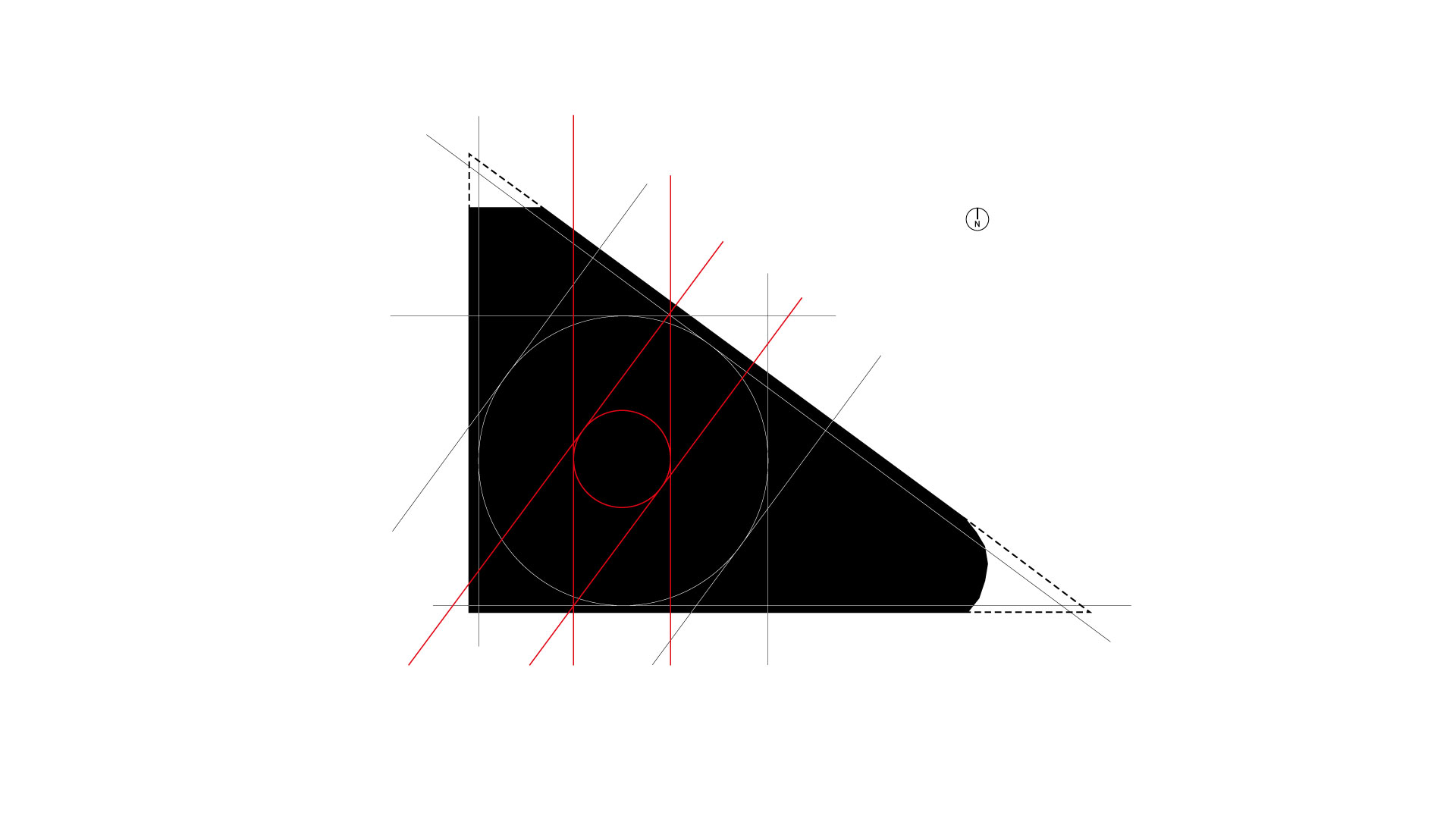
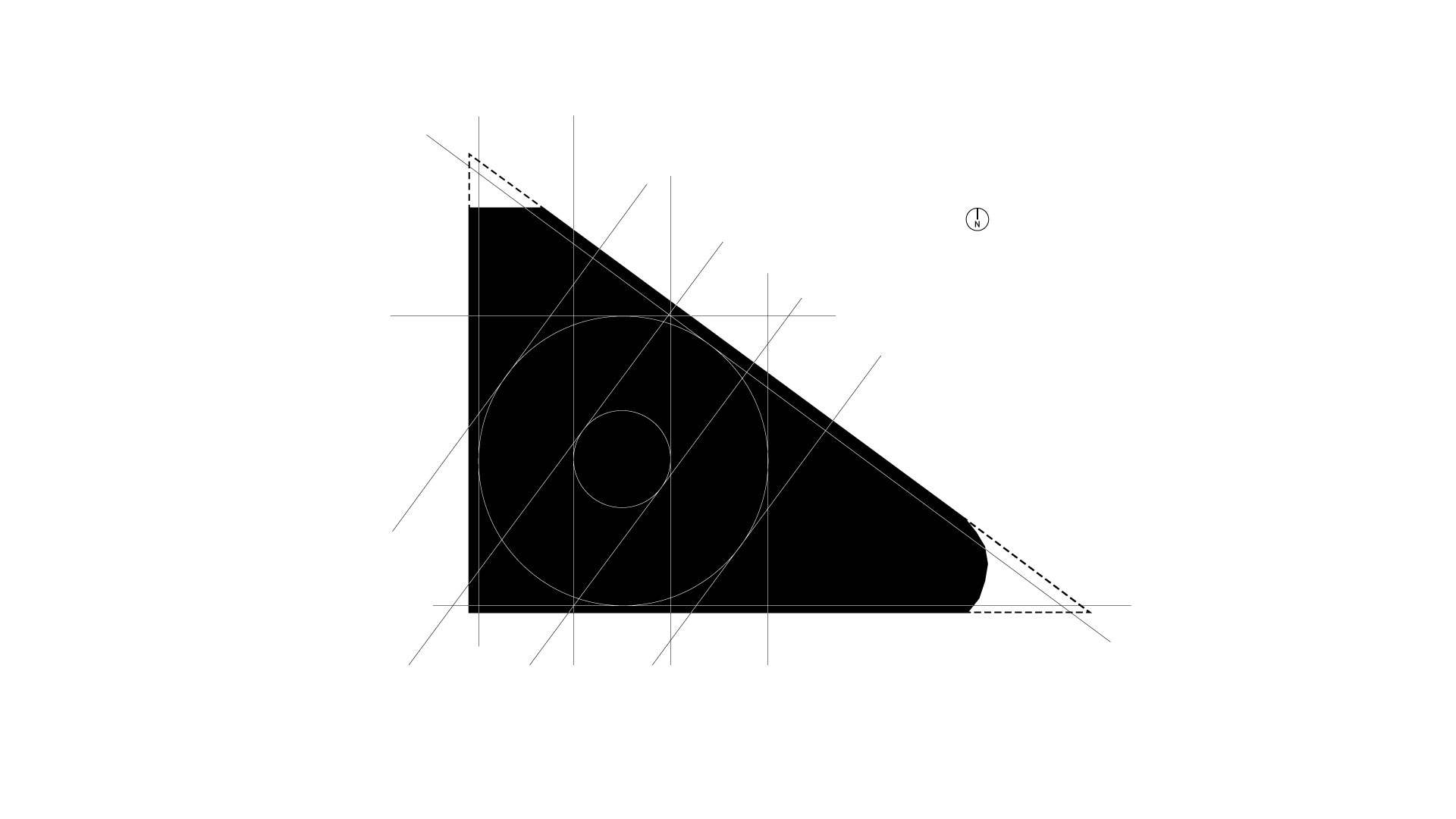
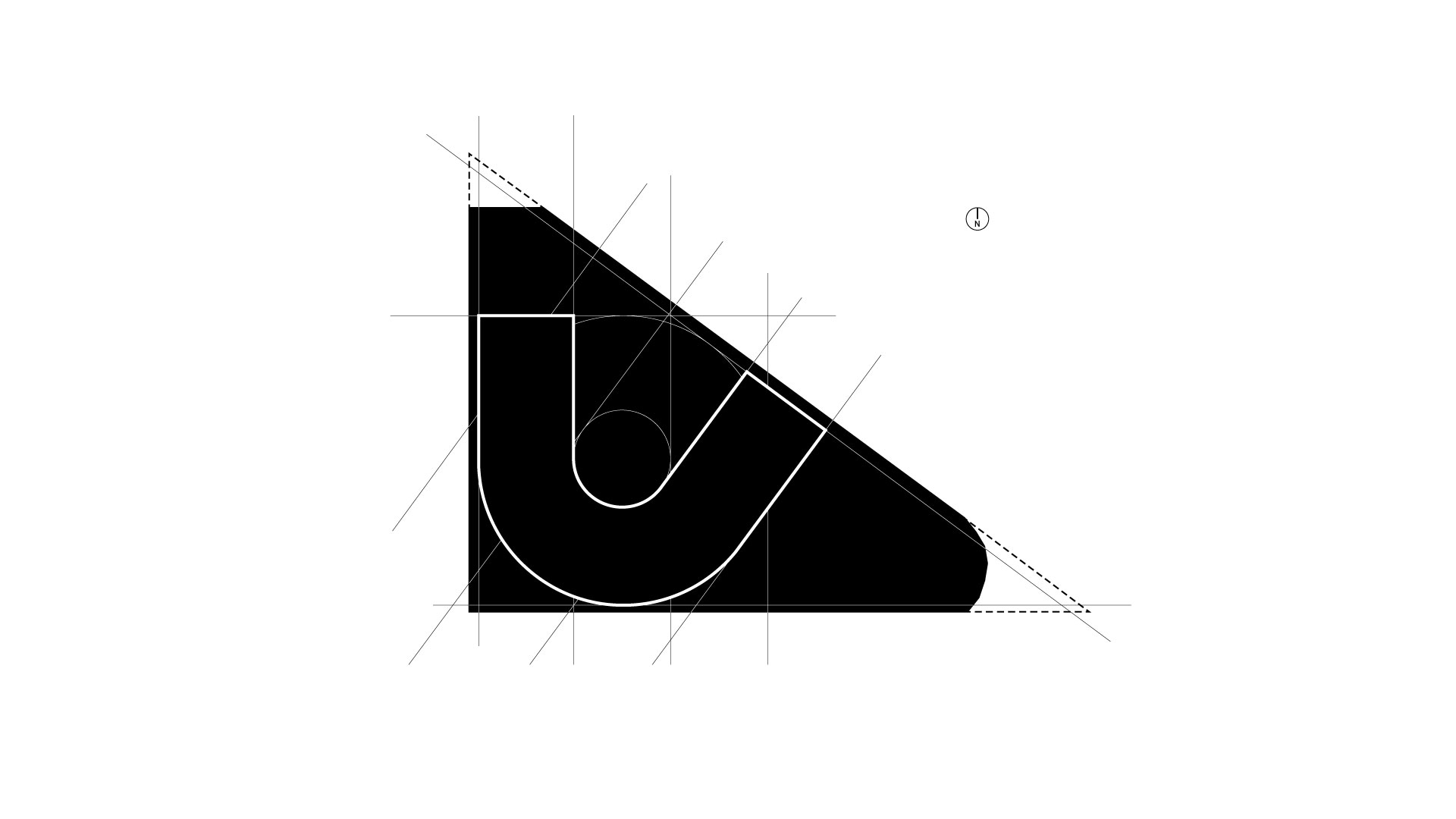
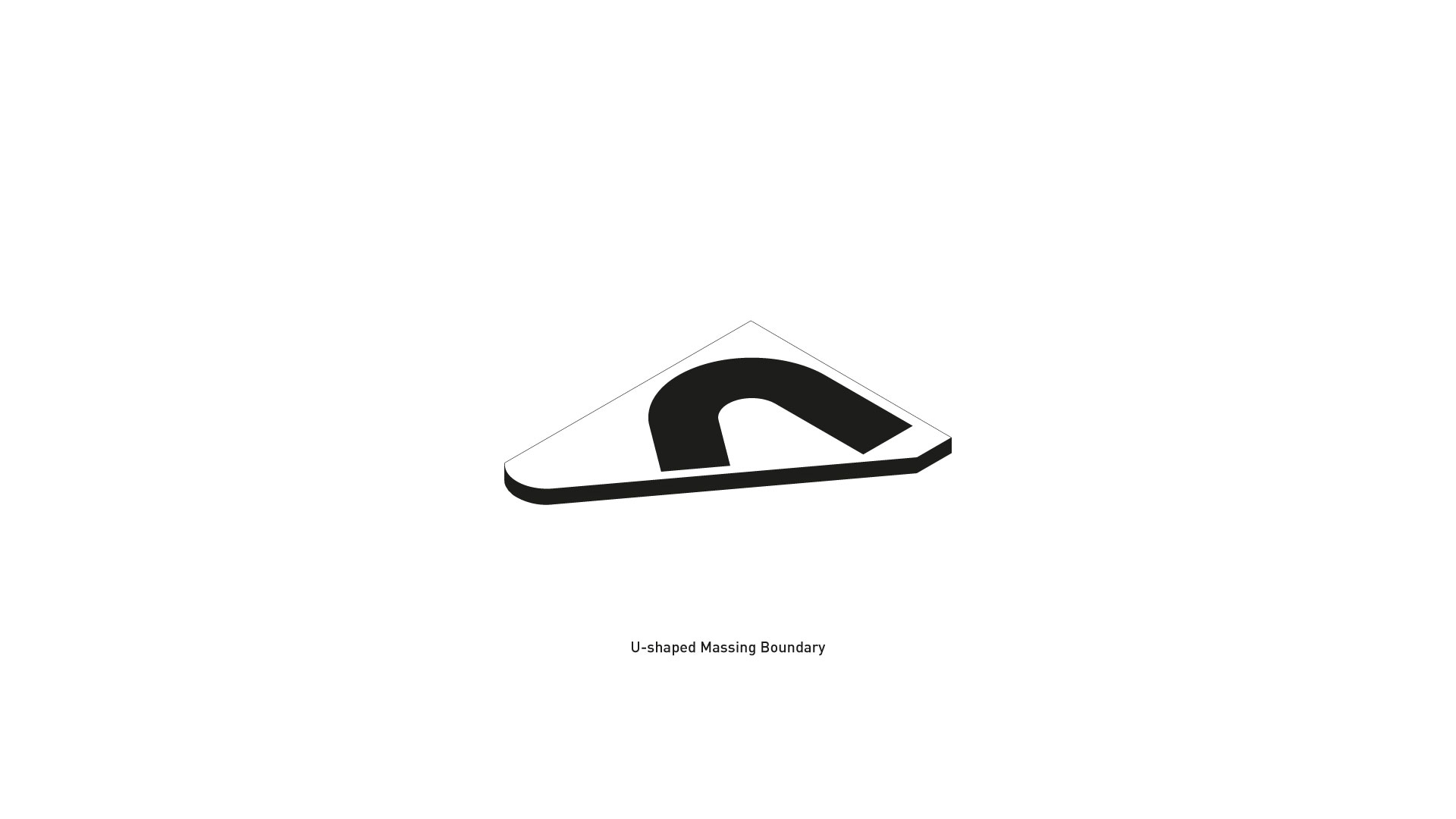
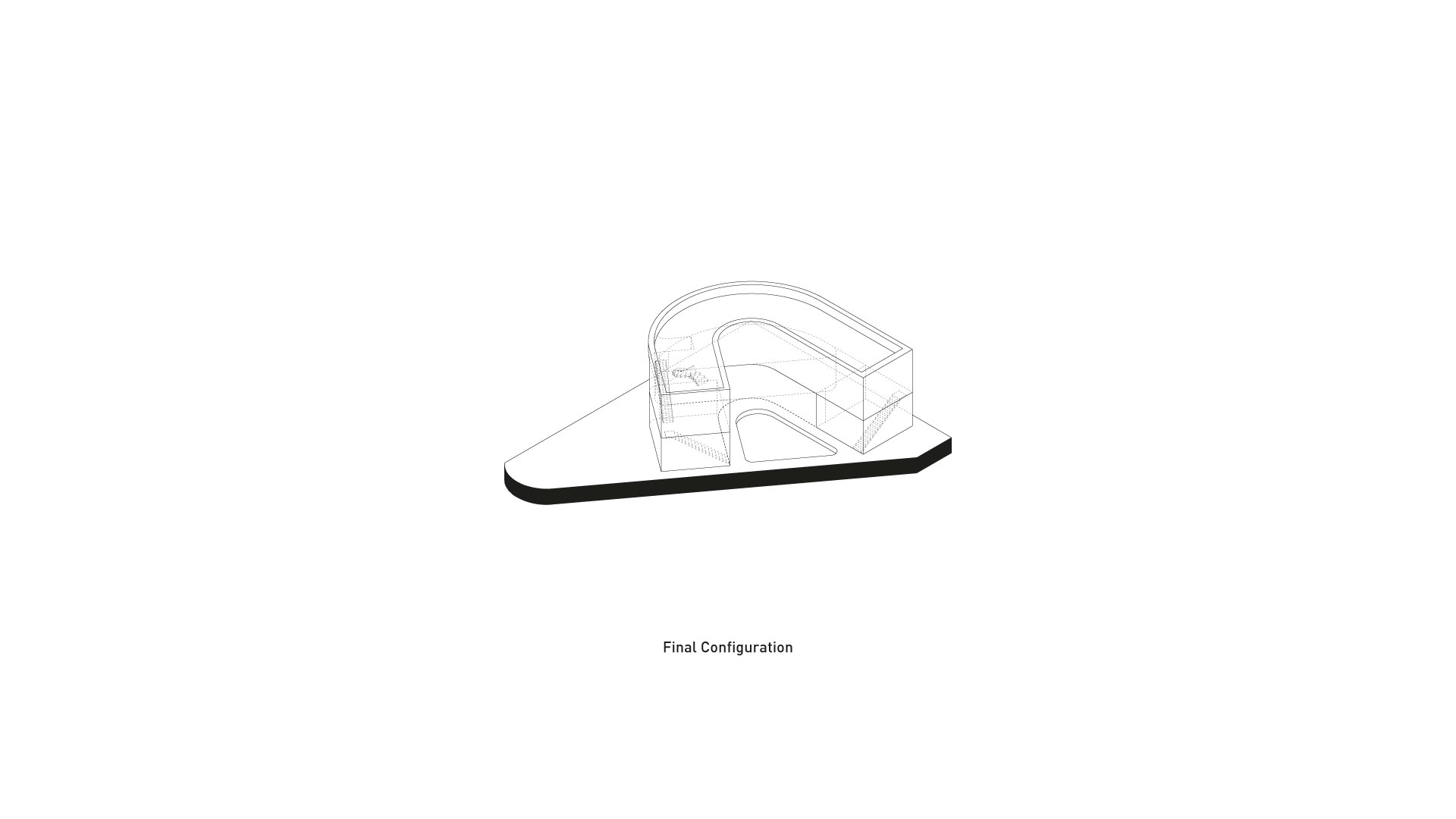
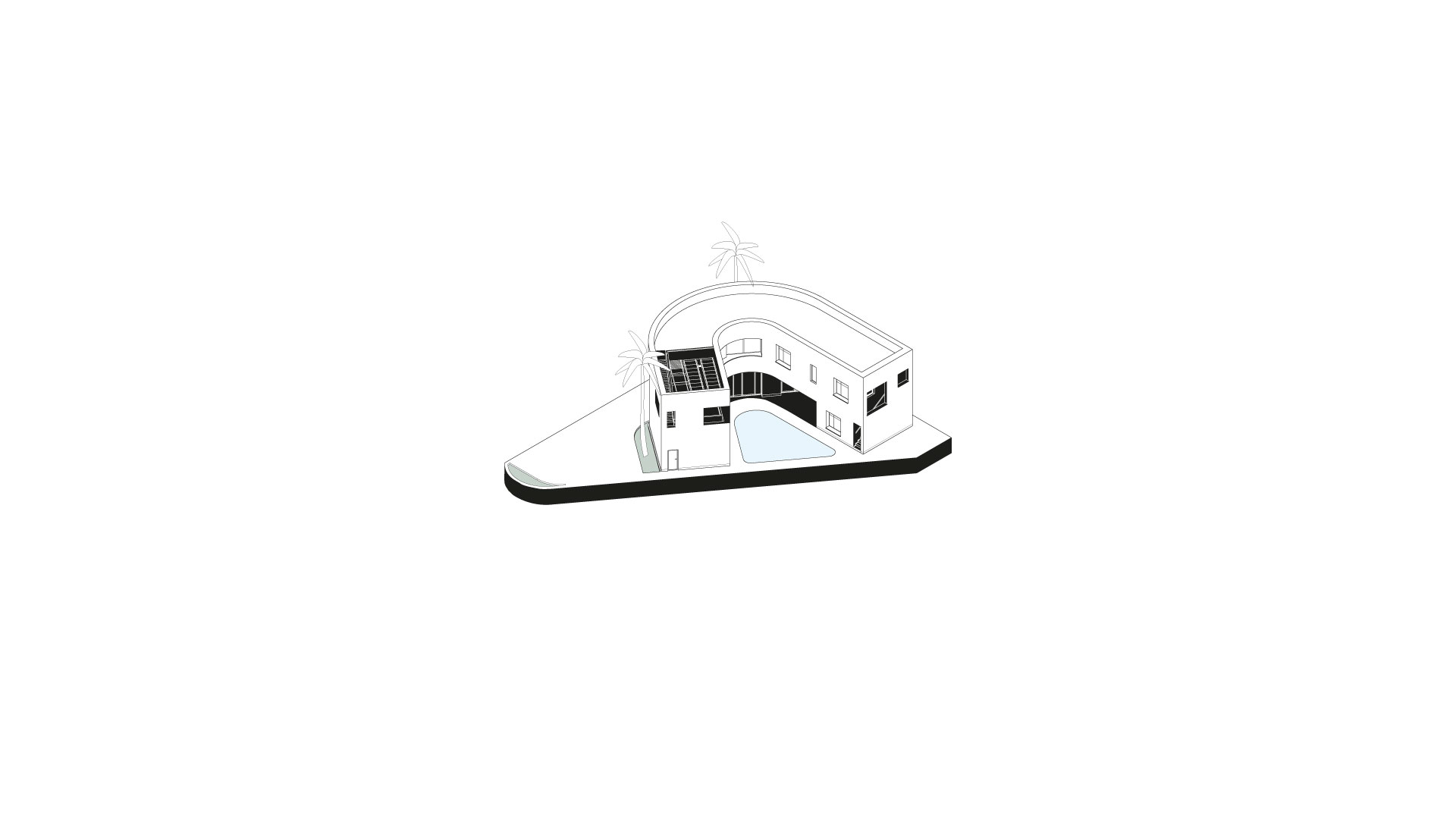
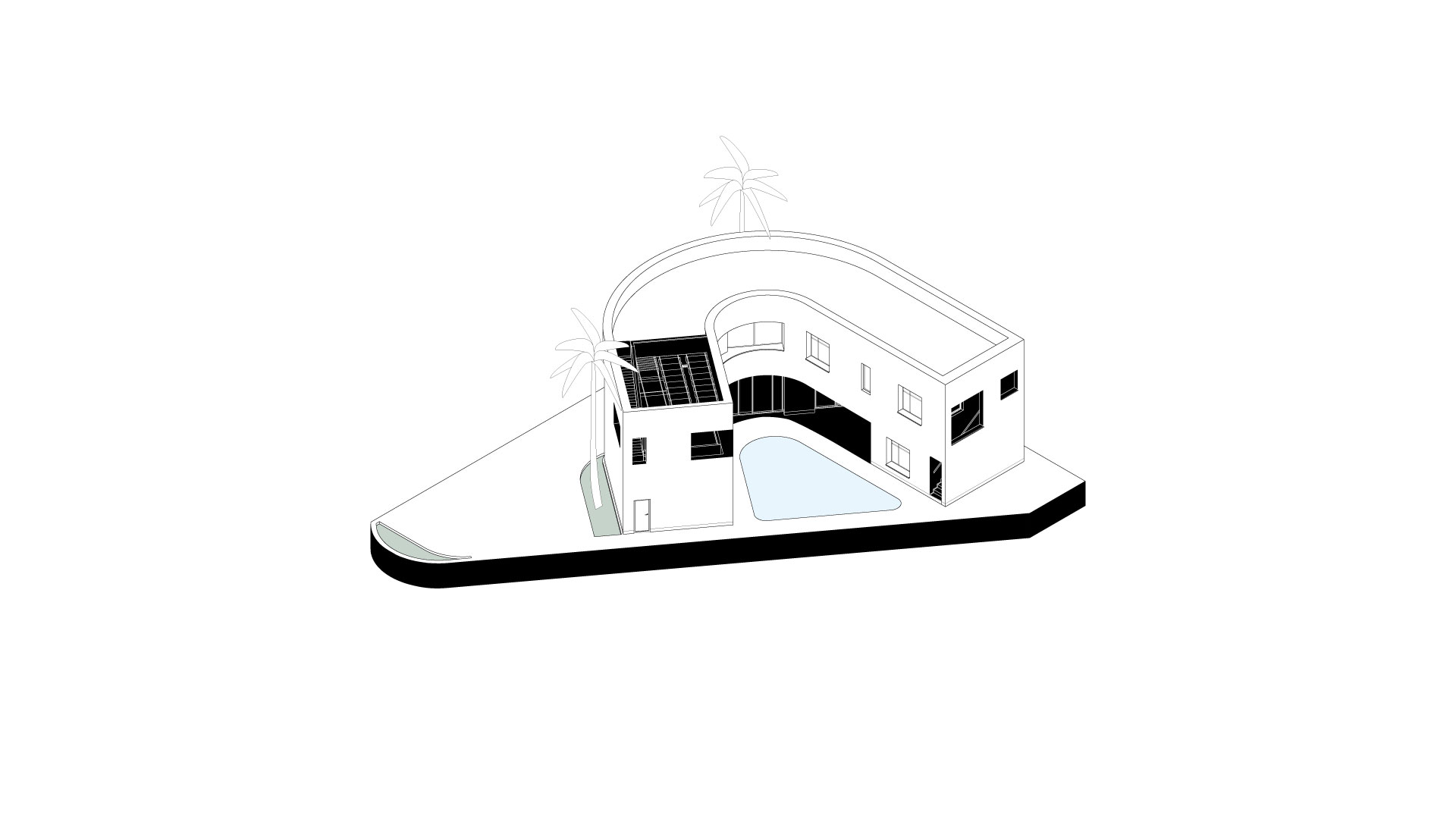
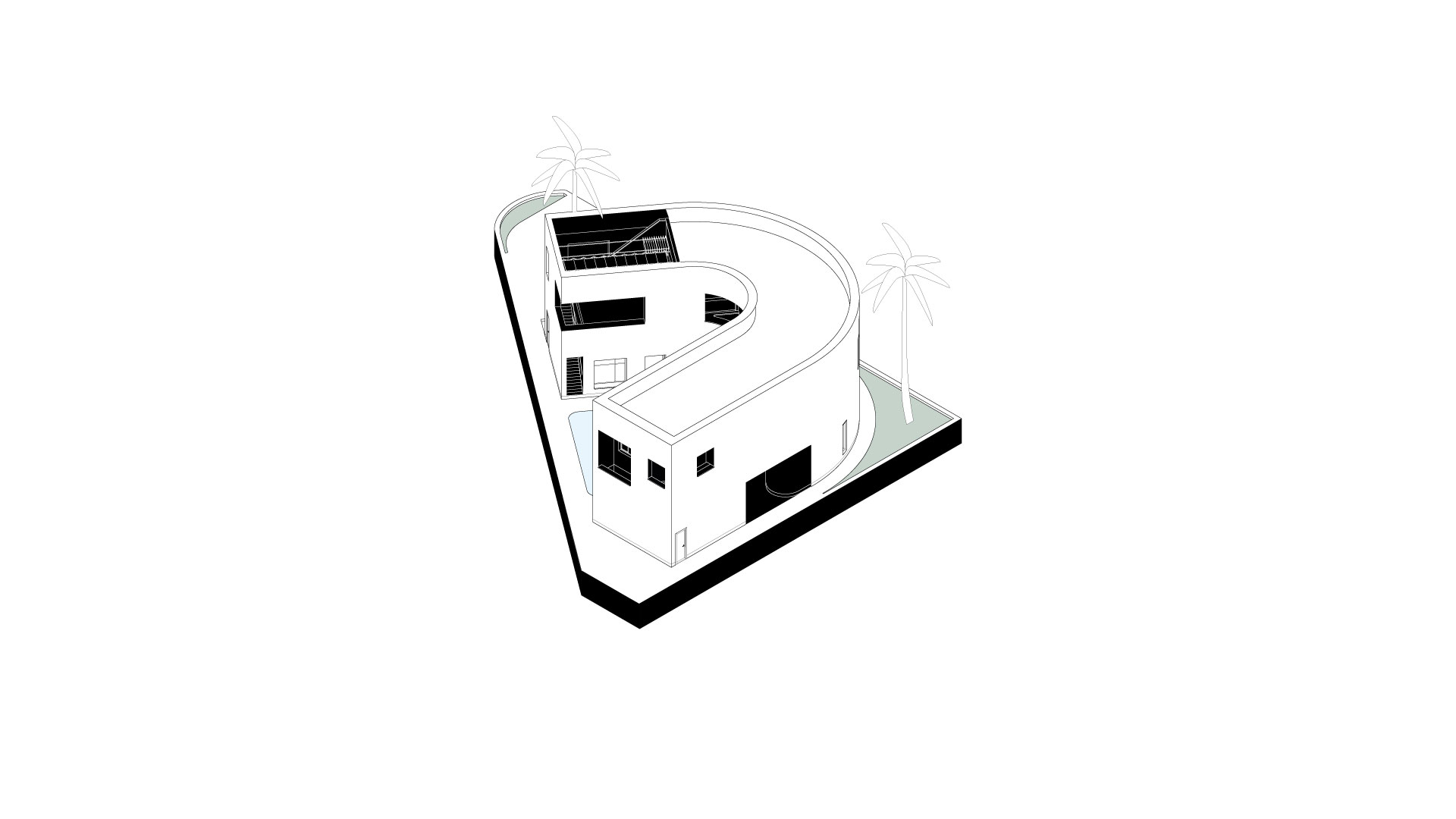
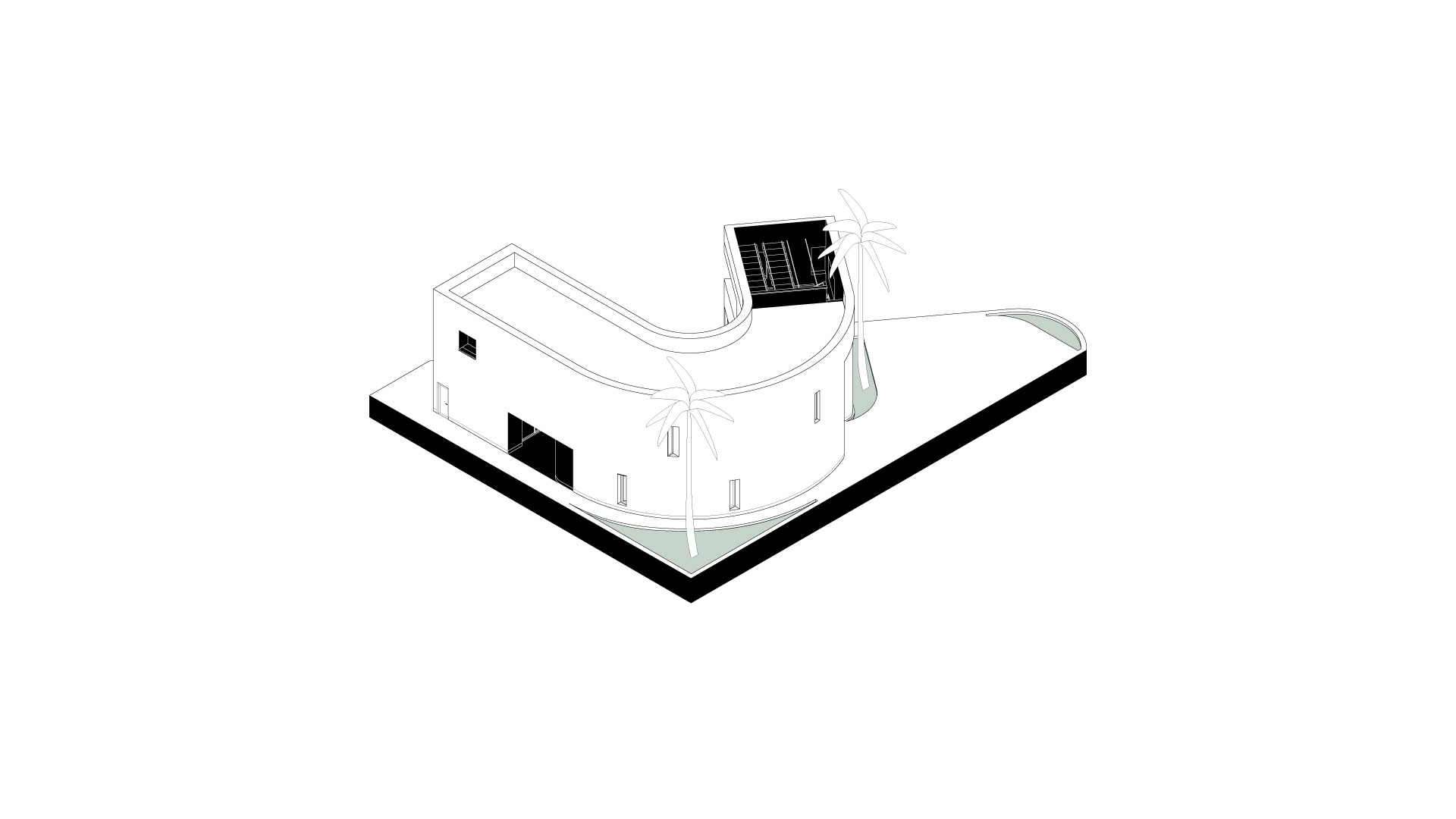
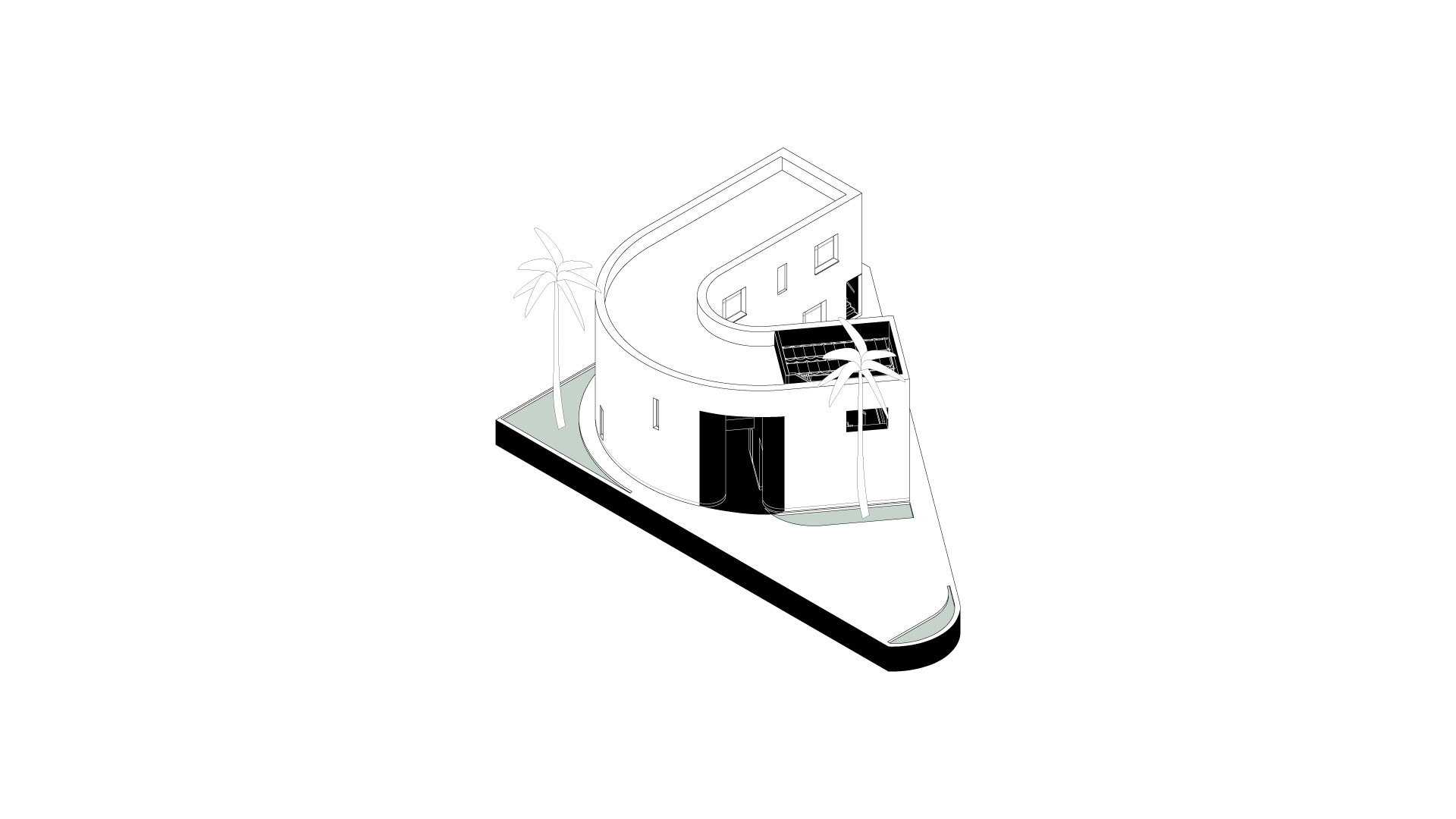
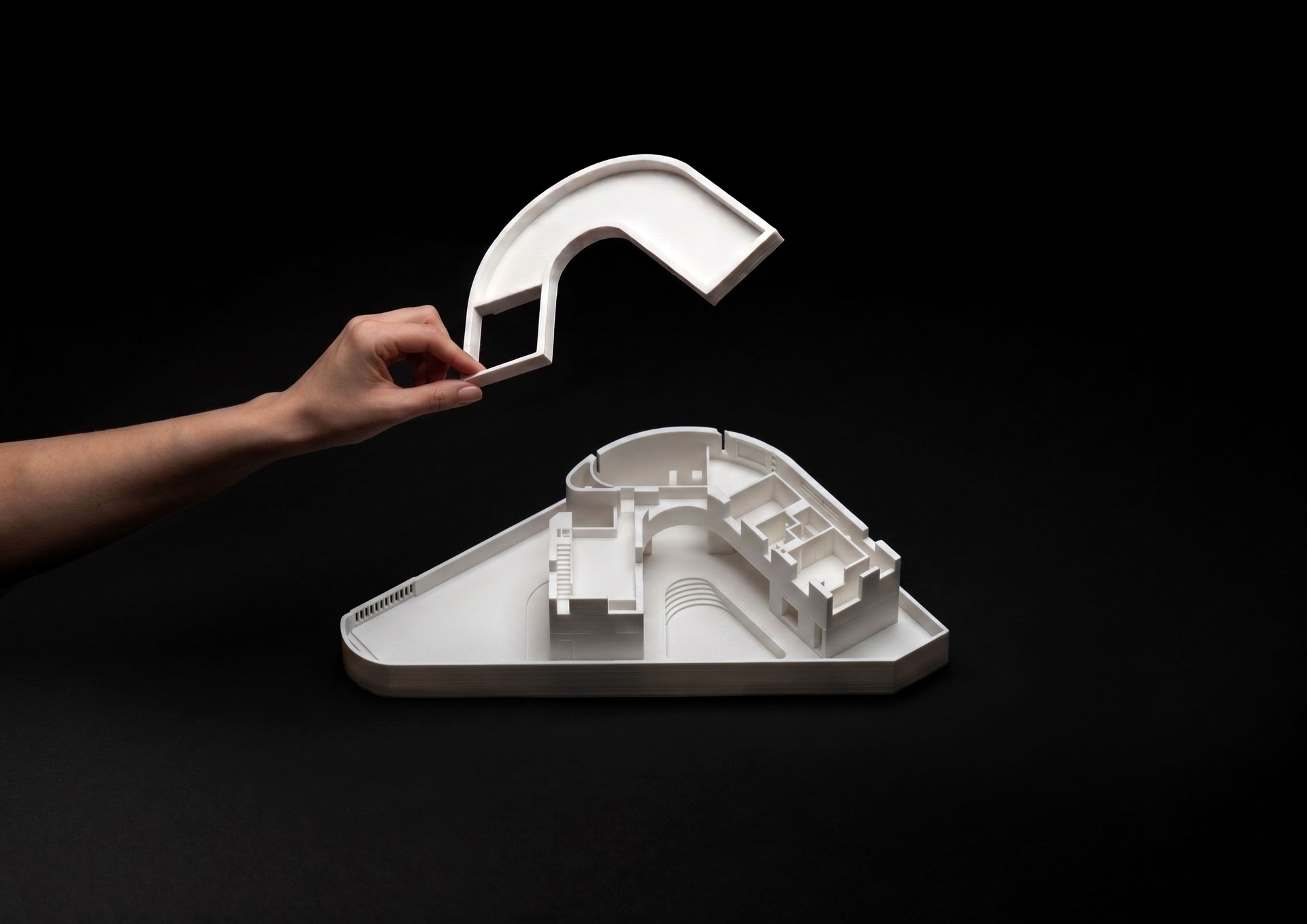
In response to these conditions, the building was conceived as a continuous ribbon-like form that bends and adapts to the geometry of the site. This strategy maximizes exposure to desirable views and prevailing breezes while carefully regulating openness and privacy. As a result, the project’s form emerged not as a purely geometric exercise, but as the outcome of an ongoing negotiation between the site’s physical characteristics, climatic conditions, and programmatic requirements.
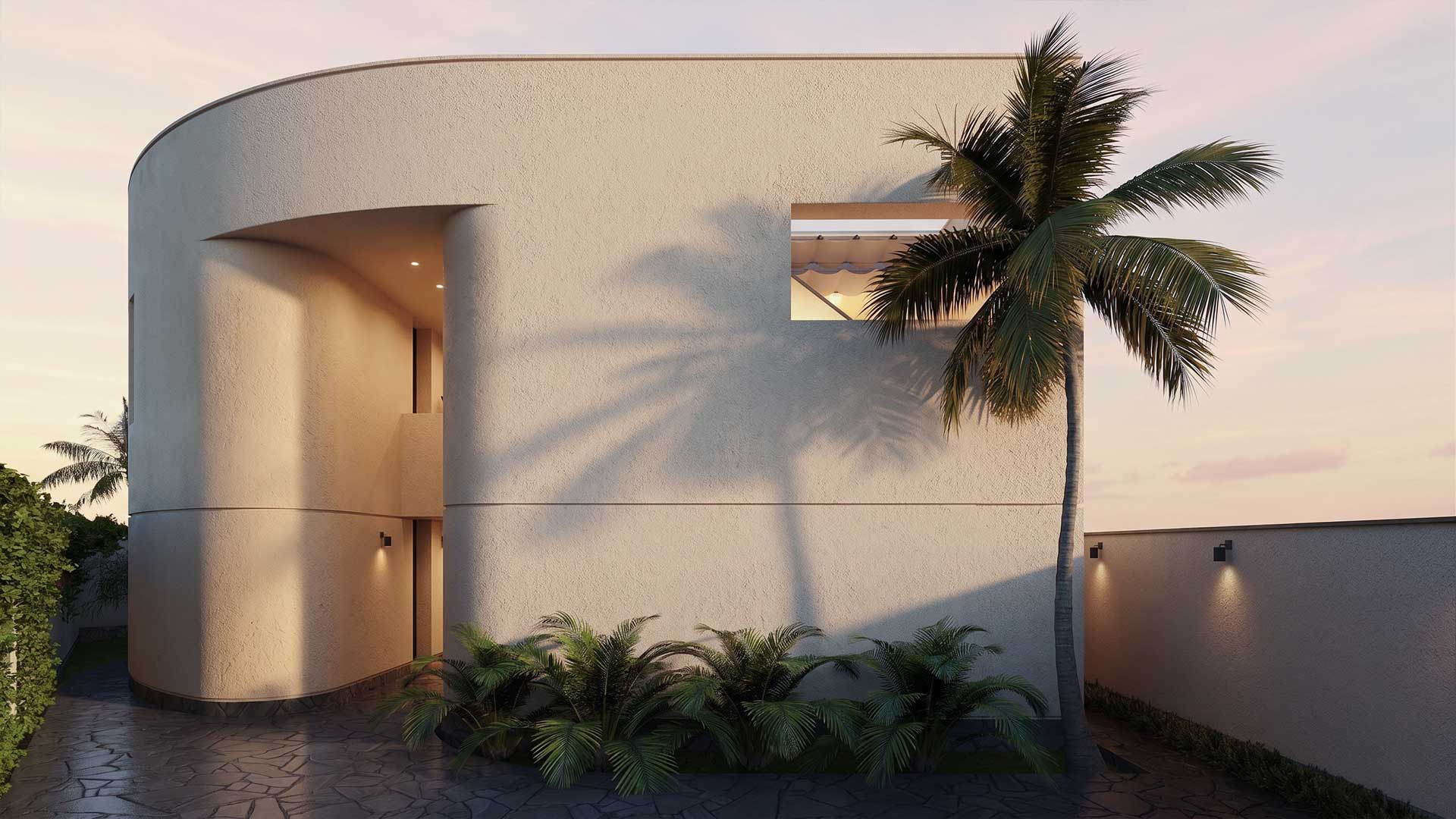
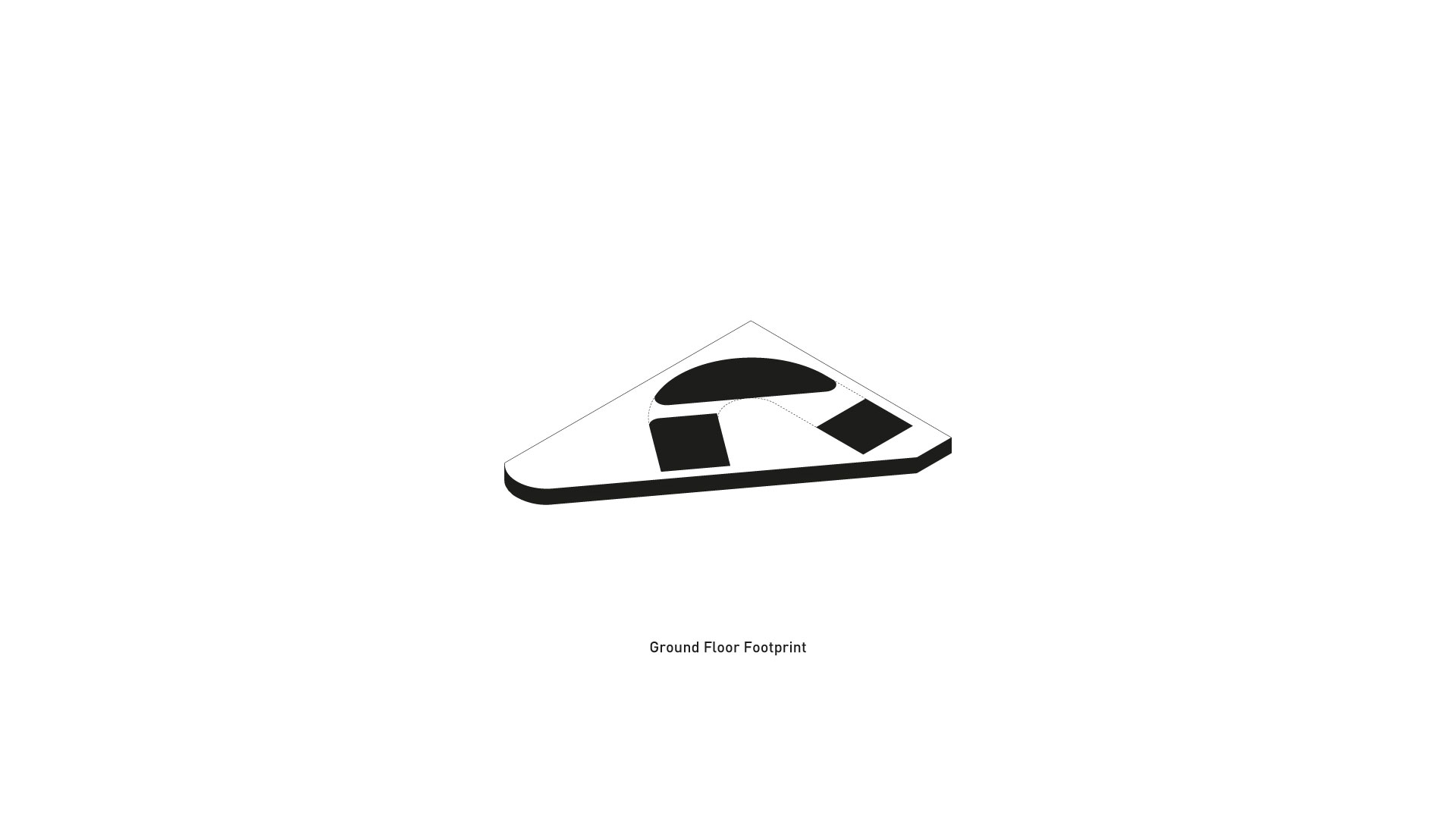
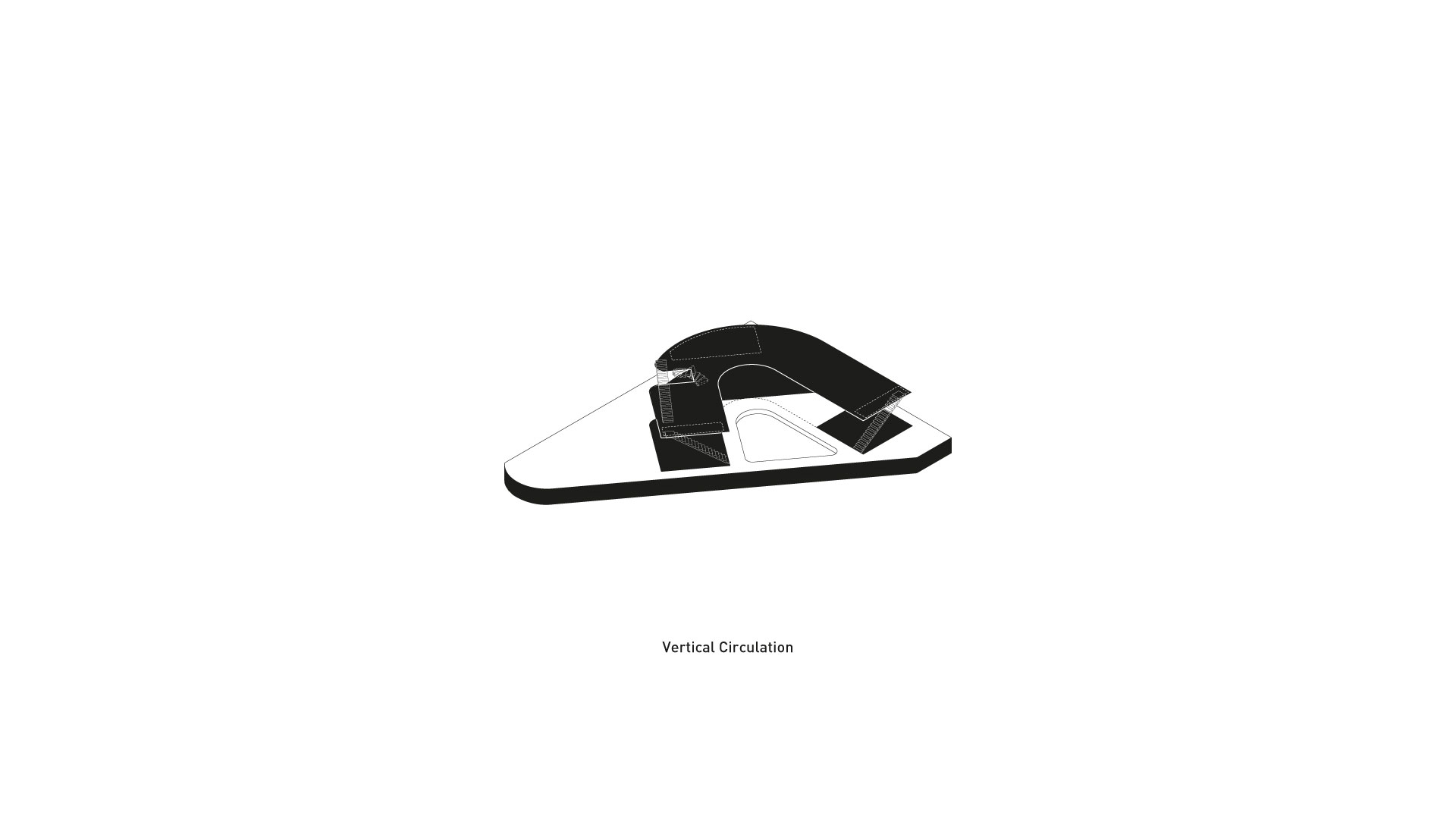
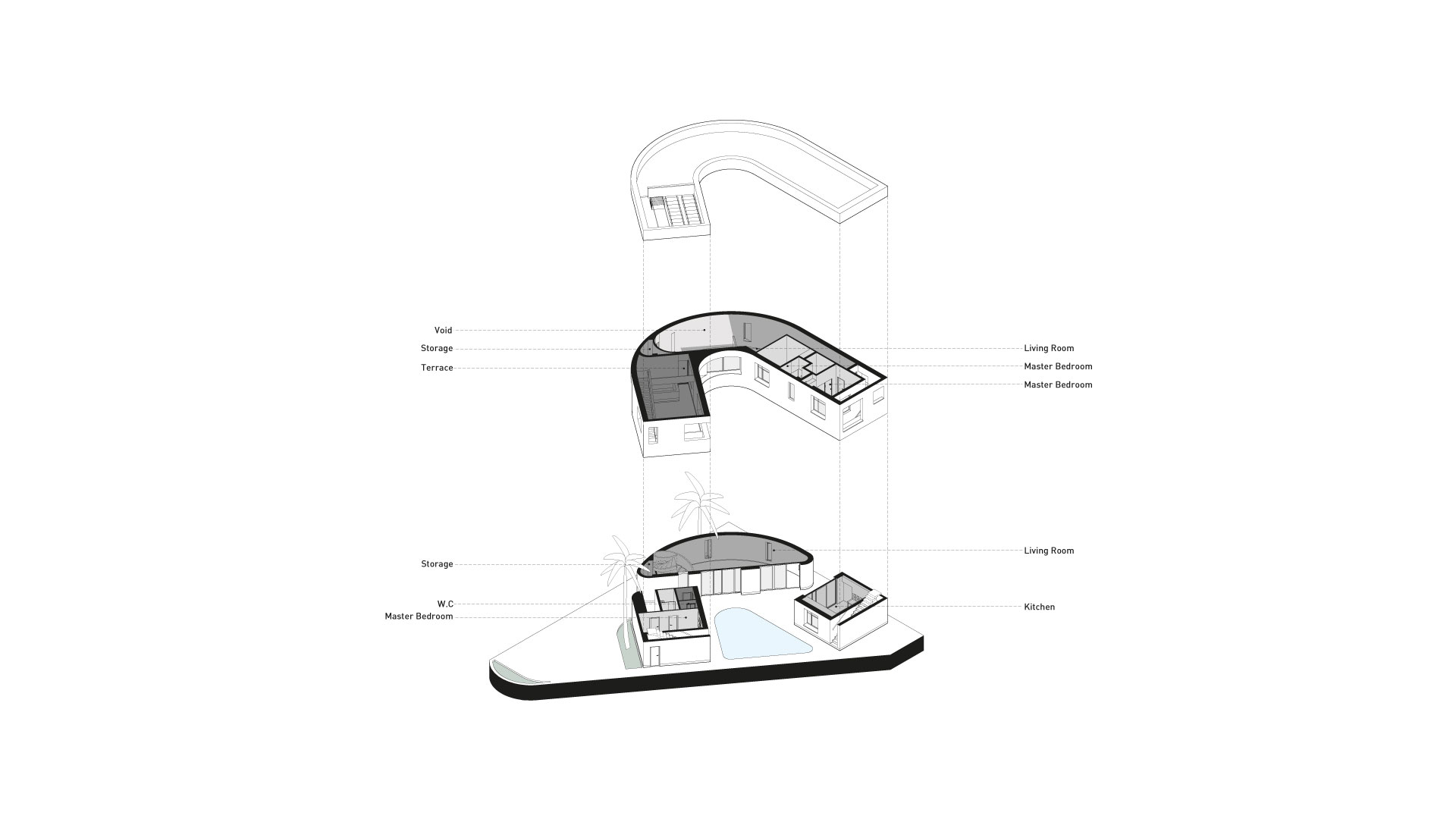
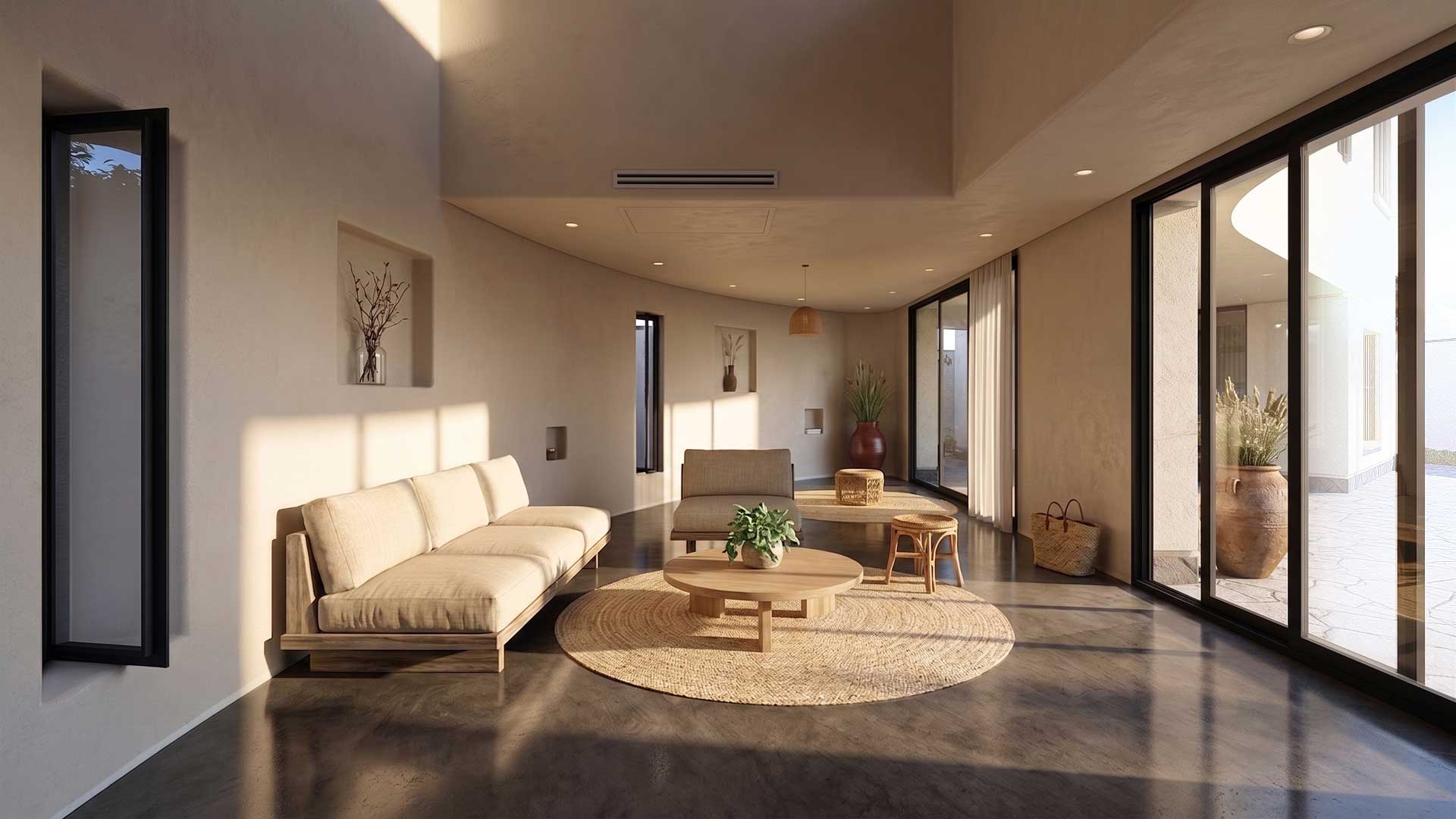
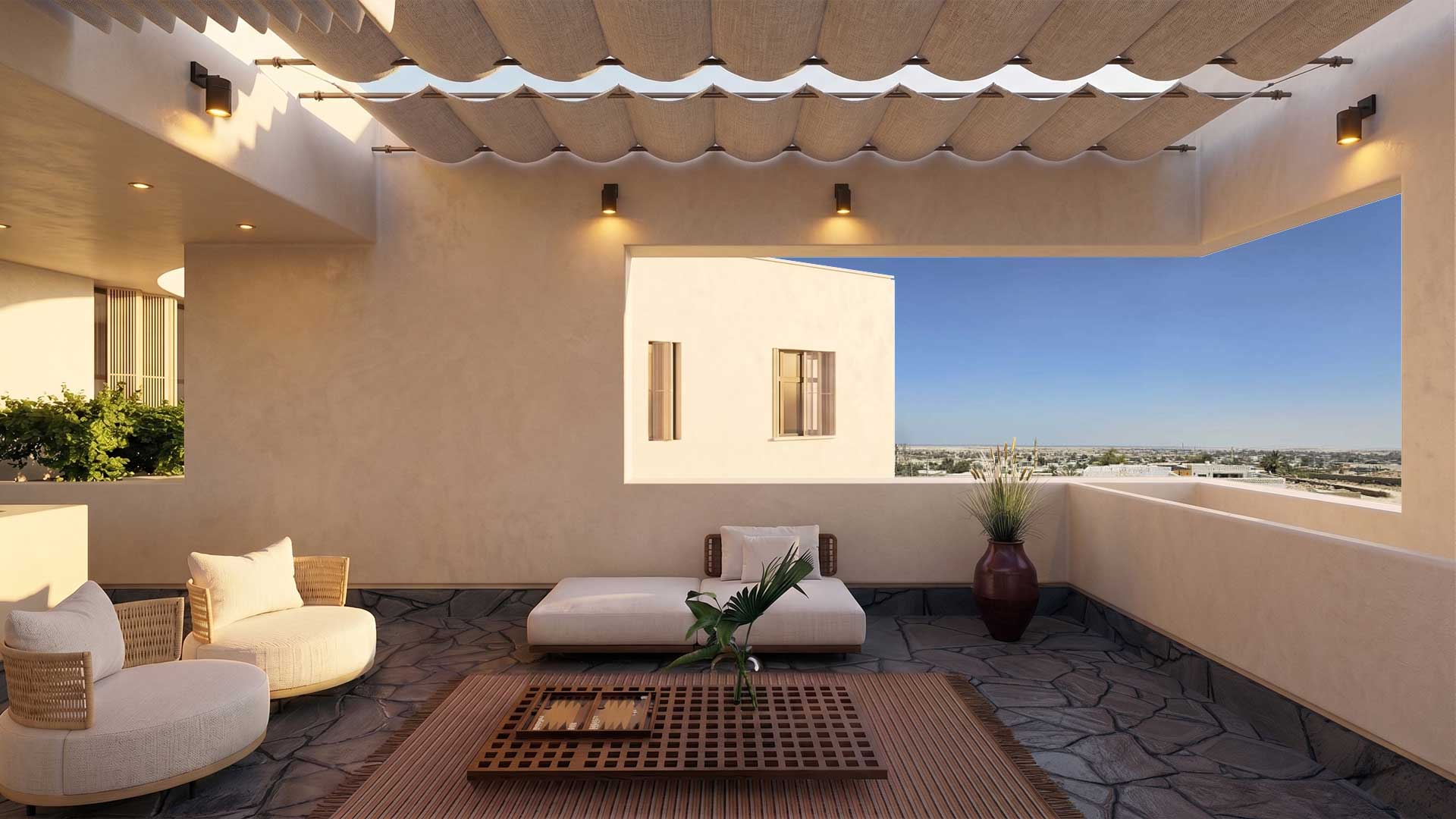
As a consequence of this strategy, several spaces are accessed through semi-open areas rather than directly from enclosed interior spaces. One of the bedrooms, a bathroom, and the kitchen, for example, are entered through these transitional outdoor rooms. This spatial organization, which draws inspiration from local vernacular patterns, creates a more fluid relationship between interior and exterior environments and introduces a richer and more layered experience of inhabitation.
Massing and Spatial Organization
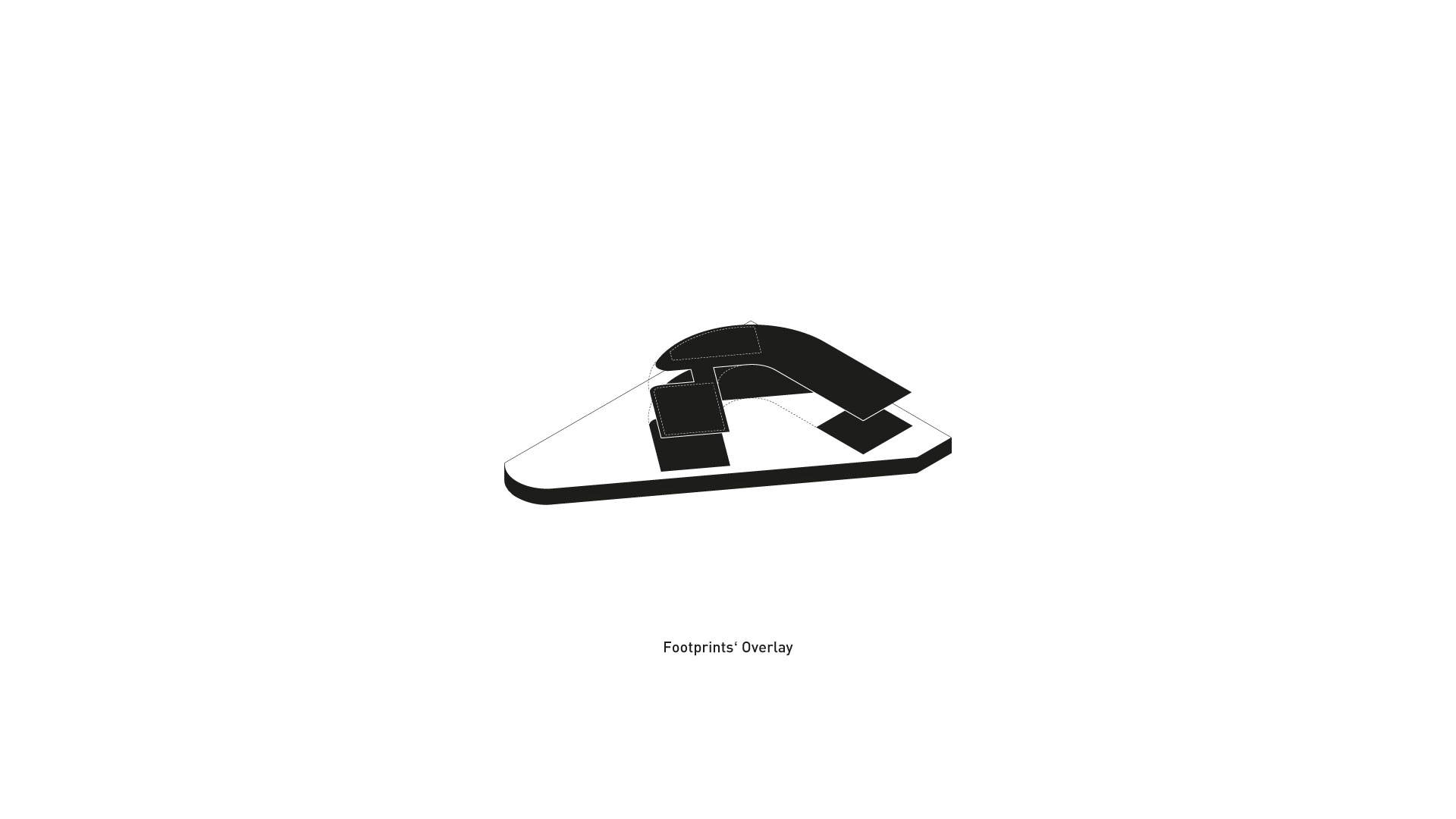
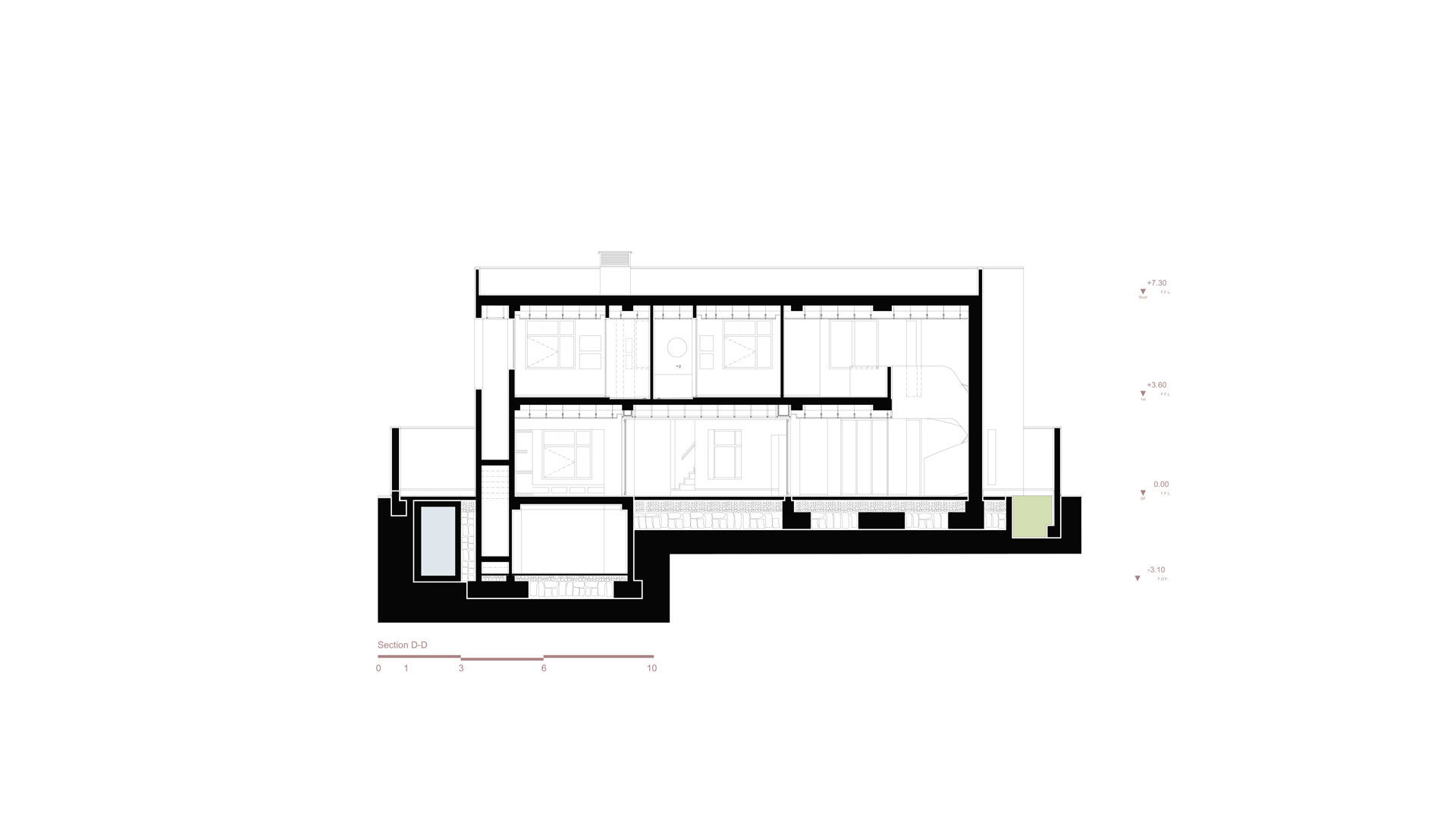
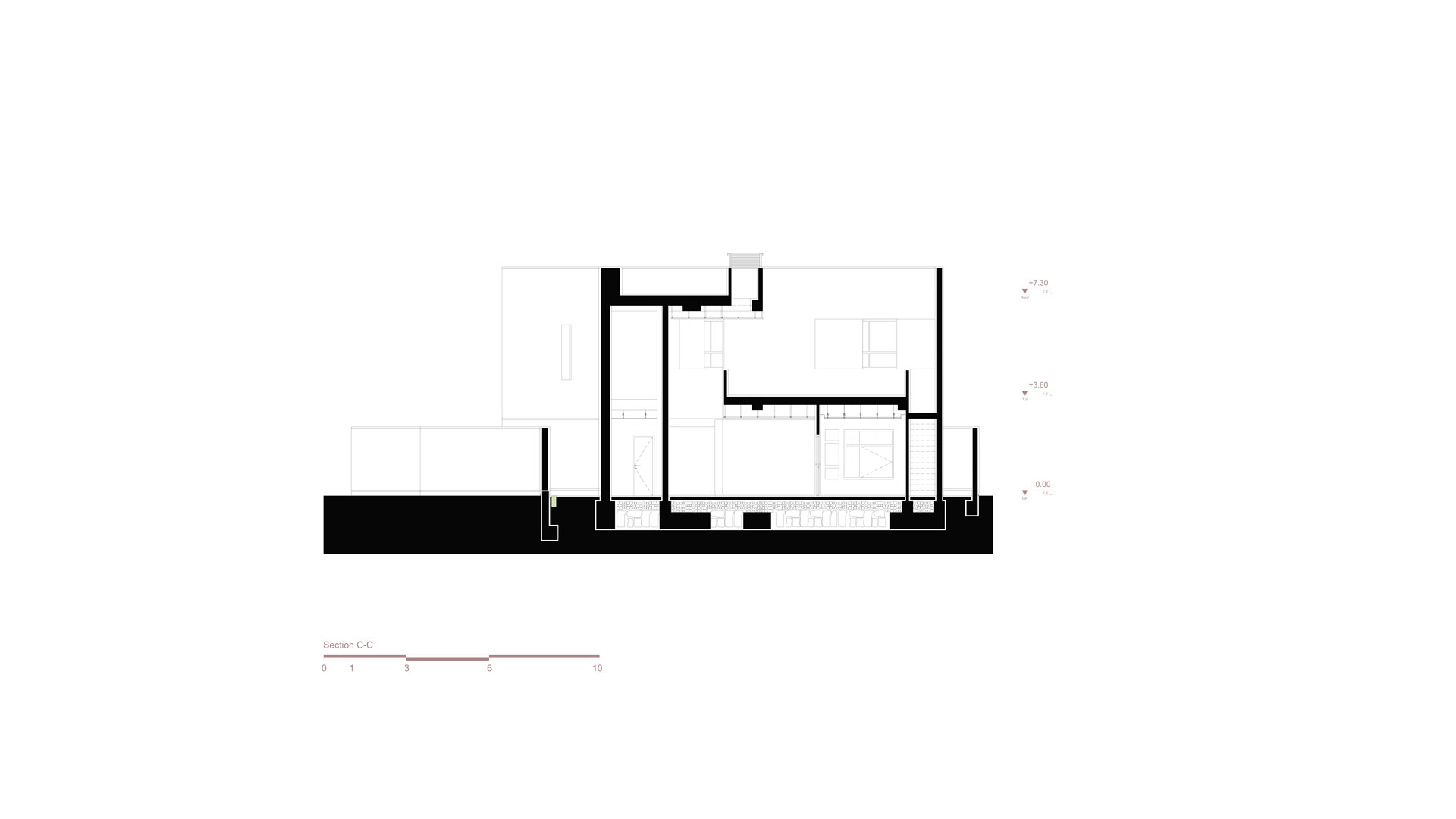
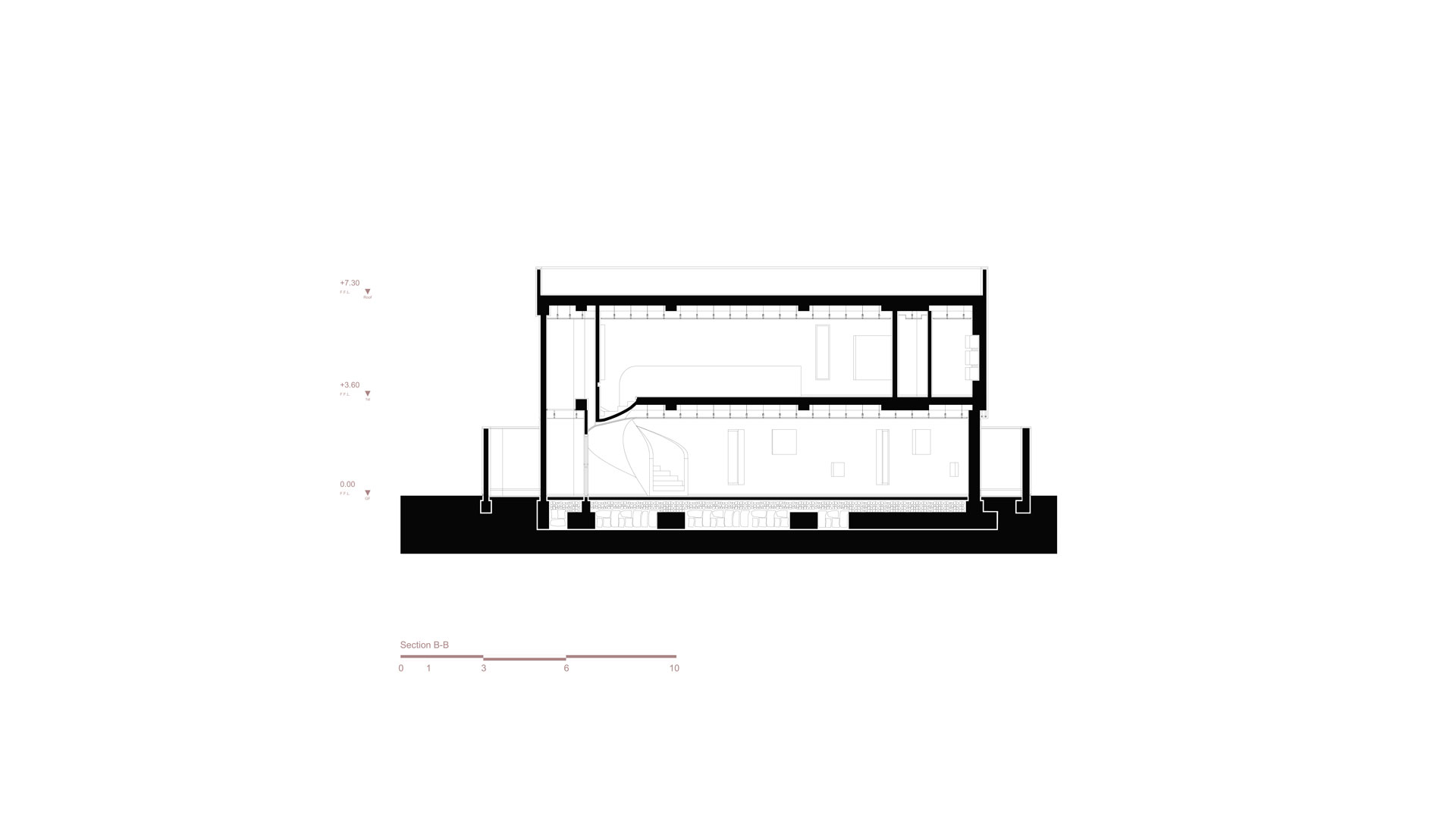
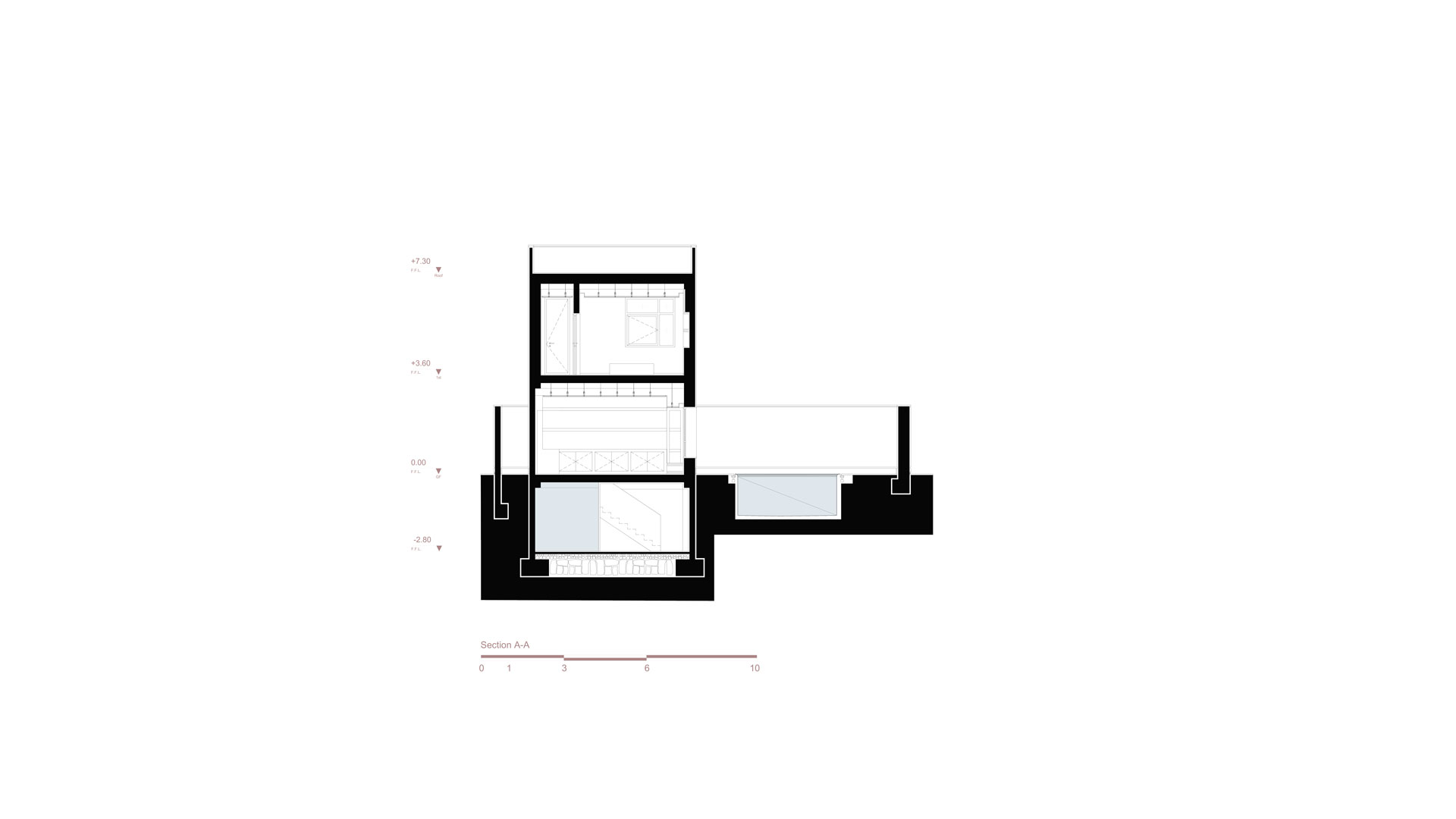
The final architectural form can be understood as a folded ribbon that is articulated through a series of open and semi-open spaces. These voids are not merely formal interventions; rather, they are direct responses to both climatic and functional considerations. The resulting porosity establishes a hierarchy of private, semi-private, and communal spaces while facilitating natural ventilation throughout the project.
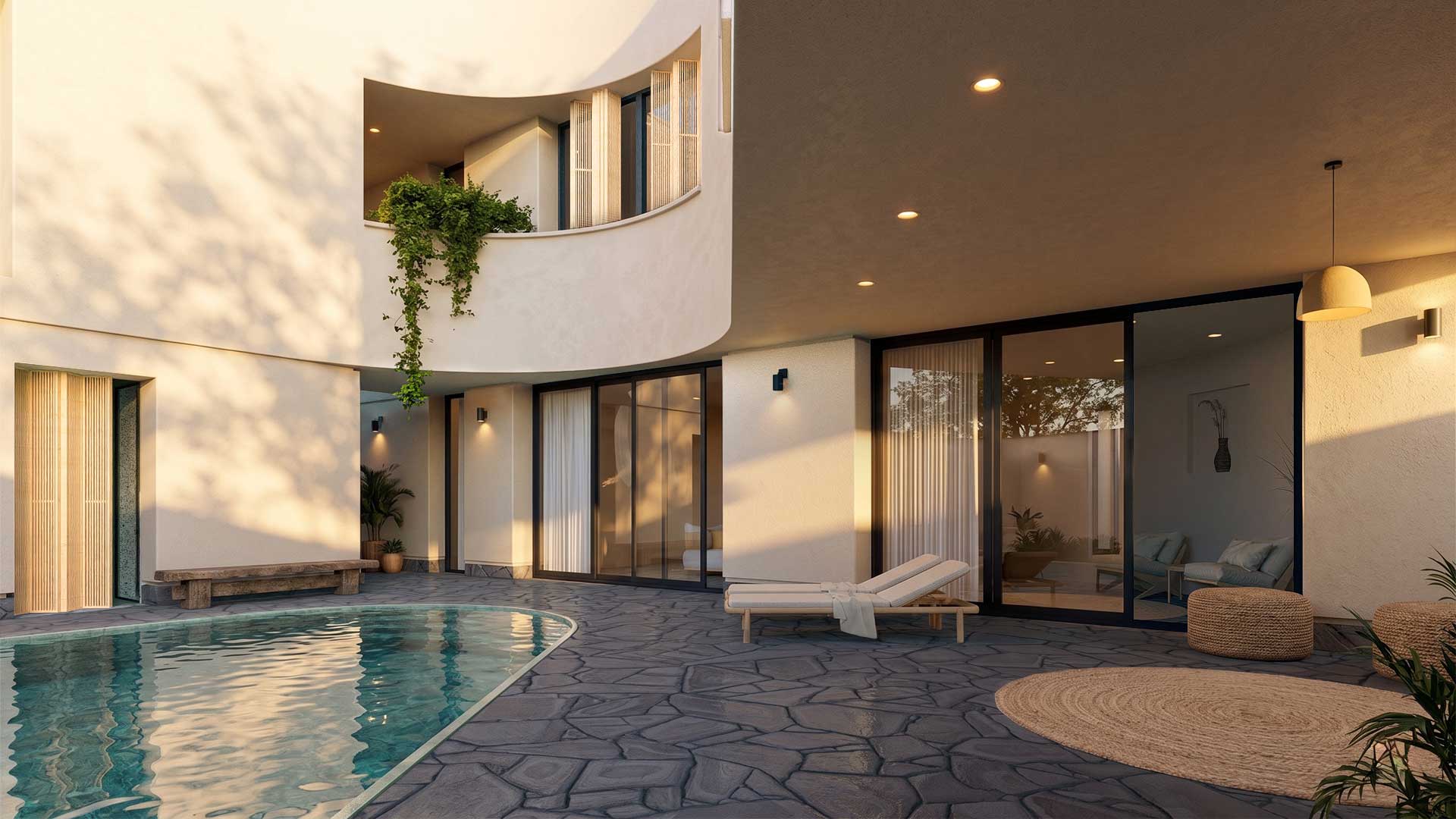
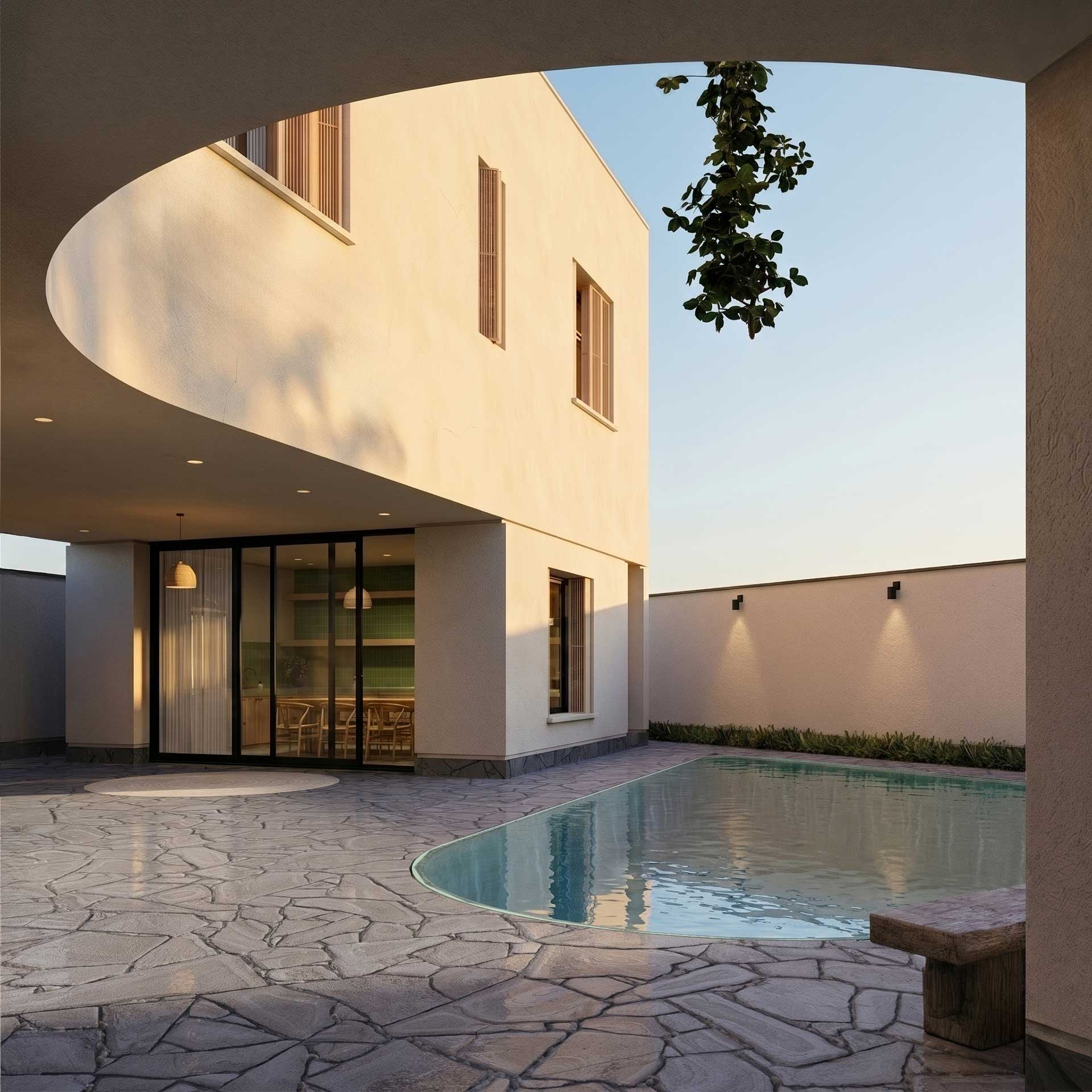
Beyond their functional role, these semi-open spaces significantly enhance the project’s environmental performance. Mutual shading between built volumes, reduced solar exposure, and improved airflow contribute to more comfortable living conditions while allowing the architecture to benefit from the site’s natural climatic resources.
Conclusion
The project is the product of an interaction between the site’s distinctive geometry, climatic realities, and programmatic demands. Its ribbon-like form, perforated by a network of open and semi-open spaces, establishes a spatial system in which porosity becomes both an environmental and organizational device.
In this project, wind, shade, views, and privacy are not simply design considerations; they become the primary forces shaping the architecture itself. The result is a spatial framework that seeks to balance contemporary modes of living with the environmental intelligence and spatial logic embedded within the vernacular architecture of the region.
READ PROJECT DESCRIPTION IN FARSI
ویلای سهیلی
پروژه در جزیره قشم و در مجاورت روستای سهیلی، بر روی زمینی مثلثیشکل با مساحت تقریبی ۵۰۰ مترمربع قرار گرفته است. هندسه نامتعارف زمین از یک سو و ویژگیهای سایت از سوی دیگر، شامل شرایط اقلیمی، جهت وزش بادهای غالب و کیفیت دید و منظر، چگونگی شکلگیری توده و نحوه استقرار بنا بر زمین را به مسئله اصلی طراحی تبدیل کرد. در کنار این عوامل، برنامه پروژه با کاربری دوگانه اقامتگاه و ویلا، نیازمند سازماندهی مجموعهای از فضاهای متنوع با درجات متفاوتی از خصوصی و عمومی بودن بود؛ رویکردی که نمونههای مشابه آن را میتوان در الگوهای سکونت بومی منطقه نیز مشاهده کرد.
شکلگیری بنا بر زمین
فرآیند طراحی از خوانش ظرفیتها و محدودیتهای سایت آغاز شد. زمین پروژه با هندسه مثلث قائمالزاویه، امکان شکلگیری یک حجم متعارف و فشرده را محدود میکرد و در عین حال فرصتهایی برای بازتعریف رابطه میان بنا و فضای باز فراهم میآورد. مطلوبترین دیدها به سمت شمال و شمالشرق قرار دارند و بادهای مناسب نیز عمدتاً از جبهههای شمالشرق، جنوبشرق و جنوبغرب به سایت وارد میشوند. در مقابل، تأمین محرمیت در جبهههای جنوبی و غربی نیازمند کنترل نحوه گشودگی بنا به پیرامون بود.
سازماندهی توده و فضا
توده نهایی را میتوان به مثابه نواری خمیده در نظر گرفت که از طریق فضاهای باز و نیمهباز دچار گسست و تخلخل شده است. این تخلخل نه صرفاً یک ویژگی فرمال، بلکه پاسخی مستقیم به الزامات اقلیمی و عملکردی پروژه است. شکافها و فضاهای میانی، ضمن ایجاد سلسلهمراتبی متنوع از فضاهای خصوصی، نیمهخصوصی و جمعی، امکان نفوذ و گردش مؤثر هوا را در بخشهای مختلف مجموعه فراهم میکنند.
در نتیجه این رویکرد، بسیاری از فضاها به جای آنکه مستقیماً از فضای داخلی دیگری دسترسی بگیرند، از طریق فضاهای نیمهباز به یکدیگر متصل شدهاند. برای مثال، یکی از اتاقهای خواب، یکی از سرویسهای بهداشتی و آشپزخانه از طریق این فضاهای واسط در دسترس قرار میگیرند. این شیوه سازماندهی، که ریشههایی از آن را میتوان در معماری بومی منطقه نیز مشاهده کرد، مرز میان فضای داخلی و خارجی را به وضعیتی سیالتر تبدیل کرده و تجربهای متنوعتر از اقامت را شکل میدهد.
فضاهای نیمهباز حاصل از این تخلخل، علاوه بر نقش عملکردی، در ارتقای کیفیتهای اقلیمی پروژه نیز مؤثر هستند. سایهاندازی متقابل احجام، کاهش تابش مستقیم خورشید و تقویت جریان طبیعی هوا، شرایط آسایش محیطی را بهبود میبخشند و امکان استفاده گستردهتر از ظرفیتهای طبیعی سایت را فراهم میآورند.
ویلای سهیلی
پروژه حاصل تلاقی هندسه خاص زمین، الزامات اقلیمی و نیازهای عملکردی برنامه است. در پاسخ به شرایط موجود، بنا به صورت نواری منقطع شکل گرفت که با تبعیت از هندسه زمین بر روی سایت خم میشود. این راهبرد امکان بهرهگیری از دیدهای مطلوب و جریانهای باد را فراهم کرده و در عین حال با جهتگیری مناسب فضاها، شرایط لازم برای حفظ حریم خصوصی را ایجاد میکند. در نتیجه، فرم پروژه نه محصول یک تصمیم صرفاً هندسی، بلکه حاصل برهمکنش میان ویژگیهای زمین، شرایط اقلیمی و نیازهای برنامهای است.